The Compleat Gardener: Using Bromeliads in Your Landscaping

The Bromeliad Family of Plants
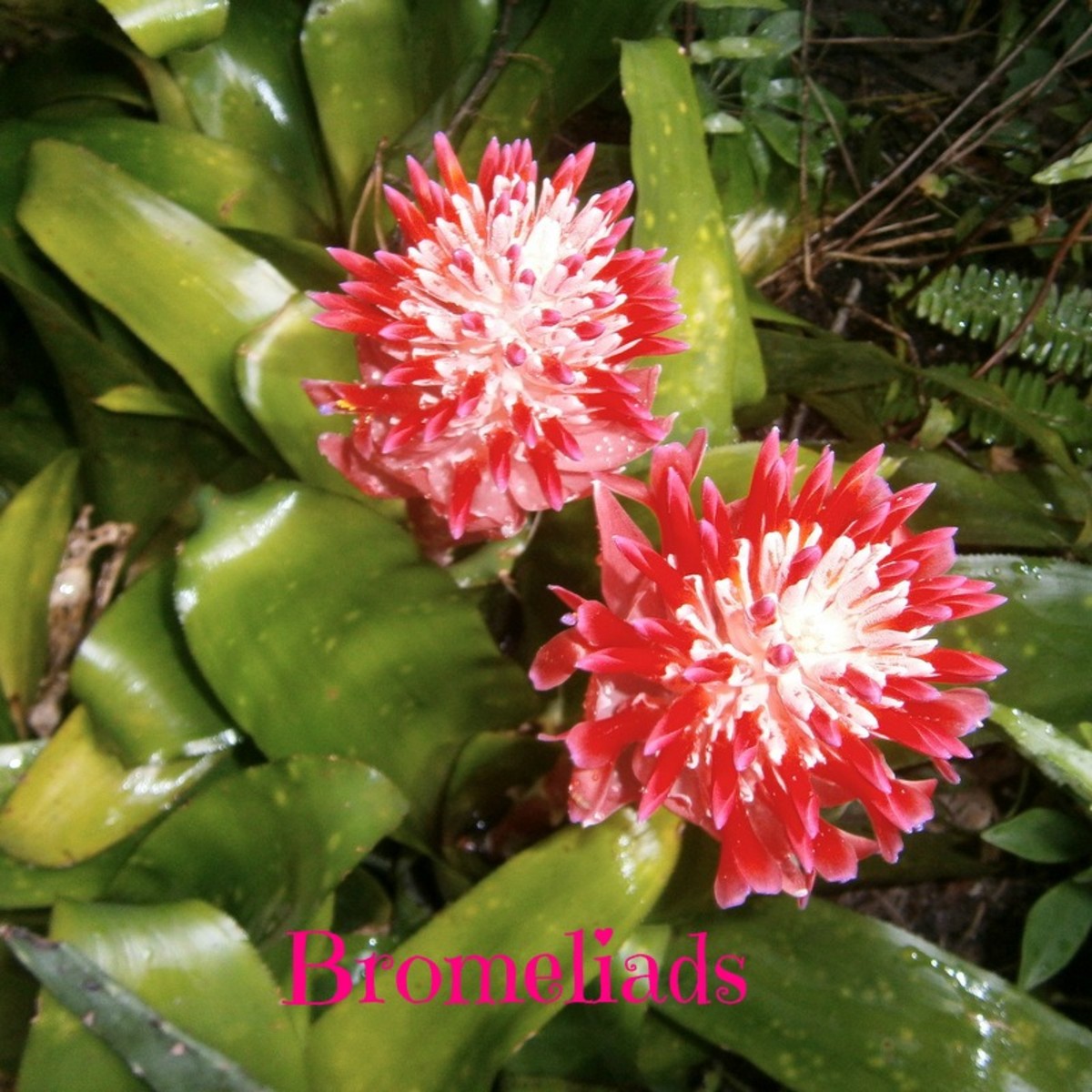
There are over 3,000 species of bromeliads divided into about 40 genera. Virtually all are found only in the Western Hemisphere. They have a variable and attention-grabbing growth habit: (1) epiphytes with "roots" serving as a means of attachment to the tree or shrub on which the they grow, (2) terrestrials which grow in the ground, and (3) saxicolous which grow on or among rocks. Common to all species is an abundance of leaf scales, called trichomes, which serve as a moisture and nutrient absorption system, much the way roots do in other plants.
.
Learn more . . . .
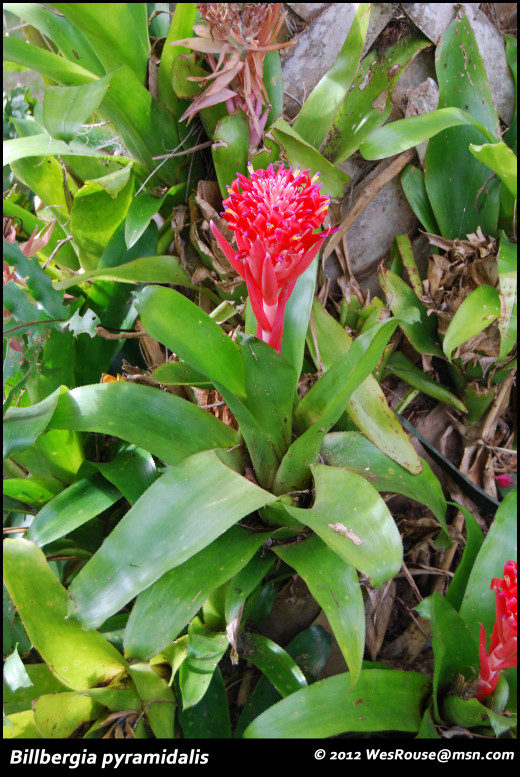
Growing Bromeliads Outdoors
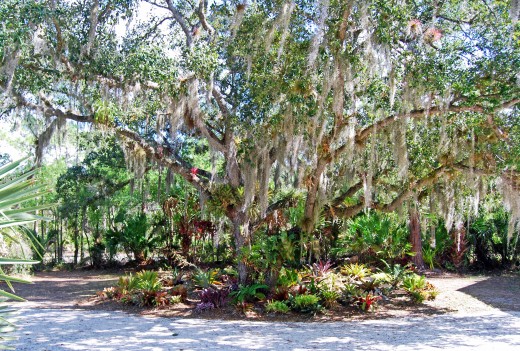
Bromeliads can be used in the landscape in frost-free areas of the state or grown in containers that can be moved indoors in areas where freezes occur. Since bromeliads require minimal care, they are an asset in the landscape.
In south Florida, bromeliads can be grown outdoors unprotected during most winters. In this area, people enjoy bromeliads for their graceful and decorative foliage, flowers, and fruit year round.
Some bromeliads tolerate low temperatures. The graceful, spiny Bromelia pinguin survives north Florida conditions, provided it is grown in a protected area. However, extreme cold temperatures will scorch and injure it. Cold damage to a few leaves will destroy the symmetry and beauty of the plant for a long time.
In areas where frost and freezing temperatures are common, covering with a plant blanket will offer some protection. However, it is a tedious job to cover the plants, and the covers are unsightly. In addition, mechanical breakage of leaves sometimes occurs. A more practical way to prevent cold damage is to grow bromeliads in containers with a potting mix and sink the containers into the ground. When freezing temperatures are predicted, pull the containers out the ground and move them into a garage or other protected area. While indoors, the plants should receive some light during the daytime. When temperatures are above freezing and no more frosty nights are predicted, the plants can be placed back into the landscape and mulched to hide the pot edges.
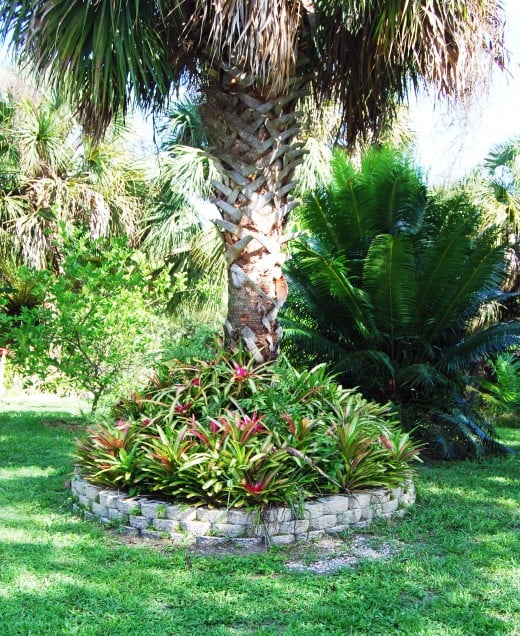
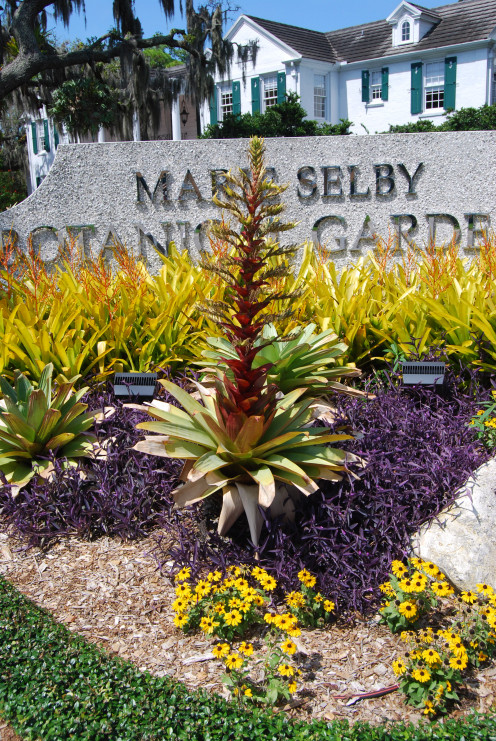
Bromeliads Most Commonly Used in Landscapes
Alcantarea This genus has a magnificent species, Alcantarea imperialis, which grows fairly quickly to a large size with a huge inflorescence. A. imperialis has large leaves, silver/green on top and burgundy underneath. It is great as a single show specimen in the landscape as it grows up to 5 feet tall. Most varieties can tolerate full sun which gives the best color; however, in most hot climates it could take some shading in the middle of summer. It also has some tolerance to salty areas. The plant has a large red to yellowish bloom spike once the plant is mature. A planting of A. imperialis in a large yard presents a wonderful sight to see.
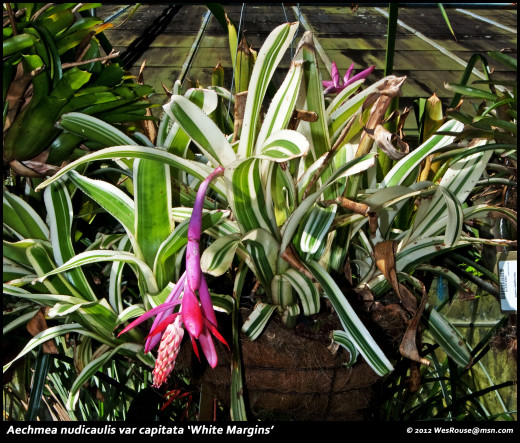
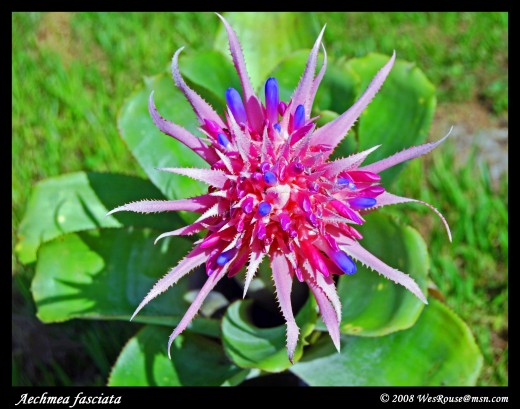
Aechmea Most of the 150 species in this genus are epiphytic and could be used in lanscapes under the right conditions. Following are the most common in-ground cultivated species.
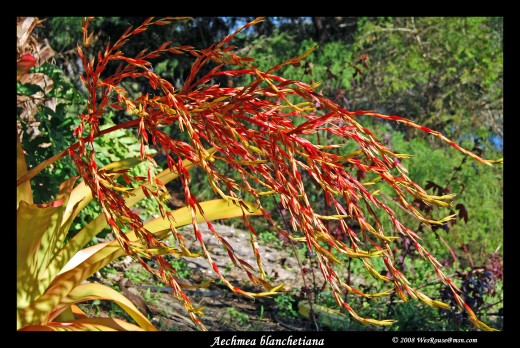
Large: Aechmea blanchetiana (shown in picture at top) and A. bromeliifolia.
Mid-size: A. triangularis, A. distichanta, A, nudicaulis, A. fasciata and the cultivars 'Bert' and 'Frederike'.
Small: A. ampullacea, A. lilliputiana and the Fireball forms.
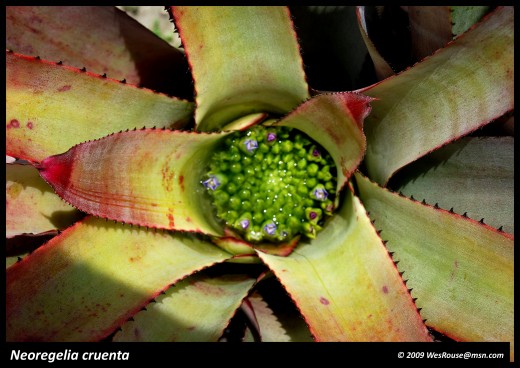
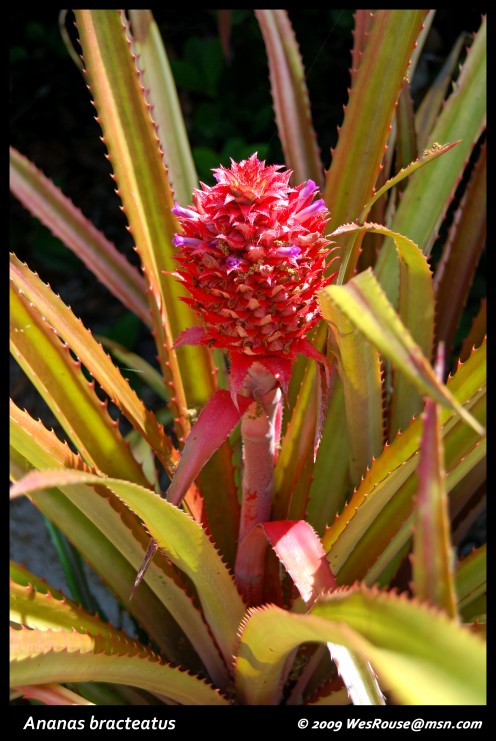
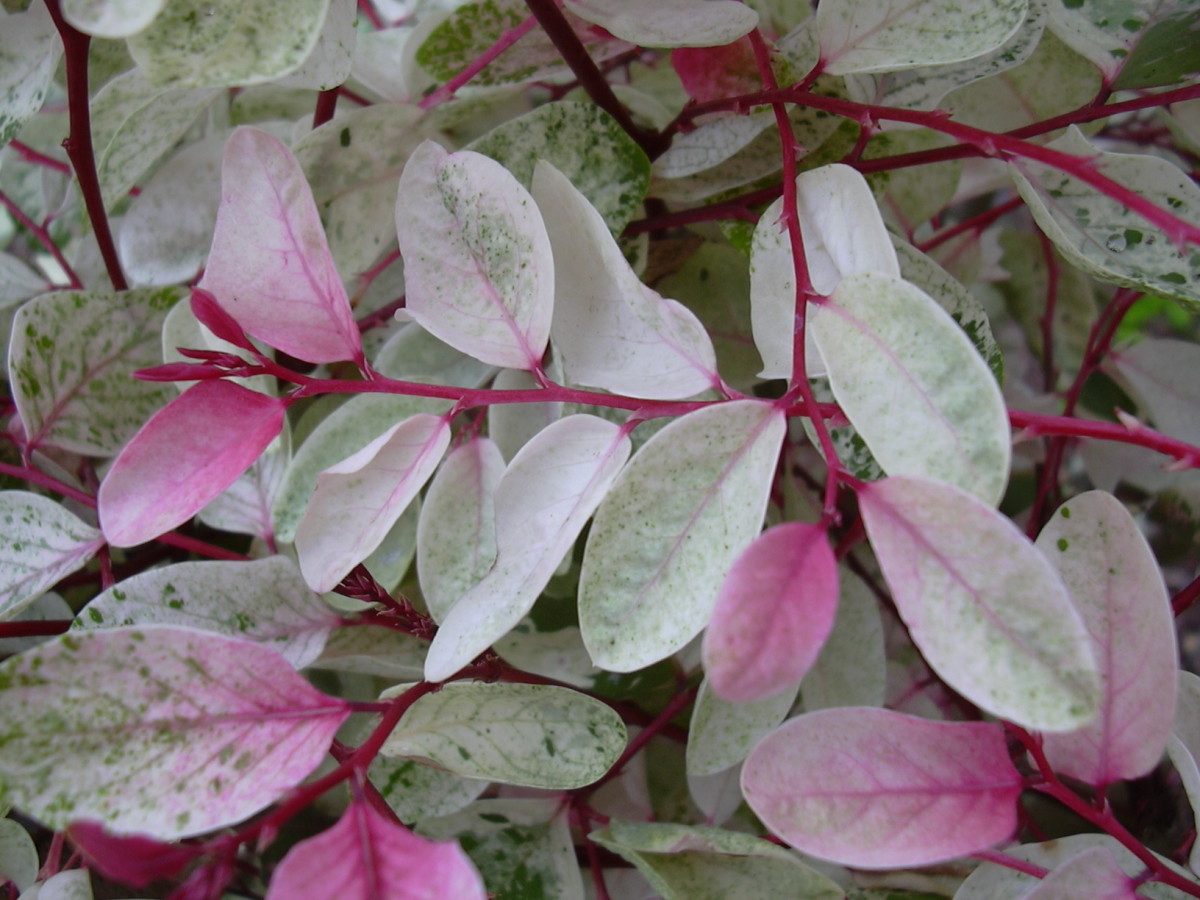
Ananas The edible pineapple, Ananas comosus, is found in this genus and is grown outdoors in areas that are frost-free. A gardener can plant the spiked leaves and base left over after eating a pineapple, and it will grow readily. There is a variegated form of this species also and as might be expected, it is called variegatus; it has green, cream and pink-striped leaves that has a leaf spread two feet or more across. A bed of 10 - 20 of these plants is an impressive sight.
.
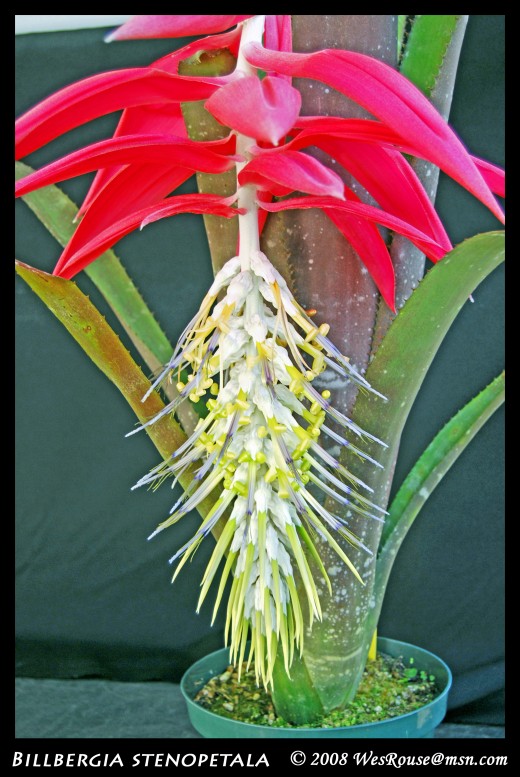
Billbergia Most Billbergias are tall and urn-shaped with spiny-edged leaves. They are usually epiphytic and the foliage is often attractively variegated, banded, or mottled. Although the inflorescences are short-lived, they are very colorful. Virtually all of the Bilbergias can be grown outdoors in southern climates if they are protected from direct sun in the summer and frost in winter. B. stenopetala has a spectacular inflorescense that will make you the envy of every gardener who sees it.
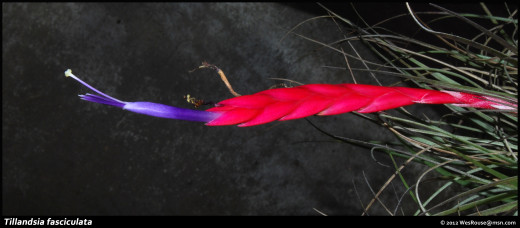
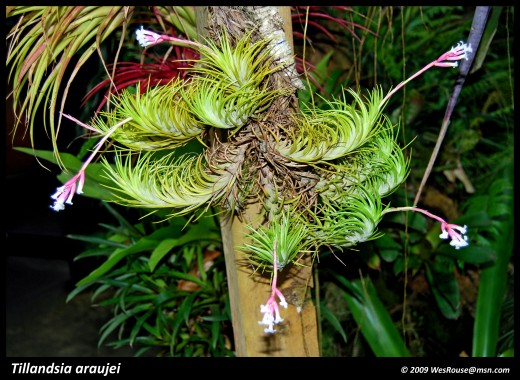
Tillandsia With nearly 400 species this genus has hundreds of species that can be grown in subtropical landscapes. Most are epiphytic and can be attached to just about anything from a tree to a board. Plant species vary in size from tiny to large. T. araujei is a small clumping Tillandsia which is beautiful and an unusual show specimen in any warm weather yard.
Other Genera
In general, the Cryptanthus, Vriesea, Guzmania, and Nidularium genera, which are found in most enthusiast's collections, need more care, specifically concerning humidity, temperature, and light conditions. Most bromeliad lovers culture them in separate potted plantings or in a greenhouse.
Comments & Questions
Please feel free to write to me at WesRouse@msn.com and make any comments below. I try to answer any questions that you may have.