Vision - How Do We See?

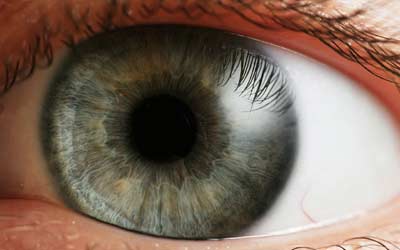
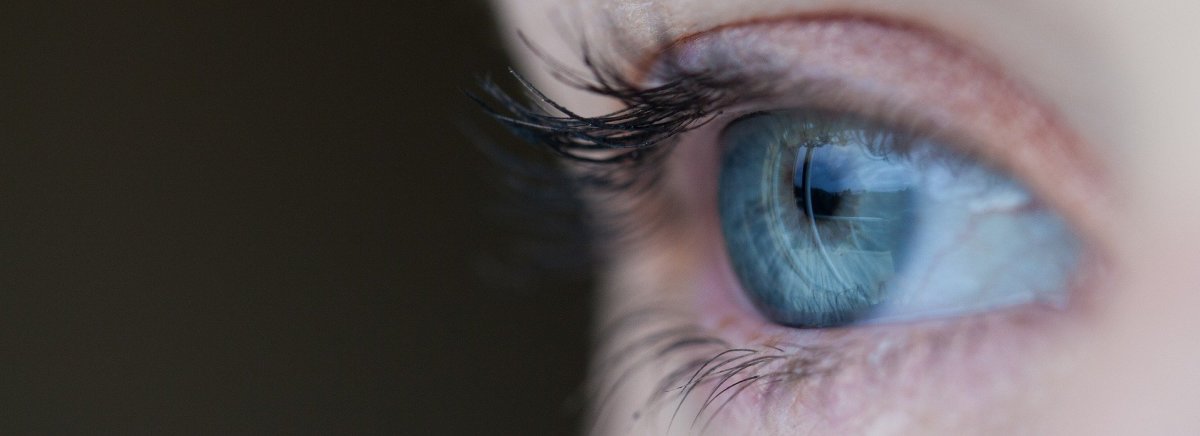
The organs of sight or vision are the eyes. These, along with the optic nerves and the brain allow us to see.
Light enters the eye, first passing through the transparent front part of the eye called the cornea. The cornea refracts, or bends, the light waves to focus on the pupil.
The light then passes through the pupil, which is an opening in the middle of the colored part of the eye, or iris. The iris can open the pupil wider when there is not much light, or make it smaller when the light is strong.
Once through the pupil, the light passes through the lens, which further refracts and inverts the light, and can be changed in shape by muscles in the eye, finally projecting a focused, upside-down image on the retina.
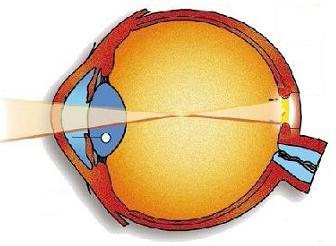
The retina, at the back of your eye, contains millions of photoreceptor cells which respond to light. These cells contain protein molecules called opsins. We have two types of opsins - rods and cones. Opsins each can absorb a particle of light, called a photon, and transmit a signal to the cell.
Rods detect colors in shades of grey, and can sense movement and shape. You have about 120 million rods, mostly around the edge of your retina. They do not require much light, and can be used to see when light levels are low.
Cones mainly distinguish color, and you have about 7 million, mostly around the center of the retina. You have three types which detect different wavelengths of light - red, blue or green. Signals from many cones can produce all the colors we see. They only work in bright light, so in dim light colors are harder to see.
Once the cells receive the signal from the opsins, it is transmitted to the optic nerve, which is connected to the retina at the back of your eye. (There are no photoreceptors where the optic nerve joins the retina, and this is why you have what is known as a "blind spot" in your eye.) The optic nerve sends the signal to your brain, which interprets the image, and turns it back the right way up.
Having two eyes allows us to perceive distance, and therefore see three dimensional images. This is because each eye produces a slightly different image, and the brain merges these to create three dimensions.
The Sense of Sight
Optical Illusions
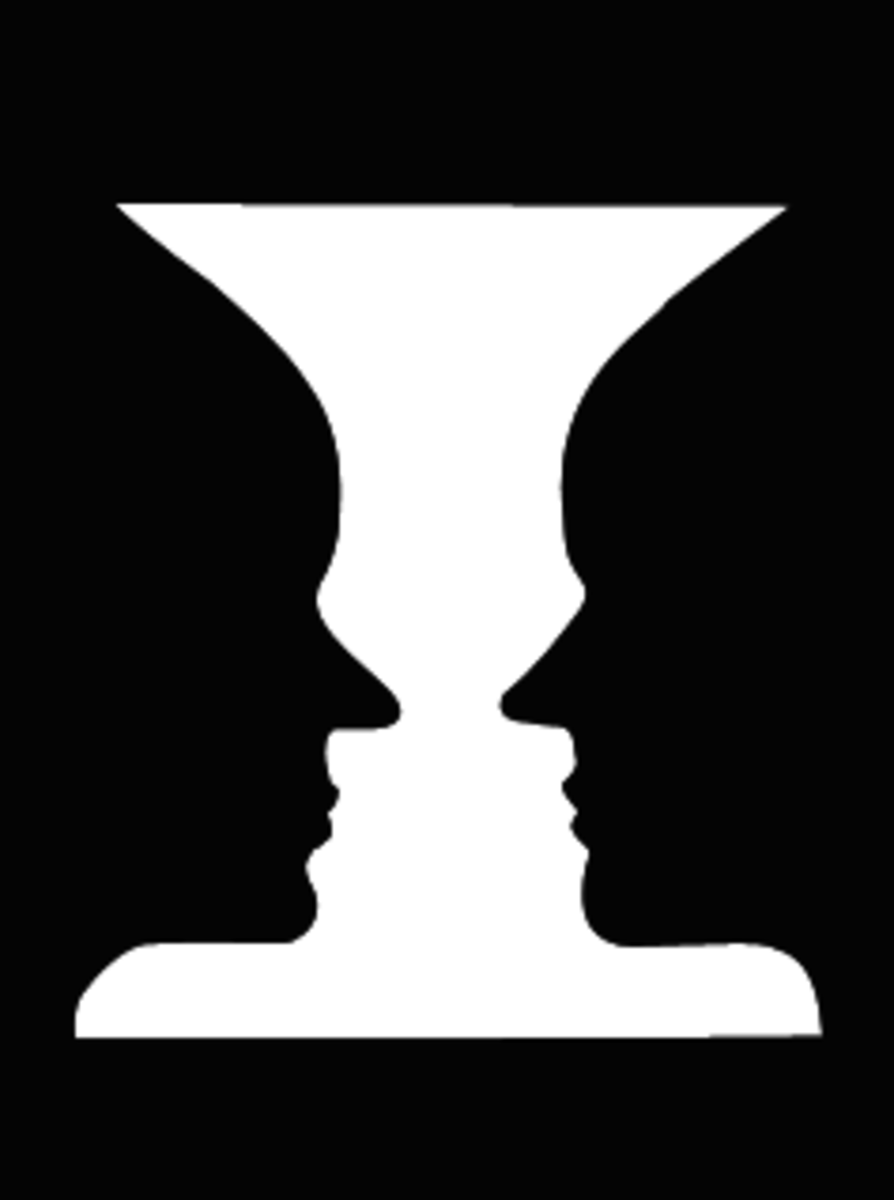
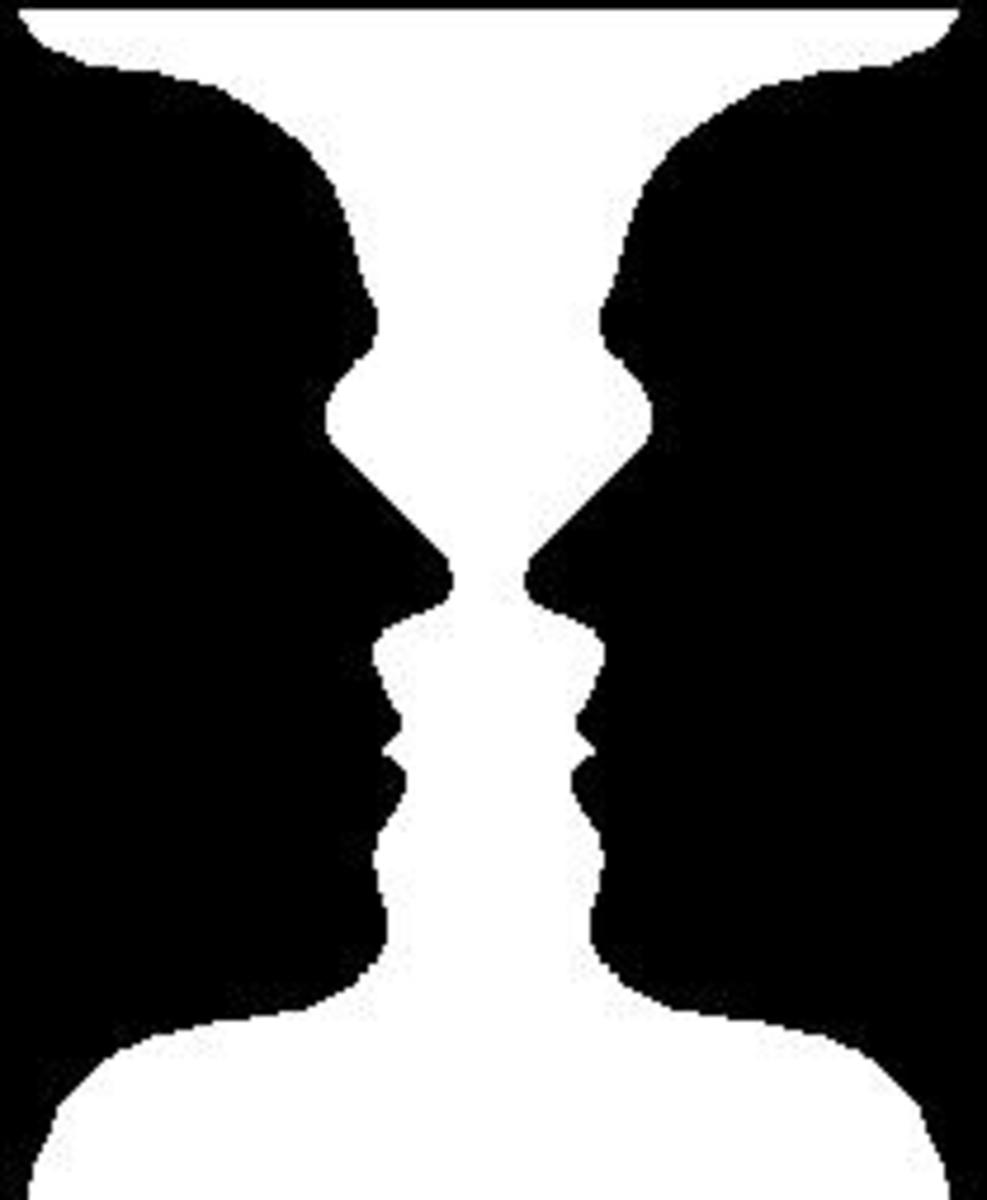
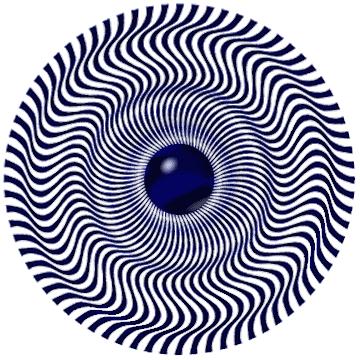
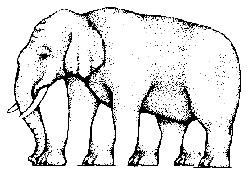
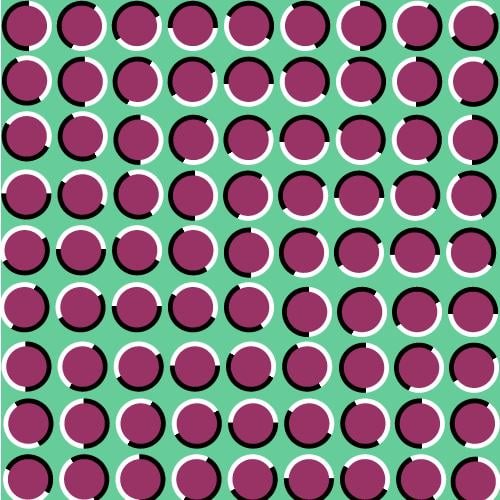
Sometimes our brains can be fooled by images received by the eye into perceiving them as something different from what is actually there. These are called Optical Illusions. Here are some examples:
© 2009 fridayonmymind