Volatility Definition - How to Calculate Volatility In The Stock Market

You often hear about stock market volatility and how bad it is, but have you wondered how to compare volatility? Is it just something you know when you see it, or can it be quantified? Well, like most things, there are ways to quantify volatility so you can make the comparisons you want.
To properly study market volatility, you need a long period of time. This is not an overnight or quick process. Read on to learn how.
Volatility Definition
First, we need to agree on definition of volatility. It's basically the variation from the average value over a measurement period. If a price varies a great deal from day to day, the volatility will be high, and conversely if the day to day variation is low, the value of volatility will be low as well.
While it gets pretty complicated in a hurry when you burrow into the statistics and when you factor in things like lognormal returns, and stationary processes, it can be approximated by saying that if the volatility is calculated by the standard deviation of the asset prices, then approximately two-thirds of the time the price will be within one standard deviation of the average price over time.
Why Do We Care About Volatility?
One of the areas that volatility takes on greater importance is in the area of options pricing. Not to go into great detail, but an example would be call option, or the option to buy a stock or some other asset in some future period, say in the next few months. If a stock price has a history of relatively large price swings, then it becomes more likely that it can exceed the "strike price" of it, potentially triggering the buyer to exercise the option, or to buy and sell the stock at a profit, even though the long term average price of the stock hasn't changed. So the option seller will price the option higher for a volatile stock to compensate for this possibility.
Volatility Drag - Why the Average Investor Cares About Volatility
Why would your average investor care? There's another subtle effect on long term stock returns called volatility drag. This is what happens to the annual return on an investment when the year to year returns are volatile. It's best explained with an example.
For the 30 years following 1966 the S&P 500 averaged about approximately 7.8% a year, if you just averaged the individual annual returns. But, if you had an initial investment of $1000, at the end of the 30 year period, you had a healthy $666K, but this represents a compounded annual return of only 6.5%. Where did the rest of the money go? This is the volatility drag.
Here's an example, assume you just invested for 2 years, and the first year you got a +25% return, and the second year you got a -25% return. That's obviously an average return of 0%, but you really got (1+.25) x (1-.25) or a final value of .9375, or a negative overall return of 6.25%, for a compounded annual return of -3.18%. And the story gets worse with more periods or wider swings.
Another easy example would be a gain of +100 percent, and a negative 50%. This gives an apparent average gain of 25%, but the net return is actually zero.
Financial advisors and newsletters take advantage of this all the time. That's why they almost always advertise average annual gains instead of compounded annual returns, as the numbers always look better. Keep that in mind the next time you get some advertisement that suggests huge annual returns. This is also one of the major attractions of hedging and hedge funds.
Finally, volatility will cause market makers to increase the bid ask spread on stocks they make the market in. For thinly traded markets, for example when investing in penny stocks, that just makes it that much tougher to make a profit on a trade.
The Way to Calculate Volatility
For options trading, the usual way to calculate volatility is to take the trailing 20 periods (which for a daily calculation is almost one month of market days) The standard deviation is calculated on the daily closing price. To calculate the standard deviation, you find the average price over the range of days, you take the daily difference between the price and the average, and square that, sum it over the 20 days, and divide by 20 (this value is known as the variance). You then take the square root, and that is the standard deviation, which is the number used to represent the volatility.
Excel Spreadsheets to Calculate Volatility
- An introduction to volatility and how it can be calculated in excel.
Use excel formulas to calculate volatility, log relative prices and implied volatility. - How To Calculate Historical Volatility in Excel
Easily calculate the annualized historical volatility of a set of securities price data. Use daily, weekly, monthly, annual, or other periodic closing prices. Adjust for dividends automatically. One of our many free Power4XL Black-Scholes stock op
More Hubs on Money Management
- The Best Mutual Funds - Tips for Your Market Portfolio
Do you like to trade funds in the market, or do you like to buy and hold? Here are some tips for finding the best mutual funds that will work for your personal portfolio. - How Much Money Do I Need to Retire?
Putting together a plan to decide how much money you will need after your retirement is well worth the time and effort.
Related
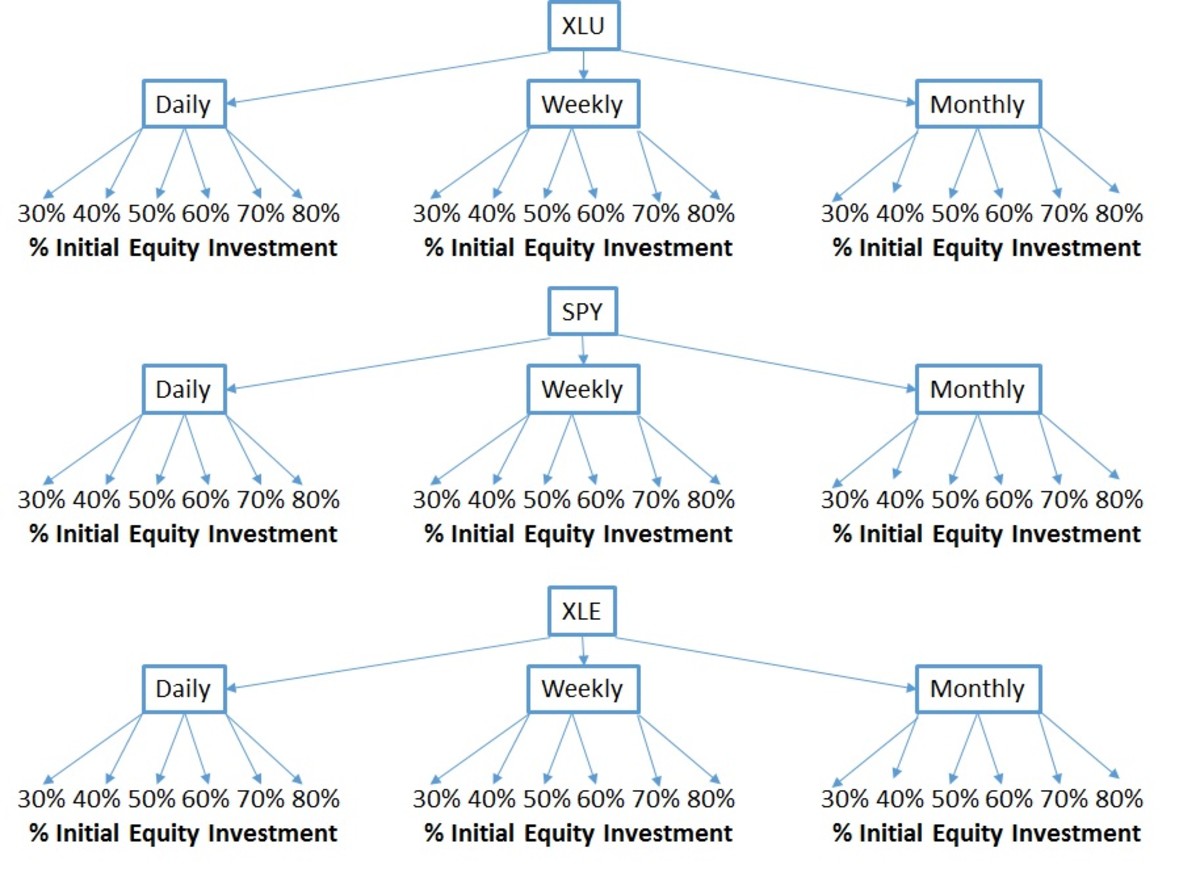
A Sensitivity Analysis of the Robert Lichello Automatic Investment Management (AIM) System

Cards Against Humanity and Expansion Packs - One, Two, Three, and Four

Understanding Investor's Business Daily's Stock Rating System
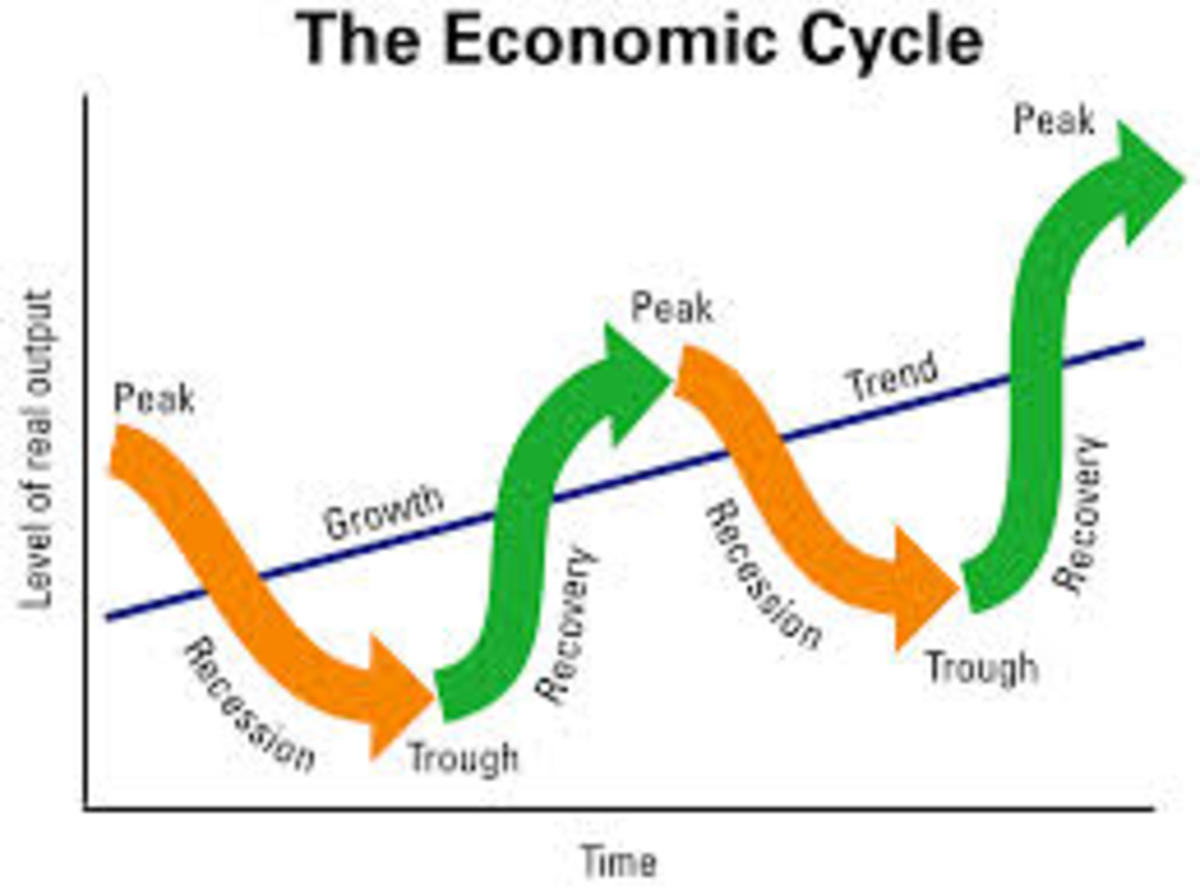
Stock Market Timing Based on the Economic Cycle
Classic Options - Trading Strategies Using Profit & Loss Diagrams