Understanding Acne Problem: The Causes and How Acne Develops

How acne develops
It never fails. Whenever you have a special evening planned and you want to look your best, it happens. A pimple springs up on your face – boom, just like a spotlight for everyone to see.
And it doesn’t just happen to teenagers. It happens to some adults, even up through middle age. Ugh! What can you do?
The first thing to do is understand what acne really is – it’s not just a curse of adolescence. It can happen at any age.
Unfortunately, the oil glands sometimes start working overtime. When this happens, the glands produce more oil than the oil ducts (the passageways that transport the oil to the surface of your skin) can handle. The excess oil begins collecting under the skin surface, and there you have the beginnings of your pimple.
Acne is the clinical name given to the process that occurs when the oil glands in your skin get clogged up. You see, your skin contains oil glands (known as sebaceous glands) that produce special oil. This oil helps keep your skin smooth and healthy and protects your skin from dirt, bacteria and dryness.
The extra oil mixes with some dead cells, forming a hard plug. If this plug stays under the surface of your skin, it’s known as a whitehead. If it enlarges and pushes out to the surface of your skin, it’s known as a blackhead.
The dark color of blackheads is caused by a buildup of melanin, the pigment in the skin that is responsible for your skin color and for suntans.
Acne development-- a comparison between boys and girls
Most girls start noticing pimples around the age 11, and most boys start seeing pimples by age 13. Scientists think that the adolescent body begins producing large amounts of a hormone known as androgen. This hormone seems to cause the oil glands to overproduce the oils, thus triggering the acne.
Boys produce about 10 times as much androgen as girls, so acne is much more common in boys than girls.
The difference between inflammatory and non-inflammatory acne
Many people also inherit from their parents the tendency to develop acne. If one of both of your parents had acne, you will probably have it, too. But there is a difference in the kinds of acne that people can get.
Non-inflammatory acne is the kind that most people get. This kind of acne is not severe or disfiguring. It causes a few pimples to spring up every now and then, but nothing too serious.
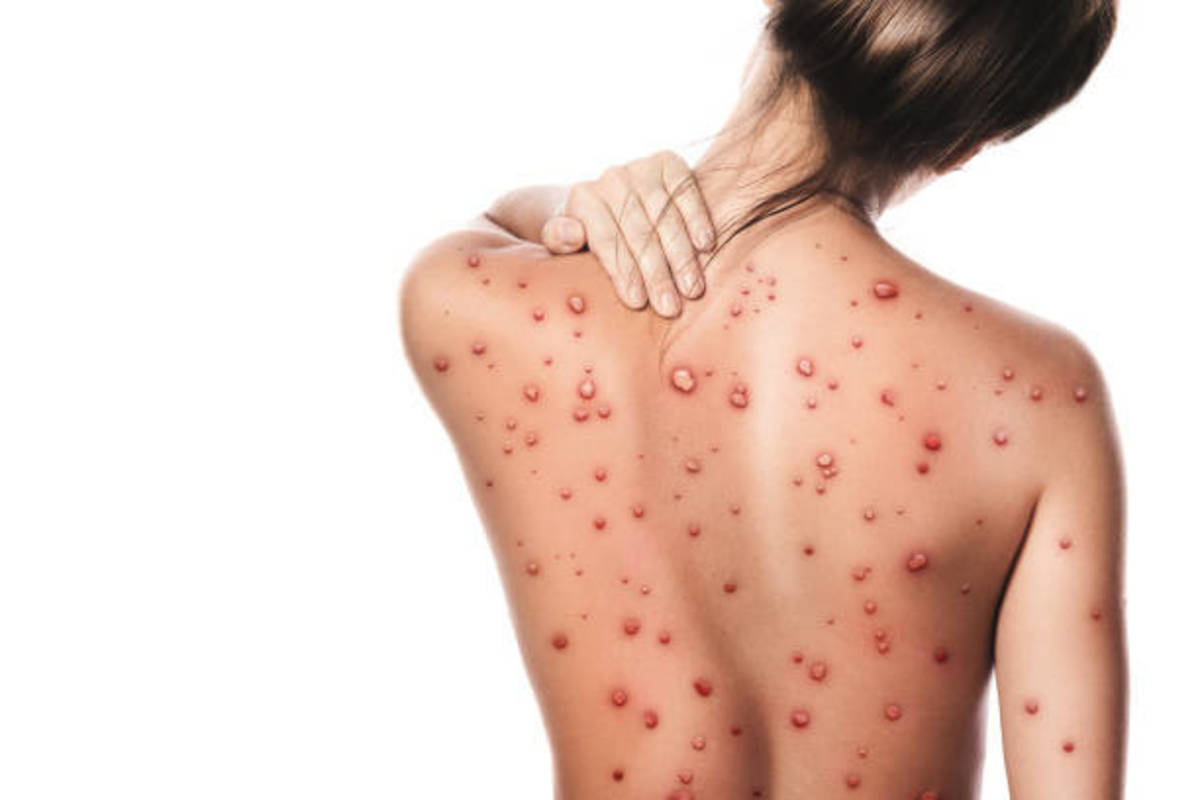
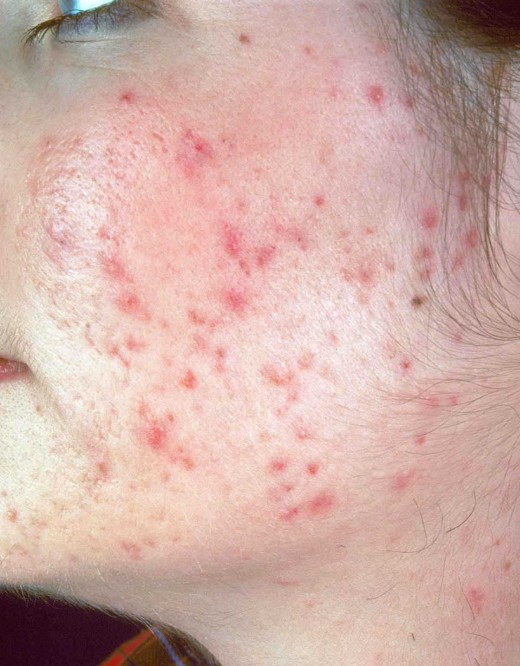
Other people suffer from what is known as inflammatory acne. This is a severe form of acne that has constant outbreaks that can cover the face, the neck, the back, the chest and even the groin area.
The pimples formed in inflammatory acne are filled with pus, and the pimples and small cysts can cause unsightly scarring. This kind of acne is usually hereditary.
Causes of Acne
But for most people, the acne is more of an inconvenience and embarrassment than a serious medical problem. Other people, triggers of pimple outbreaks could be exposure to industrial oils and chemicals, stress and anxiety, oily makeup and shampoos, and even certain drugs.
Many people try to avoid foods like chocolate, sodas and fried foods because they say it causes acne. Scientists have not been able to prove this theory.
However, if you notice that outbreaks increase after you eat certain foods, try to avoid eating those foods.
And many women complain about more pimples the week before or the week after their monthly period.