What is Fruitarianism?

Fruitarianism
I was first introduced to the fruitarian lifestyle about 35 years ago when I met a boyhood friend whom I had not seen in 5 years or so. As we chatted, among other things, he told me he had become a fruitarian and explained what that meant.
I was living on cheeseburgers and fries at the time and had serious difficulty understanding the appeal.
Today, I can see what he was talking about but still have some questions.
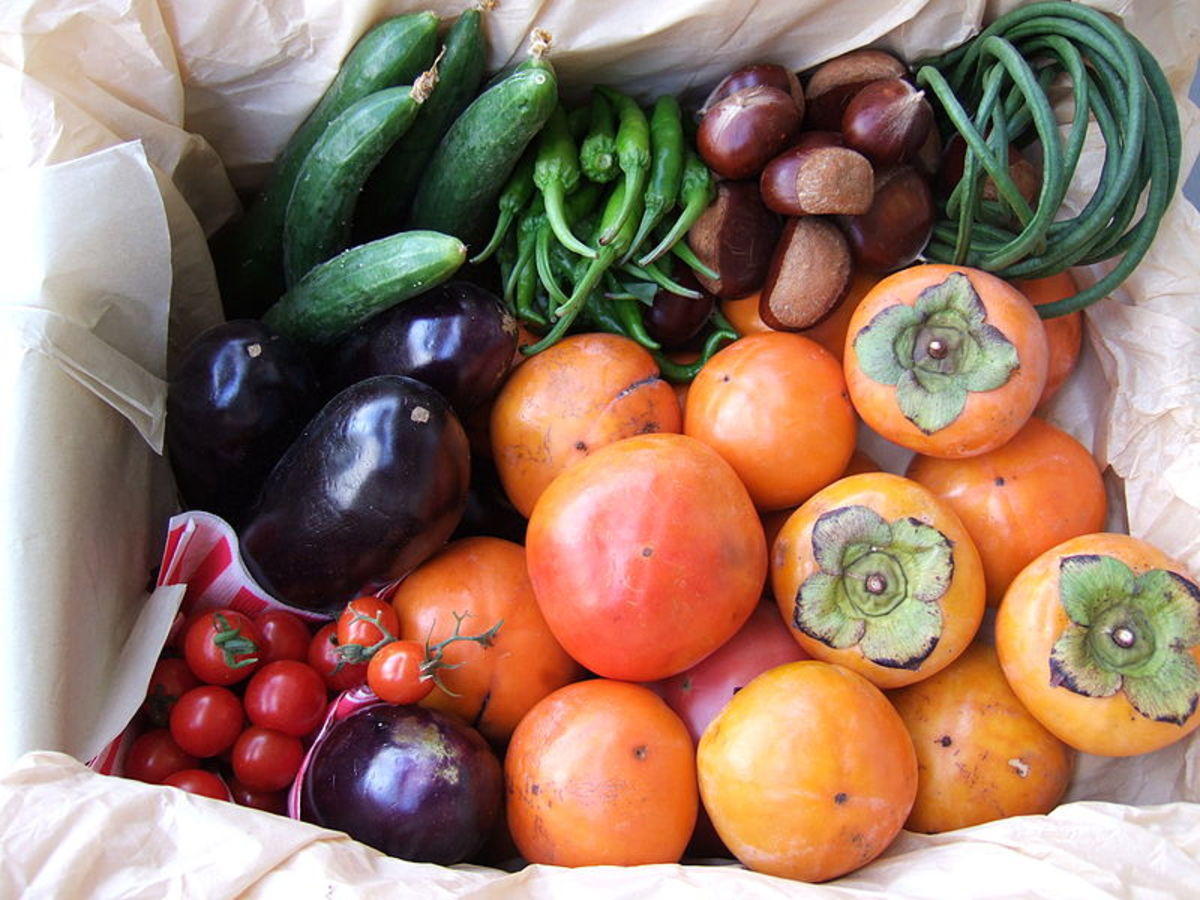
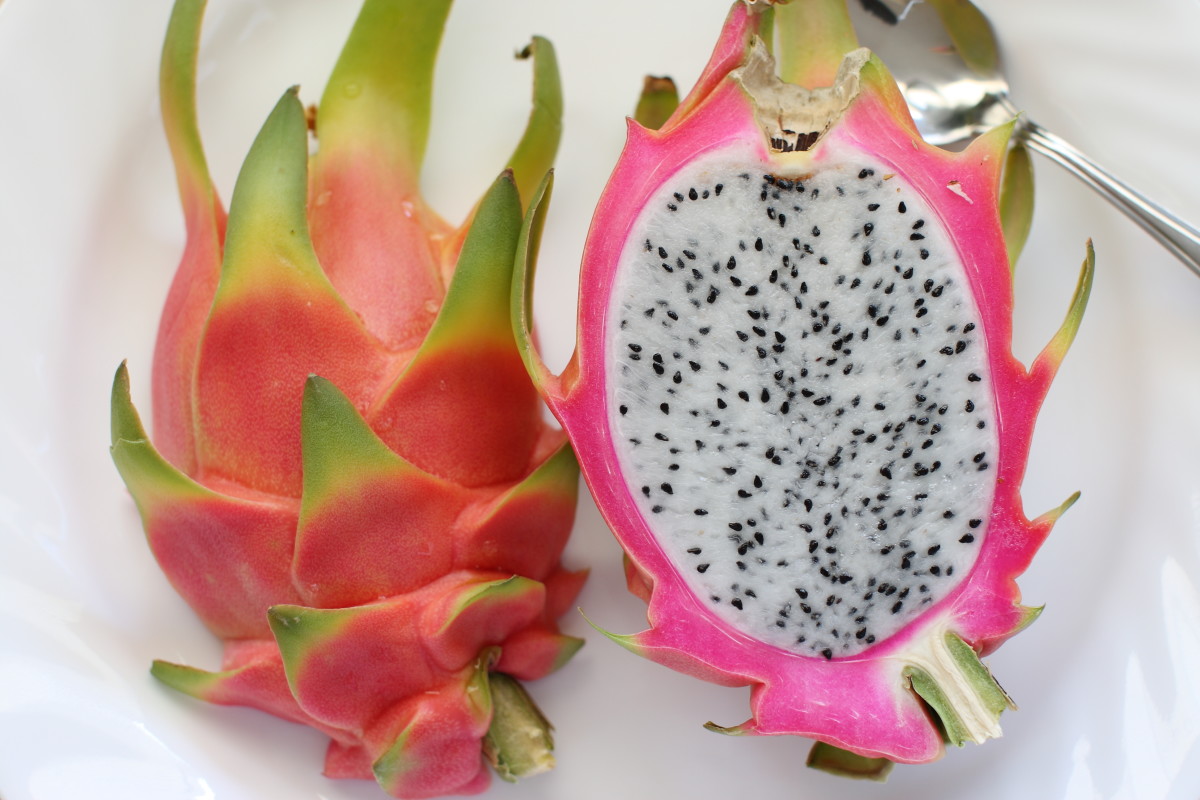
The fruitarian diet consists of raw fruit and seeds only and this means avoiding all cooked food. Fruit contains vitamins and phytochemcials.
Fruits provide us with health-enhancing vitamins and phytochemcials as well as fiber.
Phytochemcials are non-nutritive plant chemicals that have protective or disease preventive properties. There are more than thousand known phytochemcials.
The word raw is very important in this definition because it eliminates beans from the fruitarian diet. Beans are seeds but they must be cooked to eat.
My first concern when I was thinking about the fruitarian lifestyle was I have Type 2 diabetes and while I do eat some sugar, the amount is quite small. A diet that consists of only fruit seems to be one that would provide more sugar intake than I can safely handle.
If you have diabetes there is no reason to avoid fruit in your diet, in fact a bit each day is a wise plan. What is important is which fruits you eat and how often you consume them.
The Glycemic index (GI) will help you make these decisions. The GI is a measure of how fast carbohydrate foods (which include fruits) are converted in the body to blood glucose.
If you look at the GI index you will see there are big differences between fruits. Choose fruits that rank low on the Glycemic index. Low rankings are those that score below 55, intermediate-GI foods score between 55 and 70 and high GI foods score above 70.
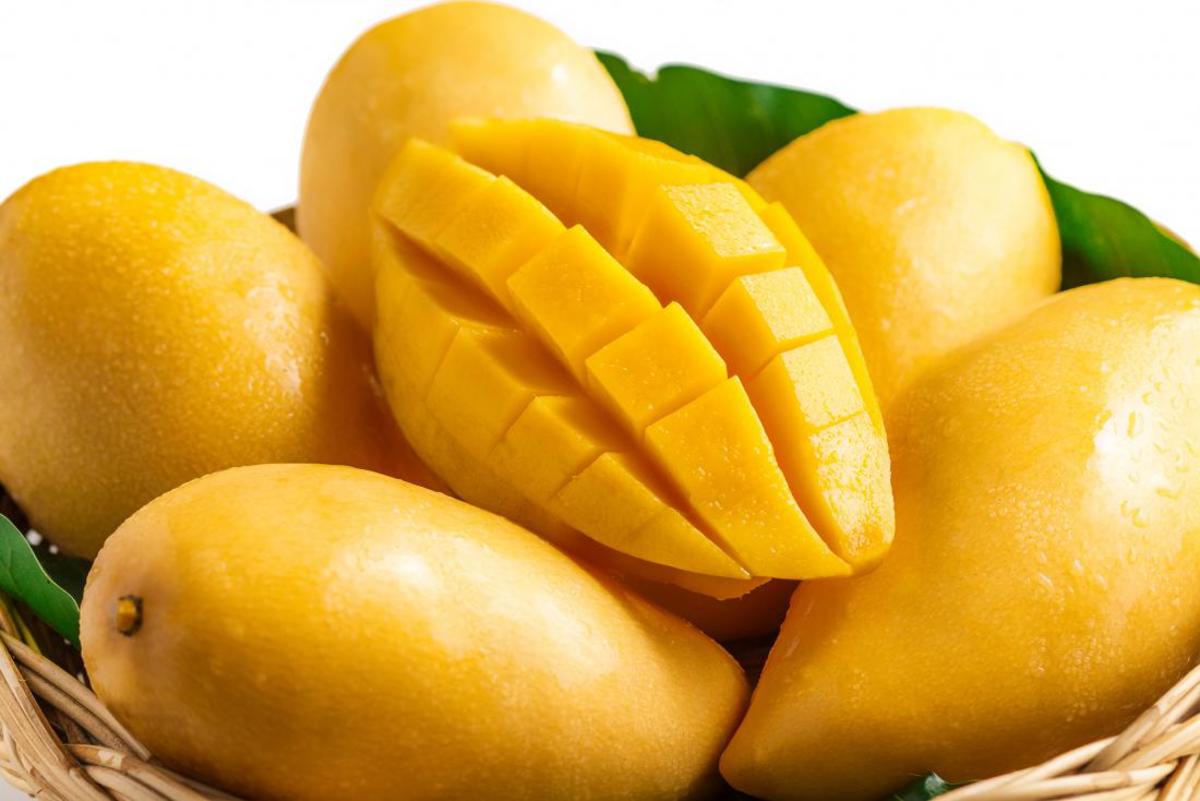
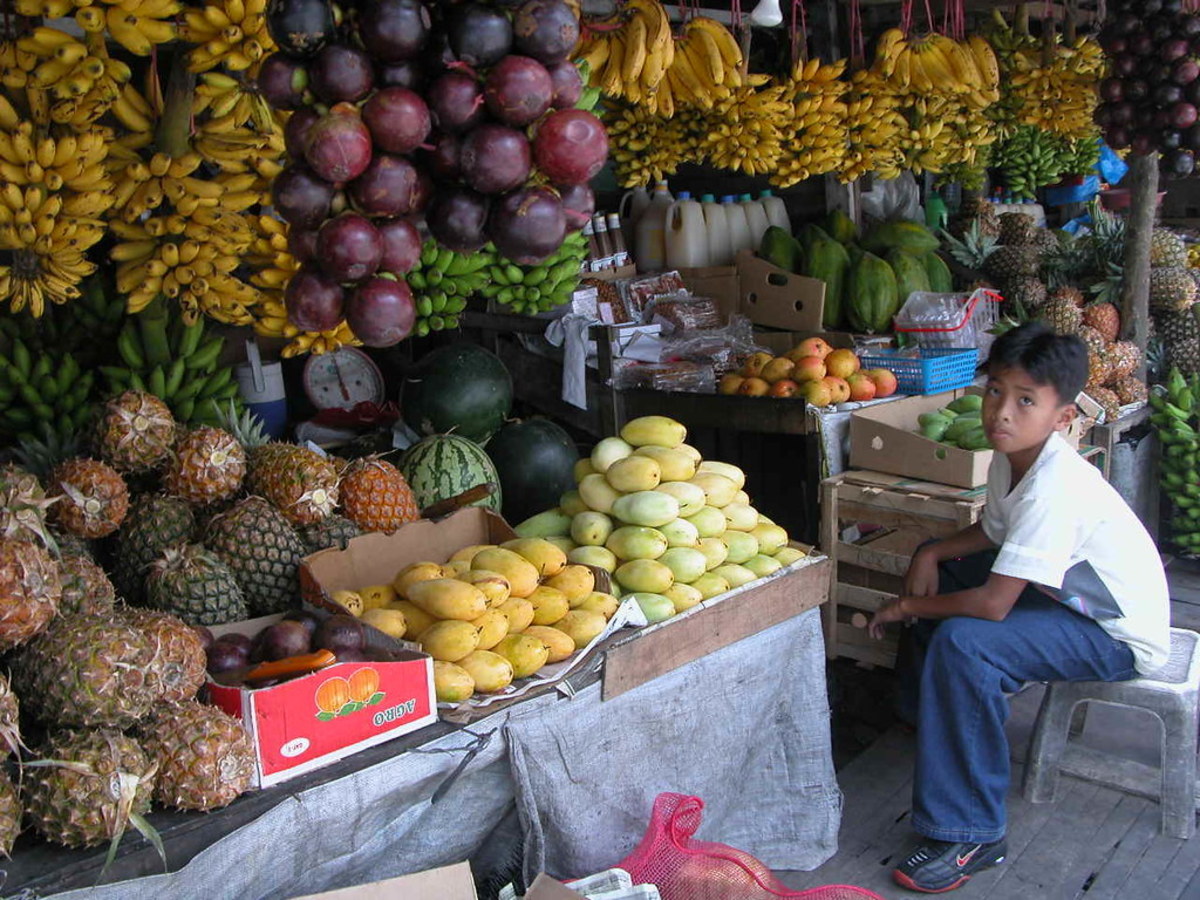
In addition, to sugar intake, a major concern for me would be the lack of variety of acceptable food where I live. There are apples, organs and bananas in the stores, well not always bananas.There are mangoes and kiwis and papayas, grapes and raisins too.
The frozen section does contain more variety but the items are often quite pricey.
A secondary concern is I want to buy foods that are grown within 100 miles of where I live and when it comes to fruit, this is pretty much apples, pears, blueberries and strawberries; all delicious and healthy but I need more variety.
The environmental consequences of shipping food long distances is a reality that cannot be lightly tossed aside and much of what we eat as fruit in Canada, for example, travels a very long way to get to our tables.
A fruitarian diet would lead to weight loss of that I am certain but the adjustment phase as you move from a cooked meat diet to a fruit one may require you to remain near home for the first while to avoid any potential public emergencies as the body adjusted.
It may be a great way to cleanse the body several times a year though especially after the over consumption that often accompanies various holiday seasons.
I have no plans to become a fruitarian but will continue to explore the possibilities.