Why is it Sometimes Difficult to Lose or Gain Weight


Weight Control Theroy
You may have asked yourself the question, why am I unable to lose weight or gain weight? Well, based on what I have learned while I was studying exercise physiology, the setpoint theory could have been the main contributory factor.
What is this Setpoint Theroy? In brief, the "Setpoint" theory is a scientific theory that seeks to explain why the body tends to resist weight loss or weight gain efforts using its own natural weight control mechanism.
According to scientists, each person has this genetically pre-determined body weight that his/her body thinks is most ideal, and seeks to maintain, via a weight regulation mechanism refer to as the "Setpoint". The body will do all that it can, just to ensure it maintains this weight range at all times. In essence, the Setpoint works somewhat like a thermostat.
As a result, if one should decide to embark on a diet or exercise program designed to gain or lose weight, the setpoint will detect this and quickly triggers off a mechanism which allows the body to take the necessary or appropriate actions to make sure a fairly constant body weight is being maintained.
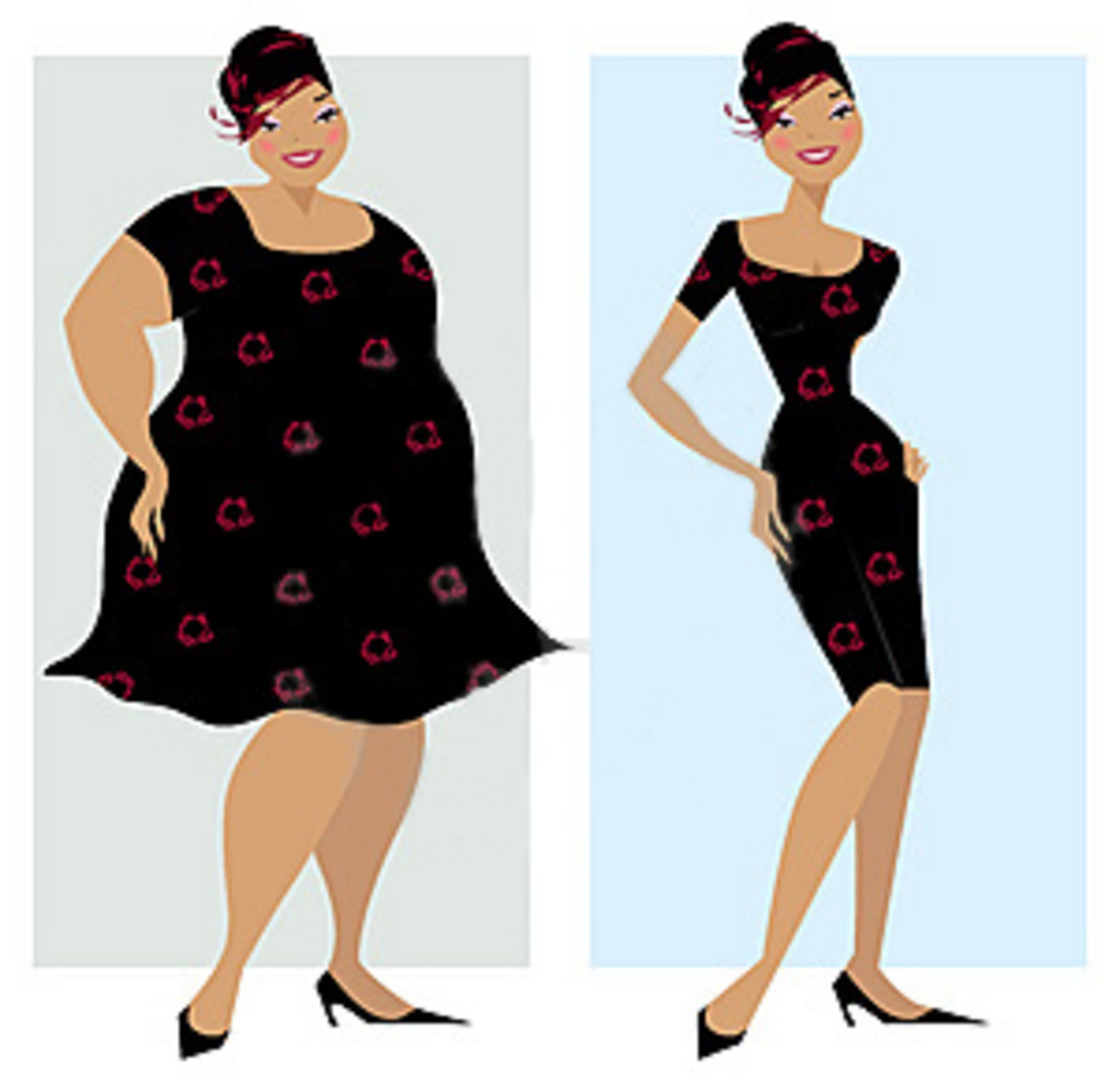
The point is, one may take all the initiatives to increase their daily caloric intake over a period of time, yet they are unable to significantly gain body weight. Likewise, another person may lower their daily caloric intake, over a period of time, but still unable to lose weight significantly. This is primarily due to the body's own weight regulation mechanism.
You might want to ask the question, as to how the setpoint works to make sure this desired body weight is constantly achieved? Well, like I have mentioned above, the setpoint operates somewhat like a thermostat for body fat. It is a genetic instinct, vital for survival.
When someone attempts to gain weight, the setpoint senses this change and triggers off a weight-regulating mechanism that deliberately causes a decrease in a person's appetite or causes the body to burn excess calories. When it senses a decrease in body weight, due to dieting, it triggers off the weight-regulating mechanism which either causes an increase in the person's appetite or forces his or her body to conserve more energy.
Each person has his/her own certain body fat percentage that has been established by the setpoint at birth, according to scientists. Because everyone does not have the same setpoint, different people tend to lose or gain weight at different rates. Thus, although the diet and exercise regiments may be the same, the results may differ from one individual to another.
Due to the way this body weight regulation mechanism operates, it can make weight loss seemingly a tough process. Because of this mechanism, many people have become frustrated and have either given up, or have been thinking about giving up their weight control effort.
However, the fact is, this mechanism can be offset with simple painless and enjoyable weight loss approach. There shouldn't be any question in your mind as to whether weight control can really be achieved with the correct regimen!
A regimen which include Aerobic exercise and strength training, in combination with a diet consisting of complex carbohydrates and low in fat is believed to be the best way to offset the setpoint. Experts believe this will lower the setpoint and cause a reduction in fat weight. Contrarily, a diet high in fats and refined carbohydrates seems to raise the setpoint, according to scientists.
Conclusion
The setpoint theory is believed to be a rational explanation as to why some obese or overweight people have such difficult time losing weigh while others easily succeed. You should also be aware that this genetically pre-determined weight control mechanism differs from individual to individual. As a result, everyone may have a different pre-established weight.