Why and How You Need to Take CoQ10

What is CoQ10?
CoQ10 is a coenzyme – an organic molecule that’s loosely bound to an enzyme and helps the enzyme function. Since co-enzyme Q 10 has ten subunits in the quinine chemical group, it’s commonly referred to simply as CoQ10.
CoQ10 is part of almost every cell in the human body, especially in the mitochondria. It’s similar to a vitamin and is oil soluble. It helps the body turn carbohydrates and fats into energy by converting them to ATP. Almost all of your energy is produced in this manner. High concentrations of CoQ10 are found in the heart, where it has a major impact on the heart’s rate. The liver, another high energy demand organ, is also abundant with the coenzyme.
Why should I take it?
When a recent poll asked physicians which supplement or vitamin they should take if they could only take one, the winning answer was CoQ10.
You need CoQ10 for the general functioning of your body. When you’re young and healthy, this isn’t usually a problem. As you age, however, your CoQ10 levels gradually decrease over time, and low levels of the coenzyme have been indicated in numerous diseases and conditions. CoQ10 levels begin to deplete after the age of twenty in most individuals.
Most of the clinical studies involving CoQ10 have been related to heart disease. When patients with unhealthy heart function were given CoQ10 in addition to more traditional medications, their heart function showed a consistent improvement. They experienced fewer episodes of chest pain, heart palpitations, and dyspnea, and they found that they had more energy.
In patients with congestive heart failure who began taking CoQ10 supplements early in their diagnoses, dramatic improvements were observed. In fact, after taking CoQ10 alone, with no other medications, some patients’ hearts actually returned to normal function and almost to normal size.
Clinical studies in the U.S., Italy, Japan, Germany, and Sweden have reported that CoQ10 appears to be very safe and effective in the treatment of heart disease – most notably in the treatment of congestive heart failure. They concluded that the coenzyme significantly improved cardiac muscle function and caused no negative side effects. In addition, no serious drug interactions were noted.
CoQ10 has also been linked to reducing elevated blood pressure. Dr. Peter Langsjoen, a noted researcher and cardiologist, conducted a test that involved patients suffering from hypertension. He discovered that by adding CoQ10 supplements, about half of the subjects who had been taking three daily medications in order to control their blood pressure were able to eliminate at least one, and sometimes two, of their cardiovascular drugs with CoQ10 therapy.
CoQ10 is a powerful antioxidant that helps decrease and eliminate the damage done by free radicals, and it plays an important role in the fight against cancer – especially against malignant tumors. It’s often given to patients with breast cancer.
Mounting evidence also indicates that CoQ10 might decrease the advancement of Parkinson’s Disease. Since the disease affects the mitochondria, and the coenzyme plays a major role there, CoQ10 is under further study now for Parkinson’s.
In a 2002 study conducted by Dr. Clifford Shultz, patients who received 1200mg a day of CoQ10 experienced 44% fewer physical and mental disabilities than the group who didn’t receive the coenzyme.
Even more exciting are the studies that have been performed involving CoQ10 and Alzheimer’s Disease. Results from Johns Hopkins and the University of South Carolina showed that rats with brain cell damage improved significantly when fed CoQ10 daily. Researchers believe that the coenzyme inhibits the oxidative stress that damages the brain cells. If it can do the same thing in humans, it provides real hope in the treatment and prevention of Alzheimer’s .
CoQ10 has also been linked to weight loss, improved sperm count, and healthy gums, and in the treatment of muscular dystrophy and HIV/Aids.
How much should I take?
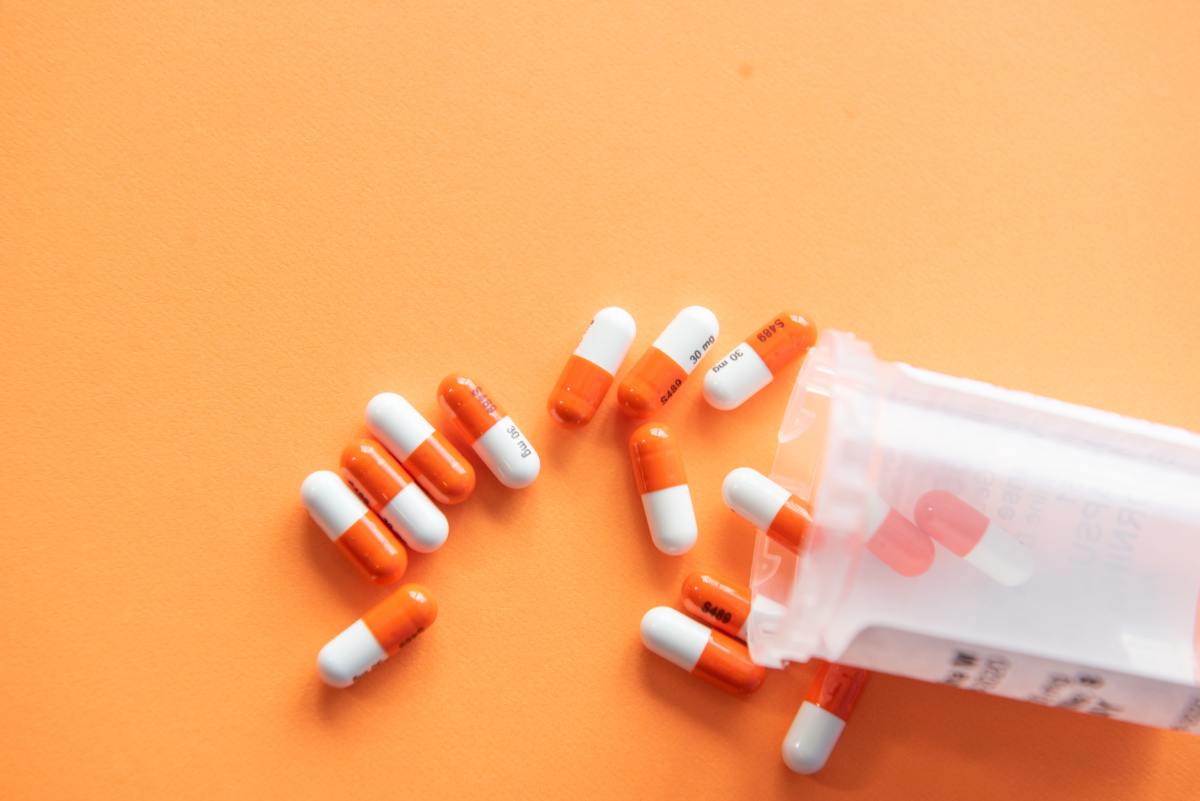
Unfortunately, the main food sources of CoQ10 are ones that few people eat on a regular basis. These include herring, mackerel, and organ meats. Fortunately, CoQ10 is readily available in supplement form, usually as a soft gel cap.
Recommended dosage varies from expert to expert and from patient to patient. Some physicians recommend 50-100mg a day, but other patients might require 200-300mg per day in order to achieve the same blood levels of CoQ10. For patients with congestive heart failure or cancer, their doctors might recommend taking 400-600mg per day.
People taking statin drugs to reduce LDL cholesterol might need extra CoQ10. Drugs like Lipitor and Crestor can inhibit the body’s production of CoQ10 by as much as 40%. Some doctors think this is the reason so many people on statins experience muscle aches and muscle cramps. If you’re taking a statin, ask your doctor about supplemental CoQ10.
Because CoQ10 is fat-soluble, it’s best to take it with a fatty food. In fact, it is most easily absorbed by the body when it’s actually consumed with a food containing a good bit of fat. For maximum absorption, break the gel cap open and chew the CoQ10 with a fat. You won’t mind the subtle taste.
What are the side effects?
CoQ10 is generally considered very safe. Side effects are rarely serious. If you’re allergic to the supplement, you might experience a rash, itching, nausea, vomiting, swelling, or difficulty breathing. Other side effects might include dizziness, heartburn, or indigestion. See your doctor if you experience any of the above.
CoQ10 should not be given to children unless prescribed by a physician. There have been no studies of the effects of CoQ10 on children.
Where can I find CoQ10?
CoQ10 can be found at just about any pharmacy, but you’ll find the best deals online.
Before beginning any new vitamin or supplement, discuss it with your doctor. Depending on your health and the medications you’re taking, he’ll be able to give you advice about how much CoQ10 you need to take.
Read more about health by clicking the article links below the Amazon products.
Read more about health and supplements:
- Should You Be Taking Niacin?
Several months ago, my doctor suggested I start taking niacin. My LDL cholesterol the bad cholesterol was fine, but my HDL cholesterol, the good cholesterol, was too low. I discovered that... - Menopause: What Your Doctor Might Not Tell You! Doctor Video Included
I know menopause. I suffered through it with my mother, and Im just now coming out of it on the other side, myself. Im writing this in an effort to help other women who might be going through what my... - Improving Fertility without Drugs: 25 Tips
Fertility rates in the US have sharply declined over the last few decades. Thousands of couples today have trouble conceiving. Doctors are not completely sure what has caused the decline, but several... - How to Get Social Security Disability
Note: If you're trying to scam the government with a false claim of an injury, illness, or condition, read no further. This article is to help people who are legitimately unable to work a full time job... - Super Food: How and Why to Consume Pomegranate
Pomegranates have quickly gained a reputation as a super food with lots of potential health benefits. The juice is loaded with antioxidants. In fact, pomegranate juice has three times the amount of...