Women And Heart Disease


Symptoms Of Heart Disease In Women Are Sometimes Not Taken Seriously
Life is beautiful - it's a gift from above that we enjoy with our families and friends. We enjoy our hobbies, careers and sports. We go on vacations and enjoy many other activities but we can't enjoy these things if our health is not a priority.
We as women have to stick together on certain issues in life, one of the most important issues being our heart's health. There are many reasons why we put our health needs last and ignore symptoms that could be serious. We are busier than ever with more responsibilities in our lives which keep us from seeking regular health care.
We are caretakers, have full times jobs and sometimes work a second job. We go to school and work, help the kids with their school work, cook, perform housekeeping tasks and we take care of the dog and cat. We are on organizations, go to PTA meetings, pick up the kids from their activities, take the kids places, do the laundry, grocery shopping, put the groceries away and the list goes on and on.
Women have heart disease too
For years heart disease was thought to be mostly a disease that men acquired, usually when a woman presented to the emergency room with a complaint of cardiac symptoms, she could have possibly been misdiagnosed as suffering from anxiety, nerves, upset stomach or some other minor problem. Now it is a known fact that heart disease is the number one killer of American women. Many women are having their first heart attack at younger ages than ever before.
Women are usually last on the list to go to the doctor when something does not feel right in their body, we usually pay more attention to our childrens' health, spouses's or significant others' health or our parents' health. There are many times when we may reach for an over the counter medication and hope that the "minor" ailment will go away. Too many women are now ignoring the symptoms that may be symptoms of heart disease.
Symptoms Of Heart Disease In Women
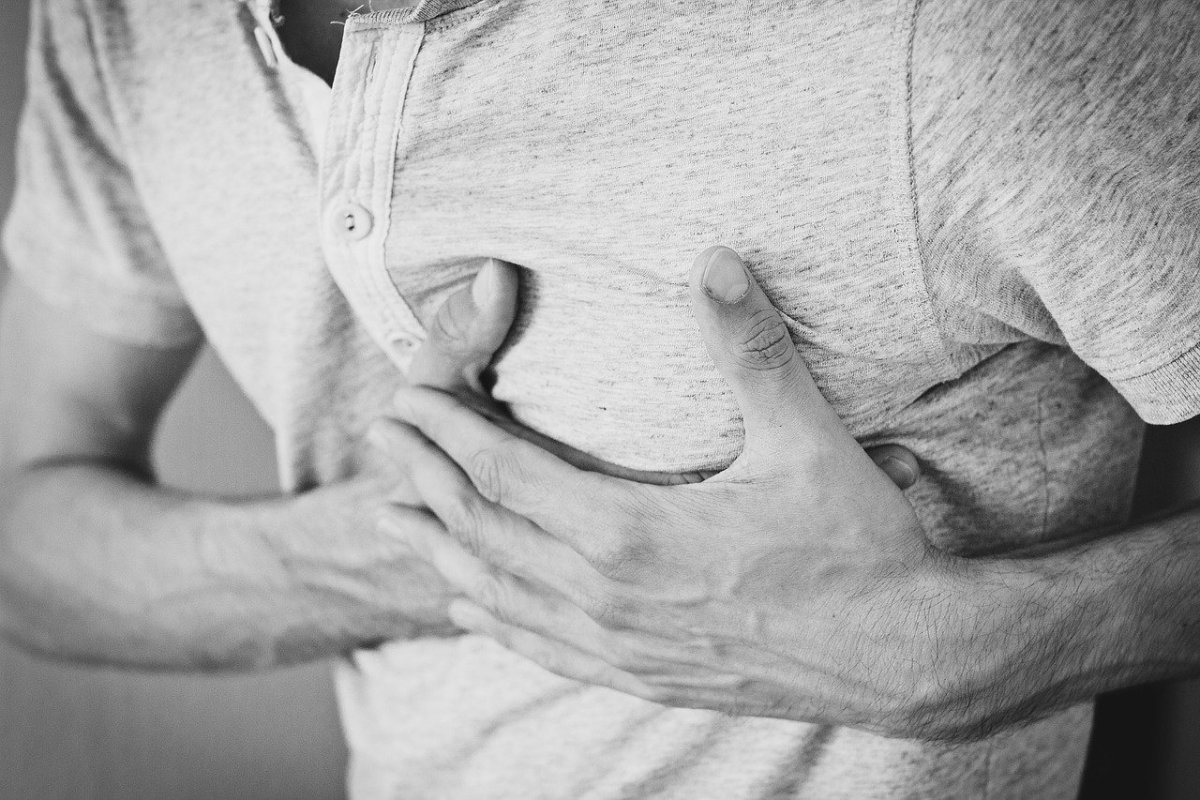
The symptoms of heart disease women experience are very different than the symptoms a man would experience. Since the symptoms a woman may experience may seem minor they are more likely to be ignored. Symptoms are stomach upset, back pain, nausea, vomiting and dizziness. Some may experience feeling lightheaded and could possibly black out, have pain in one or both arms, heart palpitations, shortness of breath, pain in one side of the jaw and acid indigestion. The number one symptom of heart attack is still chest pain or tightness.
Heart disease Facts for Women
Only 13% of women view heart disease as a health threat even though it is womens number one killer . (University of Wisconsin).
- There are 8 million American women living with heart disease today.
- 1 in 4 women has some form of cardiovascular disease.
- 1 in 2 American women dies from cardiovascular disease: it claims the lives of nearly 500,000 women each year. That’s about one death every minute.
- Since 1984, the number of female deaths from cardiovascular disease has exceeded that of males.
- Cardiovascular disease is a particularly important problem among minority women. The death rate due to cardiovascular disease is substantially higher in African-American women than in Caucasian women.
- Nearly 39 percent of all female deaths in America occur from cardiovascular disease.
- This year, an estimated 345,000 women will have a heart attack. Heart attacks occur an average of 10 years later in women than in men.
- 38 percent of women compared to 25 percent of men will die within one year of having a heart attack.
- The rate of coronary heart disease in women after menopause is 2 to 3 times that of women the same age before menopause.
- 64 percent of women who die suddenly because of coronary heart disease had no previous symptoms
(Above facts are from the Cleveland Clinic)
There are a number of risk factors of heart disease which are both modifiable and non-modifiable.
Modifiable Factors
Cigarette Smoking - Smoking by itself increases one risk for cardiovascular disease, it increases blood pressure and can cause the blood to clot. When women use oral contraceptives and smoke, the risk for heart disease is greatly increased. (American Heart Association)
Alcohol use -Too much alcohol can increase triglycerides in the blood, increase blood pressure and cause heart failure. Men should try to limit their alcohol intake to 1 - 2 glass per day and women glass per day. (A drink is one 12 oz. beer, 4 oz. of wine, 1.5 oz. of 80-proof spirits, or 1 oz. of 100 proof spirits). It is recommended by the American Heart Association for people not to start drinking if they don't already do so. (American Heart Association)
High Blood Pressure - When blood pressure goes up, the heart has to work harder putting the heart and blood vessels under a strain, over time high blood pressure damages the vessels of the heart causing cardiovascular disease. High blood pressure is known as the "silent killer" because many people with high blood pressure do not have symptoms.(University of Iowa Health Topics)
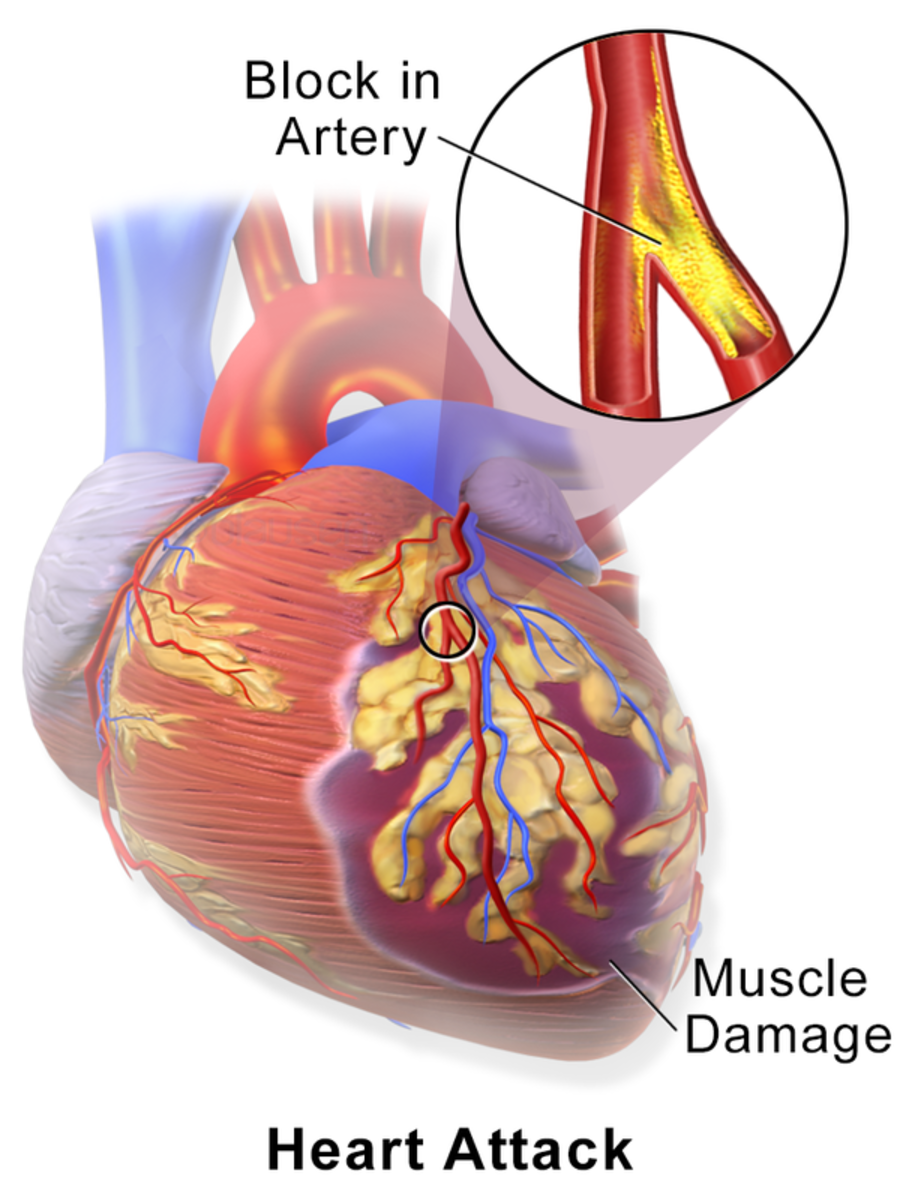
High Cholesterol and High Triglycerides - When there is too much cholesterol in your blood, it builds up in the walls of your arteries. Over time, this buildup causes the arteries to become narrowed and blood flow to the heart is slowed down or blocked. The blood carries oxygen to the heart, and if enough blood and oxygen cannot reach your heart, you may suffer chest pain. If the blood supply to a portion of the heart is completely cut off by a blockage, the result is a heart attack.(National Cholesterol Education Program)
Get to know your cholesterols and your numbers
- Total cholesterol - all the cholesterols combined
- HDL cholesterol - often called "good" cholesterol
- LDL cholesterol - often called "bad" cholesterol
The recommended values for adults are different depending certain risk factors, but in general:
- LDL: 70-130 mg/dL (lower numbers are better)
- HDL: more than 40-60 mg/dL (high numbers are better)
- Total cholesterol: less than 200 mg/dL (lower numbers are better)
- Triglycerides: 10-150 mg/dL (lower numbers are better) (American Heart Association)
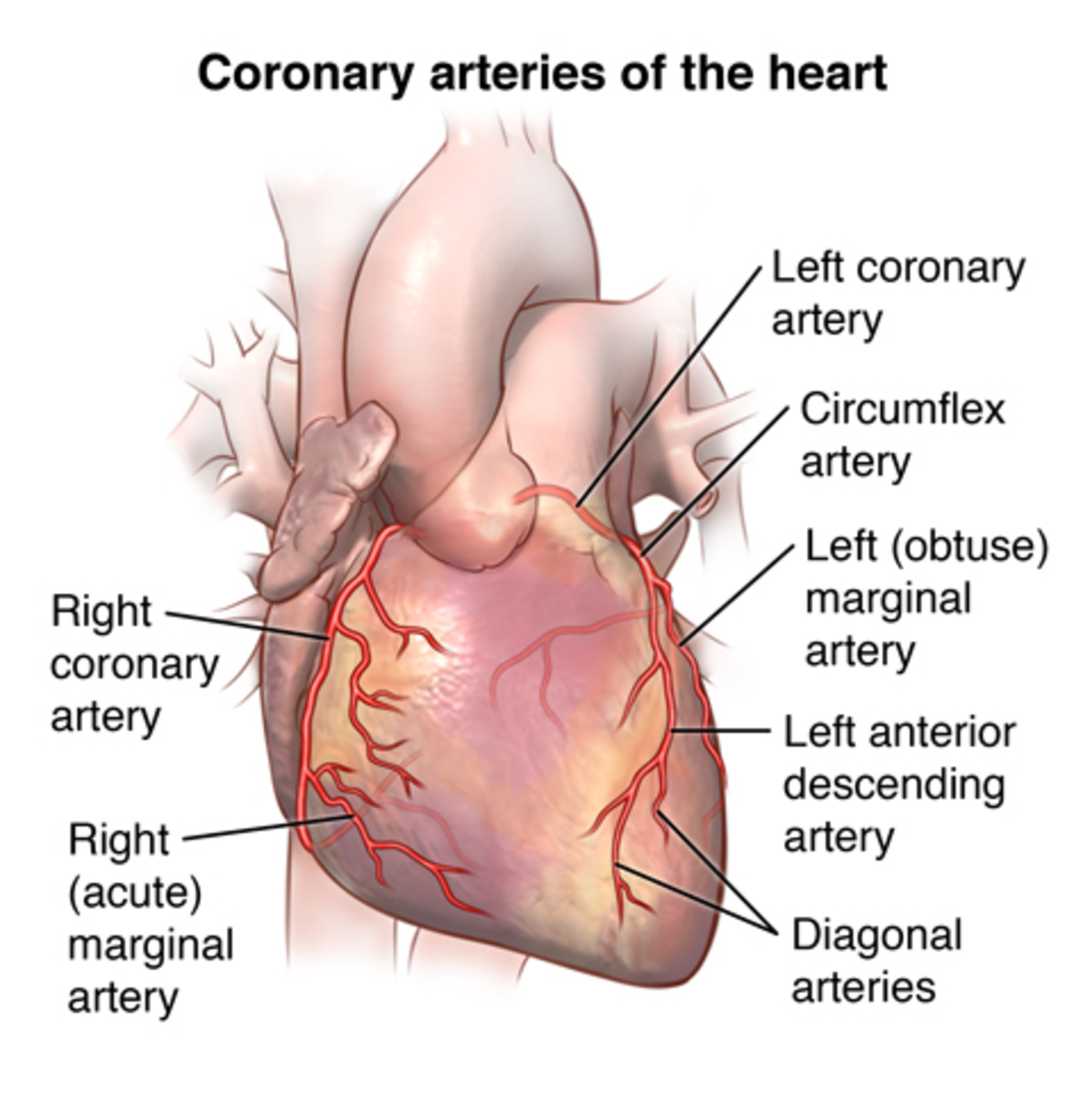
Obesity - Excess weight and obesity greatly increases the likelihood of developing coronary artery disease (CAD). This occurs when the arteries supplying blood to the heart muscle become narrowed impeding blood flow to the heart increasing the risk of heart attack.
Unhealthy Diet - increases cholesterol and triglycerides in your blood increasing your risk for cardiovascular disease.
Non-Modifiable Factors
Getting older, having a strong history of cardiovascular problems, gender - males are more likely to develop cardiovascular disease than pre menapausal women, however, after menapause, a woman's risk is very similar to a mans.
Ethnicity - Persons of African American or Asian decent are at higher risks.

Let's Get Healthy
OK, let's talk about the modifiable risk, there are a number of them out there that can really improve your heart's health and lower your risk of developing cardiovascular disease or lower your risk of heart attack if you've already been diagnosed as having cardiovascular disease.
See your PCP - Try to see your primary care provider yearly. A way to help you remember is to have an appointment made around your birthday. Seeing your doctor on a regularly will increase your chances of staying healthy longer and diagnosing any potential health problems early which could save your life
Quit smoking - if you quit smoking you can significantly lower your risk of heart disease no matter how long you have been smoking. Talk to your primary care provider about the various treatments available to aide with smoking cessation.
Weight - Being overweight increases one's risk of cardiovascular disease. A healthy weight loss diet taking the pounds off slowly especially by increasing physical activity will benefit your heart tremendously. Your primary care provider can arrange for you to see a nutritionist or dietitian to develop a personal weight loss plan.
Diet - Start watching your cholesterol. Try to limit your saturated fats which is the main dietary cause of high cholesterol and is found mostly in animal products, and to increase your polyunsaturated and monounsaturated fats which is found in fish, nuts, seeds and oils from plants. These types of fats can help to lower your bad cholesterol (LDL) and raise your good cholesterol (HDL).
Conclusion
If we women stick together and encourage one another to make heart healthy choices everyday we would be able to live longer and enjoy all of the many wonderful blessings life has for us and our families.
To Your Heart's Health!
University of Wisconsin
- 10 Ways to Take Charge Of Your Health
This link give 10 good tips for a health heart.
Give hubpages a try!
- http://hubpages.com/
If you have a passion to share with the world, join hubpages and start writing about it. Hubpages is a wonderful place to write and share your knowledge with people all over the world. You and many others will benefit from it.