Hydroponic Horticulture Has Advanced Our Food Supply


BaddAss Grow Ventilation Tactics--Erik Biksa
http://www.advancednutrients.com presents Hydroponics Secrets giving hydroponics growing BaddAss ventilation tactics for grow room cooling, de-humidification and air movement with host Erik Biksa. Please check out Erik's other videos at http://www.youtube.com/user/hydroponicssecrets
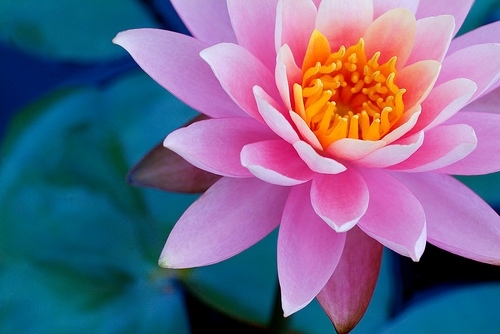
Shallow Water Culture - Hydroponic Lettuce
Dry Hydroponics Inc. from Holland demonstrate their Shallow Water Culture Hydroponic Lettuce Production System.

Greenway Hydroponics System, New Jersey
A tour of the new Greenway Hdroponics Farm in New Jersey.
Spannabis 2012 Big Mike Interview part 1
We interview Big Mike during Spannabis 2012...http://www.urbangroweronline.com/
Strawberry Fields Hydroponic Strawberries
This is a short video inteview with Doug Eldred from the Skaneateles area, farming over 1400 acres. After much research about hydroponic growing, he and his wife, Linda decided to open Strawberry Fields U-Pick Hydroponic Farm in July of 2009. I shot this footage with my iPhone and edited it with iMovie. My Hydroponic/Aquaponic club bought one of their strawberry systems and have it operating at our school.

Hydroponic Roma tomatoes show signs of growing up!
while checking on my roma tomatoes todat, I discovered that they have little flower buds developing....no flowers yet, but almost =P
Spannabis 2012 Project Green
Curt and I go into a Spanish grow shop called Project Green..http://www.urbangroweronline.com/
Hydroponic Strawberries
This is a walk through my hydroponic strawberry farm.
UW grad student's hydroponic tower system grows lots of veggies
UW Ph.D. candidate Nate Storey describes his hydroponic tower system that uses fish to provide nutrients for his main product -- vegetables. He tied for first in the 2011 Wyoming $10K Entrepreneurship Competition through the UW College of Business this past spring
Does Medical Marijuana Cause Paranoia?
Some medical marijuana users report intense, sudden, unjustified fear, verging on paranoia, after smoking strong marijuana, especially Sativa strains. I call this “maranoia,” and I’ve experienced it myself.
In a later article, we'll explore how to recognize and banish maranoia. In today's article I am also detailing another type of marijuana-related paranoia. This type of paranoia occurs in the hydroponics industry itself. Here’s the interesting situation…
We've all heard of Maximum Yield—an influential powerhouse in the hydroponics industry. For many years, Maximum Yield was the only glossy, non-marijuana hydroponics magazine.
Further, Maximum Yield organizes and hosts the only annual series of hydroponics “indoor gardening expo” events in North America. Maximum Yield expos provide unique opportunities for hydroponics companies and growers to network and view hydroponics merchandise.
Maximum Yield expos are as professionally run as any high-end trade show. It's a perfect time for hydroponics businesspeople to catch up on international hydroponics industry news, and for thousands of growers to see a massive hall filled with wicked hydroponics gear and people who love hydroponics. The expos are fun...and good for business!
Read more...
http://bigbudsmag.com/grow/article/does-medical-marijuana-cause-paranoia-february-2012
NFT / DWC Hydroponic Vegetable Garden 30 day timelapse
NFT / DWC Hydroponic vegetable garden over the course of 30 days, timelapse footage. I had to move a few of the plants around so the continuity is a bit funny but its really amazing watching these things grow over the course of 30 days
Hydroponics Dutch Bucket Tomato 30 Day Growth - Amazing !
Slide Show of Hydroponics Dutch Bucket Tomato growth from Day 1 to Day 30. Build This Now ! http://www.youtube.com/watch?v=FJpxiEXPkXQ&feature=related
Fresh Basil from Gro-Rite Greenhouses
Take a look at how Gro-Rite Greenhouses in Belvidere, NJ grows fresh basic using a computerized hydroponic system. From seedling to around 6 weeks. Now you can have fresh basil all year round.
Inside Medical Marijuana: Lab-Testing Opens New Territory for Growers and Consumers
Ever wondered why one strain of marijuana locks you to your couch, while another strain sends your mind into a million creative directions and you jump up and exercise for two hours? Or maybe you're a grower wanting to harvest at just the right time so you get maximum payoff from your marijuana.
Now you can find the answers by looking at cutting-edge marijuana research that opens up incredible potential for hydroponics marijuana growers and tokers. Where is this marijuana research data coming from? The marijuana testing industry, that’s where.
The value of using scientific testing to analyze marijuana potency and quality became more obvious when I was interviewing Michael “Big Mike” Straumietis, co-founder of hydroponics manufacturer Advanced Nutrients. Straumietis insisted that Advanced Nutrients produces heavier and more potent marijuana when compared to hydroponics nutrients made by General Hydroponics, Canna and other hydroponics companies.
“We put a bunch of clones from the same mothers in a grow room and fed them different nutrient brands. Then we sent them in for cannabinoid testing. Take a look at these lab reports,” he said, handing me a stack of charts with spiky lines on them and lots of strange notations.
The reports came from a lab that uses gas chromatography (GC) to precisely chart the amounts and ratios of THC and other cannabinoids. The findings: not only did the Advanced Nutrients crop weigh more than crops grown with competing nutrients, it had way more THC.
Fast forward to 2011. At medical marijuana dispensaries in several states, growers and patients routinely rely on lab testing of marijuana.
Continue reading...
http://bigbudsmag.com/grow/article/inside-marijuana-lab-testing-opens-new-territory-growers-and-consumers-october-2011
Fresh Arugula Hydroponically Grown by Hollandia Produce
The owner of Hollandia Produce talks about the world's freshest arugula, hydroponically grown in Carpinteria, CA. http://www.livegourmet.com/arugula.html
Arugula, also known as rocket or rucola, is an aromatic leafy green with a delicious nutty and peppery flavor.
It's great in salads, in pastas, in pesto, on a sandwich, or as a garnish. Live Gourmet Living Arugula takes your favorite from ordinary to extraordinary.
Store it! In your refrigerators crisper section
Pick it! Remove the amount of leaves necessary for your recipe, rinse, and pat dry. Return any unused Arugula, roots and all to your refrigerators crisper section.
Enjoy it! Try other Live Gourmet ® specialty products found in your grocer's fresh produce section. For more recipes and use suggestions please visit our recipe section of our website.
Hydroponics Expert Erik Biksa talks about The pH Perfect System
High Times author & Hydroponics Secrets host Erik Biksa answers three important questions about Advanced Nutrients pH Perfect Bigger Yields Flowering System nutrients.
39 Aeroponic Pepper UPDATE (DAY 63)
The 39 peppers have been in the aeroponic rails for 63 days and are doing great. In this video I show fruiting, long reach buzz pollination, and general info on my grow. Please subscribe and comment. Thanks for Watching.
Hydroponic Growing - Basil
Basil from seed to harvest in 6 weeks
DIY 39 pepper Aeroponic System- EP. 1 (Rails)
EPISODE 1- The first in a series of videos detailing my homemeade aeroponic rail system that houses 39 pepper plants. This video details the rail construction and design and reasoning behind the build. Thanks for watching and please subscribe!!!
Growing The Top Exotic Hydroponics Marijuana Strains
Blue Dream, Haze, OG Kush, Diesel, Purps. Very kind bud, but getting tired of seeing the same marijuana strains over and over? The good news is it pays to grow what nobody else is growing, or what they’ve never even heard of!
When you can slide into your local smoky room or medical marijuana dispensary and offer exotic connoisseur strains, your rep goes up, and so does your bank account. So I’ve been digging hard to find marijuana that’ll give you cache and cash, and here are some lesser-known strains we don’t see enough of:
CannaSutra, from Delta-9 Seeds: This innovative Dutch seed company is on the rise as it focuses on rare landrace and hybridized strains. Among their best is CannaSutra, a mostly-Indica that comes from a mix of Reclining Buddha and Sensi Star. Even though CannaSutra is mostly-Indica, it has a stimulative rather than sedative high. Growers find it does well with a high-ppm feed program that includes Big Bud bloom booster.
Because CannaSutra is known as a late-season sprinter, you should also use Overdrive to increase weight and THC percentages in the final 2-3 weeks of bloom phase. CannaSutra has an average 65-70 day bloom phase, and can handle indoor hydroponics or outdoor environments. Trim early to create a densely-structured plant, and give a larger than average expanded root zone so you get big yields of this luscious, rare strain.
Qrazy Train, from TGA Genetics: Big Buds writer-photographer Subcool is also a world-class marijuana breeder! Not only does he create fun names for his strains, he also has a wide menu of excellent marijuana strains that run the gamut from Sativa to Indica and back again. Subcool is recognized as one of North America's most-respected cannabis breeders and his strains are increasingly valued in Europe, with praise coming in from Dutch marijuana breeders. His Qrazy Train is a 50-50 Indy/Sat that’s the result of a breeding program that involves hot strains like Jack the Ripper, Black Train Wreck, Trinity, Querkle, and Space Queen. You get a fast-growing marijuana that puts forth a high that is uplifting and body-aiding, with a large yield and a lot of resin.
Continue reading...
http://bigbudsmag.com/grow/article/growing-top-exotic-hydroponics-marijuana-strains-october-2011
Watch It Grow Hydroponics Video - Downey, CA - Home + Garden
Watch It Grow Hydroponics - Downey, CA
Top Marijuana Videos You're Sure to Love
Fully medicated and ready for some marijuana eye candy? Whether it's hydroponics how-to videos, Dutch marijuana grow rooms or hot girls smoking herb and getting sexy, the marijuana video universe is expanding faster than the speed of light. Tune in to Big Buds as we give you some of the craziest, smartest, and wildest marijuana videos ever...
* Visit India with the King of Cannabis: Arjan Roskam of Amsterdam's Green House coffeeshop and cannabis seed empire produces mind-bending cannabis genetics, sticky weed and hashish, and Hollywood-quality videos. In this video, he takes you deep into the heart of India's ganja-growing region. With professional cinematography, undercover journalism, Euro-trance soundtrack, massive cannabis fields and university-level ganja wisdom, you'll see why this HD video has a quarter of a million hits! Check out the really sweet scene when Arjan and the Green House Foundation donate an entire new home to help a struggling marijuana grower in the remote region that produces the highly-valued Malana Cream hashish. Arjan takes quite a courageous risk to document how the Indian government and multinational corporations are destroying the environment and using police forces in an attempt to rob indigenous Indians of their ability to live off the grid by growing marijuana and making Malana hashish.
Continue reading...
http://bigbudsmag.com/lifestyle/arts-entertainment/article/top-marijuana-videos-youre-sure-love-august-2011
Cheap Ebb and Flow homemade hydroponics system
Used 18 gallon rubbermaid container and basin from Ikea to make a real simple hydroponics system. For more details check out
EcoFactory - Detention Center Fish Farm with Debra Taylor: Part 2
www.ecofactory.com - Deputy Debra Taylor gives us a your through the hydroponic greenhouse and fish farm in the Sanford, Florida women's detention center. As a part of this program, certain inmates are allowed to help with the cultivating and harvesting of these fish and produce, which are then fed in the cafeteria or staff lounge, cutting costs in the prison. This operation is sustainable and gives the inmates a breath of fresh air. Part 2 of 2.
Home Made Hydroponics Marijuana Weed Indoor Grow Kit 600 watt HPS Autoflower Purple Jems
Its safe and discreet and very fast delivery!
Home Made Hydroponics Kit 600 watt HPS Autoflower Purple Jems
Vegetative Stage Nutrients: Super Foliage Spray you can purchase on the web-site.

UrbanGrower 50 pH Perfect Case Study
Remo, the Urban Grower, checks out some killer God Bud plants, during week 6 of flower from Reeferman Seeds, grown with pH Perfect from Advanced Nutrients...he says that it's the sugary-est buds he has ever seen, and HUGE! Remo has quite a following on his YouTube channel at http://www.youtube.com/urbangrower
Home made Outdoor Deep Water Culture (DWC) Hydroponics Part 2
This is the second video of my grow season. My tomato's just got flowers in the past week and I can already see some tomatoes starting to form. I have 4 big boy on the corners and 2 cherry tomato in the middle. My peppers are also doing well with a lot of flowers starting. I had one strawberry plant die on me and two of them aren't looking to good. I think my net pots are too big for the shallow root system of the strawberry's i don't know but that are not growing like I thought they would. If you have any questions let me know!

Melonhead Reflector From Advanced Nutrients
http://www.advancednutrients.com/melonhead A high quality, powder-coated lightweight (10 lbs) reflector for both HPS and MH bulbs. It is equipped with a glass tube around the bulb for better air flow and cooling, requiring a less powerful fan to do the cooling, and much quieter than other reflectors that have a glass covering and air turbulence within, which causes vibration of the reflector. The Melonhead does not vibrate like that. Covered by Advanced Nutrients 100% money-back guarantee!
Melonhead Reflector From Advanced Nutrients
Advanced Nutrients Grow, Bloom, Micro by AccessHydroponic.com
http://www.accesshydroponic.com/viewCategories.asp?idCategory=20 Advanced Nutrients scientists conducted extensive research on plant tissue samples and found plants perform best when the ratio of application of our GMB(Grow-Mirco-Bloom) is 1:1:1. Professional and Grand Master growers may have the experience to experiment with that ratio, but our test gardens have shown great results with 1:1:1. When our GMB is used with the Bigger Yields System, nutrient absorption is higher than ever before possible with any 3-part formula.
Advanced Nutrients GMB is manufactured with the latest coatings, chelates and processes, which means much more nutrition is absorbed by plants. That's why you use a lot less of our nutrients when compared to General Hydroponics, which is 25% weaker than our 3-part.
Boise Home Hydroponic Window Farm
Recently installed kitchen hydroponic windowfarm. Uses water pump to circulate the water from a 2 gallon reservoir through 10 hanging pots. Climbing rope is used to hang the pots. The system is hooked up to a timer that turns it on once for ten minutes every 3 hours to cut down on electricity use and keep the annoying pump noise to a minimum.
How to Grow Tomatoes - Hydroponic Beefsteak Tomatoes
This video shows how to grow hydroponic tomatoes in a greenhouse. Seven weeks from the time tomatoes were planted you can see all stages of fruits up to the flowers and the main crop work tasks are explained.
Drip Top Feed Hydroponic System Home-made Update
Here is an update showing the system I built after some plant growth.
Grow Hydroponics At Home
Amazing Hydroponic Secrets - Discover how you can grow organic
Drip Top Feed Hydroponic System Home-made
This is my first attempt to create a drip based hydroponic system.
I have painted the white bucket black to block light after this video was filmed.
I built this system with a 5 gallon reservoir. The pump is a 6.5 watt 60gph pond pump that if left running 24x7 would cost 8.7cents a month. The system only runs for 30 minutes every 3 hours. The way the system works is when the electricity is turned on the pump pumps water through rock wool, and it drips into the 2 gallon reservoir. As the reservoir fills up the fogger starts running. Once the 2 gallon reservoir fills 3/4 way to the top and overflow drain lets the water trickle back down to the 5 gallon reservoir splashing and creating oxygenation. The rest of the time the roots are in air and nutrient fog which provides plenty of air to the roots. The splashing that occurs when the pump is running oxygenates the reservoir enough. It is important to grow this in a medium that retains moisture as the pump is not always on. Also I build this system to support a single large rose bush. I do not have the space to dedicate to a multi pot setup. If I wanted I could add a Texas Controller to and add more pots to the system.
Ecofactory - Detention Center Hydroponic Greenhouse with Debra Taylor: Part 1
www.ecofactory.com - Deputy Debra Taylor gives us a your through the hydroponic greenhouse and fish farm in the Sanford, Florida women's detention center. As a part of this program, certain inmates are allowed to help with the cultivating and harvesting of these fish and produce, which are then fed in the cafeteria or staff lounge, cutting costs in the prison. This operation is sustainable and gives the inmates a breath of fresh air. Part 1 of 2.
Go Organics! with Jorge Cervantes
High everybody!! Spring is right around the corner and the northern hemisphere will be planting their gardens soon. Whether you're an indoor or outdoor grower, organics can be a great way to grow top quality cannabis without any harmful effects on the land. Just look at these plants, they speak for themselves! Go organics!!
Don't forget to subscribe for the latest Jorge Cervantes videos uploaded in 1080p HD!
Follow Jorge's adventures through the world of cannabis!
Home made Outdoor Deep Water Culture (DWC) Hydroponics Part 1
This is one week after I transferred my plants out of soil to my newly build deep water culture hydroponics system. They are 27 gallon containers, but I dont fill them up all the way. I only fill till the water level is one inch above my net pots. thats about 18 gallons. My pump is 70 liters per minute, its way over kill for only 60 gallons of water but I bought a big one because I plan on expanding. I have one 18" air stone in each super box. I will make an update video every one to two weeks. If you have any questions or comments please feel free to share! thanks!
Jungle Juice Grow, Micro, Bloom
http://www.advancednutrients.com/junglejuicegmb Click on this url to download a free pdf with details of the best deal in town. 40% off the same 3-part formula fertilizer as General Hydroponics Grow Micro Bloom. Advanced Nutrients Jungle Juice Grow Micro Bloom contains the exact same ingredients as the GH product, except Jungle Juice is pharmaceutical grade, made using RO water, and consistently uniform wherever in the world you buy this product. Why pay more? You save money by picking up the 3 containers of Jungle Juice at your hydroponics store today!
Hydroponic system (home made ebb and flood) week 1
35 l waterbase, advance nutrients, 12 l pots, 3 sativa 2 indica, 5 weeks of vegging, week 1 flowering
Cannabis Hydroponic Vertical Grow Room
http://www.bestseedbank.com/
Best Seed Bank Reviews, Ratings. If you are thinking of buying Marijuana Cannabis seeds you really need to check out Best Seed Bank first! all the latest Seed Bank Reviews left by real people. http://www.youtube.com/hydroponicssecrets
Archived from HG420 feb 2007 Heath Robinsons hydroponics cannabis, marijuana Vertical Grow Racks.
The following are my own notes on the thread, details all together for ease of understanding, etc. Maybe it will be helpful to others. * floor plan 4 ft by 6 ft * 4ft growing height * 2 600Watt lights hung vertically side by side * 7.5 litre (2 gallon) square pots, filled with hydroton * each site is fed by an individual tube, no drippers that clog * 3 rows vertically (2 rows after changes) * 84 sites with 3 row config(56 with 2 rows by my math) * fed from a 45 gallon reservoir with a 7000 litre per hour pump * gutters catch runoff and drain to a secondary reservoir * smaller pump on float switch empties secondary reservoir into main when full * feeding : 3 times a day for 15 minutes each * achieved 1.5 grams per watt running from rooted clones (damn)
How to build a hydroponic system part 2
This is part 2 of 2 on how to construct a simple hydroponics system with items that you can buy at a hardware store.
Jorge Cervantes: Medical Marijuana Outdoor Gardens Tour - 10lb.+ MEGA Plants!!
Produced by Jorge Cervantes
Videography/Edit by Valdudes http://www.youtube.com/valdudes
http://www.gabriolagarden.blogspot.com
Take Jorge's best information with you right in your pocket!
Download The Grower's Bible now available as an eBook:
http://amzn.to/mf2e3R
also available as an eBook: Marijuana Grow Basics
http://amzn.to/lMucXV
Don't forget to subscribe for the latest Jorge Cervantes videos uploaded in 1080p HD!
Follow Jorge's adventures through the world of cannabis!
American Hydroponics Greenhouse (2012 NFT system)
The process of producing basil.
Archi's Acres Video Tour of Commercial Hydroponics Operation
http://www.rosebudmag.com/Archipleys Archi's Acres is a commercial hydroponics operation also offering support to military veterans. Check out this video tour of their 2.5 acre organic farm near San Diego.
Aquaponics System in a Retractable Roof Greenhouse in Florida
Hydroponic Vertical Garden Finches and Water Lilies With Bee
http://www.growersunderground.com/ DIY hydroponic garden. This is my vertical garden. Started with the idea of getting the most production out of a small space. By growing in the vertical styrofoam pots, you insulate the roots of the plant keeping them warm in winter and cool in the summer. By planting in coco coir, you have a completely nutreal media free of alkanlinity and PH; coco coir is necessary when using these virtical pots.
Currently, I have 120 Florida 91 tomato plants (please google Florida 91 to learn more about this remarkable heat and disease resistant tomato developed by the University of Florida). Each plant has produced almost 10 pound of tomatoes since the end of December 2008 and are still producing tomatoes expected to go through the summer.
Read more on http://www.youtube.com/watch?v=j5_uDTBKavM
Connoisseur Potent Nutrients
http://www.advancednutrients.com/connoisseurconnoisseur & potency, presents Erik Biksa discussing nutrient feeding potency for Connoisseur Flowering A&B fertilizer in hydroponics and soilless gardens
Grow Room Cooling
http://www.advancednutrients.com/BiggerYieldsFloweringSystem.pdf grow room cooling, how to cool your hydroponics grow room when temperatures get too hot. With host Erik Biksa
Koi Aquaculture Goldfish
http://www.growersunderground.com/ Standard pool water, often exceeding the fish pool above 60cm, to children and old people it is quite dangerous.
But too .shallow water (20cm-40cm) Fish pool .It is often strongly sunshine cause temperature climb rapidly or on the winter drop cold current. And cause koi death.
Pass the tanning by the sun the easy deterioration too of water quality of sunshine, even water very shallow, can because thickness high to look the fish in green algate too.
shrimp and vegetables and human Symbiotic relationship
http://www.advancednutrients.com/hydroponics/index.php It is water utilizing the pump to take the central pool out, and produced pressure to suck large pond sludge of bottom of the pool, make sludge stay central little pool to precipitate. Floating board on the central pool, it was the aquatic plant, the large pool is general crop or medical plant.
Farms of the Future
To make room for nature, farms of the future may have to move off the land and into skyscrapers. Dickson Despommier explains his idea.
Farms of the Future
Hydroponics - Seoul's farm of the future
Hydroponics (From the Greek words hydro, water and ponos, labor) is a method of growing plants using mineral nutrient solutions, in water, without soil. The farm is actually inside the supermarket and the produce is actually grown in front of the consumer. The produce can be harvest all year long.
Hydroponics - Seoul's farm of the future
Root Stimulator
Advanced Nutrients: Tarantula best root stimulator, what is the best root stimulator or root innoculant to use for hydroponics and organics crops
Hydroponics Nutrients Mixing
GrowersUnderground.com hydroponics nutrients mixing, Erik Biksa discusses avoiding mistakes when mixing hydroponics nutrients together.
High Hopes For Vertical Farming
A UK based company has developed a method of vertical farming, using hydroponic growing techniques which don't require soil, saving space and energy.
Hydroponics | Vertical Farming

A Third More Growth in His Clone Factory With AN-THC Expose
http://www.advancednutrients.com Jacob has four hundred mother plants in his clone factory, supplying rooted clones to compassionate clubs in California. Since switching to Advanced Nutrients Micro, Grow, Bloom from GH (at the advice of Oaksterdam University), he gets a third more growth and four inches of roots per day!
A Third More Growth in His Clone Factory With AN-THC Expose
Robert does not like GH, is impressed with Kushie Kush at T
Robert has been growing medicinal marijuana for six years, both outdoors and indoors. He finds Advanced Nutrients superior to all medication nutrients; he is especially impressed with Kushie Kush, and the fact that Advanced had the balls to put it out there. He doesn't like to feed salts to his plants, thus he avoids GH. He finds that using AN, he needs to use less nutrients, thus saving money, yet getting bigger yields.
Grobot and pH PPM Perfect Hydroponics Nutrients
http://www.advancednutrients.com/ppmperfect Grobots and pH & PPM Perfect hydroponics nutrients, presents Hydroponics Secrets with Erik Biksa discussing using Grobots, automated grow room monitors and controllers with Advanced Nutrients pH & PPM Perfect hydroponics nutrients
Advanced Nutrients Bigger Yields Flowering System!

SENSI BLOOM
http://www.advancednutrients.com/sensibloom Check out this url in order to discover the backbone of the Advanced Nutrients Bigger Yields Flowering System! Sensi Bloom is now coated with a proprietary formula that is irresistible to roots. This is called the pH-PPM Perfect ™ Technology that is revolutionizing hydroponics and causing growers to get rid of their pH and PPM meters! With this technology, they have become unnecessary!
Now, you don't have to be an expert, grand master grower in order to get bigger, juicier, more aromatic, and more potent buds from your plants. All you have to do is put the same secret grand master growers have used to win every major growing competition in the world to use with your plants.
Here's the story: recently, a respected team of over a dozen plant scientists and graduate assistants discovered, after 109 man-years of research, how to combine 5 different plant improving formulas into one breakthrough 2-part bloom base nutrient.
What's more: you'll never have to worry about pH issues again because these scientists have completely eliminated the need for pH-PPM metering or even adjusting pH levels with their patented PPM Perfect technology.
All this in effect means it is now possible for even the most inexperienced hydroponics rookie to start experiencing "pro level" juicy yields and buds!
My Hydroponic Garden
My Hydroponic Garden
This is my second round of plants in my hydroponic room. Most of the container plants are being grown so we can put them outside in May.
Video Duration: 0:00:59
To learn more about home hydroponics systems, please subscribe to the best hydroponics newsletter on the web!
Bowl of peppers at the end is what's left of what we picked this weekend. We took a 85 hot peppers off of our 12 plants. There are still about 40 left on the plants, we're waiting for them to get a little bigger. Let me know what else you'd like to see.
hydroponics nutrients
No More PH-PPM Metering Or Adjusting
Here's how easy it's going to be for you, if the water you use to mix your nutrients has a pH between 4.5 and 8.5 (and that's pretty much everyone's water) then you'll never have to balance your pH or for that matter ever add a single drop of pH up or down to your reservoir. You'll have to agree that really makes growing a whole lot easier for you, doesn't it?
To join the revolution for bigger yields, check out the Growers Underground!
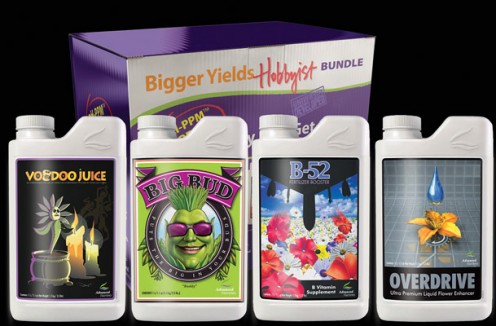
From roots to shoots and everything in between, your Hobbyist Bigger Yields Bundle contains the four proven formulas that will deliver precise nutrition to every part of your flowering plants...
- VooDoo Juice beneficial microbes. Hundreds of university studies have shown that bigger roots equal bigger yields. VooDoo Juice produces an enormous root mass during your flowering cycle and that means your plants will support bigger flowers. VooDoo Juice also makes your plants' roots grow faster so your plants will inhale the maximum amount of nutrients quicker for larger, faster-growing flowers.
- B-52 contains a unique blend of 9 different B vitamins keeping your plants healthy and driving hard during rapid flower formation.
- Big Bud, watch as your flowers swell up week after week. Your Bigger Yields Bundle contains legendary Big Bud, the bloom booster containing the perfect ratio of flower building L-amino acids and other awesome ingredients that power up flower metabolism and production
- Overdrive bloom enhancer, you've always wanted to maxout your flowers at the end phase of your bloom cycle, and that's why we're giving you Overdrive absolutely free. You use it in the last two weeks of bloom phase so your flowers really "pack on the weight".
The bottom line is the mighty band of scientists and research assistants have succeeded in liberating you from ever having to care about pH or PPM again. As if that wasn't enough... they also figured out how to standardize your products. You use just 4 ml per liter for the Systems base nutrients and 2 ml per liter for all supplements. So mixing and using them is ridiculously simple and quick.
I'm proud you've chosen to experience the power and simplicity of the weight shattering Bigger Yields Flowering System™, so you just plug and play, go have fun, and watch your flowers get significantly more valuable than you ever thought possible.
Here's something you should be aware of, I've staked my entire company on the revolutionary new formulas you hold in your hands right here, right now, inside this box. So here's my promise to you, and you can take this to the bank: you buy this Hobbyist Bundle™ box, along with one of our base nutrients, right now today, follow the easy instructions, and you are absolutely positively 100% guaranteed to get bigger yields while spending less time metering, mixing and measuring your nutrients.
PS- If your hydroponics store tries to sell you somebody else's nutrients, ask them if those other nutrient feeding programs, wheels, schedules or whatever give you the Systems pH-Perfect™ rock solid performance, a 100% Money Back Bigger Yields Guarantee, and free products.
Article Source: http://EzineArticles.com/4752140
Spannabis 2011 Big Mike Advanced Nutrients
Spannabis 2011 Big Mike Advanced Nutrients
It's the Urban Grower Remo interviewing Big Mike about Advanced Nutrients pH Perfect and the New Jungle Juice line.
Video Duration: 0:03:41
hydroponics roses
Using Home Hydroponics to Grow Roses
Regardless of whether you love the smell of fresh roses, or making potpourri from the petals, there is nothing quite like growing roses in your own garden. Unfortunately, many areas do not have a climate that will enable grafted roses to grow and thrive. Fortunately, you can easily grow roses with a home hydroponics system.
Have you always wanted to grow a perfect blue rose, along with green, black, and purple ones? As you may be aware, many of these exotic rose colors result from a variance in nutrients found in the soil. For example, if a blue roses is kept in a certain type of soil, it will take on a reddish color. In a similar way, a red rose bush may produce yellow roses when the pH of the soil is not optimal.
When you use a home hydroponics system to grow roses, you can be assured that each plant will get the exact nutrients that it needs. At the same time, you will always be able to control lighting and temperatures. This is especially important to consider if you want to experiment with grafting, as well as creating your own strains of roses. As you may be aware, successfully grafting roses requires a good bit of patience and effort.
There is no question that growing roses challenges many gardeners. At the same time, if you go to a florist, you may not always enjoy the smell of roses that have been sitting in a refrigerator. Fortunately, when you create a hydroponics system like the ones found in The Hydroponics Garden Collection, you will be able to do all kinds of fascinating experiments with roses. You may even find that you will be able to create a stunning new rose color, or even one with multi-colored petals.
Article Source: http://EzineArticles.com/2025129
Advantages of Hydroponic Gardening
Advantages of Hydroponic Gardening
From my site, hydroponics-simplified.com, we present a fun little video to introduce you to hydroponic gardening and share with you why we love it so much.... clean, healthy, tasty and exciting!
Video Duration: 0:03:57
hydroponics gardening
The History Of Hydroponics Throughout The Ages
Hydroponics has its beginnings alongside the formation of the first major civilizations. Hieroglyphic records show that the ancient Egyptians were probably the first people to attempt to grow plants in a soil-less environment. Some suspect that the hanging Gardens of Babylon may have used primitive hydroponic technology. The Roman Emperor Tiberius is believed to have used hydroponic techniques to grow cucumbers out of season. But after these early experiments, there is little evidence that any major civilization attempted hydroponic growing for over a thousand years.
The next major development in hydroponics occurred in the 17th century in Europe, where greenhouses began to be regularly used to grow plants and vegetables. During this time, a British naturalist by the name of John Woodward began experimenting with growing spearmint without soil. He discovered that these plants managed to grow larger and stronger than those which grew through more traditional means. In the mid-nineteenth century the laboratory techniques needed to grow plants hydroponically were further developed in Germany.
Growers in the United States began examining the possibility of using hydroponic techniques in the early part the twentieth century. Typical greenhouses require a great deal of costly maintenance because the soil had to be regularly replaced and many saw hydroponics as a possible way to get the benefits of greenhouse growing without the expense. Between the years of 1925 and 1935, many American organizations made significant strides in the technology of hydroponics. Various agricultural experiment stations developed the methods necessary for large scale hydroponic growing and replacing the soil entirely in favor of a nutrient solution. It was during this time that William Frederick Gericke, a professor a the University of California Berkeley, coined the term "hydroponics." Gericke also became famous for using hydroponic techniques to grow incredibly sized tomatoes in his backyard.
The U.S. began exploring and experimenting with practical applications of hydroponics during World War Two. The Pentagon faced the challenge of supplying food to servicemen stationed in the Pacific Theatre, where it was difficult to ship food and impossible to grow on the rocky islands. The government solved this by applying hydroponic techniques to grow food for the soldiers and sailors.
Because hydroponic systems proved to be expensive at the time, most large-scale plans were abandoned. However, in the sixties and seventies, interest was renewed when advances in commercial plastics promised to cut down on the cost of hydroponics significantly. Plastics were used in greenhouses and growing beds and allowed for the creation of plastic drippers. It was during this time that functional larger scale hydroponic gardens became a reality, with hydroponic greenhouses appearing in California deserts, Arizona, and the Middle East.
Today, hydroponics is popular not just as a way to produce larger, healthier, and more flavorful foods on a large scale, but also as a household hobby. Simple hydroponic systems can help people grow herbs, flowers, or vegetables in their basement, in a large closet or even on their kitchen counter.
Many people look to hydroponics as the way the most food may be grown in the future. As the amount of arable land diminishes each year, hydroponics may be the answer to sustaining the world's food supply because of its ability to produce larger yields using a smaller amount of space. NASA has experimented with hydroponics as a means of growing vegetables in space.
Article Source: http://ezinearticles.com/?The-History-Of-Hydroponics-Throughout-The-Ages&id=1147864
Plant Growth of Tropical Flowers in the Desert – David Attenborough – BBC Wildlife
Plant Growth of Tropical Flowers in the Desert – David Attenborough – BBC Wildlife
David Attenborough examines the amazing way in which flowers can bloom in what appears to be a barren desert. From the BBC.
Video Duration : 0:03:17
pH meters
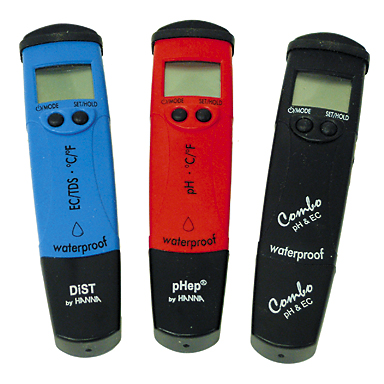
Don’t Forget pH Meters for Hydroponics
Over the past decade, hydroponics has greatly challenged the efficacy of traditional farming. While conventional agriculture is highly influenced by natural climate conditions, nearly all factors of hydroponics farming are controlled and monitored by the farmer.
The
methods of hydroponics were used prevalently in biological research labs
in the past, as vegetation could grow without the presence of soil, but
through the medium of a mineral rich liquid solution. Companies as
GrowLab provided a controlled miniature gardening area for schools and
labs, to grow a small number of vegetation for studies. Some commercial
farms turned such small GrowLab concept into large enterprises to
cultivate plants solely on hydroponic science. In fact, EuroFresh
Farms, the largest hydroponics farm in the world, produced more than
50,000 tons of tomatoes in 2005. After installation, the maintenance
cost and other expenses to produce crops through hydroponics is much
cheaper than the cost incurred from farming on soil.
From temperature and humidity to amount of light and fertilization,
indoor farming can be closely managed to produce top quality crops.
Even if the gardener does not have a specific building to grow a small
indoor garden (to grow orchids or flowers), GrowLab offers large grow
“rooms” that can be set up like a tent, with various features including
reflective interiors, multiple exhaust ports, and waterproof floors.
After deciding on the location or a GrowLab product to begin a
hydroponics garden or farm, it is important to realize that nature will
no longer aid the growth of the vegetation. Every factor such as
humidity, temperature, CO2 levels, and artificial light must be
considered for a successful harvest.
While people know to purchase products for illumination and mineral
nutrients to successfully grow plants, many forget about the importance
of having pH meters. pH levels are indicators of acidity, and soil or
cultures can be measured through pH meters. Managing the pH level of
the soil (or liquid culture) is very important, as pH affects the
absorption of plant nutrients and the spread of plant diseases. Most
plants prefer a slightly acidic soil, and will be tolerant of changes in
the pH level within the 1 point range. pH meters can effectively
monitor the acidity of the hydroponic farm, and the gardener can respond
to maintain an optimal level of pH for the specific type of plant.
Several custom automated products (CAP) have functions to measure the
humidity, temperature, and pH levels, which will also perform the
functions of simple pH meters.
The art of growing quality vegetation requires close attention, and the
result is highly affected by the smallest details the gardener or farmer
makes. By adjusting the pH levels about twice a year, the grower can
expect to attain differentiated products that are more sweet or vibrant
in color. For instance, top quality watermelons can be achieved when
the soil is slightly acidic, about 5.5 to 6.5 in pH levels. Even if
vegetation is grown in small lab structured facilities as offered by
GrowLab, pH meters will allow plants to develop in the best environment.
Article Source: http://www.articlealley.com/article_1777018_27.html
Time Laps Plant Growth
Time Laps Plant Growth
Watch and observe.
Video Duration : 0:01:05
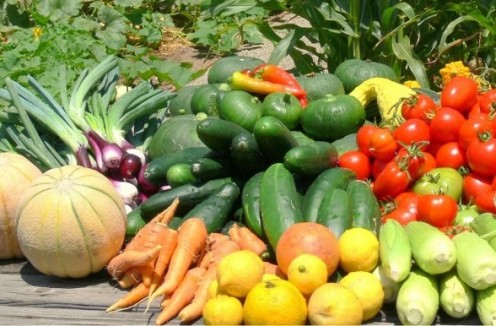
Organic Gardening and Organic Growing – Useful Info
Organic gardening will give you peace of mind and a great sense of satisfaction when you and your family sits down to eat. Imagine the sense of excitement you’ll get when you first see those little green shoots peering through the soil!
So what Is organic gardening?
Many gardeners wonder what exactly organic growing means. The simple answer is that organic gardeners don’t use synthetic fertilizers or pesticides on their plants. Think natural!
Organic gardening is using recycled materials to grow crops. You can and should use animal waste, kitchen scraps, and vegetable waste to mulch and compost. Common household items like vinegar and soap are used to prevent pests and weeds.
Organic growing is the working together of nature. Using naturally cultivated soil to grow natures seed.
Planning your organic garden
Choose where to plant your garden. Ideally you want an area that will get plenty of light and be protected from the wind.
How big do you want your plot to be? Don’t start off too big – you want to enjoy your gardening not resent how time consuming it can quickly become if you start off too grand!
Draw a scale plan of your gardening area and work out how much of each crop your going to use and where to plant them. Think “groups” rather than rows as they are more productive and easier to attend to.
Getting the soil ready for your organic growing plot
You need to look into testing your soil before you begin. Tests are available from your local gardening center. Good soil should be pleasant to the touch, eye and nose. Once you are satisfied with your soil you can begin.
Planting in your organic garden
Your going to be best served growing from the seed rather than buying plants as they could have been sprayed with pesticides at some point. Also you’ll feel a lot more like a gardener using seeds! Obviously patience is needed to grow from the seed.
Weeding your organic garden
Use a hoe to stop weeds developing into large competitive monsters to your plants! Just simply dig around your crops with a hoe once a week or so.
Once your crop seedlings are larger, the soil is warm and drenching rains have ended, put down a layer of mulch to hold in moisture and smother weeds. Mulch is material that can be laid down around the plants to control weeds.
Pests in your garden?
Don’t despair at the sight of insects on and around your crops! To start with just have a watch of them and see if they are actually causing damage. A lot of bugs will just nibble small enough amounts that good healthy plants can resist and recover from, so don’t be too hasty!
Creating compost for your organic garden
So what are the benefits of compost? It should be used as mulch to reduce evaporation, reduce weed growth, insulate the soil from extreme temperature and keep soil cooler in the day and warmer at nighttime!
Good compost should be made up of balanced materials. It should be balanced between carbon materials – washed egg shells, milled grains, dried grass, straw and leaves. And nitrogen materials – most kitchen scraps, fresh grass and other plant matter.
Source: http://www.articlesbase.com/gardening-articles/organic-gardening-and-organic-growing-useful-info-88763.html
Plant Nutrients
This is a lecture on the 16 essential plant nutrients using the mnemonic C.B. HOPKiNS along with a role-play of Liebig’s law of the minimum for a teaching methods class at Utah State University.
Video Duration : 0:08:19
LED grow lights

High Output LED Grow Lights Lead to Superior Plant Growth
If you are a commercial plant grower or hydroponic gardener, you know that speed in getting your plants from seedlings to marketable size rapidly means the difference between making a profit and not. If you are a home gardening aficionado, you want to get your seedlings off to a great start in order to have your flower and vegetable starts ready to plant out when the weather warms up in spring. For all these uses, high output grow lights offer an indoor garden lighting solution that leads to healthy plants that grow rapidly.
Color Temperature and Lights for Plants
Although understanding the differences in grow lights, including LED hydroponic grow lights, can become complicated rather quickly, there is a bit of information that will help you select LED hydroponic lights that will work well with the types of plants you wish to grow indoors, which includes color temperature.
Grow lights, including LED lights for plants, put out a color temperature that is related to plant growth. Color temperatures in the lower end of the scale, around 2200-2300 kelvin show up as visual light that looks warm, in the red to orange range. Red spectrum light is needed by mature plants in order to induce the plant to produce flowers and fruit. Color temperature in the higher end of 6000-6500 kelvin is seen as cool spectrum light in blue tones. Blue spectrum light is needed by plants to stimulate vegetative growth, most especially immature seedlings that you wish to grow or leafy plants like lettuce and other salad greens.
Better quality led lights for plants use only the light spectrums that your plants need. Of course, there are other spectrums, such as green light, that plants cannot use, and thus is wasted in an indoor gardening situation. Many traditional grow lights offer full-spectrum light, which gives the red and blue light, but also gives you other spectrums which the plants cannot access, and thus you end up paying for light the plants cannot use. High-end, high output LED lights offer only red and blue spectrum light, which can be adjusted to your custom specifications for your plants, resulting in extraordinary rapid plant growth.
What to Look for In Grow Lights for Sale
When you go online to find lights for sale, you will want to look for lights that cover growing area your plants need with bright light. With LED grow lights for sale online, you will not need fans and ducting because the LED grow lights run very cool.
Look for high output LED lights that have a high wattage, which will produce bright light. This helps LED grow lights for plants to emulate bright sunlight. For all this light, you will pay a fraction for electricity as you would for traditional lighting, another benefit for indoor gardeners coming from high output LED lights and LED hydroponic lights.
From years of indoor and hydroponic gardening, Susan Slobac has developed an in-depth knowledge of high output led grow lights.
Article Source: http://EzineArticles.com/?expert=Susan_Slobac
Sensi Bloom 2 Part Nutrient
Advanced Nutrients Bigger Yields Flowering System! Sensi Bloom is now coated with a proprietary formula that is irresistible to roots. This is called the pH-PPM Perfect ™ Technology that is revolutionizing hydroponics and causing growers to get rid of their pH and PPM meters! With this technology, they have become unnecessary!
Video Duration : 0:01:59
Indoor Grow Light
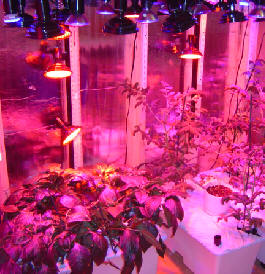
Natural Light for Indoor Gardening
Those of us in the gardening business are all too aware of just how sensitive many plant species can be. In the pickier varieties, soil conditions such as moisture levels and pH have to be perfect, or the temperature and light exposure may have to be controlled with precision. In order to get the most beautiful, vibrant specimens in species like this, these environmental factors cannot be left to Mother Nature. This is where indoor gardening and artificial lighting systems can become invaluable in your efforts.
To learn more about hydroponics, please check out the biggest buds on the web!
Many people believe that indoor gardening must involve complicated systems of expensive light systems on pulleys, hydroponic watering set-ups, and other high-tech equipment to get the best results. While these things can certainly get you the results you want, they are not necessarily the best tools for the work at hand, and most definitely are not required. If you are working with minimal space and are concerned about your electric bill, they may not suit your needs at all.
Enter the new generation of indoor grow lights. Compact and affordable, these lights are designed with plant growth in mind and should ideally mimic the spectrum of sunlight as closely as possible. However, there are things that a prospective consumer should be looking for in any lighting system intended for indoor gardening. In species where precise temperature control is a must, the heat generated by bulbs can often turn a promising seedling into a brown, wilted stalk overnight. High-heat lamps and bulbs can also dry the soil, leading to potential deadly problems in species with delicate root systems or precise moisture requirements.
Some of these lamps also use a great deal of energy, which is a serious problem when light requirements dictate that your plants receive a specific amount of “sunlight” each day. Beyond the satisfaction of producing your own food, there is little economic advantage to home food production if the spike in your monthly electric bills eats up your savings on the grocery budget.
Unfortunately, many of the indoor grow lights available in department stores simply do not fit the bill in many of these regards. They may be inexpensive, but they seem to be “grow” lights in name only. Their high heat kills plants, and their energy sapping drains your electric bill and reduces the life of the bulb, causing it to burn out faster and warrant frequent replacements. It’s important to do your research before choosing a lighting system for your plants.
Look for endorsements from local and national garden clubs, which will give you a more honest appraisal than the advertising blurb on the side of the product’s packaging. For instance, one light that has received high marks from the Garden Club of America is the OttLite Orchid Growth Lamp. The lamp has earned high praise for its energy efficiency–using only 13 watts, it is rated to last at least 10,000 hours–and low heat output. It also produces a very natural light, which allows plants to thrive indoors. And using a clip-on, stand-alone, or mountable design makes it extremely versatile in the home garden. Such lights will help you make the most of your garden regardless of the outdoor conditions Mother Nature has given you.
Eliminating Plant Deficiency through the Use of Humates
Eliminating Plant Deficiency through the Use of Humates
One best way that can help you eliminate plant deficiency in your hydroponics garden is through the addition of humates in your plants’ nutrient feeding. Humates, which include fulvic acid and humic acid, should really be an important part of every hydroponics gardener’s nutrient solution.
This is because these substances are some of the most vital parts of fertile soil that gives exceptional results to traditionally grown plants. Therefore by adding them to your hydroponics nutrient solution, you can help break down the nutrients in the solution into much more efficient forms. Though they are sold separately, it is important you use both fulvic acid and humic acid to truly guard your plants against plant deficiency. They serve virtually the same function, but they react a little bit differently to environmental conditions, so the combination ensures that you will be receiving constant benefit.
Finally, when using these products to prevent plant deficiency, make sure to educate yourself on the best ways to use them and also with other products that can be used in conjunction with them.
LED Grow Lights
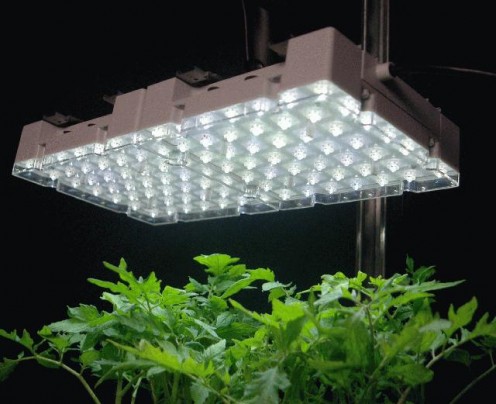
Hydroponics Growing: Grow Lights are not Created Equal
Hydroponic gardening is one of the most popular methods for plant production. This form allows people with no land, or land unsuitable for plant growth, to produce food and flowers with ease. As you go about building your hydroponics system you will will want to invest in excellent grow lights. Many gardeners choose HID, or high intensity discharge grow lamps combined with a digital ballast. HID lamps most closely resemble natural sunlight, and this is conducive to excellent plant growth in an indoor growing situation. However, not all grow lights are created equal.
There are five types of HID lights, and they include mercury vapor, low-pressure sodium, xenon short-arc lamps, metal halide and high-pressure sodium. Metal halide and high-pressure sodium make great hydroponic lights.
A metal halide grow light produces a light in the blue spectrum, which is useful to young plants to help them attain maturity. For this type of light to work, electricity flows through a mix of metal halides and mercury, as well as argon gas. The metal halides have an effect on the color of light the lamp produces as well as the strength of the light. Metal halide lights are made up of a metal base and a bulb made out of glass. Inside the lamp you will find wires, a quartz arc tube, tungsten electrodes, metals and gas. In order for a metal halide lamp to function properly, you must use an electrical ballast. The ballast controls the flow of electricity to the light bulb, and metal halide bulbs, when used with specially designed electrical ballasts, allow for dimming of the light as well. A grow light digital ballast properly matched to your lighting system, is an important part of any indoor garden. Metal halides offer a great deal of control over the color temperature, or the color of the light, produced, which is why hydroponic gardeners like these lights.
A sodium vapor light, on the other hand, uses sodium to produce light in the red spectrum. Unlike the metal halide lamp, the high pressure sodium light uses an alumina arc tube. Alumina makes use of a diffused aluminum oxide, which is necessary because of the great deal of chemical activity that occurs with a high pressure sodium arc within the bulb. A high-pressure sodium lamp also should use a hps digital ballast to control the flow of electricity to the light, much as it does in the metal halide application.
Indoor gardeners enjoy using both of these types of bulbs because they give off a very intense light, which is needed by plants to thrive. Blue spectrum light of metal halide bulbs is beneficial when plants are young to enhance growth, while red spectrum light provided by high-pressure sodium lamps helps plants produce flowers and fruit. Select both lamps to enhance your plants’ entire lifetime photosynthesis needs.
LED Fogponic VS Aeroponic Day 27
LED Fogponic VS Aeroponic Day 27
The intro says day 26 but its actually 27. Plants have almost doubled in size in 5 days! Discussion of pepper leaf curl at the end of video.
Video Duration : 0:03:28
peppermint
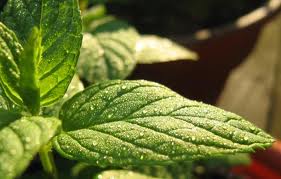
Raising Herbs From Seed Indoors
Most popular herbs can be raised from seed sown indoors during early spring. A few, like peppermint, benefit from a long season of growth and can be sown earlier if conditions are suitable. It is important with all species to ensure that at the time of sowing the ratio of heat to light is balanced, otherwise sickly, etiolated seedlings will be produced. When conditions are not suitable it is preferable to wait a couple of weeks until things improve.
Although the resulting plants might not be quite as large, they will be healthier and better balanced. This problem is particularly acute when a window ledge is used. The seedlings quickly germinate because of the warmth provided in the room, but with the poor daylight that is a regular occurrence during early spring, they become drawn and scrawny. The ratio of light to temperature is so variable and out of balance that the seedlings never make satisfactory progress.
Seeds being raised indoors should always be sown in flats or pans of good seed compost. It is foolish to go out into the garden and scoop up ordinary soil for seed raising. Even though such soil may look quite reasonable, it is likely to be of too poor a structure for use in flats and pans, and also be infected with pathogens that cause problems like damping off disease.
Herb seed is full of vitality with the main aim in life being to germinate and produce a healthy plant. It should not be hampered by poor compost. The plants that are raised will directly reflect the quality of the compost in which they are being grown.
Seed composts differ from potting soils in that they have few plant Nutrients in them. The lack of fertilizer ensures that there is little likelihood of the tender seedlings being ‘burned’ and helps to dissuade the establishment of troublesome mosses and liverworts that frequently invade the surface of seed flats. Soil-based composts are ideal for raising herbs, but most of the quicker germinating kinds ultimately make better plants if they start life in peat-based soil-less compost.
Soil-less composts that consist of just peat, but with nutrients added, need handling carefully and it is necessary to be very selective about the kind of seed that is sown in them. Unless a very smooth surface can be assured once the flat is filled, it is unwise to sow fine-seeded herbs like hyssop and peppermint in such composts. The fibers in the compost create air pockets in which tiny seeds can become stranded.
Peat-based composts are ideal for larger-seeded herbs like fennel and angelica. Smaller-seeded kinds are much better in those soil-less composts that have sand mixed in with the peat. No matter what the preference may be, always use a good branded growing medium. It is both cheaper and safer to purchase ready-mixed compost rather than to try to create an independent self-mixed formula.
The pans or flats should be filled with seed compost to within 1/2in of the rim. Soil-based composts should be firmed down before sowing, but the peat types merely need putting in a pan or flat, filling to the top and then tapping gently on the potting bench. This, together with the first watering, will firm the compost sufficiently. Firming down soil-less composts only succeeds in driving out the air and making them hostile to root development.
It is essential with all composts to firm the corners and edges with the fingers when filling a seed flat. This counteracts any sinking around the edges and prevents the seeds from being washed into the sides where they will germinate in a crowded mass. Seed compost should be watered from above prior to sowing. This is particularly useful with the soil-less types as it settles the compost and allows any surface irregularities to be rectified before sowing takes place.
The seeds of most herbs can be sprinkled thinly over the surface and then covered by about their own depth with compost. Large seeds, like those of borage, can be sown individually with regular spacing so that there is no need for pricking out once they have germinated. The majority of herb seeds need darkness in order to germinate satisfactorily.
Some of the finer-seeded kinds are difficult to handle and distribute evenly over the surface of the compost. By mixing a little fine dry sand with the seed they can be more easily distributed. Not only does the sand serve as a carrier for the seeds, but it also indicates the area of the compost over which they have been scattered. Fine seeds should only be watered from beneath.
Stand the flat or pan in which they have been sown in a sink or bowl of water and allow the compost to dampen. Overhead watering can be disastrous, often redistributing the seed to the edge of the pan and scouring the surface of the compost.
All herb seeds benefit from bottom heat, so when there is a soil-heating cable available for early spring sowings make full use of it. Warm compost promotes the rapid germination of most herb seeds and is particularly useful for gardeners who raise their plants in an unheated greenhouse.
Where no heat is available a sheet of newspaper placed over a seed tray will act as insulation and creates a warmer micro-climate. Although light can penetrate the paper, it is important to remove it as soon as the seeds have germinated. With all seedlings light is vital, so as soon as they appear, place them where they can receive the maximum amount. This will ensure that they develop into stocky, short-jointed plants.
Young seedlings of many herb plants, especially sage and rosemary, are very vulnerable to damping-off disease at this stage and watering should be carefully regulated. This unpleasant disease is prevalent in damp humid conditions, invading the stem tissues of the seedlings at soil level, causing them to blacken and then collapse. Prevention is better than cure, so as a precaution water all emerging seedlings with a suitable fungicide. This provides the seedlings with some protection.
All seedlings should be pricked out as soon as they are large enough to handle. Crowded seedlings being separated and individuals spaced out at regular intervals in pans or flats. Ideally seedlings should have their seed leaves fully expanded and the first true leaf in evidence before transplanting.
Seedlings must be handled very carefully, as they are delicate and often brittle. Never be tempted to hold a seedling by its root or stem as irreparable damage can be caused. Always hold it by the edge of the seed leaf. Rough handling at the pricking-out stage can lead to the spread of damping-off disease and the arrival of other pathogens.
With most seedlings it is usual to plant them slightly lower in the compost than they were in the pan or flat in which they germinated, generally burying the stem up to the level of the seed leaves. This should only be done to vigorous healthy seedlings. It is not a method of reducing the height of seedlings that have been drawn up by insufficient light.
Seedlings must be pricked out into potting soil. For most quick-growing herbs a standard soil-less potting mixture is adequate, but for the others soil-based potting soil is preferable. Providing that there are no sharp temperature fluctuations and there is always plenty of light, the young plants should develop well.
Apart from greenfly, few problems are likely to be encountered until the plants are either potted up individually or planted out. These pests are easily controlled with a systemic insecticide while the plants are young and the foliage is not being used for culinary purposes. There are small aerosol cans of suitable insecticide available for handy use.
The most critical time for young herb plants is the period when they have to be eased away from their comfortable greenhouse or kitchen window ledge atmosphere and placed in a cold frame before facing the reality of the open garden. A cold frame is obviously ideal, for in bad weather the frame light, or top, can remain in place, whereas if the weather warms up it can be removed completely.
The aim of this hardening-off process is to give the plants a tolerance of the lower temperatures of the garden over a period of two or three weeks, without causing a check in their growth. The procedure is for the frame light to be raised slightly to permit ventilation, this gradually being increased until it is removed entirely during the day. It can then be raised at night as well to allow further ventilation, gradually increasing this until the frame light is removed entirely.
The plants should then be ready to take their place in the herb garden. When a frame is not available, a similar effect can be achieved by taking the plants outside during the day and standing them in a sheltered place, returning them indoors each night until it is felt safe to leave them outside both day and night.
Identifying Tomato Plant Diseases
Susie Anderson, of Johnny’s Selected Seeds, shows Dave how to identify some common tomato plant diseases.
Video Duration : 0:01:10
Hydroponics
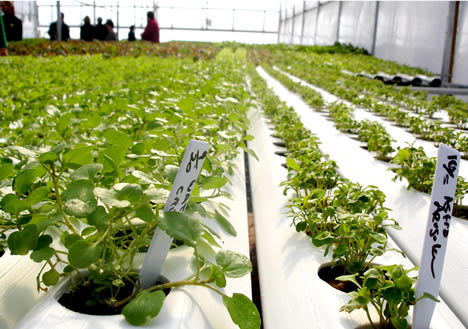
Do Your Plants Need Hydroponics?
All plants need the correct conditions in order to grow to their full potential. Plants grown using hydroponics systems are no exception to this basic rule. Like their soil grown cousins they need sufficient light of the correct wavelengths, a suitable temperature, an adequate water supply, enough oxygen, mineral nutrients and support for their structures.
Sufficient light of the correct wavelengths, used by the plant at the growth stage it has reached, is essential for its survival. Plants use lots of light, at least 8 to 12 hours each day, in order to make carbohydrates from CO2 and water. Chlorophyll, the green color in plants, absorbs the sunlight and uses its energy to synthesize these carbohydrates. This process is known as photosynthesis and is the basis for sustaining life in all plants. Because animals and humans get their food by eating plants, it can also be said to be the source of our life.
Artificial lighting is generally a poor substitute for sunshine, because most indoor lights provide insufficient intensity to produce a mature crop. High intensity lamps such as high-pressure sodium lamps can provide more than 1,000 foot-candles of light. The hydroponics gardener can use these lamps very successfully in areas where sunlight is inadequate. The fixtures and lamps, however, are usually too expensive to be viable for a small commercial operation.
It is important to allow adequate spacing between plants as this will ensure that each plant receives sufficient light in the grow-room. For example, tomato plants, pruned to a single stem, should be planted so as to give 4 square feet per plant, while European seedless cucumbers should be allowed 7 to 9 square feet and seeded cucumbers about 7 square feet. Lettuce plants need to be spaced 7 to 9 inches apart within the row and 9 inches between rows. Most other vegetables and flowers should be grown at the same spacing as recommended for a conventional garden.
A suitable temperature is required for the plant to grow normally. Temperatures that are too high or too low will give rise to abnormal development and reduced production. Summer vegetables and most flowers grow best between 60degrees and 80degrees F, while winter vegetables like spinach and lettuce prefer temperatures of between 50degrees and 70degrees F.
An adequate water supply is not normally a problem when using a hydroponics system, since the basis of hydroponics is the supply of water containing nutrients in solution. Having said this however, there are some systems which can give rise to inadequate watering, with the consequent detrimental results to your plants. Ebb and flow systems which are not checked on a regular enough basis, can run short of nutrient in their supply tanks, as can continuous flow systems. Most, if not all, automated hydroponics systems can have disasters if they are not monitored closely. A blocked or burst pipe, or a pump failing can result in lack of nutrient flow, which, coupled with the intense lighting and the correct ambient temperature in the grow-room, will result in dry roots and severe damage to, or even the death of, your plants.
Oxygen is a basic requirement of most living things. Plants need oxygen for respiration, so that they can take up water and nutrient. In soil systems enough oxygen is usually available, but plant roots growing in water will quickly use up the supply of dissolved oxygen. This can damage or even kill the plant unless additional air is provided. A common method of aerating the nutrient is to bubble air through the solution. Continuous flow and aeroponic systems do not usually need supplementary oxygen.
Mineral Nutrients are needed by most green plants. They must absorb certain minerals through their roots in order to survive. In conventional horticulture these minerals are supplied by the soil and by the addition of fertilizers such as manure and compost. Nitrogen, phosphorus, potassium, calcium, magnesium, and sulfur are needed in large quantities, whilst the micro-nutrients, iron, manganese, boron, zinc, copper, molybdenum, and chlorine are also needed, but only in very small amounts.
Support is normally provided by the soil that surrounds the growing plant. A plant grown using hydroponics however needs to be artificially supported. This is usually done with string or stakes. It is possible to buy inexpensive automatic string reels to support your plants as they grow. This cuts out the tedious task of having to keep re-adjusting the strings on fast growing plants.
Digital ballasts presents Hydroponics Secrets featuring host Erik Biksa discussing digital and electronic ballasts versus magnetic and core and coil ballasts for growing hydroponics and organics crops.
Duration : 0:05:58
Hydroponics Gardening
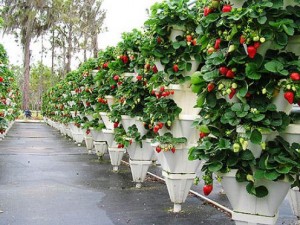
Hydroponics Gardening Requires Planning
If you are a gardener who wants to garden but has obstacles to overcome in terms of soil and climate, why not give hydroponics gardening a try? Hydroponics is a method of gardening in which you grow plants without using any soil. It has been used in parched African lands as well as by NASA scientists, where the land was unsuitable for growing crops, or there was no soil available. A hydroponic garden does require some planning, however, in order for it to work successfully.
There are several systems from which you will want to choose. What you finally decide upon will depend on several factors, including the space you can devote to gardening, the lights you will use, how much you wish to invest in the project and how much time you have available to put the system together and to maintain it properly. In the planning phase you will also want to give some thought to expansion of the system and which sorts of plants you would like to grow. You will also need to think about any ongoing costs in terms of necessary supplies and equipment.
If you are a gardener who wants to garden but has obstacles to overcome in terms of soil and climate, why not give hydroponic gardening a try? Hydroponics is a method of gardening in which you grow plants without using any soil. It has been used in parched African lands as well as by NASA scientists, where the land was unsuitable for growing crops, or there was no soil available. A hydroponic garden does require some planning, however, in order for it to work successfully.
There are several systems from which you will want to choose. What you finally decide upon will depend on several factors, including the space you can devote to gardening, the lights you will use, how much you wish to invest in the project and how much time you have available to put the system together and to maintain it properly. In the planning phase you will also want to give some thought to expansion of the system and which sorts of plants you would like to grow. You will also need to think about any ongoing costs in terms of necessary supplies and equipment.
Some systems are active or passive in terms of the delivery of the nutrients to the plants. Because the plants are growing in water, an active system uses a pump to aerate the water and to push the nutrient solution around the plant’s roots, where the plant can then pick up the nutrient. Passive systems use a wick that the plant uses to bring the nutrients to the roots, and they do not use a pump at all.
Another planning decision will be to select from a water-based or a media-based system. The medium is what the plant grows in, and it is never soil. Instead, medium can include perlite, vermiculite and peat moss, to name only a few. A water-based system often does not use media, and so the plants will need to be supported in some manner out of the water. You can use a trellis for this purpose. A system that is media based provides support to the plants and it also keeps the nutrient solution where it needs to be, by the plant’s roots.
The proper lighting will also require adequate consideration. You will probably need to use some type of artificial growing lights in order to provide the plants with enough light to survive, especially if you will be gardening during the dark winter months. A full-spectrum light is an excellent choice for growing plants, because it mimics natural sunlight. Both fluorescent and HID lights work well in these situations.
With some careful planning, you will likely have great success with hydroponic plant gardening.
Another planning decision will be to select from a water-based or a media-based system. The medium is what the plant grows in, and it is never soil. Instead, medium can include perlite, vermiculite and peat moss, to name only a few. A water-based system often does not use media, and so the plants will need to be supported in some manner out of the water. You can use a trellis for this purpose. A system that is media based provides support to the plants and it also keeps the nutrient solution where it needs to be, by the plant’s roots.
Advanced Nutrients Big Mike Recommends Competitor's Product
Advanced Nutrients Big Mike Recommends Competitor's Product
http://www.growersunderground.com/ Hey-I realize this probably sounds crazy. But I want you to use a competitor's product instead of one of my own products.
This is not some publicity stunt, nor is Advanced Nutrients going to be distributing this product. It's just straight up the right thing to do.
In the video I explain in great detail why I'm doing this. In fact when our research showed that one of our competitors had a better product and it was going to take us awhile to play "catch-up" so to speak. There was only one thing to do, and this is it.
No I haven't lost my mind I really do want you to go out and purchase my competitor's product. Because in life I've come to realize, that doing the right thing isn't always the easiest thing.
Enjoy:-)
BigMike

Sunlight Supply--The Truth
Hey Sunlight Supply is using some really un-cool and unbelievably illegal STRONG ARM tactics by threatening to put a group of hydroponics storeowners out of business unless they start a boycott of Advanced Nutrients products.
Sunlight Supply CEO Craig Hargreaves will easily put these storeowners out of business because he controls the supplies of grow lights, bulbs and ballasts. Plus, the other things those storeowners needs to stay in business.
Sunlight Supply and the good ol' boys club have been playing these shenanigans for the last seven years on our community. Now they've taken their scheming to a whole new and illegal level.
This video exposes the dirty underbelly of hydroponics good ol' boys club and their leader Craig Hargreaves of Sunlight Supply - it's pretty graphic - they're actually doing this right now.
The video contains a lot of industry insider, store owner and personal stuff in it, so don't watch it if that's not your thing.
If you care about our hydroponics community and your hydroponics storeowner then you'll definitely want to watch this now.
Sunlight Supply--The Truth Video on YouTube
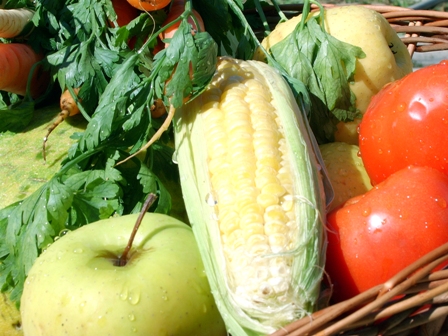
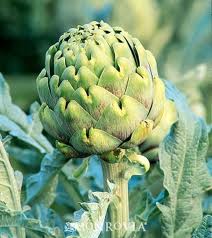
Hydroponics Grows Robust Plants, Vigorously Healthy Crops
Hydroponic gardening offers many advantages to the home grower. Because a sterile medium is used, there are no weeds to remove and soil-borne pests and diseases are minimized if not completely eliminated. Hydroponic herbs, fruits and vegetables that are properly grown are considered to be more vigorous and healthier because all the necessary growth elements are completely consumed. Thus, plants mature faster, yielding an earlier harvest of more zesty and more nutritious crops.
Hydroponics also offers many advantages for commercial agriculture. Growing of healthy and more flavorful plants is now possible using greenhouses, eliminating the need for vast farmlands. The techniques used in hydroponics allow growers to apply the precise water and nutrient solution directly to the roots of the plants. Since plants are grown in a controlled environment, hydroponics also enables growers to transform dry lands like deserts into productive lands using limited amounts of water.
Sometimes, nutrients that are supplied to hydroponic plants are used up faster than they can be replaced resulting in nutrient deficiency. When this happens, you can fix it by spraying an all-purpose foliar fertilizer on the leaves. This process may not completely solve the problem. The best thing to do is to change the nutrient solution every week instead of every two weeks. There are cases where it might be necessary to switch to a different type of fertilizer if the deficiency persists. The best hydroponic fertilizers and nutrients are made by a Canadian company called Advanced Nutrients.
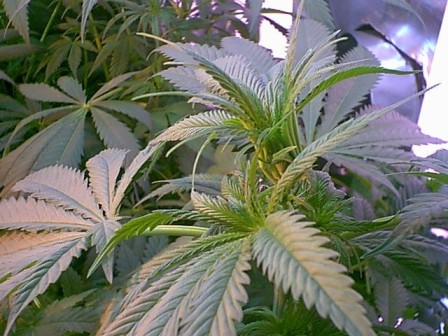

Hydroponic Horticulture Has Advanced Better Crop Production
Hydroponic horticulture has given growers a better chance of producing better and more quality crops. Because hydroponic plants are grown in a sterile medium, it eliminates soil and the microorganisms it carries. Without the presence of dirt, plants will not get soil-borne diseases and they will not be invaded by soil-based insects that can greatly affect their growth stage.
In a hydroponic set-up, the grower is given more chance to produce better harvests since the plants are maintained in a controlled environment that is free from pests and other harmful elements. In a controlled atmosphere, the plants are placed in a sanitary condition that helps in fighting insects and possible plant diseases. By eliminating the dirt, the pests, and the foraging animals, hydroponics has created the perfect environment for the plants to flourish, unaffected by many of the diseases that plague field-grown crops.
Hydroponic plants are also rich in water and essential nutrients they need in order for them to reach their highest potential. Since all the important nutrients are absorbed by the plants, growers can be assured of producing better, healthier, more nutritious and even more flavorful produce. The climate system that a controlled atmosphere uses in hydroponic gardening gives the best approximation of optimum growing conditions where temperature, humidity and light are precisely measured to create delicious and nutritious produce. Most importantly, hydroponic horticulture gives people the opportunity to grow their own food even inside the comfort of their own homes.
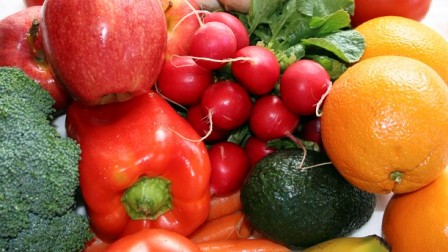
Hydroponic Systems Produce High Quality Harvests
The development of hydroponic systems paved the way to producing high quality harvests. Good quality hydroponic produce are determined by the color, texture, firmness, shelf life and most importantly, the flavor. These are the key indicators that separate hydroponic crops from field-grown produce.
The single most important factor in all these indicators is the genetic makeup of the plant, so careful selection of the proper nutrients for plant growth is absolutely necessary.
The level of maturity at the time of harvest is also an important factor that affects the final quality of the crop. For example, in commercial trade, tomato is harvested mature but unripe because it still has a green color. It is usually ripened in transit, but this gives it the cardboard, tasteless quality associated with field grown, prematurely harvested tomatoes.
Since hydroponic greenhouses are usually located closer to market, “hothouse” tomatoes are allowed to ripen on the vine, and are sometimes sold in bunches that are joined by the actual stems. These tomatoes have a rich taste, and many of them are grown organically.
To preserve the high quality of the harvested fruit, it should be stored in well-ventilated areas or in a low oxygen or high carbon dioxide environment. The fruits must never be exposed to temperatures below 54° F (12.5° C) to avoid susceptibility to rot. Since hydroponic crops are maintained in a controlled environment, the grower has more opportunity to control the growing process, thus, producing more high quality harvests.
Hydroponic Nutrients
Hydroponic nutrients play an important role in growing healthy, large fruits and vegetables in hydroponic gardening. One of the main advantages to growing indoors is that you can control the amount of plant nutrients your fruits and vegetables are getting without having to worry about any outside factors. With proper use of these hydroponic nutrients, you control the whole process from start to finish and get to enjoy pesticide free, naturally healthy fruits and vegetables all year long.
If you are looking for the highest quality hydroponic nutrients to help your produce reach its maximum growth potential, HIDHut has one of the largest selections of plant nutrients available on the market today. HIDHut offers a full range of Advanced Nutrients suitable for all types of hydroponic gardening. Advanced Nutrients Big Bud is a fertilizer additive that can be used, along with one of their base fertilizers, in order to improve the flowers on a plant. The flower's size and weight will increase, as well as the speed of growth and the number of flowers produced will be enhanced with the use of this extensively tested product.
Another fertilizer additive you will want to try is Advanced Nutrients Voodoo Juice. Plants can benefit from Voodoo Juice because this product focuses on improving the root system. It increases the root mass so that plants can take in nutrients and water more easily because of the fast root growth and increased efficiency in the root system. You can expect great yields and improved disease resistance in your plants with Voodoo Juice.

How 2 Part Nutrients Work on your Hydroponic Plants
Always keep in mind that the successful growth of your plants depends on what you feed them. The nutrient solution that you supply them plays a very important role in giving you a bigger and healthy crop. It is also very important to know that 2 part nutrients always work better compared to one part formulations. This is because a two part formulation is carefully designed to be more readily available to your plants at the right times, unlike a one part formula that has the tendency to cause build ups in your hydroponics systems because of the many elements present in it.
Plants require different ratios of nutrients during their vegetation and flowering phases. Therefore, it is more appropriate to use a formulation that contains 2 part nutrients. This is to maximize the potential of your plants in specific stages of their growth. These types of formulations are very competent in giving your plants the precise nutrients that they should absorb in a particular growth phase.
The 2 part nutrients focus mainly on what your plants need as they flourish in either their vegetative or flowering stage. For example, in the flowering stage, potassium (K) and phosphorus (P) should be more highly available because these macronutrients can contribute to budding, flowering and fruiting in plants. In addition to getting better and more nutritious crops, you can also use potent plant additives or supplements that can work well with your existing nutrient feeding program.
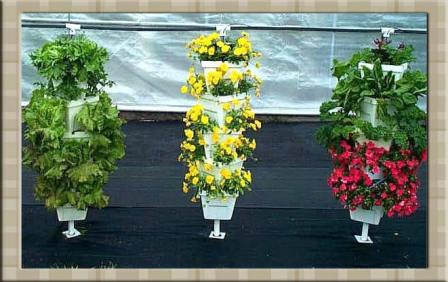
Hydroponic Newsletter
The world of hydroponic gardening is ever changing and the best way to be updated on the ways to increase your yield is to subscribe to hydroponic newsletter. By doing so, you’ll be able to keep up on the ways to improve the size of your buds and the flavor of your vegetables every month.
The best tool a grower can have is information and a good newsletter can give you tons of useful tips for a few dollars or even free. But the information you receive can sometimes be overwhelming, so it can sometimes be confusing. Here are some tips on how to distinguish a good hydroponic newsletter:
1. Ensure that your newsletter comes from a reputable source. Make sure that your hydroponic newsletter comes from a company, organization, or person who has real experience in hydroponic gardening and not from someone who just heard some advice elsewhere.
2. Test a small area first. When you read of some new breakthrough that promises to vastly increase your yield, try not to apply it to your entire crop immediately. Remember that the safety of your plants is the utmost concern. Try the new advice on a single plant first, so you can be sure the information will actually be beneficial. That is why it might be a good idea to grow one or two "test plants" in a smaller hydroponic system separate from your main system that will allow you to experiment without taking too much risk for your plants.
3. Make sure the advice pertains to your particular condition. There are so many factors that go into successful hydroponic growing that a piece of advice might help one grower but might actually harm another grower's plants. So before you rush off and make those adjustments, make certain that the any new research you are reading about applies to your particular hydroponic system, lighting system, medium and plants.
4. Find a newsletter that helps growing on your scale. Some hydroponic newsletters specialize in a certain scale of growing. This means that some might contain advice targeted to a hobby grower who just likes to grow vegetable in his basement, while others are for large, profit greenhouses. Make sure the information can really help your condition and will work within your budget.
Hydroponic Plant Food
All plants need water, light and food in order to grow and flourish. Food is vitally important plants in order for them to grow and eventually reach maturity. In hydroponics, plants grown are fed using a hydroponic nutrient solution most commonly referred as hydroponic plant food.
All plants, whether growing indoors or not, need several types of nutrients. The main hydroponic plant food or plant nutrients for hydroponics are nitrogen (N), phosphorus (P) and potassium (K). Plants also need macronutrients in greater amounts than micronutrients, but nevertheless all are needed in order for any plant to thrive.
In a traditional garden setting, your plants would be receiving nutrients from the soil, but without soil, plants are helpless without the gardener providing them with plant nutrients for hydroponics.
Hydroponic plant food come in the form of organic gardening supplies suitable for fruits, leafy vegetables, melons, berries, grapes and many more.
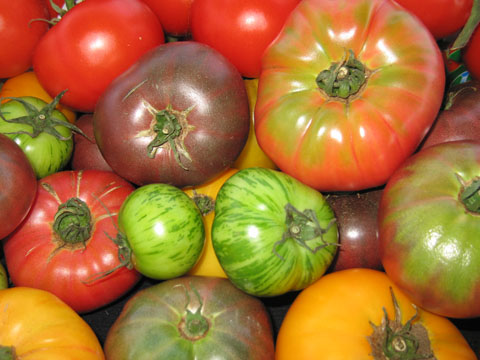
Hydroponic Horticulture Has Advanced Our Food Supply
The use of hydroponics as a method of producing crops has been proven to increase food production in modern greenhouses. It has been labeled to be the most effective and practical way of growing healthy crops today because it reduces costs of farming with pest control procedures and introduces the precise nutrient intake to plants. Moreover, the method requires less water (only 5% of water is required) compared to the water requirement of traditional farms yet it produces five to six times the produce per square foot that field agriculture is able to do.
This new agricultural technology has been a breakthrough in the need for a less spacious venue for farming yet guarantees maximum yield to the producers, plus safe and unblemished produce. With this method, more healthy crops are expected to be produced, thus, allowing us to advance our food supply. Also, greenhouses are usually located closer to the urban centers they supply, so transportation costs are reduced. Not to mention that they can produce food year round.
Books and manuals have been made to assist growers on the proper procedures with regards the plant watering system and nutrition feeding of plants. Simple may it seem but proper administration is needed to exactly formulate the nutrition for the plants. Nowadays, there are thousands of Hydroponic gardening centers throughout the United States that aim to establish it as an alternative gardening method, because it is more cost effective and highly beneficial to plant growers. For a hydroponic gardener, hydroponics means produce at its best; meaning, higher yields, environment friendly technology, minimal labor and high return on investment.
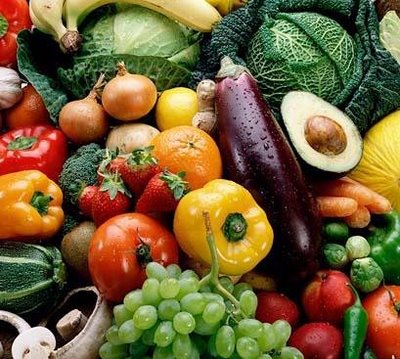
Fruits & Vegetables is about Growing your Food Hydroponically: Avoiding Pesticides
Pesticides are substances or mixture of substances used to kill pests. They are commonly used in soil-grown crops. Studies have shown that even a single daily serving of some produce can deliver unsafe levels of toxic pesticide residues. Thus, consumers always try to stay away from produce that were grown using these toxic substances.
One of the important differences between soil-grown and hydroponic gardening is the ability to control the environment. Pests are highly inevitable in open areas; while in hydroponics, vegetables are grown indoors in carefully controlled environments therefore pests can be prevented.
And did you know that hydroponically grown fruits and vegetables are not only safe from pesticides but are also more nutritious compared to soil-grown produce?
You may ask, how is this possible with hydroponics? The answer is quite simple. Because the fruits, vegetables and other plants grown using this type of method is free from pesticides and harmful elements that can contribute to losing its essential minerals. The continuous flow of nutrient solution in the process allows the plants, fruits and vegetables make it possible for these crops to reach their full potential.
Just imagine getting all the nutritional benefits we can get from the food we eat. Imagine how fresh, nutritious, delicious, and healthy are the fruits and vegetables that we can harvest if we grow our crops hydroponically.
With all the risks of eating fruits and vegetables grown using pesticides taken in consideration, it’s a good thing that the science of hydroponics was discovered. Through this method, eating healthy and nutritious fruits and vegetables is possible.
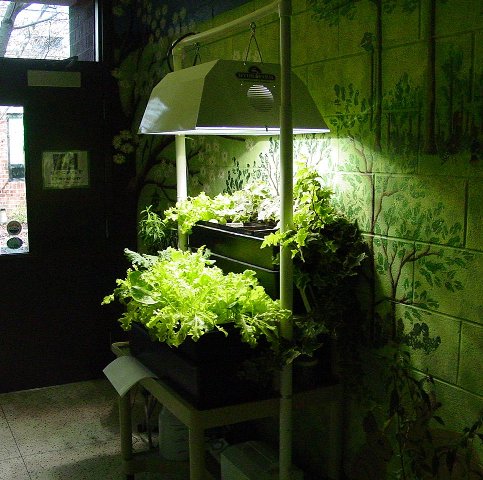
Grow Lights Used in Hydroponics
Grow lights are mediums used to bring an imitated sunlight to hydroponically grown plants. To successfully promote the growth of your hydroponic plants, it is a must that you choose the right light spectrum.
If you are trying to grow plants, vegetables and herbs, you must carefully consider the grow light that you will use. In indoor hydroponic gardening, the required grow lights depend on the type or kind of plant being grown. This is crucial for your plants since the range and color rendering indexes determine each specific phase of your plants’ growth. Most vegetables for instance, grow best in full sunlight and would require different indoor grow lights than a foliage plant that naturally thrives best in the shade.
The various grow lights made available for hydroponics growing include:
- Radiant grow lights for a consistent spread of intense light;
- Metal Halide lights, which emit mostly blue light used by plants for vegetative leaf growth;
- High pressure sodium lights, ideal for fruit and flowering plants;
- Sodium agro lights that have the same color spectrum as a High Pressure Sodium but with 30% more blue light and reduced levels of infrared.
Incandescent lights burn very hot and do not make adequate grow lights for hydroponic plants while fluorescent lights are excellent for starting seedlings and for cultivating cool weather basement harvests year round as long as these "cool" grow lights are kept relatively close to the plant. Moreover, the wattage of your grow lights will be determined by the size of your growing area combined with the amount of natural light.
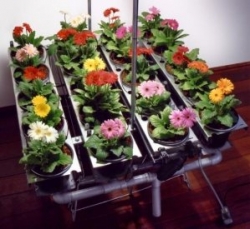
Home Hydroponics--Newsletters
Subscribing to home hydroponic newsletters has many advantages. The greatest advantage is having access to breaking news and new trends in the hydroponic gardening world. Some newsletters arrive in either your computer Inbox or postal mailbox weekly, others on a monthly schedule. Either way, the news is fresh.
Unlike forums, the information stays put until you have the time to read and digest it. You don’t have to scroll through a hundred or more posts to find the piece of information you are looking for. You are also able to have a hard copy of newsletters for future reference. You can print each e-mail newsletter and place it in a file so you can find it exactly when you need it.
There are a few things you need to take into consideration when subscribing to any home hydroponic newsletter. First and foremost, make sure the company or organization distributing the newsletter is one you can trust. Research reputation; ask to see the newsletter archive or a sample issue to get a feel for what kind of material is included.
Try to find newsletters that are focused on the same type of crops that you are producing in your home hydroponic garden. A newsletter focused on hydroponic growing for the mass market isn’t going to be very helpful to you if are growing a small rose garden for personal pleasure and a newsletter focused on marijuana production isn’t going to help you with the vegetables you hope to can in the fall. Make sure the newsletter will be helpful and not just a waste of your time.
Finally, until you know the information contained within a newsletter is accurate, don’t put your entire garden at risk. If some method does not seem logical, don’t use it until you have researched. Even then, use it cautiously on one or two test plants to make sure the method works for you and your crops. Each home hydroponic garden is as varied as each hydroponic gardener. With this in mind, know that every method and every newsletter is not intended for each and every situation. Look for the home hydroponics newsletter that works best with you and your garden.
Home hydroponics gardening is increasing in popularity, especially with the rising costs of gas and food. Making sure your plants are as healthy as possible will help save you money in the long run. For more information on creating the best possible home hydroponic garden you can, visit http://www.advancednutrients.com/ and take a look around. Their free newsletter is one of the best out there. It is full of tips and advice that are accurate and easy to follow.
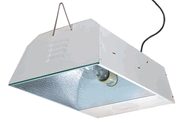
Light Reflectors in the Home Hydroponics Garden
An often overlooked, but very important, part of the home hydroponics garden is the use of light reflectors. Light is one of the most crucial factors in the health of your plants; both too much and too little will result in sickly plants. Reflectors can help to solve both problems. The correct use of light reflectors can increase the amount of growing area you have for your home hydroponic garden, giving you a greater yield or room for more of a variety. If your home hydroponic garden is also your business, this can translate into greater income in the end.
You can buy some of the most expensive lights on today’s market and find they are nearly useless without proper light reflectors. When set up correctly, using a light reflector in your home hydroponic garden can double and sometimes even triple the available growing area. You want to look for reflectors you can set up horizontally. Reflectors take the available light from your lamps and spread it out to brighten dim areas that can’t be reached by bulbs alone. By placing the light reflector horizontally, you allow for more surface area to reflect light outward rather than upward.
Another factor to consider when buying light reflectors for your home hydroponic garden is whether the plants you are growing grow best in bright or dim light. Smaller reflectors concentrate the light more, providing a brighter light in their coverage area. If your particular needs are for plants that do not need a great deal of light, then larger reflectors can be used. At first, you may need to buy a couple different sizes to see exactly how each performs in your particular growing area.
We all know that light produces heat. The more light there is the greater the heat and many home hydroponic gardens are in smaller areas with little in the way to ventilate. Too much heat can be just as dangerous, if not more so, for your plants. Light reflector manufacturers have taken that into consideration and manufactured some light reflectors to be air-cooling. Many light sources are combined with air-cooling reflector hoods to make it even more convenient for the home hydroponic gardener. These units tend to cost slightly more than other units, but are often well worth the extra cost. They eliminate the need for expensive ventilation systems and make it possible to keep your growing area at a temperature that is both comfortable and healthy for your plants.
Home hydroponic gardening is increasing in popularity, especially with the rising costs of gas and food. Making sure your plants are as healthy as possible will help save you money in the long run. For more information on creating the best possible home hydroponic garden you can, visit http://www.advancednutrients.com/ and take a look around
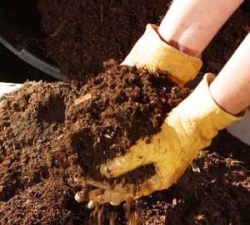
Home Hydroponics—Organic Fertilizers
n any type of garden, it is essential to make sure your plants have all the nutrients they need to grow and resist disease. This is especially important in your hydroponics garden. Many nutrients are found in soil, which is not present in a hydroponics setting. You will need to add these missing nutrients to realize the best crop possible. With so many fertilizers on the market, however, it is often difficult to decide which one is the best for your home hydroponics garden. It is my hope that this will clear up some of your confusion.
Fertilizers, both organic and inorganic, are labeled with a sequence of three numbers. These numbers indicate the percentage of the three main compounds found in all fertilizers, Nitrogen, Phosphorus and Potassium (or Potash). The letters N-P-K represents these. Basically, Nitrogen helps plant foliage to grow strong. Phosphorus helps roots and flowers grow and develop. Potassium (Potash) is important for overall plant health. . Fertilizers then contain a variety of other vitamins and minerals that vary greatly from one brand to another.
Inorganic fertilizers are made of chemicals that can harm your plants and the environment. More and more gardeners, especially those with home hydroponic gardens, are switching to organic fertilizers. Organic fertilizers are derived from what was once a living plant or animal. Microorganisms break these down to release their benefits to your plants. This process is a natural occurrence that enables your plants to benefit as nature intended.
Organic fertilizers are often ignored for many reasons. One of the biggest reasons is the smell that is often produced by the organic material. Fortunately, hydroponic supply producers are finding ways to combat this odor problem and more organic fertilizers sold in hydroponic supply shops have a less offensive odor. Yet another argument is that organic fertilizers work slower than inorganic ones. While this is often the case, the way these organic fertilizers work makes it easier to grow healthier, larger plants. In addition, the plants, especially those grown for human consumption, are less likely to create health problems.
Originally, organic fertilizers were also known to attract fungus gnats. This was annoying at best for the home hydroponics gardener. At its worst, these annoying insects could harm plants. This annoyance has been virtually eliminated in some cases with the proper organic fertilizer. Some organic fertilizers, such as the Iguana Juice listed below, have also taken care of the problem caused by sludge plugging the drip emitters in your home hydroponics garden, a problem that for many years plagued users of organic fertilizers. Today, virtually every argument against the use of an organic fertilizer has been eliminated.
Home hydroponics gardening is increasing in popularity, especially with the rising costs of gas and food. Making sure your plants are as healthy as possible will help save you money in the long run. For more information on creating the best possible home hydroponics garden, visit the Advanced Nutrients website (http://www.advancednutrients.com/) and take a look around. They have one of the finest organic fertilizers available, Iguana Juice Grow and Bloom (http://www.advancednutrients.com/iguanajuice). Grow will astound you with its boosting of vegetative growth, while Bloom will not only multiply the number of your buds, flowers, and fruits, but will serve to increase their size, as well.

Bloom Boosters in the Home Hydroponics Garden
What is a bloom booster and why should you use it in your home hydroponic garden? A bloom booster is a combination of essential amino acids; plant hormones and other nutrients that can help your plants produce larger, stronger flowers. This results in more beautiful flora and larger fruits and vegetables. For those who depend on their home hydroponic garden to help provide income, this can result in greater profit.
That takes care of the "what and why"; now let's explore the "how" where it comes to using bloom boosters in your home hydroponic garden. It isn't enough just to spray a bloom booster on your plants and leave it at that. You need to first find the best product and then use it in combination with other hydroponic products. It is by knowing when and how to use bloom boosters that is essential in gaining the best results possible.
Bloom boosters are most effective if you increase such nutrients as phosphorus and potassium in your home hydroponic garden. This can backfire, however, if you are not careful. Too much phosphorus can cause a deficiency in the amount of iron your plants can utilize, resulting in unhealthy plants with yellowed leaves and stunted growth. It is important to make sure you add a greater amount of potassium than of phosphorus to prevent this phosphorus toxicity.
In nature, plants bloom best when the amount of light and dark are equal. By changing your lighting schedule to twelve hours on and twelve hours off, you simulate nature. This helps your plants bloom naturally, ensuring their blooms are stronger and healthier. Adding a bloom booster at this time will aid in optimal growth.
You need to keep in mind that a bloom booster is not meant to heal unhealthy plants. Even the best product will not work unless you have taken the time to provide your home hydroponic plants with all they need in the way of nutrition and a healthy environment
Home hydroponic gardening is increasing in popularity, especially with the rising costs of gas and food. Making sure your plants are as healthy as possible will help save you money in the long run. For more information on creating the best possible home hydroponic garden you can, visit Advanced Nutrients website and take a look around.
Big Bud is infused with twenty amino acids; among those are L-trytophan and L-cysteine, the two most recommended for optimal blooms.
Home Hydroponics—Beneficial Microbes Can Make a Difference
All kinds of bacteria are harmful to growing plants, correct? Actually, the answer is no. There are many types of tiny bacteria, called microbes that can actually benefit your plants. The idea is to encourage these microbes. Some plants actually depend on certain microbes to help keep them healthy. We will explore how microbes can benefit your plants as well as several ways in which you can encourage the growth of beneficial microbes in your home hydroponics garden. These microbes are found naturally in soil, but the home hydroponics gardener needs to purchase specially formulated products to provide them.
The first and foremost benefit of providing your plants with beneficial nutrients is that it will help increase the healthiness of your crops. A healthy plant is hardier and can withstand unforeseen events that may cause hardship in other plants, such as broken pumps, burned out lights and other such problems. While unhealthy plants can wither and die quickly if everything isn't perfect in their growing environment, a healthy plant can withstand hardship and continue to flourish for a short time.
Beneficial microbes can help keep infectious diseases away and prevent nutrition deficiencies. The microbes "feed" off harmful bacteria and thus keep them from attacking the plants. This allows the harmful bacteria less time to take hold and create problems. The beneficial microbes also enable the plants in your home hydroponic garden to absorb the needed nutritional elements better, thus making your plants bigger, stronger and less likely to experience deficiencies. Beneficial microbes help your plants develop greater root mass, than untreated plants, resulting in accelerated growth and bigger yields.
Now that you see how beneficial microbes help, it helps to know ways to increase them in your home hydroponic system. The more natural, or organic, products you use, the greater chance the beneficial microbes have of growing. Nature has automatically created these beneficial microbes for us; and by using fewer chemicals on your plants and more natural products you allow nature to help.
Keeping your growing area warm (but not too warm) will also help increase the presence of beneficial microbes. Cooler temperatures slow down, and often halt, bacterial growth. This may be beneficial where harmful bacteria are a concern, but the cold does not differentiate between harmful and beneficial. Keep your growing area as warm as possible for the kind of crop you are growing. (Unfortunately, too much heat will also kill off beneficial microbes-so don't be tempted to mix them into your nutrient solution, using hot water!)
Another thing that can prevent the growth of beneficial microbes is the use of pesticides. This works on the same principle as the temperature. Pesticides are not able to tell the difference between good and harmful parasites. When you utilize such a product, you kill off the beneficial microbes in your home hydroponic garden as well as harmful ones. This leaves your plants at risk of future attacks from harmful bacteria and at risk if all does not go well in your growing area.
Yet another word of warning concerns hydrogen peroxide. Some hydroponics growers use this product to oxygenate their roots that are dangling in the nutrient solution. If you use hydrogen peroxide, you might as well say goodbye to your beneficial microbes. It will kill most of them on contact.
Home hydroponic gardening is increasing in popularity, especially with the rising costs of gas and food. Making sure your plants are as healthy as possible will help save you money in the long run. For more information on creating the best possible home hydroponic garden, you can, visit http://www.advancednutrients.com/piranha or http://www.advancednutrients.com/tarantula, and discover the difference these beneficial microbes make.
Plant Stress in the Home Hydroponics Garden
When you think about stress, what comes to mind? Do you think about things that attack your body, causing you discomfort and often bringing about illness? I know I do. Stress is not just a human concern; pets can experience stress as well. What most people don't realize is that plants also fall victim to stress. They react much in the same way as humans do, with shutting down and falling ill.
Some of the things that can cause stress in your home hydroponic garden are drastic changes in temperature. Excessive heat or cold can cause your crops extreme stress. Plant stress can come about if proper nutrition isn't given. Your plants need to work harder to gain as many nutrients as possible from what they are given. Lack of water, not enough light and pruning can all be sources of plant stress. Even something good like blooming can increase the stress level in your home hydroponic garden. How the different stressors affect your plants depends on how healthy they are, where in their growing cycle they happen to be and what the stress is.
While there is nothing you can do to avoid plant stress entirely, you can help reduce the damage caused by it. By providing adequate light, water and temperature, you can reduce environmental stress. By seeing that your plants are given adequate nutrition, you can help them combat the stressors that can't be avoided. Like humans, the B vitamins are excellent for this.
Adding B vitamins to your home hydroponic garden will help your plants combat the effects of stress. These vitamins will allow your plants to withstand more, repair themselves if they are damaged slightly and give them added energy to flourish in spite of less than ideal conditions.
To help combat the inevitable stresses that befall your home hydroponic garden, try Organic B. Organic B provides more than B vitamins. It also contains plant-strengthening B vitamins, amino acids and other enhancers. Your clones, transplants and seedlings will better resist stress and disease to turn into healthy adults. You can find out more about Organic B at http://www.advancednutrients.com/landing_pages/organic-b_landing.html.
Home hydroponic gardening is increasing in popularity, especially with the rising costs of gas and food. Making sure your plants are as healthy as possible will help save you money in the long run. For more information on creating the best possible home hydroponic garden you can, visit Advanced Nutrients and take a look around.
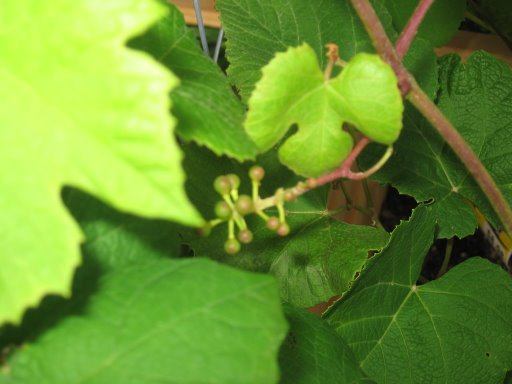
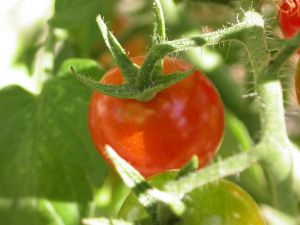

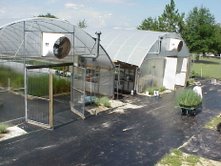
Home Hydroponics—Vitamin Supplements
Plants, like all living things, need certain vitamins and minerals to grow and bloom. They have special needs depending on which part of the growing cycle they are going through. You want to provide more of one supplement during the initial growing stages and another during the blooming phase. This is the same as the human body needing more of one vitamin when in childhood and another in old age.
In traditional gardening, plants are apt to get most, if not all, of their nutrients from the soil. This is not the case in the home hydroponics garden. For this reason, you will find it necessary to provide these necessary vitamins and minerals with the addition of a vitamin supplement. The trouble is, how do you know what your plants need? For example, vitamin B1, or Thiamine, helps encourage the synthesis of sugars
Some of the most necessary vitamins and minerals needed by plants in your home hydroponics garden are the B vitamins. These give your plant the energy they need to grow, ability to handle any stresses caused by less than idea circumstances. The B vitamins also help your home hydroponics plants repair any harm that may be done. Other than oxygen, the B vitamins may well be some of the most important.
When searching through the myriad of vitamin supplements available, it helps to know what to look for in the way of a healthier supplement. The first thing is the ability to be absorbed by your hydroponics plants. Let's face it; if the plants can absorb the supplement, it does no good. For this, you want to look for a product with a humic acid base. Humic acid has the ability to chelate, or bind positively to charged ions. To your plants, this means it allows many more nutrients to be absorbed than would be possible without the humic acid. This in turn translates into larger, healthier plants.
One of the best Vitamin B supplements I have found is Organic B, sold by Advanced Nutrients. Organic B is made from the best sources and provides an excellent source of B vitamins to the plants in your home hydroponics garden.
Home hydroponics gardening is increasing in popularity, especially with the rising costs of gas and food. Making sure your plants are as healthy as possible will help save you money in the long run. For more information on creating the best possible home hydroponics garden you can, visit http://www.advancednutrients.com/ and take a look around
Home Hydroponic Gardening – Pests and Pathogens
The home hydroponic gardener may not spend much time thinking about pests and diseases. After all, most of these come from soil. Correct? Eliminate the soil and you rid yourself of having to deal with such nuisances. That seems to be the thinking of those new to hydroponic gardening. The truth of the matter is that pests and diseases will always be something gardeners have to deal with, even in the home hydroponic garden.
The indoor home hydroponic garden often finds itself a victim of such pests as the spider mite or white fly, among others. In addition, diseases in the form of fungi or mold can be a problem. In order to have healthy plants, the home hydroponic gardener has a few choices available to control these infestations. The most common treatments are using a commercial pesticide, biological control (which involves introducing predator insects and such to your growing area) or use of a specially formulated pest control product found at the local hydroponic shop.
Most hydroponic gardeners do not want to add chemicals to their growing environment. These chemicals can harm both human and plant. In addition, plant pests have often developed immunities to these products. You end up harming the plants and the pests continue multiplying. Specially formulated hydroponic products are safer, but there is still the risk of damage to plants if used incorrectly or too often. Adding live predators to the growing area is often not practical. You don't want to bring more insects into play, especially in home hydroponic gardens growing within the living environment. There is a solution that can be better than all these-prevention.
Just as the preferred method of disease control in humans is to prevent the disease in the first place, this is also practical for plants. Take, for example, Barricade . This product works from inside your plants, making them stronger and more resistant to bugs, fungi, molds, and even stress. By not allowing the pests and pathogens to get a foothold in your home hydroponic garden, you have greater control.
Another advantage of using preventive products is that a stronger plant will grow better and produce more. You are not adding harmful chemicals to either your home hydroponic garden or the environment in general. Your plants are healthier; pests and disease are stopped in their tracks and your time and investment are protected. Just as with humans, it is often a lot less expensive to prevent a problem than it is to cure one.
Home hydroponic gardening is increasing in popularity, especially with the rising costs of gas and food. Making sure your plants are as healthy as possible will help save you money in the long run. For more information on creating the best possible home hydroponic garden you can, visit http://www.advancednutrients.com/ and take a look around
Home Hydroponics—The Role of Carbohydrate Supplements
Carbohydrates play an important part in the growth of the plants in your home hydroponics garden. They help provide necessary energy for optimum growth and carbohydrates are stored for times when the plant may need either energy, such as during blooming, or extra help, such as cases where there is less than perfect growing conditions. Simply put, the plant uses carbon dioxide molecules from the air and water molecules and the energy from the sun to produce a simple sugar such as glucose and oxygen molecules as a by product. The simple sugars are then converted into other molecules such as starch, fats, proteins, enzymes and. all of the other stuff that helps a plant grow.
Carbohydrates are sugars, correct? So, it makes sense you can just toss a handful of sugar into your plant's water and leave it at that. Wrong! Simple sugars, or corn syrup, isn't any better for your home hydroponics garden than they are for you. Plants have to work to gain nutrition from the simple sugars they ingest and certain combinations of carbohydrates work better than others because of their ease of absorption.
Unfortunately, many carbohydrate supplements are little more than sugar and corn syrup. You need to seek out a product that will enable your plant to make full use of the nutrition. A product containing fulvic acid will help increase the rate and speed of absorption. This will help you see a visible increase in your plant's growth in the way of larger blooms and stronger, healthier plants.
Simply adding nutrients to your plant, without a carbohydrate supplement, may actually do more damage to the plants in your home hydroponics garden. The nutrients make your plants work harder to realize the benefits, yet they don't have the necessary energy required to do so. This makes them weaker. By adding the carbohydrates, you give your plants the extra energy necessary to utilize their nutrition more effectively and with less work. This gives them a chance to grow larger and stronger.
Home hydroponics gardening is increasing in popularity, especially with the rising costs of gas and food. Making sure your plants are as healthy as possible will help save you money in the long run. For more information on creating the best possible home hydroponic garden you can, visit Advanced Nutrients website and take a look around. Take a moment to check out CarboLoad . This is one of the best products for helping your plants gain their needed carbohydrates.

Hydroponic Gardening - Leeks
Leeks are part of the onion family. They have a milder flavor, however, and are often preferred to their stronger tasting cousin. This vegetable is very versatile and can be eaten raw or cooked and both leaves and stems are edible. In addition, this cold-weather crop is so easy to grow, it is almost a must in any hydroponic garden.
Leeks do best in a perlite growing material. This allows the roots plenty of air by providing adequate drainage. The roots of the leeks are the most wanted part and you do not want to keep them too moist or you can cause root rot. An ebb and flow system will work perfectly while growing hydroponic leeks as it will enable the gardener to control how moist the growing medium remains between feedings. Leeks prefer a pH of between 6.5 and 7.0 for optimal growth and will benefit tremendously from added nitrogen.
One of the most preferred methods of feeding leeks is the drip irrigation method. This method allows for adjustments to be made easily should it be necessary. You want to keep the roots slightly moist, but allowing them to remain wet for too long can cause rot. The adjustment valves on the drip irrigation system are easier to maintain than some other hydroponic methods.
Leeks have very few problems with insects. Having your hydroponic garden inside either your home or a greenhouse should eliminate this pest problem completely. It is important to remember that commercial pest solutions are highly discouraged in the hydroponic garden. If absolutely necessary, visit your local hydroponic supply store and obtain a pest product specially formulated for hydroponics. These are developed to cause the least amount of damage possible to your leeks and other plants.
Being cold weather crops, your growing area temperature can be as low as twenty-four degrees Fahrenheit, but you really don’t want to allow this low of temperature for too long. During germination, set temperature at seventy-five degrees Fahrenheit and provide as much light as possible. Once your plants have become as big around as an average pencil, they will be ready to plant in their final growing area. At this point, the temperature in the growing area needs to remain between fifty-five and seventy-five degrees Fahrenheit, preferably at the lower end of this spectrum. Temperatures above seventy-five degrees Fahrenheit will jeopardize the growth of your leeks.
Finally, if you want to give your leeks the best nutrition possible, you should check out the seven best-kept secrets of hydroponics and subscribe to the Advanced Nutrients newsletter at http://www.advancednutrients.com/newsletter/. Advanced Nutrients is the world’s foremost supplier of hydroponic nutrients to discriminating growers everywhere.
Hydroponic Gardening - Soybeans
Soybeans are one of the most versatile of crops. While they have been grown for some time as a possible alternative fuel source, they are finally being recognized for their nutritional value. As meat prices continue to rise, alternative sources of protein-rich food are being turned to—and soybeans fit the bill. Let’s explore some of the special growing conditions needed for soybeans in your hydroponic garden.
One of the first things necessary when growing soybeans is to inoculate them with special nitrogen-fixing bacteria. This is used to allow the beans to absorb nitrogen more readily. You dust the seeds with this special solution before planting. These inoculates come in both powder and liquid form. Fungicide treatments applied to seed before planting are designed to protect the plants from root rot diseases. Many fungicide treatments can be mixed with inoculation materials and applied at the same time.
Soybeans grow like many other beans, vining and needing some sort of structure to support them. Construct a support system in your hydroponic growing area by running a line from one end of the area to another. When this is done, provide lines from each plant upward to the main line. This will enable your soybeans to grow upward, providing more space for plants and allowing bottom growth to obtain enough light. Soybeans need a great deal of light to produce flowers, which will then become your soybeans. Without enough light, your plants will not flower.
While soybeans need a great deal of light, they do not like either high temperatures or great humidity. The growing environment would be ideal if it stays around sixty-five degrees Fahrenheit during the day. Humidity in the hydroponic growing area also needs to be kept low to prevent causing your soybeans to rot.
A growing medium such as a peat/vermiculite blend is best for your soybean crop. You may also want to consider placing pebbles at the bottom of your growing container, as they prefer a well-drained medium that allows the roots plenty of room to breath.
Soybeans are an excellent choice for the hydroponic gardener. Provide them with a growing medium that drains well, plenty of light and a pre-treatment with a special nitrogen-fixing inoculate and you will soon have one of the most versatile crops available.
Finally, to help ensure your soybeans get the best nutrition possible, you should check out the seven best-kept secrets of hydroponics and subscribe to the Advanced Nutrients newsletter. Advanced Nutrients is the world’s foremost supplier of hydroponic nutrients to discriminating growers everywhere.
Hydroponic Greenhouses — Glass versus polyethylene
Once you have had a taste of hydroponic gardening, you may find yourself wanting to expand your efforts to a scale that is bigger than what can fit in the corner of your living room. It is time to start looking into a greenhouse. There are so many kinds of greenhouses on the market today, that it can often be confusing deciding which is best for your particular needs. Let’s explore two of the most common types of greenhouse coverings, glass and polyethylene film. Hopefully, this will make your choice a little bit easier.
When deciding between glass panels and polyethylene film covering, there are several factors you need to take into consideration. These factors include how much you can afford to or are willing to spend; environmental factors required for the hydroponic plants you are growing; and how permanent, or temporary, you want your greenhouse to be.
Glass is the most expensive covering for a greenhouse, costing on average six times more than polyethylene film. The framework of your greenhouse will also be more expensive, as glass is heavy and needs a stronger framework. Glass, however, can withstand extremes in temperature better and will not need to be replaced as often as polyethylene film. This being the case, within twenty-five years, you are looking at the same general cost for covering and the difference comes in the amount spent on the framework. If you are unsure about how long you plan on maintaining a hydroponic garden, you may wish to go with the less initial outlay.
Glass covering is the best choice for allowing sunlight to reach your plants. It allows more of the rays to reach your garden; however, you may need to look into some type of coating on the glass to help diffuse the sunlight and allow it to reach more of the leaves. For insulation against extreme temperatures, polyethylene film works better than glass. Polyethylene film, however, can “sweat”, dripping onto the plants inside and increasing the overall humidity level of the interior. Some of these films are now being made with a coating that helps alleviate this problem.
Glass greenhouses last longer than those covered with polyethylene film. Glass can weather well for over twenty-five years. If you are planning a long-term venture, this may be your best choice. Keep in mind, however, that glass can’t stand impacts as well as polyethylene film and you may find yourself replacing panels more often. If you are merely leasing your property or are not sure how long you may continue with hydroponic gardening, you may consider polyethylene film coverings. Many inflatable structures are made of this and are easy to assemble or disassemble, making it easy to re-locate or eliminate the greenhouse.
Finally, the greenhouse is only a starting point for a productive hydroponic garden. To help ensure your plants get the best nutrition possible, you should check out the seven best-kept secrets of hydroponics and subscribe to the Advanced Nutrients newsletter at http://www.advancednutrients.com/newsletter/. Advanced Nutrients is the world’s foremost supplier of hydroponic nutrients to discriminating growers everywhere.
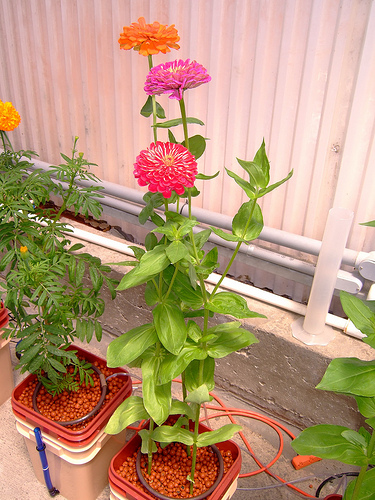
How to Produce Bigger Flowers in your Hydroponic Garden
Plants need nutrients in order to grow and flourish and the most important factor that can affect you’re their size what you feed them. Provided that your indoor growing environment is within the correct temperature, humidity and lighting, your plants will either grow or die depending on what kind of hydroponics nutrients you supply them. To produce bigger flowers, it is highly recommended that you use bloom boosters.
Bloom boosters provide extra amounts of phosphorus (P) and potassium (K) which are known to be very competent contributors on the growth and size of the flowers. But not all bloom boosters available in the market today can provide you with bigger flowers. Some of them fail to manufacture or formulate the accurate ratio of phosphorus and potassium that can truly give you desirable results. In most cases, these bloom boosters can actually harm your plants, e.g. lesions on the leaves, leaf tip burning, slow growth, plant toxicity, and small harvests.
If you want your plants to produce bigger flowers, take note that the correct ratio or proportion of an effective bloom booster should contain a PK 9/18 formula. When you use a PK 9/18 ratio, you will produce impressive plants and flowers without overfeeding. The 9/18 ratio is proven to give the fastest, most productive flower growth because it is specially blended with superior-sourced nutrients in just the right ratio so your plants absorb what they need to make the best fruits and blooms.
Easy Hydroponics--Piranha, Tarantula, Voodoo Juice
Hydroponic Gardening - Peas
When I was young, I was like most kids and would not eat peas—until my mother came up with calling them “nice, green peas”. I ate them like there was no tomorrow. With hydroponics, you can turn all your peas into “nice, green peas” that are full of nutrition and taste unlike traditionally grown peas.
Before setting up to grow your peas, you will need to select the variety you prefer, bush or vining. This will help determine how much space you will need, as well as whether or not some type of support will be necessary. Peas grow best in cooler temperatures and require growing material, such as perlite, that does not hold moisture too long. One of the most important things to monitor when you grow your peas is the pH balance, as pea plants are very sensitive to acidity levels. Finally, you will need some type of lighting to keep your peas healthy.
Bush peas can be trimmed back when between six and eight inches high. By trimming the tip and first set of leaves, two branches will sprout. This encourages the plant to grow outward instead of just upward. For vining varieties of peas, you will need to have some type of support in place. An ideal solution to this is to have a rope hanging from one end of the growing area to the other. Each plant then has a string leading upward from the plant. This enables the pea plant to be wrapped around the rising line as it grows. This not only allows for less space being needed per plant, but also enables the available light to evenly fall on the upper and lower leaves.
Temperatures in your hydroponic growing environment need to be on the rather cool side for growing peas. While peas can withstand temperatures as low as twenty-eight degrees Fahrenheit, the ideal growing temperature is between fifty-five and sixty-five degrees Fahrenheit. If the temperature falls too low, the flowers will become sterile. Acidity needs to be constantly monitored. Peas grow best when the pH level is between 6.0 and 7.0. If it falls below this level, calcium uptake by your peas will be jeopardized.
Either high-pressure sodium light or low-pressure sodium light can be used as supplementary lighting in your hydroponic growing area. Make sure the lamps are positioned so that the lower parts of your pea plants receive an adequate amount of light. When there is insufficient light, the plants grow taller and spindlier, reducing their strength.
Finally, to help ensure your peas get the best nutrition possible and become “nice, green peas” instead of plain old peas, you should check out the seven best-kept secrets of hydroponics and subscribe to the Advanced Nutrients newsletter at http://www.advancednutrients.com/newsletter/. Advanced Nutrients is the world’s foremost supplier of hydroponic nutrients to discriminating growers everywhere.

Going Hydroponic against Global Warming
The debate rages on about what to do to slow down global warming and reduce carbon emissions. Proponents of hydroponic horticulture suggest growing your own food year round in specially built greenhouses, close to home. Heating the greenhouses in the winter does require energy, but this could be produced through solar or wind sources, as opposed to the fossil fuel method, which produces carbon dioxide.
“Yes, but greenhouse hydroponics calls for generating additional CO2, which defeats the purpose,” says the argument. The truth is that most of the CO2 generated within the confines of a greenhouse is absorbed by the plants and transformed into sugars, water, and oxygen. What little escapes through the vents is negligible compared to the CO2 produced by the airplanes that fly in your mandarin oranges from Japan and your green peppers from Chile. Not to mention the diesel fumes spewed forth by the trucks brining in California lettuce.
So the hydroponic solution to global warming isn’t that far off the mark. Regardless of which hydroponic system is utilized, you have to keep in mind that plants need nourishment, just like any other living being. And absolutely the best food for plants is made by a Canadian company, Advanced Nutrients. Their complete line of organic and synthetic fertilizers, as well as all their additives, supplements, root colonizers, and bloom boosters help to superbly nurture all your plants, whether you practice hydroponic gardening or plant your seeds in soil, just like your ancestors did before you.
Hydroponics produces higher yields!

Hydroponic Gardening - TIPS
When it comes to hydroponic gardening, you can find a great deal of information available for reading. Often, however, there are tips that don’t warrant an entire article, yet they are of importance if you want to grow the best fruits, vegetables and flowers possible. Read on to learn of five important tips that can help make a difference in your hydroponic adventure.
Tip #1 In the trickle irrigation system, you need to take special care in making sure your gravel is the correct size. Lateral movement of the solution along the roots is necessary. For this reason, any gravel that is larger than a quarter of an inch in diameter is not recommended, as it will inhibit this flow. The idea size of gravel is anywhere between one-eighth and one-fourth inch in diameter.
Tip #2 If you are fairly new to hydroponic gardening you may still be searching for the growing method that suits your needs best. One method that does not get mentioned often is called “sack culture”. With this method, you poke holes in a thin bag made of polyethylene. This bag is approximately six inches. You fill this sack with a mixture of vermiculite and peat. Once the ends are sealed, the bag is hung up. Plants are placed in the evenly spaced holes you made previously. A hydroponic solution is introduced into the top of the bag and allowed to make its way down through the planting medium within the sack. Excess solution drains from the bottom.
Tip #3 You may find it desirable to add calcium, nitrogen or sulfur to your hydroponic garden to help it produce better. Calcium nitrate will provide both calcium and nitrate nitrogen in the best forms for your fruits and vegetables. Products such as Sensi Cal Grow l are specially formulated to provide added calcium without damaging your plants. If you still need extra nitrogen, provide it through the use of potassium nitrate or potassium sulfate, which will also add any needed sulfur. Magnesium sulfate can also be used if necessary.
Tip #4 Germination of seeds can be a tricky time in your hydroponic gardening experience. To help your seeds shed their shells during germination, you need to keep them moist. Using coarse vermiculite to cover the cubes you germinate your seeds in can do this. Use plain water until germination and then a diluted hydroponic nutrient solution until the leaves develop. It is then important to make sure your water is at the proper pH balance. This can be accomplished by using pH Up or pH Down depending on whether you need more or less pH. Pre-treating your water with hydrogen peroxide will help if Reverse Osmosis water is not readily available.
Tip #5 Running your hydroponic solution through an ultraviolet sterilizer will help rid it of bacteria, fungi and some viruses that can damage your plants. Unfortunately, this can also harm chelates in your nutrient solution. What this means is that elements such as iron may end up being reduced. This will cause harm to your fruits, vegetables and flowers because they won’t be getting the complete nutrition they need. By adding specially formulated products that include the chelated nutrients, you will be able to combat this problem.
Hydroponic Gardening - pak choi
With oriental cuisine becoming more and more popular, pak choi makes a wonderful addition to your hydroponic garden. This leafy plant, a type of Chinese cabbage, grows quickly, is fairly simple to keep happy and is not prone to insect infestations when grown in a greenhouse. Two of the most important components in pak choi production are light and ventilation. Read on to find out how you can successfully grow pak choi in your hydroponic garden.
Growing pak choi takes approximately thirty-five days from planting to harvest. This allows growers to produce several crops per year. The growing cycle is divided into two parts, with the germination period being ten days in length and then re-locating the seedlings to grow to full size. During the germination period, light is provided to the plants for twenty-four hours a day. It is not recommended that a gardener use incandescent lamps during this stage, but instead use fluorescent lighting. This does serve a major purpose. Incandescent lights emit red waves, which can cause the plants to grow tall and spindly. Fluorescent lights, which emit blue light, will help stalks develop shorter and thicker, providing a strong base.The nutrient film technique (NFT) is the most popular used for growing pak choi once it has been moved to its final growing area. The proper amount of overall, even light is necessary for the growth of plants. High-pressure sodium lamps are the recommended grow lights for this final growing stage. These bulbs not only put forth the correct color of light, they enable an even distribution of light.The proper rate of plant transpiration is necessary to prevent tipburn. This is when the tips of the leaves turn brown because they are not getting the proper amount of calcium to the leaves from the roots. This is easily prevented. The best way to help pak choi achieve the proper transpiration rate is to outfit your greenhouse with some type of turbulator fan. This will work with the lighting to allow the hydroponic nutrient solution to move upwards from the roots and through the leaves at a rate that will keep your pak choi healthy.Hydroponic gardening eliminates nearly all pests in a hydroponic garden. The quick rate at which pak choi matures and is ready for harvest, on average thirty-five days, is not long enough for any pests that may get into the greenhouse to set up colonies of any significance. If you are growing other crops in the same environment and find pest control necessary, using traditional pesticides may end up damaging all your plants. If absolutely necessary, hydroponic supply stores offer specially-formulated pest control products that are much safer.Finally, to help ensure your pak choi gets the best nutrition possible, you should check out the seven best-kept secrets of hydroponics and subscribe to the Advanced Nutrients newsletter at http://www.advancednutrients.com/newsletter/. Advanced Nutrients is the world’s foremost supplier of hydroponic nutrients to discriminating growers everywhere.Hydroponic Gardening - Cilantro
Cilantro is a parsley-type herb. When grown for leaves only, it is called cilantro but if allowed to continue growing to seed, it becomes what is called coriander. In this article, we will discuss cilantro. Cilantro grown hydroponically does well with the drip irrigation method, somewhat less light than some other crops and a wide variety of pH conditions. This plant is easy to grow, takes up fairly little space and is often ready for harvest in six weeks time.
Cilantro does not relocate well, so it is often best to plant seeds directly into the growing medium you will be using. This plant grows equally well in perlite, vermiculite, coco peat, rock wool or Oasis foam. The main consideration is that the medium allow for proper drainage so your plant does not become over-watered. Using a drip irrigation method will allow better control over the amount of hydroponic nutrient solution your cilantro receives.Cilantro prefers a pH range of 6.5 to 7.5, but is tolerant of some variation in regards to this. Plants need to be started nine to twelve inches apart, but this distance can be reduced to a mere six inches once leaves start maturing. It takes an average of a week to ten days for seeds to germinate and the leaves are ready to harvest in as little as six weeks. Cilantro grows quickly and is ideal for herb sellers because of this quick turn-around. Each plant can grow to anywhere between eighteen and twenty-four inches in height.Lighting requirements for cilantro are versatile and the plants can grow under standard fluorescent, high output fluorescent or HID grow lights. As with any use of grow lights, you will need to make sure they are placed at the proper distance to provide enough light, yet not burn the leaves. Standard fluorescents can be as close as two to four inches, but you will need to place other fluorescent bulbs at least a foot above the plants. HID (high intensity discharge) grow lights need to be placed even further away. Ideally, they will be two to four feet above the tops of the plants. With HID grow lights, you will also want to have a fan circulate air and cause the plant leaves to move to prevent over-heating.Cilantro is a hardy plant that can withstand low temperatures. It needs light but cooler temperatures to remain as cilantro longer. The higher the heat, the quicker this herb flowers. Once this happens, the plant becomes bitter and the flowers need to be left to go to seed, becoming coriander. This plant self-pollinates very well so does not need help. Any pest problems can be virtually eliminated by growing your cilantro hydroponically inside a greenhouse.Finally, to help ensure your cilantro gets the best nutrition possible, you should check out the seven best-kept secrets of hydroponics and subscribe to the Advanced Nutrients newsletter at http://www.advancednutrients.com/newsletter/. Advanced Nutrients is the world’s foremost supplier of hydroponic nutrients to discriminating growers everywhere.Hydroponic Gardening - LED lighting
As much as we’d like to depend completely on the sun to provide all the necessary light for our hydroponic gardens, that is not possible. The majority of hydroponic gardens are inside, whether inside a greenhouse or our homes. Greenhouses offer more light than having your hydroponic garden in your home, but this is often still not enough to produce adequate light for growing fruits, vegetables and flowers. This lack of natural sunlight makes it necessary to supplement with grow lights. There are many types of grow lights available to hydroponic gardeners, but let’s focus on LED lights for now.
LED stands for Light-Emitting Diode. This is one of the most popular types of grow lights. The heat given off by these is not as intense as with other types of grow lights. There is also the ability to provide different color of lights with LED lighting, which is helpful for increasing growth at various stages of a plant’s life. Younger seedlings do better with blue light. More mature plants prefer red or orange.
With LED lighting, it is easy to change the light color to accommodate whichever growing stage your garden plants are currently in. Additional benefits of LED grow lights are the decrease in power consumption, less heat is produced and bulbs often last longer than other types of grow lights. In addition, light can be focused on a smaller area because of the reduced heat. This allows gardeners to provide extra light where it may be needed without producing too much light for other plants in the area.
LED lights require an increased initial investment, but they are less expensive in the long run. LED lights are energy efficient, using less power to run than standard bulbs. These bulbs also tend to last for a longer period of time, making it unnecessary to replace the bulbs as frequently as other types of grow lights. The added length of time can amount to seven to ten years under the right circumstances.
If you are switching to LED grow lights from another method, you may need to make some adjustments in other factors of your growing environment. The lower heat output of these lights makes it unnecessary to use air-cooling equipment as much as other lights. In addition, the cooler environment will cause less evaporation and will lower the amount of water and hydroponic nutrient you require. This in itself will help lower production costs.
Finally, to help insure your plants get the best chance to grow to their maximum potential, you should check out the seven best-kept secrets of hydroponics and subscribe to the Advanced Nutrients newsletter. Advanced Nutrients is the world’s foremost supplier of hydroponic nutrients to discriminating growers everywhere.

Hydroponic Gardening-Gerberas
Gerberas are quickly becoming a popular flower in the hydroponic garden. These large, daisy-like flowers are easy to grow and come in a variety of colors, In order to start growing your own gerberas, you will need to gather together some type of growing medium, a hydroponic system that can deliver nutrients once a day and provide drainage, your plants and a wish to see results.
Temperatures during the day should remain around seventy degrees Fahrenheit, while night temperatures can be lowered to sixty degrees Fahrenheit. Gerberas do not need a great deal of light. If the greenhouse is positioned so that the plants receive four or five hours of sunlight each day then that will be sufficient for their growth. You will want to increase the light at flowering time to twelve hours a day, as this stimulates the blooming process. Since it is impossible to rely on getting twelve hours of sunlight you will want to visit a hydroponic supply store to purchase gro lights. Lack of light will cause your plants to wither and die.
Hydroponic nutrient can be bought a hydroponic supply shop. Mix your solution with the instructed amount of water and it then needs to be administered to your gerberas once a day, preferably in the morning. This timing is best because the roots need time to dry a bit and not become water logged. When setting up your system, make certain to provide adequate drainage, as sitting in liquid will cause root rot. The drip system has been found to work best with gerberas. There do not seem to be many, if any, natural enemies in the way of pests for the gerbera grown in a greenhouse. You will not need to be concerned about this issue as long as you have normal pest control measures in place for your hydroponic garden.
When choosing a growing medium, the two best choices are rock wool and coconut coir. Rock wool seems to produce stronger gerbera, but those grown in coconut coir are healthy. When choosing, you need to compare output versus cost. Coconut coir costs less, but it does not seem to produce as many blooms or as strong of stems as the rock wool. Both hydroponic growing mediums, however, produce healthy plants. It is mainly a matter of what the intended purpose of your hydroponic garden is. Home use gardeners may want to go with the less expensive method and those in the hydroponic garden business may opt for the rock wool. One other point you may consider is that rock wool is not biodegradable, but coconut coir is. This may make a difference to those who want to consider the impact on their environment. (Hint: the best possible plant nutrient for coco coir is Advanced Nutrients Monkey Juice!)
All in all, gerberas are easy to grow in either the greenhouse or an indoor garden in your living quarters. Temperature and sunlight needs mirror that of the average human. Nutritional needs of the hydroponic gerbera can be taken care of easily and pest are virtually non-existent. This all adds up to a delightful experience in your hydroponic gardening project.
Finally, if you want to harvest robust, abundant fruits and vegetables you should check out the seven best-kept secrets of hydroponics at http://www.advancednutrients.com/freereport. Advanced Nutrients is the world's foremost supplier of hydroponic nutrients to discriminating growers everywhere.
Hydroponic Gardening - Systems - CO2 generation
Carbon dioxide (CO2) is necessary for plants to enable photosynthesis. Without CO2, or without enough, plants will not be able to thrive. Many hydroponic gardeners find it helps plant growth to provide an extra amount of CO2. This can be done in a variety of different ways. The two most common ways to increase the amount of CO2 in your hydroponic garden is by utilizing bottled CO2 or by purchasing a CO2 generator.
The most popular method of introducing added CO2 is the bottled CO2 method. This involves a system that includes a CO2 tank, a flow meter, a pressure gauge and a valve. The tank itself holds the CO2 gas. This gas is released through the valve, which must have some type of timer attached to it to help regulate the use of the CO2. Both the flow meter and pressure gauges help the hydroponic gardener judge whether the level of CO2 is appropriate for his or her needs. It is important to note here that, while increasing CO2 levels can help plants grow, allowing too much CO2 into the growing environment will have the opposite effect and your plants will perish. Hydroponic gardeners need to research in advance to see what level of CO2 is recommended for the crop being grown.
Using a CO2 generator is more cost effective and somewhat easier. However, this method also has the added element of increased heat that will need to be taken into account and compensated for by including an air-cooling system of some type in your growing environment. CO2 generators work to produce CO2 by burning either propane or natural gas. Most systems are placed on a timer that releases the burned fuel at a regulated time. The biggest hazard possible with a CO2 generator is that it is essential you keep it in perfect working order. Defective units will produce carbon monoxide instead of CO2 if they are not working properly. This will not only kill your plants, but may very well kill any humans who enter the growing environment.
One more expensive way of producing additional carbon dioxide in your greenhouse is by the use of dry ice. Dry ice is actually a solid form of CO2. When allowed to “melt” it returns to its gaseous state. This method should really only be used in a pinch. There is almost no control over the amount of gas released into the air or at what rate the dry ice will become gas. There is a lot of room for potential danger to plants using this method.
Adding extra CO2 will not, however, help increase plant growth unless light and temperature are also at optimum levels. Proper nutrition and water are also essential factors in optimal growth. All these factors must be strong and be working together for best results. To help ensure your plants get the best nutrition possible, you should check out the seven best-kept secrets of hydroponics and subscribe to the Advanced Nutrients newsletter. Advanced Nutrients is the world’s foremost supplier of hydroponic nutrients to discriminating growers everywhere.
Hydroponic Gardening - Lettuce
Lettuce is one of the easiest crops to grow in a hydroponic vegetable garden. Once seeds are germinated, lettuce does extremely well having a constant flow of nutrients on its roots. Temperature and humidity do not play as large a role in lettuce production as it does in many other hydroponic crops and lettuce grown inside a greenhouse will see very little to no infestations of insects. Lettuce also can be grown in a smaller area than many greenhouse crops such as tomatoes and sweet peppers. All these factors come together to translate into a high yielding crop in little space for minimal work.
Germination of lettuce takes place in a media such as perlite or vermiculite. Once the lettuce has four leaves, it can be transplanted into it’s permanent growing spot. The typical hydroponic set up for lettuce consists of PVC piping with holes drilled into it. A hydroponic nutrient solution is pumped continuously around the roots, providing food around the clock. As long as there is enough air circulating, this solution can be constantly recycled, allowing for less maintenance time. Lettuce is a cool weather crop, so the temperature in the greenhouse needs to stay close to sixty degrees. Anything higher may result in stunted growth and the development of algae in the hydroponic nutrient solution. Not needing as much light as most other indoor crops, gro lights may not be necessary. What will determine this is the location of your greenhouse. If the location allows for at least six hours of sunlight daily, the lights will not be necessary except for periods of excessive cloudiness for several consecutive days. Outdoor lettuce is subject to only a few pests, and using hydroponics eliminates most of these, as they live mainly in soil. The indoor environment eliminates most of the rest.It is possible to grow your hydroponic lettuce crop in very tight spaces. Anywhere between fifteen and twenty plants can fit in one square yard of space because lettuce does not need a great deal of room to grow. Ten to twelve inches between plants is sufficient for the heads to develop nicely. Placing the plants any closer than ten inches apart could result in stunted growth, resulting in smaller heads; more than twelve inches apart, however is a waste of space.Hydroponic gardening is not difficult and results in healthier produce. Choosing lettuce as part of your indoor garden will free up time and energy to spend on other fruits and vegetables because lettuce is so low-maintenance. Providing your crop with proper nutrients and cooler temperatures is the biggest preparation. The lettuce literally “grows itself” when provided with the elements above. Finally, if you want to harvest robust, abundant fruits and vegetables you should check out the seven best-kept secrets of hydroponics at http://www.advancednutrients.com/freereport/ Advanced Nutrients is the world's foremost supplier of hydroponic nutrients to discriminating growers everywhere.Hydroponic Gardening—Herbs
One of the most common crops found grown in hydroponic gardens are herbs. This is often the first choice of beginner hydroponic gardeners because, with the exception of lavender and rosemary, herbs are easy to grow if they are germinated and spaced in the proper manner, given proper nutrition at an acceptable rate and kept at an ideal temperature. Growing the plants in a greenhouse will make it easier to control the important conditions of temperature and humidity. Let’s explore these three essential areas further.
Herbs need a large root ball in order to grow well so it is necessary to start seeds in a roomy container to prevent them from becoming root bound. Herbs prefer a drier environment for roots. Perlite is an excellent medium for this reason and can be found at nearly any place that sells hydroponic supplies. Misting the roots on a regular schedule is the recommended procedure to keep enough moisture without over-watering. Once moved to permanent containers, misting is still the preferred method of delivering hydroponic nutrients, as herbs need a chance to dry during the day to prevent root rot. Herbs don’t need an excessive amount of light so regular grow lights on a twelve-hour on/twelve-hour off schedule will work sufficiently.As with all crops, the hydroponic nutrients you us is one of the most important factors. Too rich of a formula is just as dangerous to your hydroponic herb garden as a formula that is not rich enough. For this reason, it is best to rely on one of the available synthetic nutrient solutions at hydroponic supply places. These formulas have been developed after careful research and will help provide the exact nutritional needs required by your herbs. Temperature and humidity need to be carefully monitored in the hydroponic garden. This is where having a greenhouse is most beneficial. Daytime temperatures should never be above 85 degrees Fahrenheit and the ideal temperature is between 65 and 70. Night temperatures should be ten degrees lower than day temperatures, putting them between 55 and 60 degrees Fahrenheit. Herbs grow best in cooler environments. This helps keep them from drying out too much, which can happen in your quest to avoid over-watering. Keeping the humidity around forty-five percent is ideal, although it can range between forty and fifty percent without damaging the air circulation the herbs require.Once you have these three crucial elements adjusted, your herbs will grow quickly and be ready for harvest in as little as three weeks. There should be little to worry about in the way of pests, but if an infestation does occur, there are organic pest control products such as Scorpion Juice and Barricade that will be better for your hydroponic garden than commercial insecticides. Indoor hydroponics is ideal for herbs, fruits, vegetables and flowers. Once you’ve mastered your herb garden, you’ll more than likely want to try your hand at other types of plants. Finally, if you want to harvest robust, abundant fruits and vegetables you should check out the seven best-kept secrets of hydroponics at http://www.advancednutrients.com/freereport/ Advanced Nutrients is the world's foremost supplier of hydroponic nutrients to discriminating growers everywhere.
Hydroponic Gardening - HID lighting
Hydroponic gardeners often find it necessary to supplement the available light in their growing area. This is especially true when the growing area is inside the home. Greenhouses offer more light, but this is not always enough to produce healthy fruits, vegetables or flowers. Grow lights take care of this need for added light. It can be difficult for hydroponic gardeners to decide between the many options available in the way of grow lights. Let’s explore HID lights here and see what they have to offer.
The letters HID stands for “high intensity discharge”. These lights operate with a properly matched transformer, capacitor and lamp, which consist of an inner arc tube possessing a chemical mixture. Working together, these elements help provide a very long-lasting grow light for any hydroponic garden. There are two kinds of HID lights that I’d like to talk about today. These are sodium and metal halide. These two offer different benefits to the hydroponic gardener.
Metal halide HID lights emit a wider spectrum of light and include more of the blue and violet rays needed by plants that do not get enough sunlight. These lights are most useful during the vegetative stage of growth. Plants grown under metal halide HID lights tend to grow shorter and stockier, this makes for a stronger plant. Metal halide lights are also used more frequently in foliage-only growing. An added advantage of the wider light spectrum is that gardeners growing crops such as flowers are more likely to use metal halide lights because the resulting colors of the flowers appear more natural in the less harsh light.
Sodium HID lights emit more red, orange and yellow rays, which, when used alone can cause plants to grow tall and spindly. These lights are used mainly when there is enough natural sunlight present to produce the necessary blue and violet rays needed by plants. Many hydroponic gardeners do prefer sodium lamps to metal halide because sodium lights are more energy efficient and often last longer.
Many growers use Metal Halide (MH) for vegetative growth, and High Pressure Sodium (HPS) for budding and flowering. Only rich growers can afford to run the two systems with their own shades and ballasts, independently. Most growers use conversion bulbs, which very conveniently use the corresponding system’s fixtures. So if you have a Metal Halide system, use it for vegging, then put in HPS conversion bulbs into the same system, for flowering.
What often works best in regards to healthier fruits, vegetables and flowers is to use some combination of metal halide and sodium HID lights. The combination provides adequate amounts of both red and blue spectrum colors, both of which are needed for healthy plant growth. Using a combination of the two will provide your hydroponic garden with the best that both have to over. This will translate into healthier plants and a more productive growing season.
Lights alone won’t guarantee bumper crops, but work in conjunction with factors such as temperature and nutrition. With this in mind, you should check out the seven best-kept secrets of hydroponics and subscribe to the Advanced Nutrients newsletter. Advanced Nutrients is the world’s foremost supplier of hydroponic nutrients to discriminating growers everywhere.
Hydroponic Gardening - Systems - Air Cooling
While many plants thrive in high temperatures, there is a limit to the amount of heat any particular plant can tolerate before it begins to wilt and die. The very nature of hydroponic gardening, from grow lights to enclosed greenhouses, makes it necessary to provide a system of air-cooling for your fruits, vegetables or flowers. Let’s explore what can raise the temperatures in your growing area and how to effectively initiate air-cooling.
The very structure of a greenhouse allows for heat to build up. The sun coming through glass or plastic can heat an enclosed area quickly. By providing vents throughout the greenhouse, and fans that blow the heat toward the vents, you can help cool the air inside. Warm air rises, so having vents placed near the roof on either end of the greenhouse will
Help alleviate excessive heat.
The use of CO2 can increase both the heat and the humidity within the greenhouse. The best way to help combat this is to set up vent fans. Placing these on a timer will enable the hydroponic gardener to periodically blow out hot, humid air, allowing fresh, cooler air to take its place. Adding a dehumidifier to the growing area will additionally help with the high humidity that often accompanies the use of CO2.
The biggest heat creators, by far, are grow lights. The heat given off by the grow lights can cause damage to plants if it is not decreased considerably. Many lights used in hydroponic gardening come with a fan system meant for air-cooling already incorporated in their design. If you are using a lighting system that does not come with such fans, it is advisable to set up some fans to help keep the air around the plants circulating and cooler. One powerful enough to cause the plants to move slightly is preferable, as this will also help prevent light landing only on one spot of the plant leaves, causing them to burn.
There are many systems available solely for the purpose of air-cooling in your hydroponic growing area. Some of these consist of fans and vents; others include a cooling pad and baffles. Baffles are installed to help keep cooler air at plant level. These are not essential, but are nice to have to help keep your fruits, vegetables and flowers cool and happy.
Once you have taken care that your plants are cool enough to grow well, you will want to do all you can to keep your hydroponic garden healthy. With this goal in mind, you should check out the seven best-kept secrets of hydroponics and subscribe to the Advanced Nutrients newsletter. Advanced Nutrients is the world’s foremost supplier of hydroponic nutrients to discriminating growers everywhere.