Mehandi - The Art of Henna

the art of natural body painting
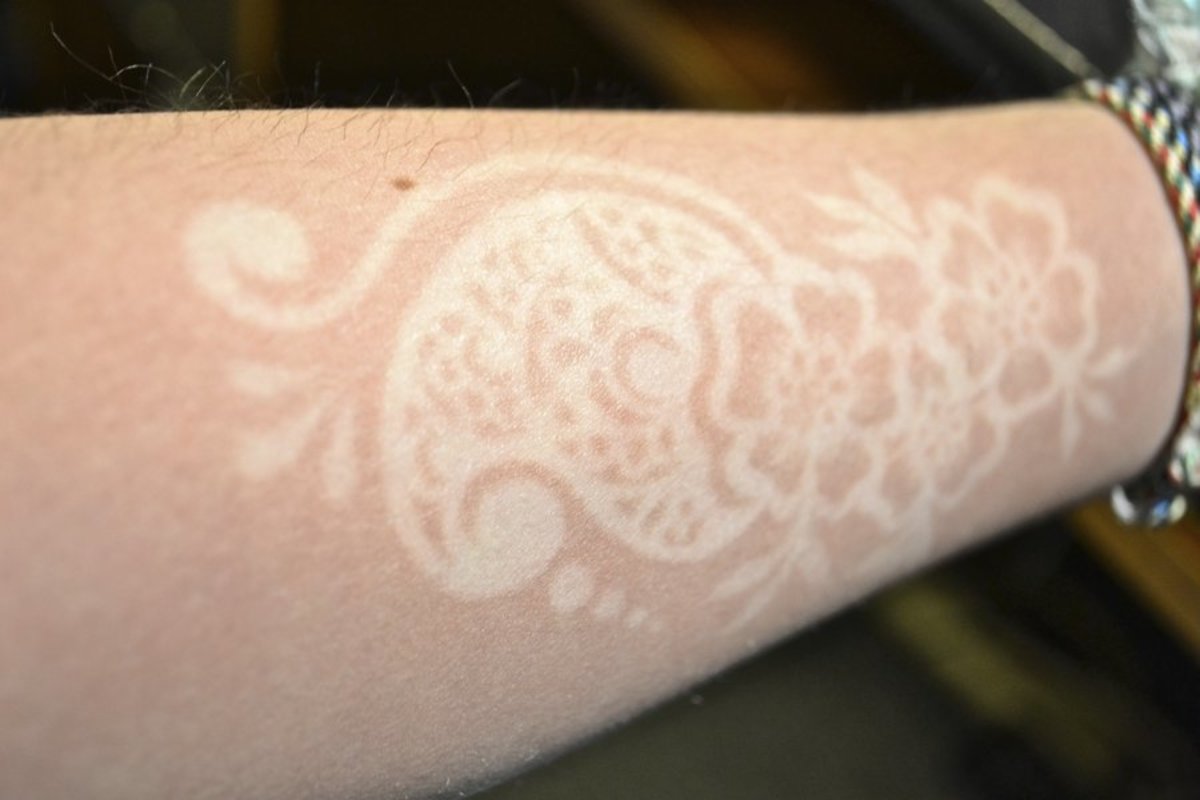
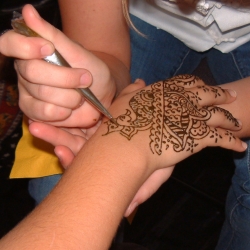
Most people will recognize "mehandi" by its Americanized name, as the art of henna body painting. Although often mistakenly identified as a "temporary tattoo" henna is done on the surface of the skin, not into it as with tattooing. Henna is an organic plant material, dried and powdered, and then mixed with water and essential oils to make a temporary stain on the skin.
The customs of painting elaborate henna skin designs hail from India and the Middle East, but the practice has spread to Europe and America and can be found there in traditional and pop culture applications.
The traditional body paint of South America was jagua, a fermented fruit juice that turns blue-black on the skin. This too is a stain which can last for several weeks.
Henna Books and Mehandi Kits
Set aside most of a day if you're going to do henna painting. The best results come from being able to leave the henna on the skin for anywhere from about six hours to overnight. If someone says you'll get good results from only an hour or so, chances are they are using an illegal hair dye additive in their henna formula, which can cause serious and permanent skin damage to allergic individuals.


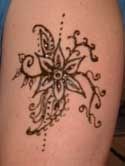
Mehandi, The Art of Henna
Mehandi or henna is a body painting form that is traditionally found in India and the Middle East. The henna plant is dried and powdered, then mixed with essential oils and water to make a thick paste. This is daubed or squirted on the skin in elaborate patterns and leaves a reddish-brown dark stain. These designs last for several weeks before wearing off. Henna will stain the skin any color ranging from orange to very dark brown. It does not stain the skin black which is a common misperception.
Henna is used traditionally as a decoration on the hands and feet of brides in India. Elaborate floral and decorative motifs of gods and goddesses are painted, with the belief that the longer the stains last, the more blessings are brought to the newly married couple. In Islamic cultures, henna (which works by staining) is considered to not be polluting to the body like makeup or other substances that sit on top of the skin.
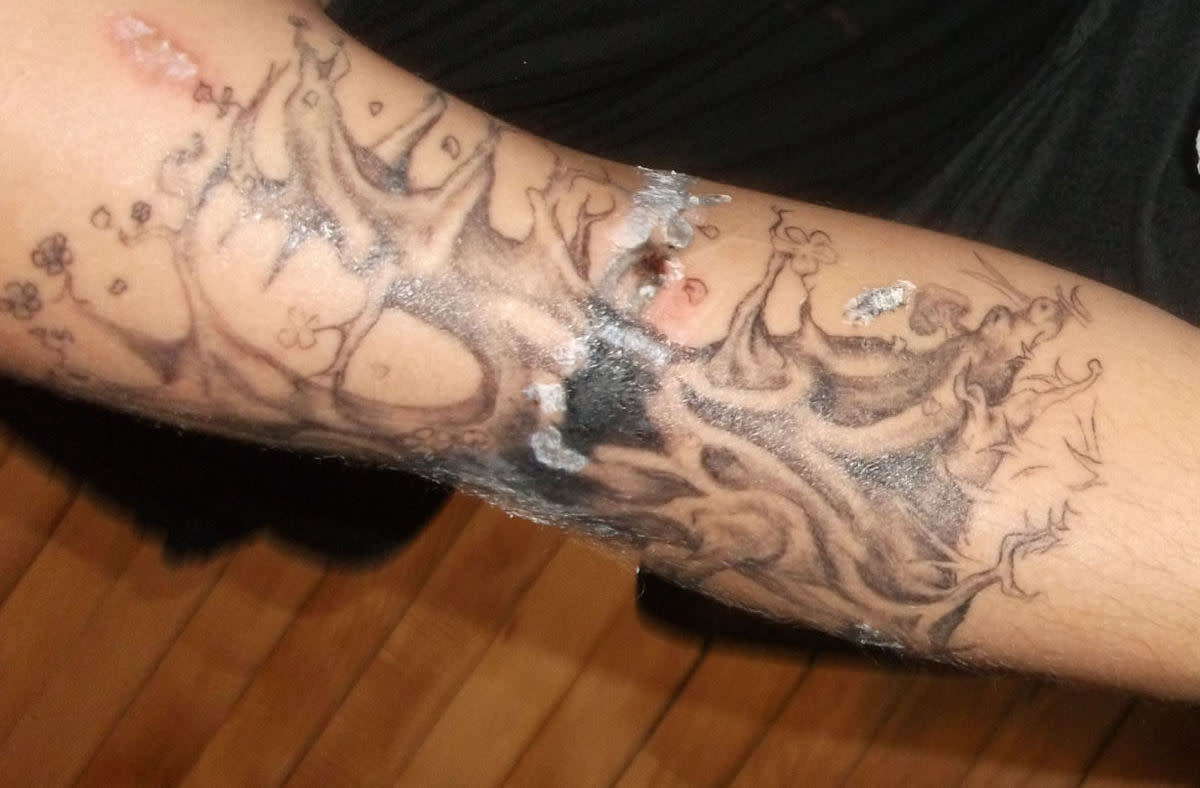
Sadly, unscrupulous body painters in the US have started to add a black hair dye to their henna pastes in an attempt to make darker stains and this can lead to serious skin reactions that can cause permanent scarring in some individuals. Be sure to educate yourself about the so-called "black henna" before letting anyone paint you with henna.
Henna and Mehandi Links, Info and Resources
- Mehandi.com shop - Henna, Indigo and Harquus .... body art and hair care supplies that are hard to f
Mehandi.com has indigo for woading, harquus for temporary tattoos, and henna body art supplies, as well as henna, indigo and cassia for safe, natural hair dying! - Designes For Hands
The introduction of Mehendi into Euro-American culture is a recent phenomenon. Today Mehendi, as trendy alternative to tattoos, is an in-thing in the West. - Mehandi Henna
How to make polypack Mehandi / Heena Cone and apply henna - Mehndi - Wikipedia, the free encyclopedia
Mehndi (or mehendi or mehandi or mylanji) is the application of henna as a temporary form of skin decoration, most popular in South Asia, the Middle East, North Africa and Somaliland as well as expatriate communities from these areas. It is typically - mehndi
What is Mehndi? How is it made? Where on the body is it decorated? How long does it stay on the body? How long does it take to decorate? What kind of motifs are used? What is the experience of being Hennaed like? - The Art of Mehndi
I was a semi-professional mehndi artist from 1994 to 2003. My experience spans from painting the public at volunteer festivals about India to being resident mehndi artist at salons, weddings, and parties. - The Henna Page - The most complete henna information resource!
The Henna Page is an educational resource devoted to the history, traditions, techniques, science and art of Henna, and is part of a site group devoted to Henna and related arts. - Henna (Mehndi)
Staining the nails, skin and hair with henna is the favorite way of enhancing beauty amongst women in the Middle East. It is used as both a hair treatment as well as a dye to make decorative designs on the skin. Henna cosmetics are made from the Egyp
Have you tried Henna? - And did you like it?
How was your henna experience?
Jagua Body Paint
In South America, the fruit of a flowering tree was picked and fermented slightly and then painted on the skin. Jagua is a stain which oxidizes, developing a blue-black color on the skin and lasting for up to a fortnight.

Click to Buy From Art.com