Somatic cell nuclear transfer

cloning

cloning


Another Nuclear Deal
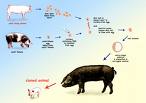
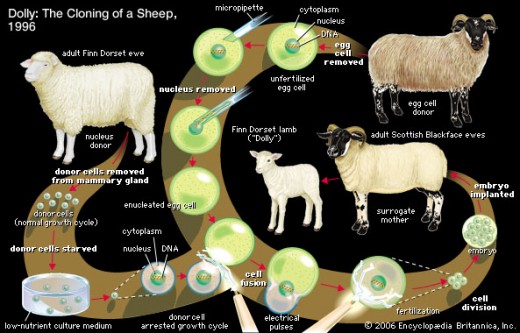
Experiments in cloning have come to India.They Involve creating an organism genetically identical to another cell.There are broadly two kinds of cloning, reproductive and therapeutic.Both are done through a process known as somatic cell nuclear transfer.(SCNT)
Somatic cell nuclear transfer-The DNA of a female egg is replaced by a somatic(asexual)cell of an adult male to form an embryo and then put back into the womb to grow for reproductive cloning.In therapeutic cloning, the cells are used for curing different diseases and for organ transplant.
In reproductive cloning the embryo after SCINTis implanted into uterus(of the Donner of the ovum or a surrogate receptive) and allowed to develop into a foetus and whole organism.The organism developed is genetically identical to the donor of the somatic cell nucleus.
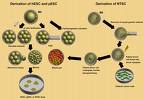
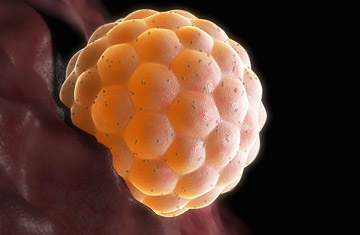
In therapeutic cloning development of the embryo after SCNT is stopped at the blastocyst stage and stem cells are extracted from the inner cell mass. These stem cells could be differentiated into desired tissue which could then be transplanted into the original donor of the nucleus, avoiding rejection.
how cloning is different from a test tube baby-
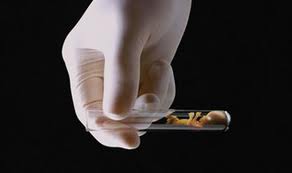
A test tube baby is created through the process of in-Vito fertilisation wherein an egg is fertilized outside the body with sperm from donor and then implanted in the uterus of the biological or surrogate mother.Initially IVF was developed to overcome infertility due to problems of the fallopian tube,but it turned out that it was successful in many other infertility situations as well. The Introduction of intracytoplasmic sperm injection(ICSI) addresses the problem of male infertility a large extent.For IVF to be successful it may be easier to say that it requires healthy ova, sperm that can fertilise, and a uterus that can maintain pregnancy. Due to the costs of the procedure,IVF is generally attempted only after less expensive options have failed.This means that IVF can be used for females who have already gone through menopause.The donated oyster can be fertilised in a crucible. If the fertilisation is successful, the zygote will be transferred into the uterus, within which it will develop into an embryo
Method
Ovarian stimulationTreatment cycles are typically started on the third day of menstruation and consist of regimen of fertility medications to stimulate the development of multiple follicles of the ovaries.In most patients inject able gonadotropins(usually FSH analogues) are used under close monitoring. Such monitoring frequently checks astraddle level and, by means of gynecologic ultrasonography, follicular growth. Typically Approximately 10 days of injections will be necessary. Spontaneous ovulation during the cycle is typically prevented by the use of GnRH egoists or GnRH antagonists, which block the natural surge of luteinizing hormone (LH).
Egg retrieval
Main article: Trans vaginal oyster retrieval When follicular maturation is judged to be adequate, human chronic gonadotropin (hCG)is given. This agent, which acts as an analogue of luteinizing hormone, would cause ovulation about 42 hours after injection, but a retrieval procedure takes place just prior to that, in order to recover the egg cells from the ovary. The Eggs are retrieved from the patient using atransvaginal technique involving an ultrasound-guided needle piercing the vaginal wall to reach the ovaries. Through this needle follicles can be aspirated, and the follicular fluidics handed to the IVF laboratory to identify ova. It is common to remove between ten and thirty eggs. The retrieval procedure takes about 20minutes and is usually done under conscious sedation or general anesthesia.
Fertilisation
In the laboratory, the identified eggs are ripped of surrounding cells and prepared for fertilisation. In the meantime, semen is prepared for fertilisation by removing inactive cells and seminal fluid. If semen is being provided by sperm donor, it will usually have been prepared for treatment before being frozen and quarantined, and it will be thawed ready for use.The sperm and the egg are incubated together(at a ratio of about 75,000:1) in the culture media for about 18 hours. In most cases, the egg will be fertilised by that time and the fertilised egg will show two pro nuclei. In certain situations,such as low sperm count or motility, a single sperm may be injected directly into the egg using intracytoplasmic sperm injection (ICSI).The fertilised egg is passed to a special growth medium and left for about 48 hours until the egg as reached the 6-8 cell stage.
Selection
Laboratories have developed grading methods to judge oocyte and embryo quality. Typically,embryos that have reached the 6-8 cell stage are transferred three days after retrieval. In many American and Australian programmes[citationneeded], however, embryos are placed into an extended culture system with a transfer done at the blastocyst stage at around five days after retrieval, especially if many good-quality embryos are still available on day 3. Blastocyst transfers have been shown to result in higher pregnancy rates.In Europe, transfers after 2 days are common.
Embryo transfer
Embryos are graded by the embryologist base-don the number of cells, evenness of growth and degree of fragmentation. The number to be transferred depends on the number available,the age of the woman and other health and diagnostic factors. In countries such as the UK,Australia and New Zealand, a maximum of two embryos are transferred except in unusual circumstances. In the UK and according to HFEA regulations, a woman over 40 may have up to three embryos transferred, whereas in theUSA, younger women may have many embryos transferred based on individual fertility diagnosis. Most clinics and country regulatory bodies seek to minimise the risk of pregnancies carrying multiples. The embryos judged to be the "best" are transferred to the patients uterus through a thin, plastic catheter, which goes through her vagina and cervix. Several embryos may be passed into the uterus to improve chances of implantation and pregnancy.
Pregnancy rates
Pregnancy rate is the success rate for pregnancy. For IVF, it is the percentage of all attempts that lead to pregnancy, with attempts generally referring to menstrual cycles where eggs are retrieved and fertilised in Vitro.With enhanced technology, the pregnancy rates are substantially better today than a couple of years ago. In 2006, Canadian clinics reported an average pregnancy rate of 35%.
Effect of stress
According to a 2005 Swedish study published in the Oxford Journal Human Reproduction, 166 women were monitored starting one month before their IVF cycles and the results showed no significant correlation between psychological stress and their IVF outcomes.The study concluded with the recommendation to clinics that it might be possible to reduce the stress experienced by IVF patients during the treatment procedure by informing them of those findings. While psychological stress experienced during a cycle might not influence an IVF outcome, it is possible that the experience of IVF can result in stress that leads to depression. The financial consequences alone of IVF can influence anxiety and become overwhelming. However, for many couples, the alternative is infertility, and the experience of infertility itself can also cause extreme stress and depression.
Live birth rate
Live birth rate is the percentage of all IVF cycles that lead to live birth, and is the pregnancy rate adjusted for miscarriage. These percentages are for successful pregnancies, regardless of the number of children born, as twins and larger multiple-order births are more common in IVF cycles.In 2006, Canadian clinics reported a live birth rate of 27%.[2] A summary of 2006 reports from US clinics for cycles that did not involve donor eggs gave success rates varied widely by the age of the prospective mother, with a peak at42.6% for 27-year-old. Rates for younger patients were slightly lower, with a success rate of 35.3% for those 21 and younger, the youngest group evaluated. Success rates for older patients were also lower and decrease with age,with 37-year-old at 27.4% and no live births for those older than 48, the oldest group evaluated.
Complications
The major complication of IVF is the risk of multiple births. This is directly related to the practice of transferring multiple embryos at embryo transfer. Multiple births are related to increased risk of pregnancy loss, obstetrical complications, prematurity, and neonatal morbidity with the potential for long term damage. Strict limits on the number of embryos that may be transferred have been enacted in some countries (e.g., England) to reduce the risk of high-order multiples (triplets or more),but are not universally followed or accepted.Spontaneous splitting of embryos in the womb after transfer can occur, but this is rare and would lead to identical twins. A double blind,randomised study followed IVF pregnancies that resulted in 73 infants (33 boys and 40 girls)and reported that 8.7% of singleton infants and54.2% of twins had a birth weight of < 2500 g.However recent evidence suggest that singleton offspring after IVF is at higher risk for lower birth weight for unknown reasons.Another risk of ovarian stimulation is the development of ovarian hyper stimulation
syndrome
If the underlying infertility is related to abnormalities in spermatogenesis, it is plausible, but too early to examine that male offspring is at higher risk for spermabnormalities.Birth defects The issue of birth defects has been controversial topic in IVF. Many studies do not show a significant increase after use of IVF, and some studies suggest higher rates for ICSI,whereas others do not support this finding.In2008, an analysis of the data of the National Birth Defects Study in the US found that certain birth defects were significantly more common in infants conceived with IVF, notably sepal heart defects, cleft lip with or without cleft palate,esophageal atresia, and anorectic Atria; the mechanism of causality is unclear.Japan's government prohibited the use of invitro fertilisation procedures for couples in which both partners are infected with HIV.Despite the fact that the ethics committee previously allowed the Ogikubo Hospital,located in Tokyo, to use in Vito fertilisation for couples with HIV, the Health, Labour and Welfare Ministry of Japan decided to block the practice. Hideji Hanabusa, the vice president of the Ogikubo Hospital, states that together with his colleagues, he managed to develop a method through which scientists are able to remove the AIDS virus from sperm.
Embryo & Oocyte Donation
The first transfer of an embryo from one human to another resulting in pregnancy was reported in July 1983 and subsequently led to the announcement of the first human birth resulting from IVF on February 3, 1984.[10] It was accomplished by in Vito fertilisation, a process that was derived from animal husbandry. This procedure was performed at the Harbor UCLA Medical Center [11] under the direction of Dr.John Buster and the University of Californiaat Los Angeles School of Medicine.In the procedure, an embryo that was just beginning to develop was transferred from one woman in whom it had been conceived by artificial insemination to another woman who gave birth to the infant 38 weeks later. The sperm used in the artificial insemination came from the husband of the woman who bore the baby.Donor embryo transfer has given women a mechanism to become pregnant and give birth to a child that will contain their husband’s genetic makeup. Although donor embryo transfer as practiced today has evolved from the original non-surgical method, it now accounts for approximately 5% of in Vito fertilisation recorded births.Prior to this, women who were infertile, had adoption as the only path to parenthood. This set the stage to allow open and can did discussion of embryo donation and transfer.This break through has given way to the donation of human embryos as a common practice similar to other donations such as blood and major organ donations. At the time of this announcement the event was captured by major news carriers and fueled healthy debate and discussion on this practice which impacted the future of reproductive medicine by creating platform for further advancements in woman's health.
Human cloning
Do you believe on cloning? Will you try that?
Cell fusion generator
- First Human Somatic Cell Nuclear Transfer Reported
- Cloning Techniques
Techniques used in cloning. - Home | Mail Online
MailOnline - all the latest news, sport, showbiz, science and health stories from around the world from the Daily Mail and Mail on Sunday newspapers World's first test-tube baby is - DNA PLUS
DNA Paternity ID Testing Test, Kits Home Kits, Drug Kits, Alcohol Screening.