Thrust vectoring Sukhoi Su-30 MKI Part II

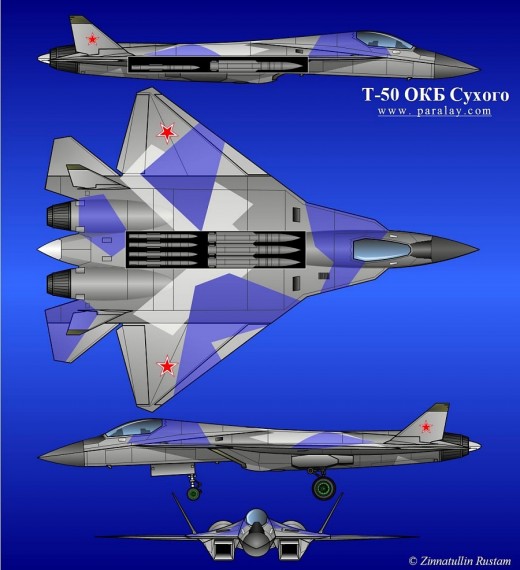
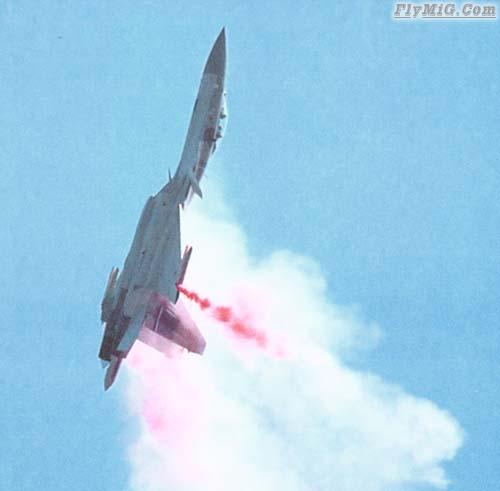
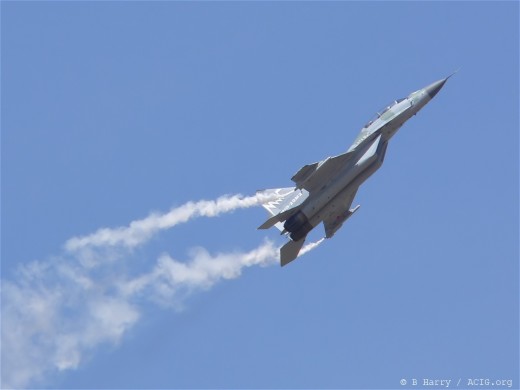
Do you think that V-22 Osprey has better thrust vectoring system than Indian Sukhoi Su30 MKI
This hub is the second edition to my previous hub Sukhoi Su-30 MKI - Purpose of Thrust Vectoring. In my previous hub, we talked about what is thrust vectoring, what is 2D and 3D thrust vectoring, how thrust vectoring nozzle is controlled in Sukhoi, some facts which make thrust vectoring difficult for other planes, and which other aircrafts are using the thrust vectoring system.
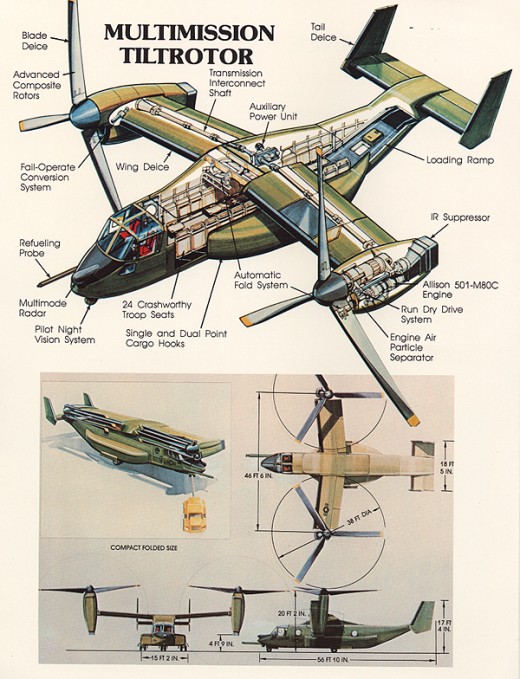
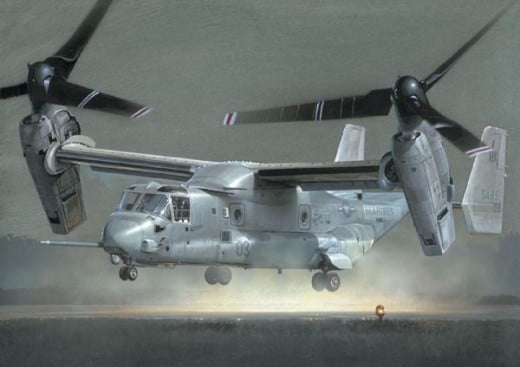
In that hub, I promised that I would share some advanced aspects related to the thrust vectoring system, so first of all, I will start with comparing Sukhoi with V-22 Osprey which is a short takeoff landing and vertical takeoff landing multi mission tilt rotor aircraft.
Thrust Vectoring Indian Sukhoi MKI versus American V-22 Osprey
Some vital information on V-22 Osprey
The V-22 is meant to operate at subsonic speeds, in a regime at which, the jet is highly inefficient. It has been made to cater to requirements of all 4 US armed services.
Thrust vector testing of V-22 by US
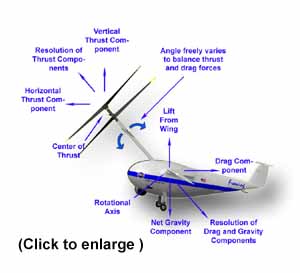
What Americans wanted to test in the V-22 was whether the concept of rotating the whole engine mounted at the wing tips is a feasible idea or not. Now, this is easier to do in the propeller than the jet, since in the jet, we have to take care of a number of other factors like jet intake and exhaust, etc. now when I say easy, I mean in a relative sense only. Designing such a bearing-based structure is very difficult. However, the conclusion was that such a configuration is very problematic in terms of stability issues.
It is like this, initially the V22 is on the ship deck and the engines are in a vertical configuration like in a helicopter, so the V-22 lifts off easily like a helicopter, now the problem comes when it switches over from this configuration to the regular propeller based a/c configuration, i.e., the engines rotate, so that now the thrust is in the horizontal direction so that the weight of the aircraft is supported by lift now and not the engines.
During this transition, the stability issues are significant and the Americans found that these problems are fairly complicated rendering the concept not viable in the short term.
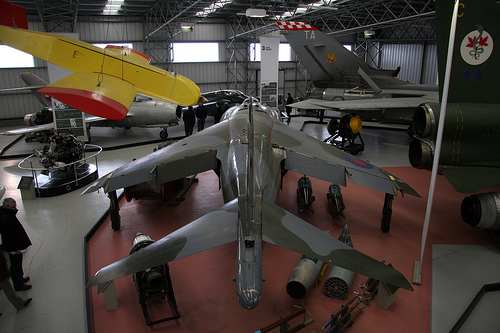
Now propellers just make more sense when we talk about such a configuration because remember that in a jet engine, the efficiency is very low when the forward velocity is low. Besides V-22, Harrier is somehow able to solve this problem by boosting the exhaust; however, if you rotate the whole engine, then you are changing the flow of the intake air, which is a big factor in deciding the efficiency. Due to these problems, the propeller becomes an obvious choice.
Another example to study such a configuration is to look at the fairly common RC planes that exist nowadays often called the T-type. You can find some built and tested models on some Australian and American universities.
These planes have fixed engines on their wings with propellers providing thrust in the horizontal direction but their tails are designed such that the plane can actually stand on the tail rather than kept horizontally on landing gears like a normal plane, so the plane just takes off with its nose up, achieving a vertical take-off like a helicopter. Once it is at the required altitude, another small booster engine (a small prop at the tail) is fired to give a moment about the center of gravity to align the plain horizontally and then the thrust points in the horizontal direction again, so here we are using a separate booster engine to vector the thrust back to the normal direction and in V-22 Osprey, they simply tilt the engine.
P.S.: Despite the fact that the V-22 was mostly a failure in terms of validating the feasibility of using a new concept commercially, it is a cool plane and there are several great desktop backgrounds of V-22 that can be found on the net. For any aviation fanatic who has a mechanical background, the V-22 and the A-10 form great backgrounds on their computers.
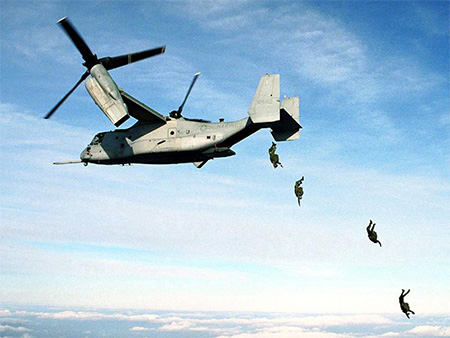
Osprey V-22 Tilt Rotor Aircraft Over Ocracoke Island


Related
All Cars With the BMW M50 Engine
Ford Duratec Engine Series: Mondeo/Contour 2.5L V6, EcoBoost, Cyclone V6, and Duratec I4
Rites of Passage for a Model Railway - 17: Benchmark - Tank Loco Models, Are They up to Spec?

7 Sites Like Google - Other Popular Search Engines
Guide to Remote Control RC Model Helicopters: What Are 2, 3, 3.5, 4, and 6 Channel Helis? What Is a Gyro?