How to Reduce The Amount of Trash You Toss Out

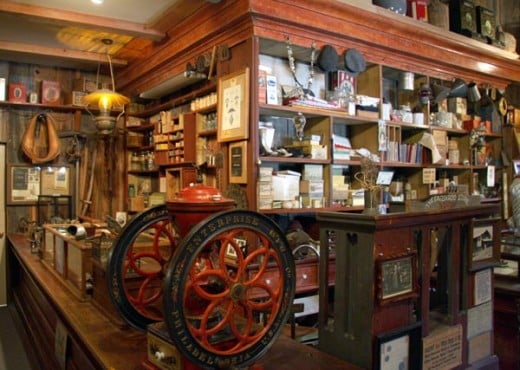
If we could look into an old general store of a century ago we would see that there have been some big changes in the way we shop.
We have more choices and more products now but the variety of items is also accompanied by a lot more trash. A hundred years ago there were no plastic containers, aluminum cans, foil packets, poly packs, blister wraps, styrofoam trays or shrink wraps. There were no six pack cartons, plastic overwraps or resealable plastic clamshells.
The person behind the general store counter would not have asked if you wanted plastic or paper bags because you would have brought your own basket or cloth sack to carry your purchases home.
Brown Paper packages tied up with string...
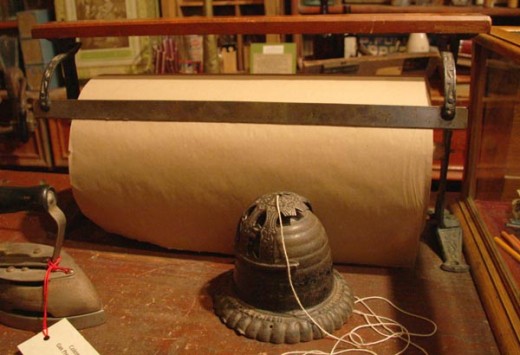
If you bought something that needed to be wrapped, like a nice wedge of cheese cut from a wax-covered wheel, it might have been wrapped in some brown paper and tied with string.
Both the paper and string could be saved and re-used for something else when you got home.
Recycle, Reuse
Old glass and metal containers also found new purposes in a household.
Flour, rice, and other dry foods came in large cotton bags, which later became dishtowels, curtains or even diapers.
Likewise, burlap sacks full of feed or beans, would be put to another use, once empty.
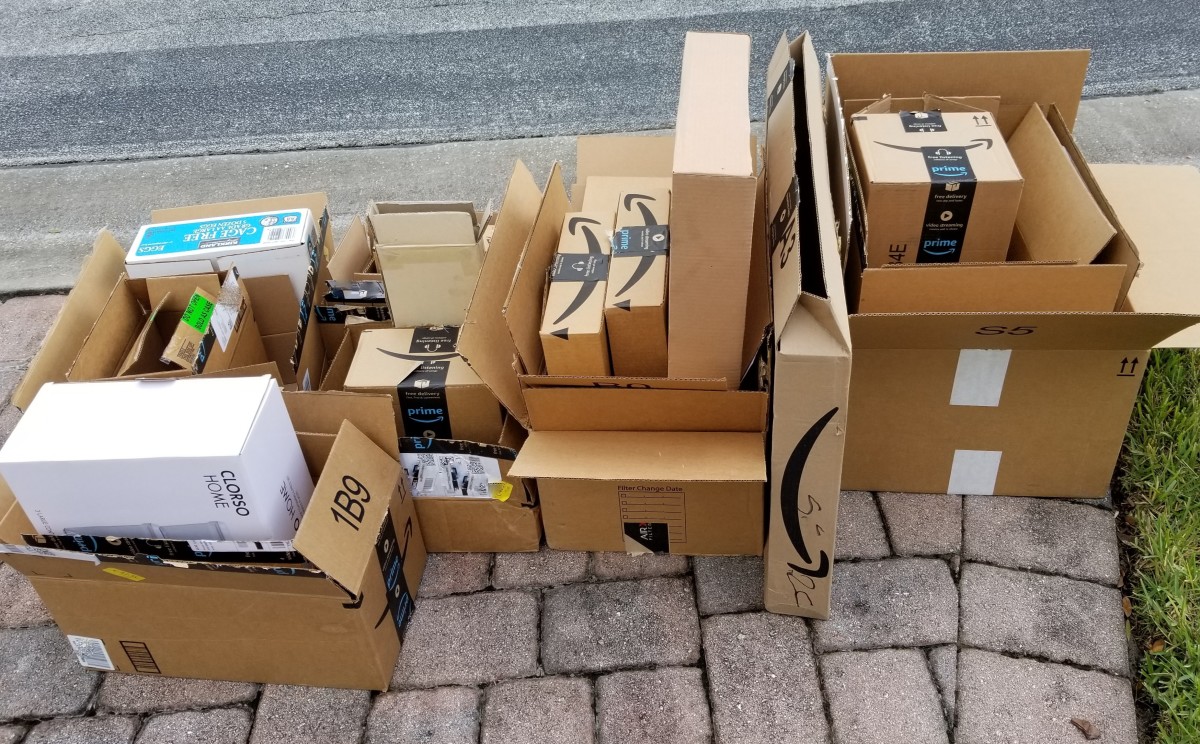
Today it seems like half of everything we put in our grocery cart, consists of excess packaging that immediately goes into a trashcan, and eventually to a landfill.
We can understand that the innovations in modern packaging came from good intentions to preserve freshness of products, to extend shelf-life and to avoid contamination, but often the packaging has become overdone.
I bought a packaged nutritional supplement the other day. It was over-wrapped with cellophane. The box had an interior panel which separated the plastic jar from an empty space that made the box look larger. The plastic container had the number of tablets listed-- but was more than twice the size it needed to be.
General Store -Mariposa Museum and History Center
Throwaway Society
People have been moaning about the evils of throwaway society for decades yet it seems that there is an ever increasing problem with the disposal of trash, much of which comes from the grocery store.
Even though more people than ever are doing some recycling, either voluntarily or under the pressure of legislated ordinances, our landfills are overflowing. This would not be so bad if the "trash" were mostly biodegradable but most of it seems to be durable plastic.
If you live in the city or suburbs your trash seems to magically dissappear after the arrival of a huge trash truck. If you live in a rural area where you have to personally haul your own trash to the landfill, you may be more aware of the huge problem trash is causing. You may also notice that disposal fees are rising.
Things you can do to bring home less trash:
- Concentrate. More products, like detergents and cleaning products are being concentrated and sold in smaller containers that use less plastic.
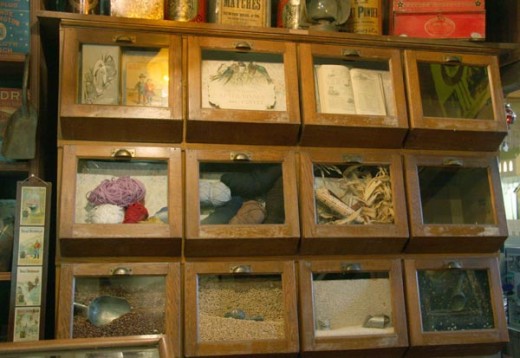
- Bulk up. Bulk bins for cereals, nuts, grains and other dry foods eliminate a lot of packaging.
A Few Easy Steps
Use your own bags. In many places, single use plastic bags are being eliminated. In California grocery stores are offering multi-use heavy plastic bags meant to be reusable, and charging the customer 10 cents each. I'm wondering if this is going to cause sturdier plastic to go to the land fills.
Buy more fresh, unprocessed foods. Even fresh fruits and vegetables are more and more beginning to be packaged in plastic containers. Look for unpackaged produce. Shop at a farmers market when you have a chance.
Avoid styrofoam trays. Some markets are reinstating the old fashioned butcher counter where fish poultry and meats can be selected and wrapped in butcher paper-- no styro tray. You might give vegetarian fare a chance, maybe even if only once or twice a week.
Use What You Have
Self- sufficiency.
If you live in a place with a little land you might try some vegetable gardening. Every food item you can grow cuts down of packaged food to buy. If you can keep a couple of hens-- you won't have egg cartons to toss out.
Compost.
Your garden will love coffee grounds and the peelings and trimming you don't have to put in the garbage. Shredded paper added to your mulch, decomposes and stays out of the trash
Re- use containers.
If you have a certain item that you buy regularly like peanut butter in a plastic jar, wash and reuse the jars to organize nails, nuts, bolts, or sewing and crafting supplies.
Some pasta sauce jars come in re-useable canning jars. If you don't do canning, save them for someone who does.
Use fewer paper towels and napkins.
Buy a bunch of inexpensive washable dishcloths to wipe up spills or use for napkins instead of buying so many paper products.
When you shop, look for items with less packaging.
What do you do to help stem the flow of trash? Please add your ideas.