Vitamins and Premenopause

Vitamins
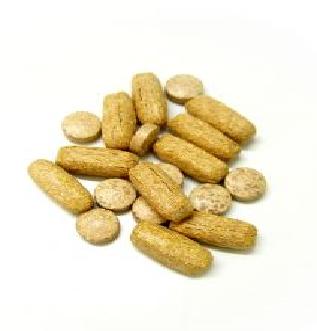
Vitamins may help to support the health of women experiencing premenopausal symptoms. It is most important to recognize that an adequate hormonal supply and hormonal balance greatly reduces the expression of these symptoms. The first course of action is to help stabilize and regulate the hormonal balance, then further support the premenopausal condition with a healthy diet and lifestyle, supported by vitamins and supplements.
Hormone Levels
A stabilized balance of estrogen and progesterone levels in the body greatly affects the premenopausal state. While the body's production of estrogen can be supported and boosted with herbal supplements and vitamins, progesterone supplements may be needed when the ovaries no longer produce this hormone. Progesterone is available from both synthetic and natural sources.
Vitamins as Hormone Precursors
The vitamins that are effective in relieving premenopausal symptoms help the body by acting as precursors--chemicals that are changed into another compound--for estrogen and progesterone. These vitamins include vitamin E, vitamin A, and vitamin B5.
Types of Vitamins
The vitamins that yield the best
results in curbing premenopause symptoms include amino acids, the protein
building blocks, and antioxidants, organic substances that protect tissues from
oxidation. Furthermore, bioflavonoids, yellow compounds found in plants, such
as citrus and rose hips, and neuronutrients, which support nerve health, also
help balance the body's hormonal expression. Herbal extracts, enzymes and
carotenoids are other vitamins and supplements that provide premenopause
support.
Herbal extracts are potent concentrations of herbs, enzymes are proteins that
work to catalyze chemical reactions, and carotenoids are the yellow and red
pigments found in plants and animals. There are many formulations of these
vitamins available for convenient use.
Black Cohosh
Taking black cohosh as a vitamin supplement helps to relieve some of the physical symptoms of the premenopausal state, such as irritability, hot flashes, irregular sleep, vertigo and heart palpitations. According to Safe Alternative Medicine, black cohosh is a natural source of calcium, potassium, phosphorus, vitamin A and vitamin B5.
Isoflavones and Red Clover
Isoflavones help to lower
cholesterol and they lower the amount of stress proteins that are produced in
the cells. They are found in many legumes, such as beans, and they are known to
play a beneficial role in osteoporosis, vaginitis and autoimmune conditions.
Using red clover may help with breast tenderness and hot flashes. According to
Vitamin Stuff, red clover is a natural source of vitamin E and the
phytoestrogens--plant compounds that function like estrogen--genistein,
daidzein, biochanin-A and formononetin.
When to Begin?
Taking vitamins for premenopausal symptoms can begin long before menopause sets in. Taking these vitamins and supplements, enhanced with a balanced, whole-food diet and healthy lifestyle, should begin in the 20s, when a woman's body is very strong. These vitamins will continue to support the overall health of the woman as she enters her menopausal years.