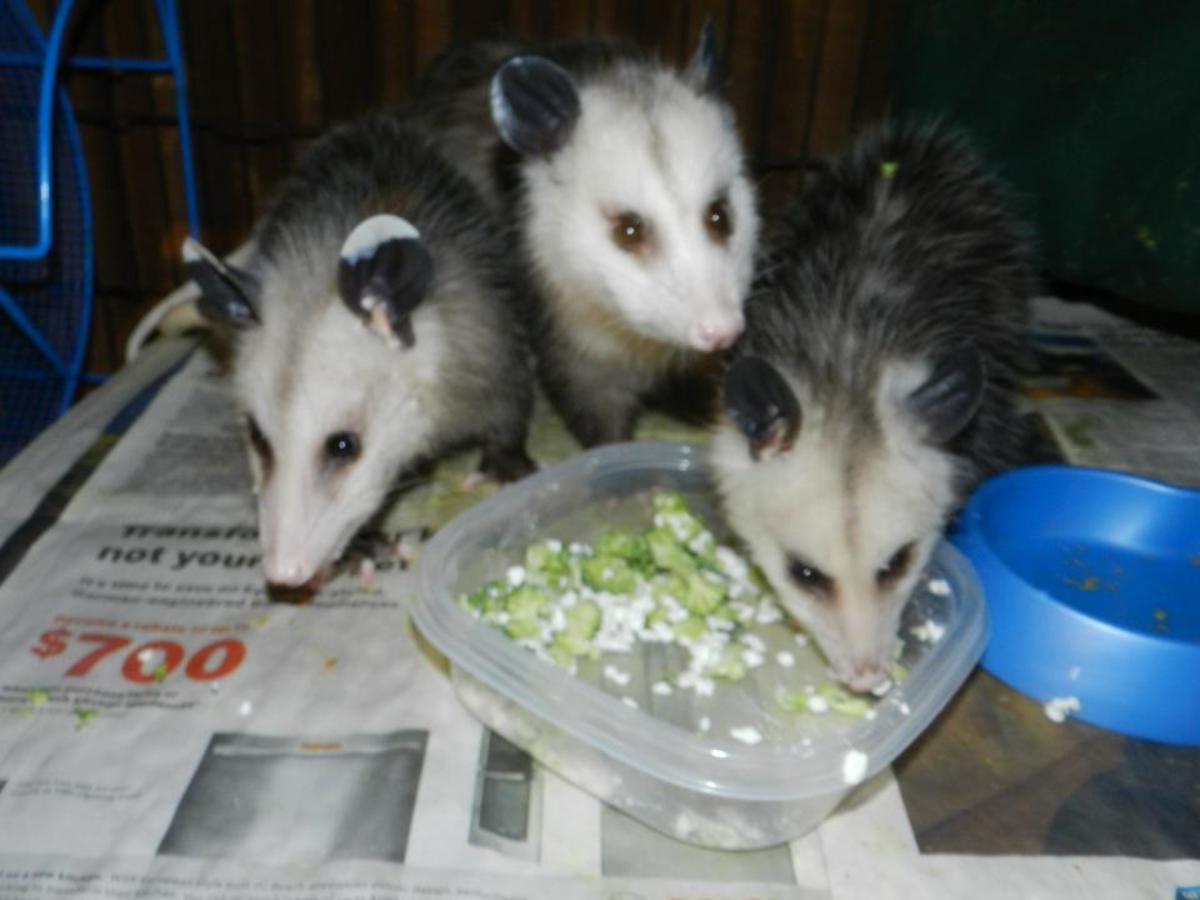
Wildlife Officials Warn About 'Rescuing' Young Deer, Other Wild Animals

Officials: Don't Mistakenly 'Rescue' Wildlife
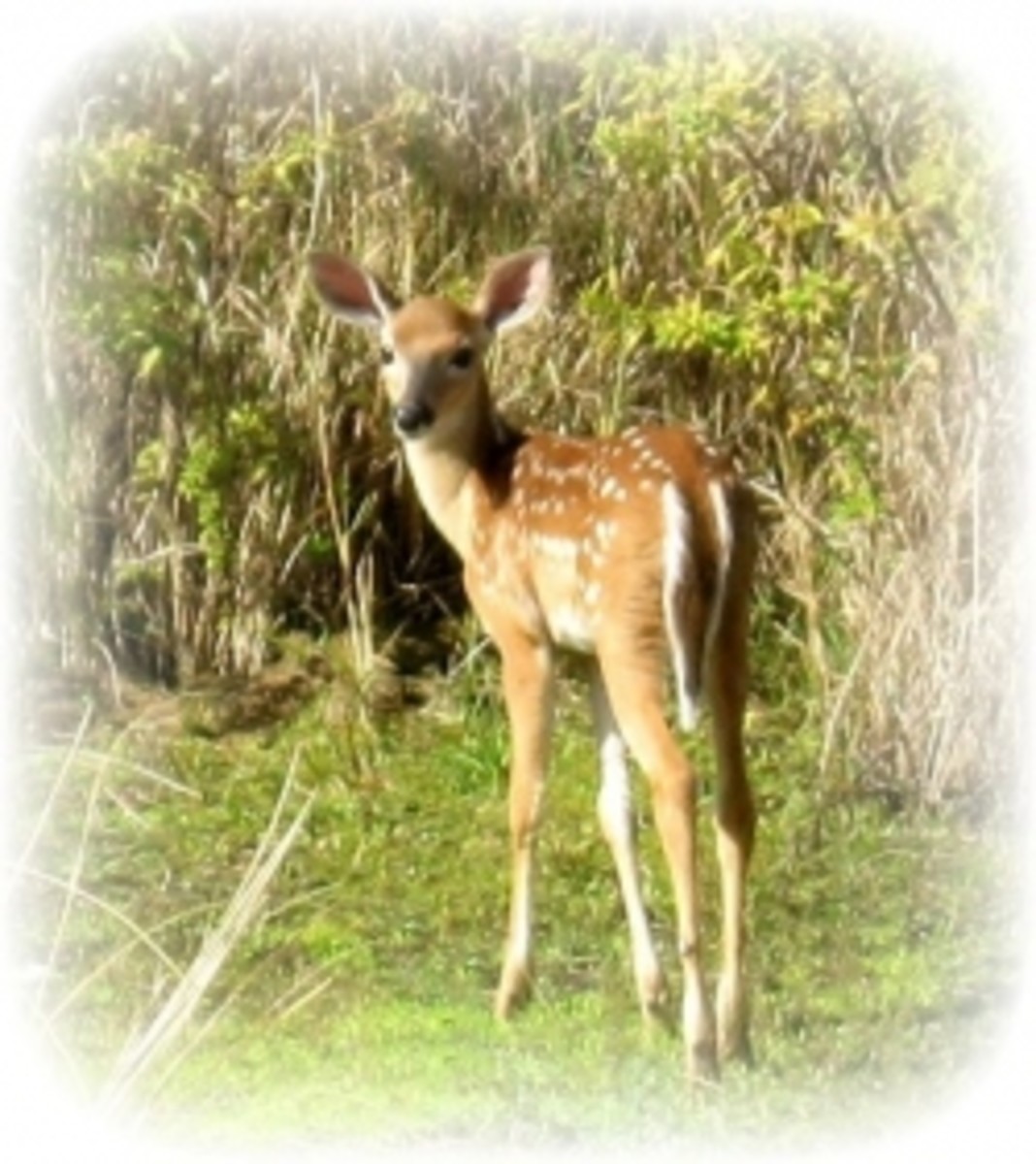
With late spring and early summer being the peak time for wildlife to bear their young, wildlife advocates are warning people not to “rescue” young deer and other animals they think may have been abandoned in the wild.
The warnings are coming from across the nation, including in California, where officials with the The SPCA for Monterey County say they’ve taken in 11 young deer this year, with six of them being healthy babies who were needlessly taken from their mothers.
Two of the young deer, called fawns, were returned to the wild and reunited with their mothers, but sadly, two did not survive their “rescue.” Two other fawns were still being cared for by the SPCA.
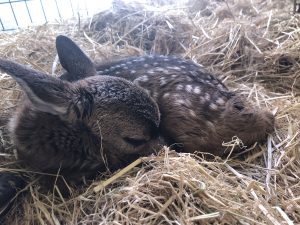
Wildlife Expert: "Common Mistake' to Think a Young Animal Has Been Abandoned
Wildlife officials caution that mothers of deer and other animals often leave their young alone while they search for food. And though well intentioned, young animals that are picked up and removed from the wild often don’t survive.
“It is a common mistake to believe a young animal has been abandoned when it is found alone, even if the mother has not been observed in the area for a long period of time,” Nicole Carion, statewide wildlife rehabilitation coordinator for the California Department of Fish and Wildlife, said in the department’s blog.
“Chances are the mother is off seeking food, or she could be nearby, waiting for you to leave.”
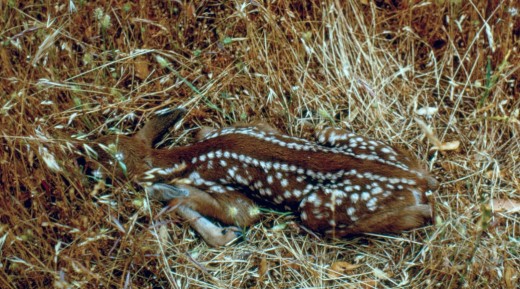
Indeed, SPCA of Monterey County officials caution mother deer will leave their young deer alone in a tall grass or brush for most of day while they forage for food, returning at dusk.
“These fawns are not abandoned; the mother is likely out of sight watching you,” Dawn Fenton, the group’s Education and Outreach Manager, said in a statement.
“If you find a fawn lying quietly in the grass leave it where it is, stay back and out of sight, and keep dogs as far away as possible. The mother will not return if she senses people or dogs are too close,” Fenton said.
What To Look For To Determine if a Young Deer Really Needs Help
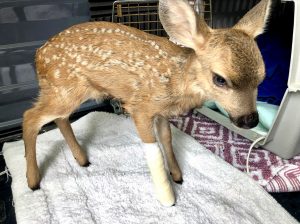
Still, if you happen to come across a young deer that you think might need help, the SPCA urges you to look for these signs of distress.
-
Labored breathing
-
Walking and vocalizing for over an hour
-
Blood
- Clearly broken bones
- Lying prone on its side (rather than curled or on its stomach)
For people coming upon a young animal and seeing these signs, animal care officials urge making a call to a wildlife rescue center, an animal shelter or a state wildlife department.
Other Species Also Leave Their Young Alone
As for other species, CDFW’s Clarion notes that leaving their young alone for hours is common, including mountain lions, where a mother mountain lion may spend as much as 50 percent of her time away from her kittens.
A national animal welfare organization called Best Friends Animal Society reports every year thousands of young wild animals are picked up across the nation by otherwise caring people who believe they’re saving the animals. But in reality, if the animal is not injured or abandoned, human intervention is actually decreasing its chances for survival.
Best Friends provides on its website a number of guidelines whether to try to rescue different types of animals, while the Humane Society of America also provides advice on its website if a young animal truly needs help.
You Might Also Enjoy This Story About One Of The World's Oldest Sea Otters
- One of the World’s Oldest Sea Otters Enjoys 20th Birthday at the Oregon Zoo
Eddie the sea otter has lived a long life after being abandoned as a youth on a California beach.