Era of Neuromanagement


What is Neuromanagement?
Neuromanagement utilizes cognitive neuroscience, among other lifestyle science areas, and technologies to examine economic and managerial difficulties. It concentrates on researching human brain actions and psychological processes when individuals are facing common problems of economics and control. This study offers insight into individual decision-making along with other overall social behaviours.
Holding emotions as a significant (and inevitable) fact of the job environment is the first phase of improving purposeful performance. As “passionate machines that believe" Neuromanagement instruct leaders to focus on practices which are certified, to comprehend the psychological state of the co-workers, and also to be mindful of their impact their actions have on everybody around them.
By developing awareness of the technological foundations of individual behaviour, leaders at all levels could become better equipped to encourage their teams and align with the company's strategic direction
Research behind Neuromanagement
For many years, behavioural scientists are telling us that they have a fantastic deal to contribute to decision theory and direction. Their job most applicable to the company, however, was frequently overshadowed by that of economists. But while the assumptions of consistent behaviour and “perfect information" that formed the foundation of a lot of the work in economics concerning niches came to question, behavioural science relies on these premises gained ascendance.
In the beginning, the donations from behavioural science have been based on lab tests, a lot of them between useful school students. They aided clarify biases (at least one of those being analysed). By way of instance, we heard that people often devalue long-term yields regarding short-term earnings. They Usually Do Not buy and sell based on self-set principles.
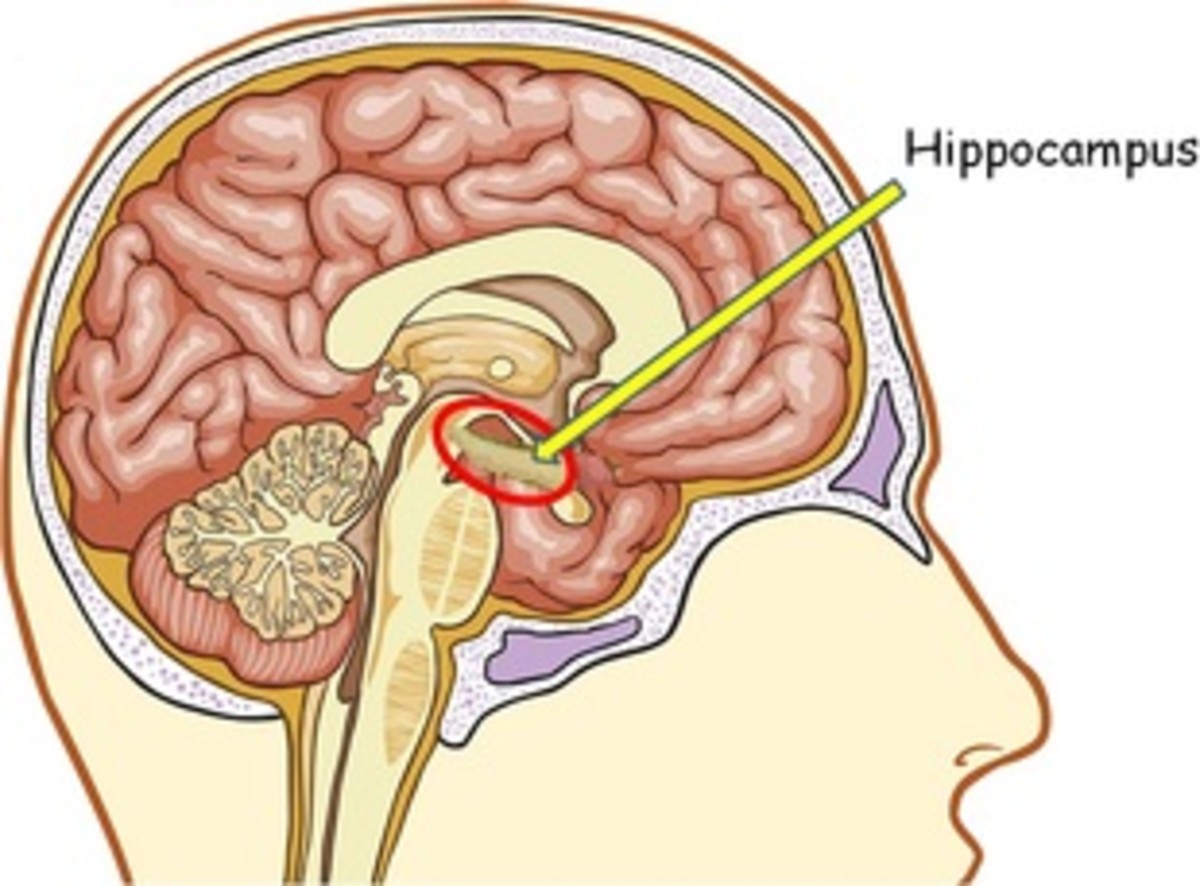
Brain scanning technology provides a new dimension to this job. It's provided fodder for publications on many different subjects, all which depend on a degree on brain response to stimulation. By introducing a variety of stimulation while scanning an individual's mind, we can start to learn which components regulate how we believe, how we react to stimulation, and also how we respond to challenges.
A recent analysis of “midlife northeast American adults" raises questions regarding whether we're entering another phase in what could be termed an age of neuromanagement. In it, some investigators claim to have discovered that brain structure and the density of cells at the ideal posterior parietal cortex are related to willingness to take risks. They found that participants with greater grey matter volume in this area shown less risk aversion. The outcomes “identify what could be considered that the very first stable biomarker for fiscal risk-attitude," according to the writers.
The analysis is a distant cousin to people that have located both sides of the mind connected with imagination and the section of the brain that's stimulated, by way of instance, by music or gambling. Assuming: (1) there will probably be more study attempts combining the results of brain scans with behavioural exercises, and (2) findings have been demonstrated to be more legitimate than, say, people related to phrenology, it raises several intriguing questions regarding the future.
Future of Neuromanagement
Might it be possible that a few organisations hiring and selecting ability might, in the long run, need a brain scan, as some need psychological testing today? Is hiring from mind structure considerably different than just hiring, by way of instance, on the grounds of height or other features necessary to carry out specific tasks? Or does this increase a lot of ethical questions? By way of instance, who will have the information? How can it be utilised? How do we employ the outcomes?