Hepatitis C

What should you know about Hepatitis C
- Many people that have Hepatitis C do not have any symptoms
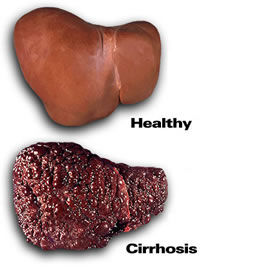
- Cirrhosis of the liver has usually developed before symptoms begin to show
- It is a viral disease that leads to the swelling (inflammation) of the liver
- Hepatitis C is one of the most chronic causes of liver diseases in the US today
- Approximately 350,000, or 35% of patients in the USA infected with HIV are also infected with the hepatitis C virus, mainly because both viruses are blood-borne and present in similar populations.
Causes
- Long term kidney dialysis
- Have a regular contact with blood (for example: health care worker)
- Unprotected sex with someone infected
- Sharing needles when using street drugs (most common)
- Receive a blood transfusion before 1992
- Receive a tattoo with a contaminated needle
- Share personal items such as toothbrushes and razor
Most people with this chronic liver disease have liver cancer or cirrhosis.
Some symptoms that might occur may range from:
- abdominal pain
- dark urine
- fatigue
- generalized itching
- jaundice
- loss of appetite
- low-grade fever
- nausea
- vomiting
- clay or clay covered stools
Treatment
- Antiviral medications Hepatitis C infection is treated with antiviral medications intended to clear the virus from your body. The doctor may recommend a combination of medications taken over several weeks. Once you complete a course of treatment, your doctor will test your blood for Hepatitis C. If Hepatitis C is still present, your doctor may recommend a second round of treatment
- Liver transplant
If your liver has been severely damaged, a liver transplant may be an option. During a liver transplant, the surgeon removes your damaged liver and replaces it with a healthy liver. Most transplanted livers come from deceased donors, though a small number come from living donors. - Vaccinations to protect against other forms of viral hepatitis
Pros & Cons
- Treatment isn't always necessary
- Treatment is not treated unless its chronic
- Approximately 50% of therapy does not work
- The treatment is very difficult on the mind and body. Side effects include flu-like symptoms, headaches, and psychiatric problems.
- Chronic hepatitis C is most often treated with the drug combination peginterferon and ribavirin, which attacks the hepatitis C virus. Peginterferon is taken through weekly shots and ribavirin is taken daily by mouth. Treatment can last from 24 to 48 weeks.
Do you or someone you know have Hepatitis C
Related

Medical Breakthrough in the Philippines in Curing Hepatitis B by Chelation Therapy

The Pros and Cons of Cob Cottages; Building a Debt Free Home!

Difference Between Gummy Bear Implants vs Regular Implants? Gummy Bear Implants Pros and Cons?

Pros and Cons of Keeping Lovebirds as Pets

Alternative Cat Litter: Shredded Paper