Basic Food Safety Tips for Food Handlers

Food Handlers have important roles in preparing and serving food to people.
Working in a restaurant (fine dining or a fast food one), food handlers are the chefs, line cooks, kitchen helpers, waiters/waitresses, busboys and even the cashiers and supervisors.
Food production has never been this complicated and it's so important to be aware of the safety that underlies on every ingredient, food menu and people who comprise the catering department of every establishment.
Food Handlers can be divided into two groups, those who work as stewards on board commercial ships and those who are working at the in-flight service of airline companies.
So, it is important for food handlers to observe and practice personal hygiene and environmental sanitation. These two factors are important in order to avoid food-related problems. Let's ponder on closely.
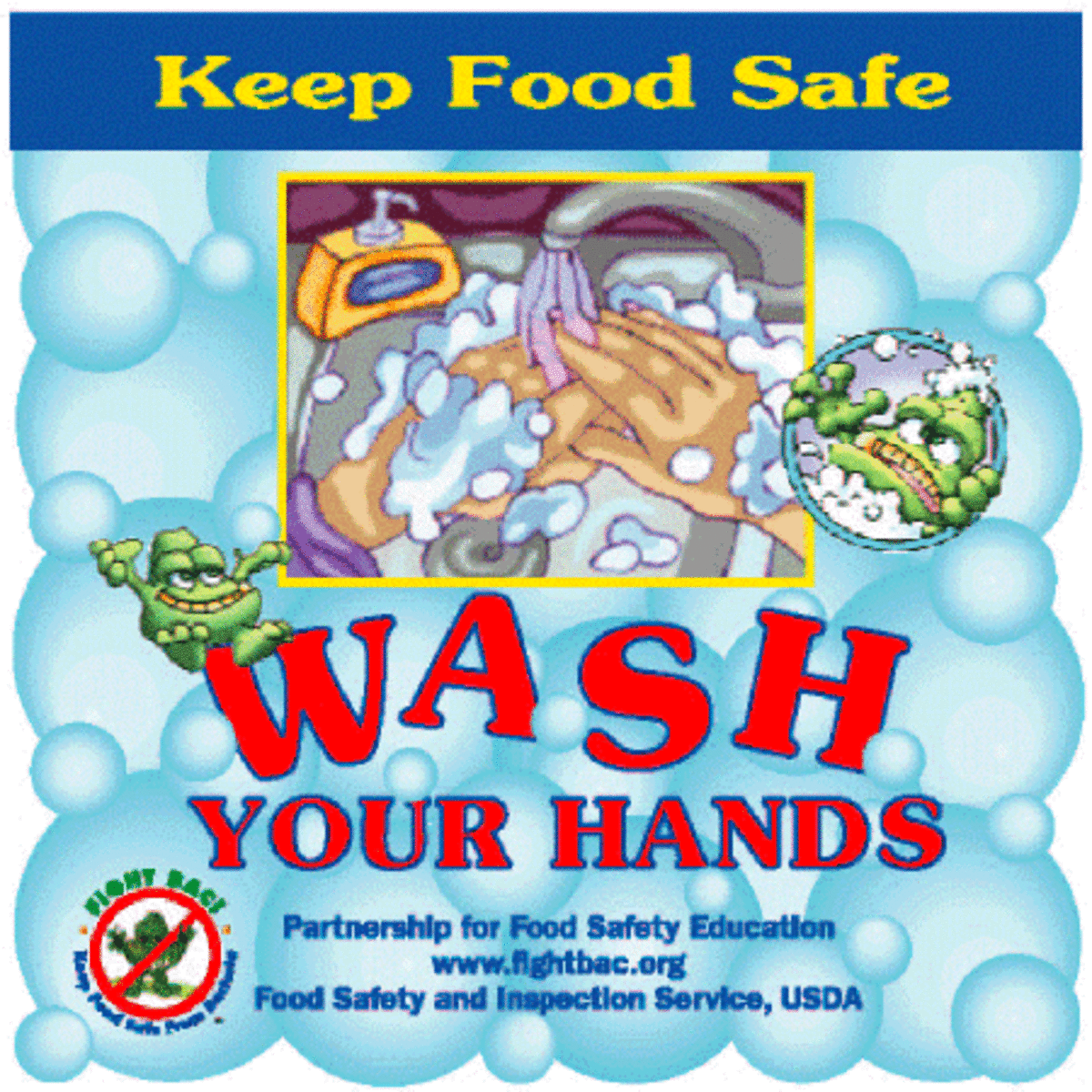
- Personal Hygiene - is all about personal cleanliness, as in cleaning hands and using proper devices when handling, cooking and serving food. It's a must to 'always clean your hands' before making contact with food ingredients in the galley or kitchen.
- Environmental Sanitation - involves the maintenance of cleanliness in the galley or kitchen, as in proper waste disposal, cleaning of utensils and the work area.
(Gist of the seminar attended by travel_man1971 aka Ireno Alcala last February 23, 2012 at the Quarantine's office, Pier South, Gate 1 BoQ, Metro Manila, Philippines)

Food-Borne Illnesses
Food-Borne Illnesses (FBI) are always ready to strike, contaminate food and inflict diseases in our bodies, once we neglect the proper operations in the food industry.
FBI are germs or toxins associated or mixed or contaminated with food, that in turn bringing life-threatening effects.
It can lead to diseases like diarrhea, cancer, arthritis and neurological disorder.
Germs can be beneficial like the lacto-bacilli for good digestion or fatal to our health like the Salmonella or even the red tide toxin.
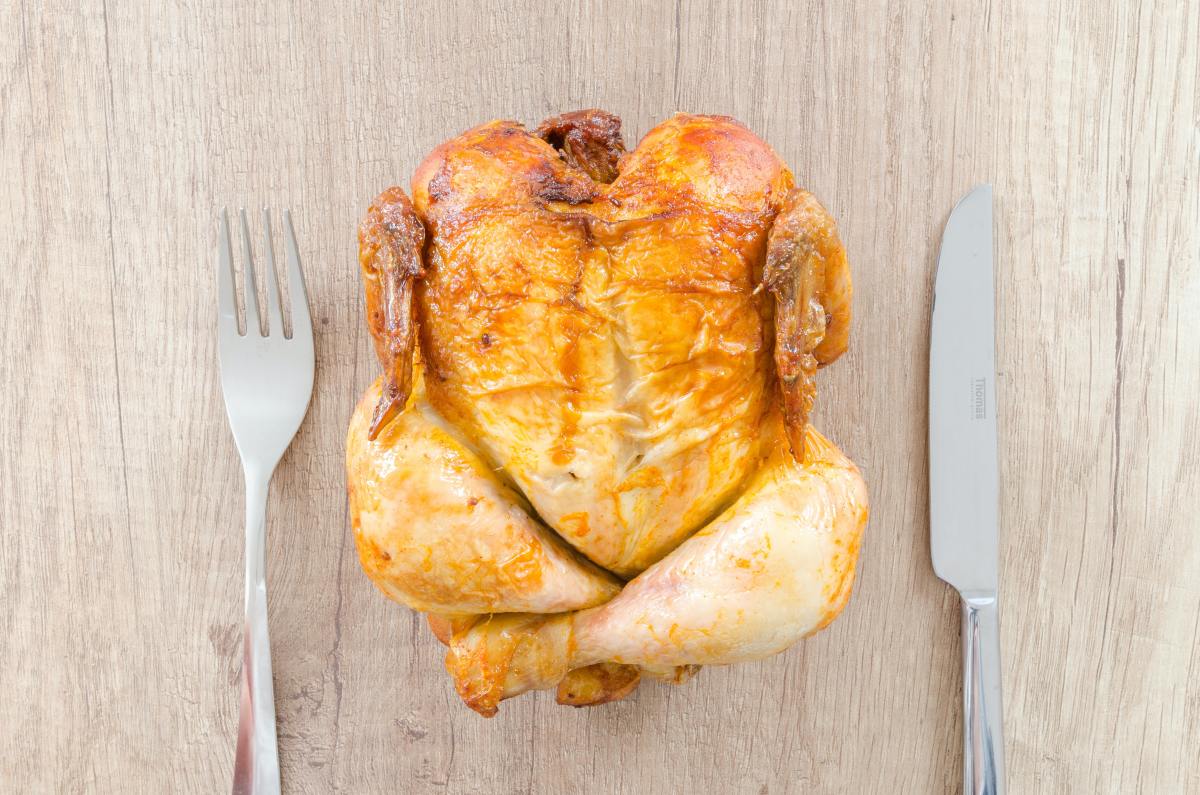
High-risk foods for contamination are meat, fish, pasta, eggs, milk and cheeses.
Evading Food-Borne Illnesses
There are five keys to remember in order to avoid food-borne illnesses in the food industry.
- Be clean. Wash hands thoroughly with soap before handling food. Sanitize utensils, especially chopping board before and after using. Always wear clean uniform when working at the galley/kitchen.
- Separate raw food from cooked foods. This is always done in order to avoid cross-contamination. Be careful with salad ingredients, especially lettuce, tomatoes, cucumber, olives that are all susceptible to contamination.
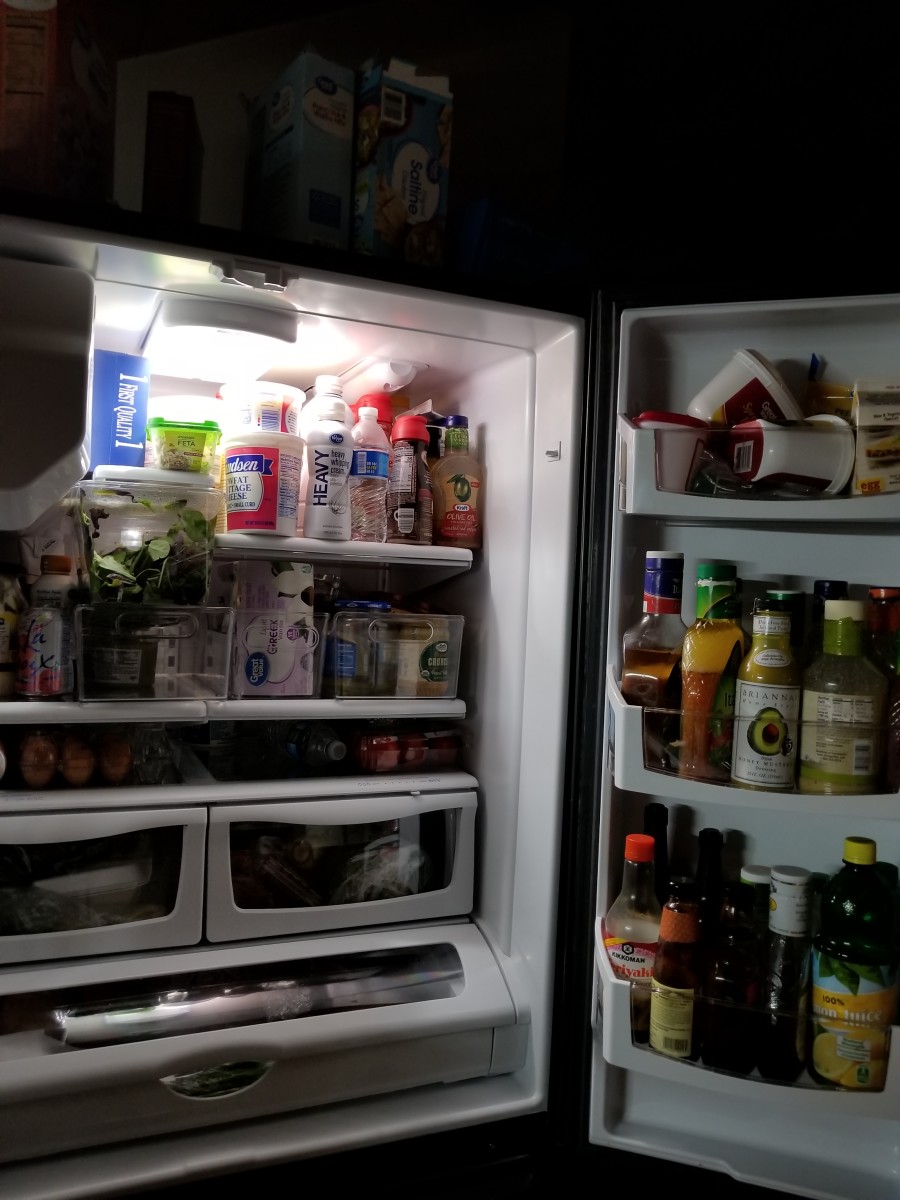
- Cook the food thoroughly. Remember the DANGER ZONE in cooking. Room temperature of about 26 to 28 degrees Celsius is considered to be dangerous. Never let cooked dishes stand for two hours on the table after cooking. Better refrigerate it to slow down contamination. 5 C up to 60 C is considered to be in danger zone. It's always safe to cook food at 70 C up in order to kill harmful bacteria.
- Maintain a clean surrounding when preparing and serving food. Avoid pets from wandering inside the food preparation area.
- Use clean water and fresh ingredients. Expired goods should not be used when cooking meals. It will lead to food-borne illnesses or food poisoning.
Please read more about HACCP System
- HAZARD ANALYSIS AND CRITICAL CONTROL POINT (HACCP) SYSTEM AND GUIDELINES FOR ITS APPLICATION
This is regarding Basic Food Safety, starting from the collection of raw ingredients, its processing, manufacturing, packaging and distribution.
Food Safety on Local Manufacturers
The Philippine Code on Sanitation for Food Establishments is based from the recommended procedures by World health Organization (WHO) compiled into implemented guidelines, otherwise known as Hazard Analysis and Critical Control Point (HACCP) System.
The HACCP System started way back the 60s in the United States of America, where small business companies were given standards in producing local goods that are safe for consumption by the residents and the country as a whole.
It is now adopted all over the world. Here in the Philippines, the Department of Health (DOH) through its link agencies, Food and Drug Administration (FDA) and Bureau of Quarantine (BOQ) is strictly following its rules and regulations, starting from the production, handling and processing and distribution of food products.