Basic Pasta Sauce (tomato)-Tips for Beginners

Basic Pasta Sauce for Beginners
No matter how many kinds I have tried, and there have been many, I have never really liked pasta sauce from a jar. This might be because my entire life, I have been eating the homemade variety made by mom or grandpa. I am also turned off by the large list of ingredients and huge amount of sodium. When I moved out on my own, I was suddenly in the position of subjecting myself to sauce from a jar or learning to make my own. I chose the second option. I had seen it done a million times. How hard could it be? Well, it’s not hard at all.
Below is a recipe for a simple tomato sauce. I have included some tips for beginners. I have also listed some suggestions for variations on the recipe.
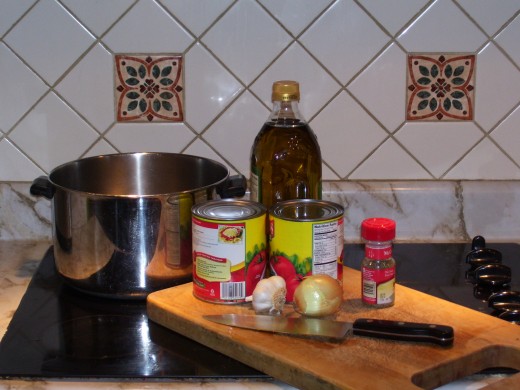
Ingredients
- 2 Cans Crushed Tomatoes
- 4 Cloves Garlic
- 1 Yellow Onion
- 1 Tablespoon Basil or Italian Seasoning
- Extra Virgin Olive Oil
- Black Pepper (to taste)
- Salt (to taste)
Cooking Instructions
Dice the onion and set aside. Peel and crush the garlic clove and then finely mince (see below for tips on how to do this). Set the garlic aside (separate from the onion). Add enough olive oil to thickly coat the bottom of a large saucepan and heat over medium/high heat. Add the onion and cook until it begins to turn clear, stirring frequently. Keep the heat just high enough for it to sizzle. You do not want the onion to brown. Once the onion is soft and slightly clear reduce the heat slightly and add the garlic and basil or seasoning. Stir constantly until the garlic begins to soften, 1 to 2 minutes. Be careful to keep stirring, you do not want the garlic to brown. Add the tomatoes and stir. At this point you can add some pepper. Cook over medium/low heat for about 45 minutes, stirring occasionally. The trick is to cook it slowly! Go ahead and taste the sauce as it cooks but resist the urge to add any additional seasoning too soon. The flavors will developed as the sauce cooks. You can always add more later, but you can’t take it out if you overdo it! After the 45 minutes has passed taste your sauce again. At this point you can add some additional seasoning or pepper. Let cook on low heat about another 30 minutes or until it reaches your desired thickness. You might want to add a pinch of salt at this point. I rarely do.
If you are nervous about making adjustments lest you ruin a whole pot of sauce, do some experimenting. If you taste the sauce and arent quite happy, take out a spoonfull. Add a tiny bit of salt and/or pepper to the spoonfull and try it. You can make adjustments to small bits and then adjust the whole batch once you find the flavor you are looking for. Again, be conservative. As the sauce cooks down the flavors are going to intensify, especially salt.
Now that you have the basics you can experiment with some variations. Here are a few of my favorites:
Use fresh basil. I grow my own in the summer (very easy to do).
Add a diced bell pepper along with the onion.
Add grated cheese towards the end. Do not add salt to your sauce if you plan on doing this. The cheese has plenty.
Add red pepper flakes to give it a spicy kick. A little goes a long way. The flavor will increase throughout the cooking process.
Cut up some Italian sausage links into 2 inch chunks and add them in. Be sure to cook the sauce longer so that the sausage cooks through. At least 2 hours. The seasoning from the sausage will work its way through the sauce. If you are nervous about undercooked sausage you can precook your meat until it is just barely done. Don't overcook it or the flavors will not blend as well.
Tips for peeling, crushing, and mincing garlic:
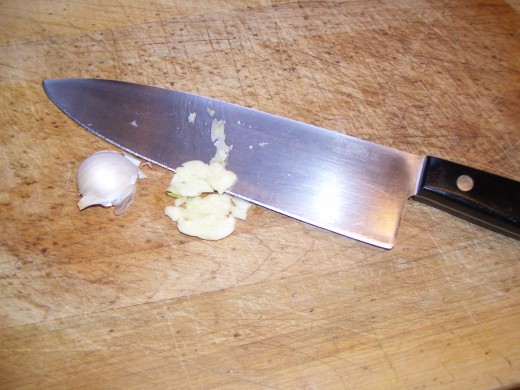
Cut the ends off the garlic clove. Set it on your cutting board. Using a broad bladed knife put the flat side of the knife over the garlic and hit the knife with your palm just hard enough to gently crack the clove. You should be able to easily remove the peel. Put the knife back over the clove and hit it again with your palm. This time hard enough to really smash the clove. Be careful. Your knife should be broad enough that you can hit it without hitting the sharp edge. Now chop the smashed clove into small bits. WARNING: very large cloves risk sending pieces flying. You might want to cut these in half. Or be ready to search the counter for garlic bits.
If you are concerned about “smelly garlic hands” don’t be.I have seen many methods to remove garlic odor from your hands. I don’t use any of them. Just handle the garlic as little as possible and wash your hands immediately after.
Tips for Cooking Pasta
Use a LARGE pot. Larger then you think you will need.
Use A LOT of water. When they say 4 quarts for a box of pasta they mean it. That is one gallon of water folks. You need enough water for the pasta to be able to move around. Too little water makes sticky pasta and starchy water that boils over.
Do NOT add oil or salt to the water. It really isn’t necessary.
Do NOT rinse your pasta!!! You want the starch left on it so the sauce has something to stick to.
Cook the pasta al dente. It should still be slightly firm to the taste. How do you know when this is? Taste it! It will continue to cook a little after you remove it from the stove. If you cook it until completely soft, you will have mushy pasta at serving time.
If your pasta is ready “too early” do not strain it and leave it sitting. It will stick together. Just turn it off and leave it in the water until you are ready to strain and add your sauce.