The Hospitality Guru: (cooking) Back to Basics - Prepare Salads

SALADS
PURPOSE:
Salads can be among the most colourful, flavourful nutritious and eye-appealing items on the menu. A salad can be served as a meal in itself, or as an accompaniment to other dishes.
WHAT ARE SALADS?
By strict definition: salads consist of herbs and edible plants, often combined with a dressing, served cold and eaten raw. Today the term “salad” is used much more broadly. Salads include a vast array of cooked and uncooked foods, mostly served cold, but sometimes warm, usually with dressings and garnishes. Though salads are frequently based on leafy greens, they can also include a wide range of other vegetables, fruits, meats, offal, seafood, eggs, pasta and cheese.
WHEN ARE SALADS SERVED?
Salads can be offered in every food service situation – breakfast, lunch, dinner & supper. On the menu they may appear as an entrée, an accompaniment, a main course or a dessert.
Composition of Salads
Salads usually consist of four parts:
Base: Nearly always some form of salad greens
Body: The ingredients that constitute the main part of the salad.
Dressing: Used to blend the salad ingredients together, to add flavour, and to serve as a lubricant.
Garnish: Adds colour, texture and flavour. Should always complement the other ingredients in the salad.
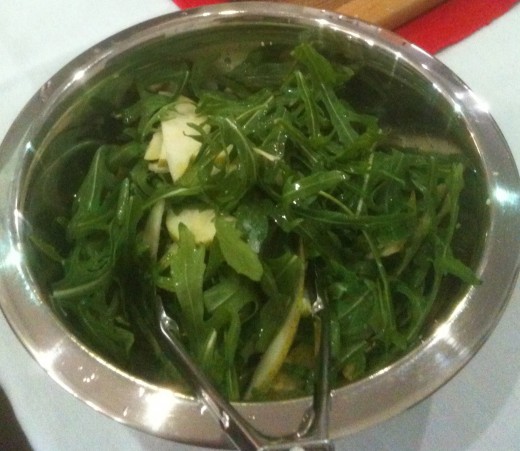
Classification of Salads
Salads can be classified into two main categories, simple salads and mixed salads.
A simple salad consists of one type of ingredient, combined with or served with dressing.
Two examples of simple salads with suitable dressing are:
- Iceberg lettuce with thousand island dressing
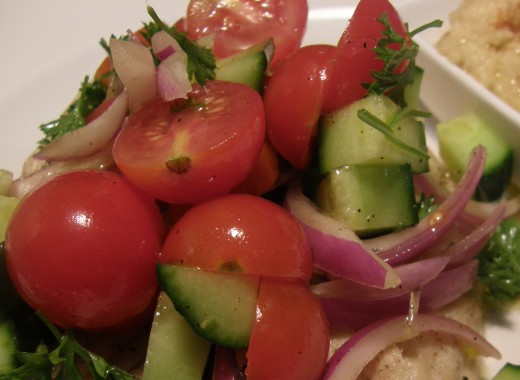
- Tomato salad with Vinaigrette dressing.
A mixed salad consists of more than one type of ingredient, usually mixed together and combined with a suitable dressing. Two examples of mixed salads are:
· Waldorf salad – a combination of celery, apples and walnuts, mixed and combined with a mayonnaise.
· Greek salad – a combination of fetta cheese, olives, cucumber, onions and tomatoes mixed with a garlic dressing.
Salad Distinctions
Some distinctions can be made within the mixed salad.
- A mixed salad, which is combined with mayonnaise is sometimes referred to as compound salad. A waldorf salad is an example of this type.
- A mixed salad where the ingredients haven’t been mixed but separately arranged is sometimes referred to as composed salad. A neatly arranged seafood salad with an avocado fanned out beside it would be a composed salad.
- A mixed salad where the body and the dressing are served warm is referred to as a warm salad. A warm seafood salad, where the seafood is gently sautéed or poached and swerved with a warm dressing, is a good example.