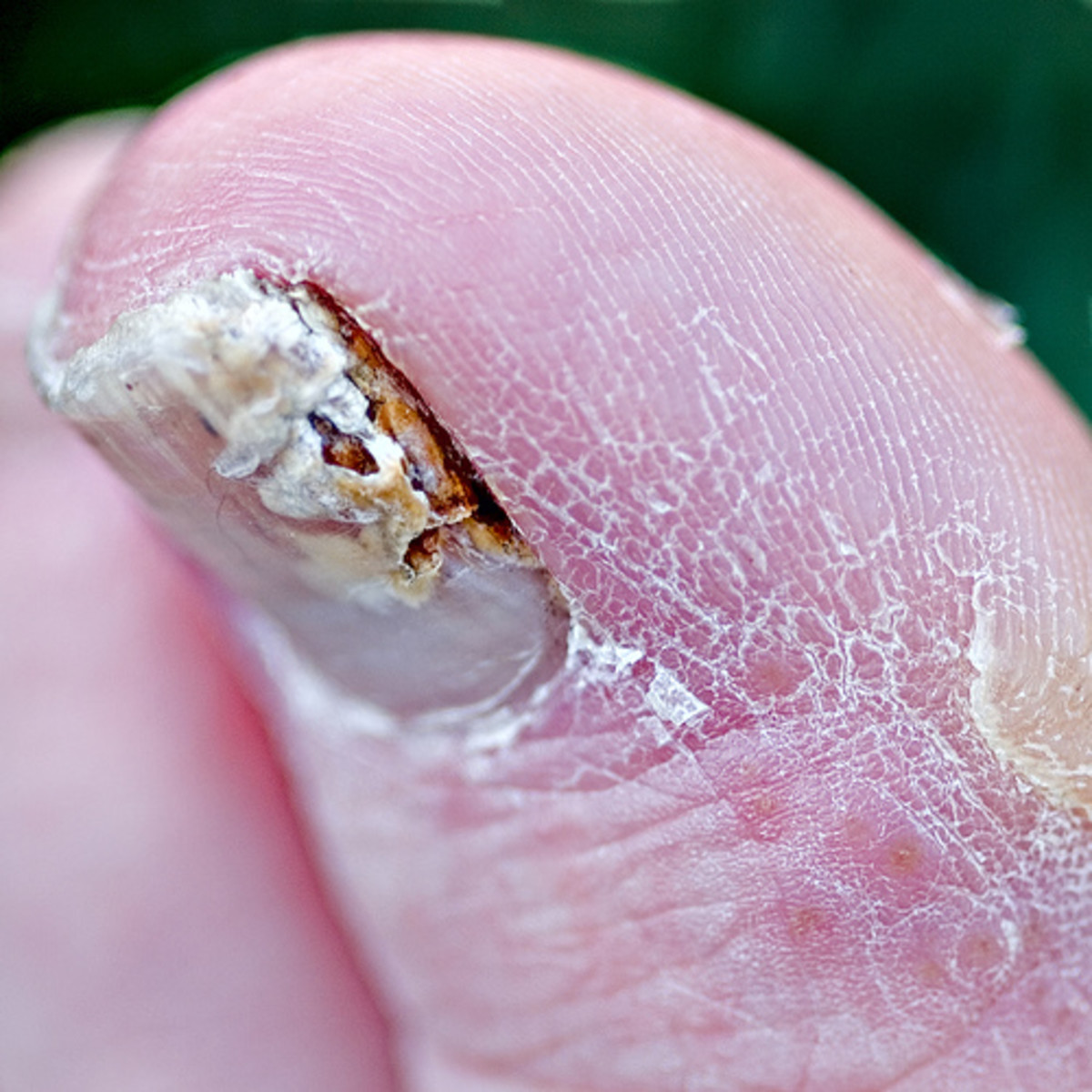
Commonly Overlooked Items to Disinfect During COVID-19 Pandemic


What exactly is COVID-19?
According to the Center for Disease Control (CDC), COVID-19, also known as coronavirus or SARS-CoV-2, is a new strain of the coronavirus family of diseases. COVID-19 generally affects the lungs and airways of the one infected, and its accompanied by the following symptoms:
- Fever
- Dry Cough
- Difficulty breathing
- Muscle pain
- Headache
- Sore throat
The first outbreak of this new strain was identified in Wuhan, China, in December 2019.
COVID-19. Think You Got It Covered?
To protect yourself and your loved ones from the deadly virus, the message to the public has been pretty clear. You are to:
- Wash your hands thoroughly, and often with soap and water, or use hand sanitizers in the absence of soap and water.
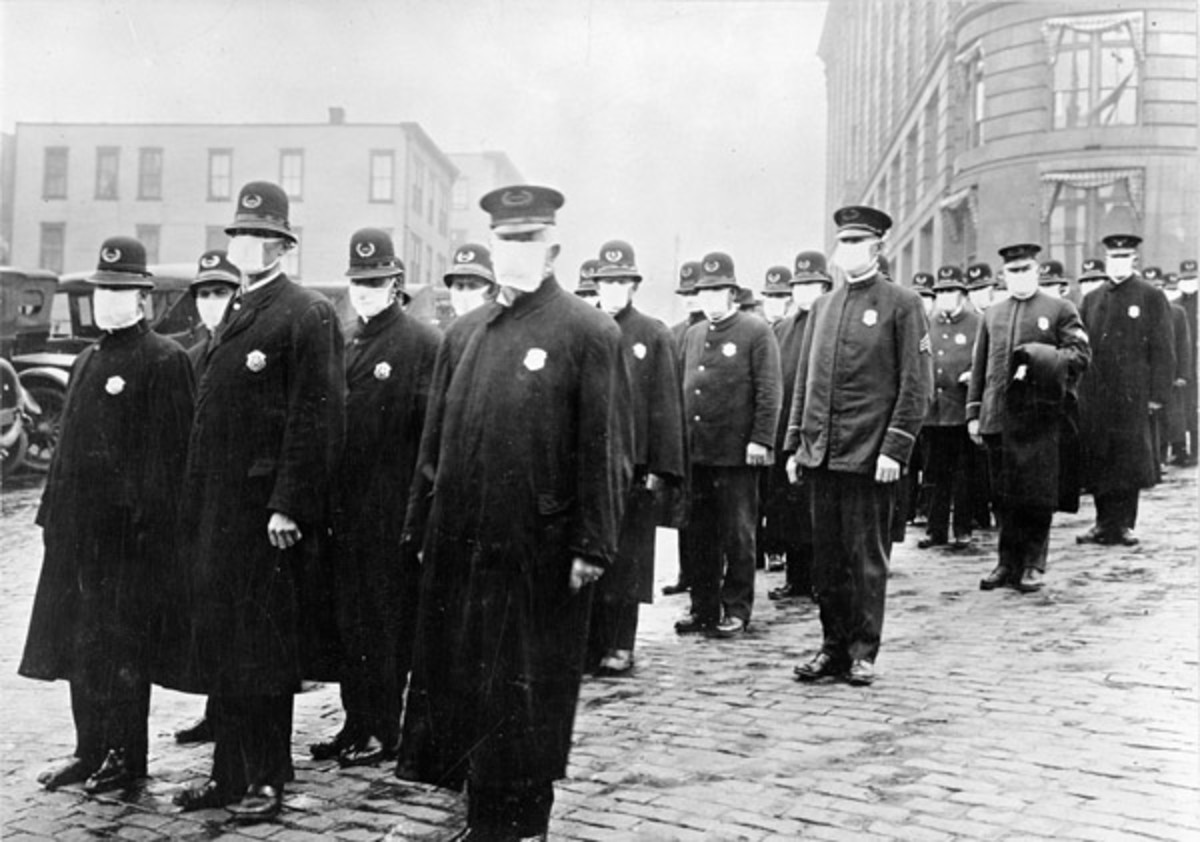
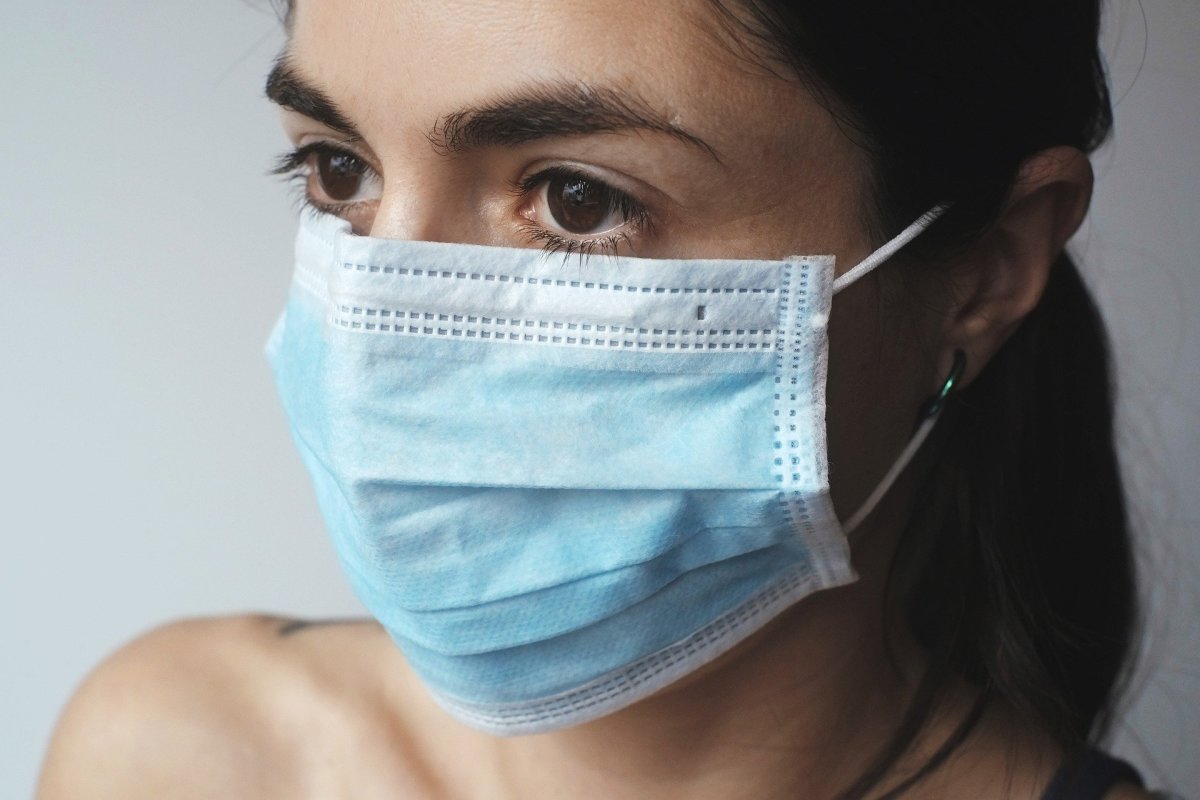
- Wear protective masks and gloves when you venture out of your house, and avoid touching your face, mouth and nose. And,
- Maintain the 6-ft social distancing rule when in public.
Those are all good advice. But some not-so-obvious areas around your home could be potential hiding place for COVID-19. There are some everyday items you use or carry on you that you might just need to pay more attention to as you're trying to protect yourself and your loved ones from the deadly COVID-19. Here are some of those personal and household items:
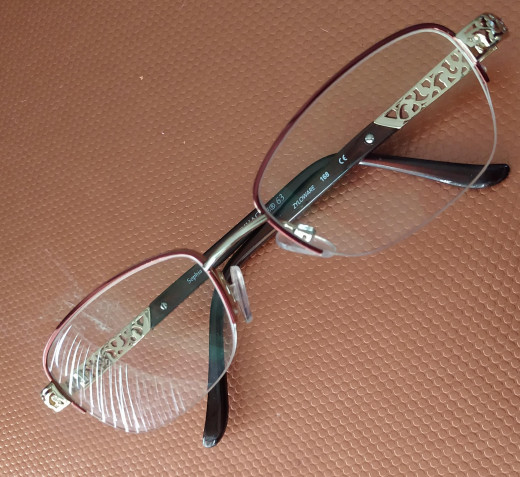
Eyeglasses
If you wear prescription glasses or any glasses at all, chances are you sometimes touch the frames and handles several times a day. And since your hands touch many surfaces, at home or at work, you may be at risk of caring the virus on your person.
Eyeglasses frames are sometimes made out of metallic materials, stainless steel, and plastic. Experts at the National Institute of Health (NIH) have found through research, that COVID-19 can survive on these surfaces for "up to two to three days". So, please don't take chances. Take care of your eyeglasses!
What To Do?
My advice is that you take proper care to wipe down the handles (metal or plastic areas) around your glasses,preferably with an alcohol wipe at least twice a day, taking care not to touch the prescription part with the alcohol wipe so as not to damage it. You can also ask your optician for the best care method during this pandemic.
Mouthpiece
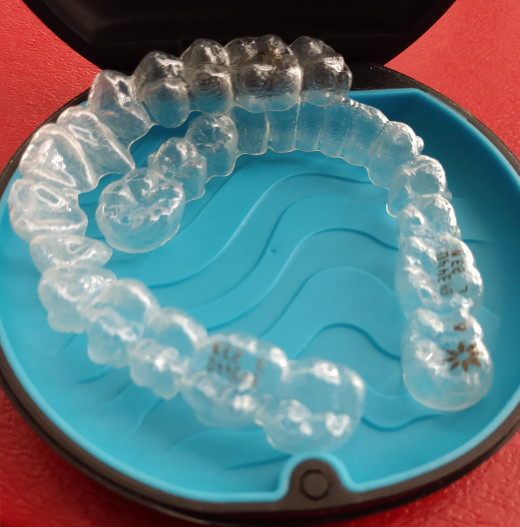
Many of us out there wear some type of mouthpiece, whether it's a mouth guard, dentures or clear mouth braces, such as, Invisalign. For me personally, one of the challenges of this pandemic is the wearing and removing of my Invisalign in public as I have to be extra careful and mindful of the cleanliness of my hands and the surfaces around me as when handling my braces before and after a meal.
Yes, I know we've been told over and over again to "avoid touching the eyes, nose, and mouth", but we still have to maintain proper hygiene, and part of that is cleaning of our mouthpieces. So I make sure to wash my hands thoroughly before I attempt to remove my braces from my mouth. I also take proper care to tuck the braces away in a clean compartment.
Remember, your hands touch several surfaces over the course of the day, so be sure to wash your hands with soap and water. Also, wash your braces, if possible with soap and water before attempting to wear it after a meal.
Wallets/Credit Cards
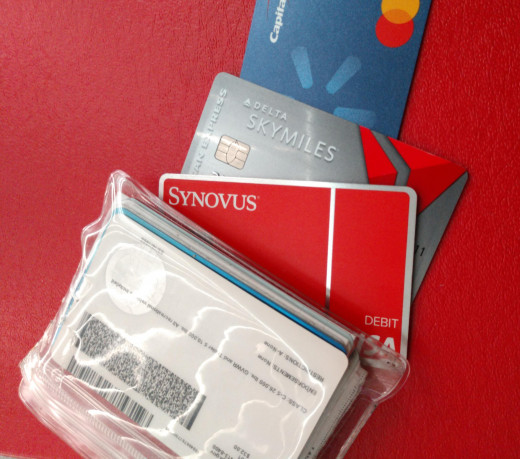
This probably applies to everyone. We all buy or sell, and when it comes time to pay for those purchased items, your hands touch wallet and credit cards . If you regularly use your credit card at any point-of-sale or payment terminal, and especially if you've had to hand over your card to a P-O-S representative, you'll need to take steps to disinfect your credit card(s) and wallets.
You can do this by gently washing your credit cards in soap and water, or by using a disinfectant spray. Wallets or credit card holders can also be cleaned with an alcohol-based wipe to eliminate the chance of being infected with COVID-19.
Paper Money
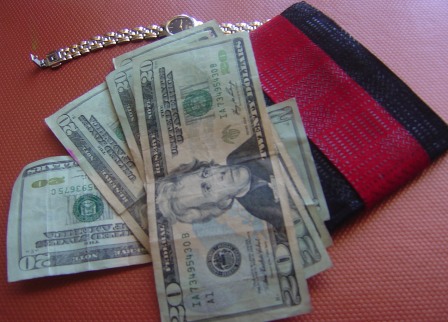
According to the Federal Reserves, most paper bills have a lifespan of four to fifteen years, which means that paper money and even coins are breeding mediums for bacteria and viruses as they go from hands to hands. Similarly, a Time Magazine article titled, Money Facts - Dirty Money reported that paper money can reportedly carry more germs than a household toilet, and transport a live flu virus for up to 17 days.
So, if your job requires that you handle lots of cash or coins, you need to make sure that you're washing or disinfecting your hands after coming in contact with these money.
While some people, including myself, have taken to washing their paper money, it is not necessary. Proper washing of the hands with soap and water is all that's needed. Coin money, on the other hand, can be washed in warm soapy water to remove any germs, bacteria or virus that could be lurking around it.
Other Potential Hiding Place For COVID-19
The followings items could also harbor COVID-19:
- Car door handles, gear throttles, and steering wheels, especially after a vehicle service visit.
- Phones and phone accessories, such as, headphones, phone cases
- Laptops, keyboards, mouse, and mouse pads.
- Refrigerator, microwave, stove door handles.
Proper care of above named items are necessary to help curb the spread of the virus around your home.
- Wipe door handles, phone and computer accessories down with an alcohol based (approved cleaner). I have found that using a 70 - 91% alcohol soaked in paper towels does quite well.
- Avoid touching your eyes, nose, and mouth while handling any of the items listed above.
- Always wash your hands with soap and water after coming in contact with any of the aforementioned items.
We Can Beat COVID-19!
Yes we can! Though COVID-19 has been declared a pandemic. You do not have to live in fear of it. Chances are, you are already doing everything you need to do to avoid being exposed to this virus. Continue doing that, and follow the directives of the medical experts and government officials in your area.
Remember, as the saying goes, "prevention is better than cure". So,
- Wash your hands with soap and water (do this for at least 20 seconds) before toughing your face (mouth, eyes, and nose)
- Use hand sanitizer in the absence soap and water
- When you cough or sneeze, cover your mouth and nose with a tissue (not your hands), then dispose of the tissue.
- Stay indoors. If you have to go out, maintain social distancing rule of 6 ft. apart. Whenever possible, wear gloves and face mask in public.