Depression and Your Heart

For centuries, the heart was thought to be the seat of your emotions. While we now understand that the heart's mission is to pump blood through our bodies, scientists have discovered that emotions and your heart are profoundly linked.
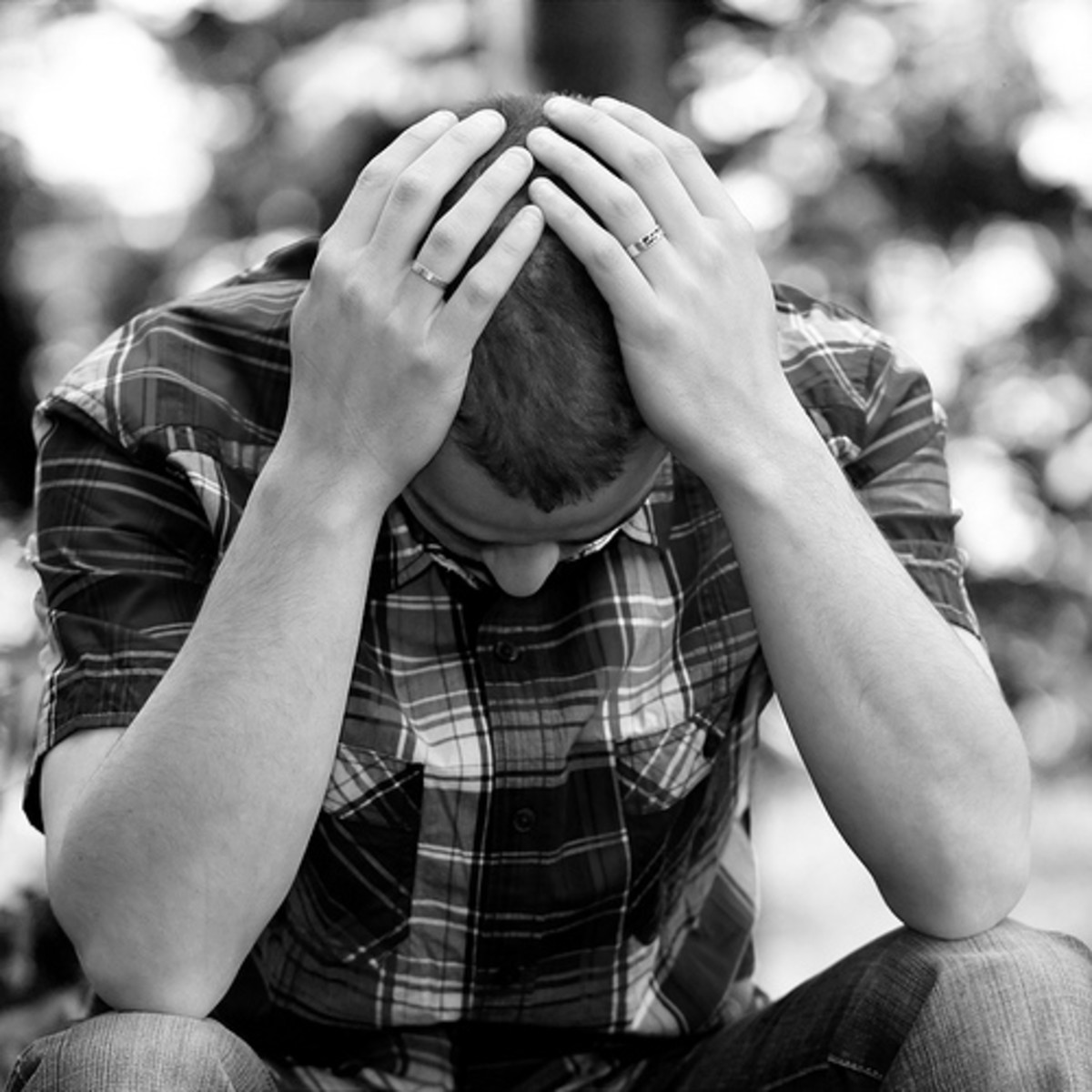
In fact, feelings of despair and hopelessness not only boost your risk of developing heart disease but increase the odds that you'll die if you do have a heart attack.
Researchers studied nearly 3,000 adults, ranging in age from 45 and 77, and found out that about a quarter of them reported symptoms of depression. Although none of the volunteers had heart disease when the study began, over the next 12 years the participants who suffered from depression -whether it was mild or severe- were four times more likely to die from heart disease.
Having a heart attack and depression make a lethal combination. Montreal Heart Institute and McGill University investigators studied 222 patients about a week after they suffered heart attacks and discovered that 16% were clinically depressed. Just six months later, these depressed people were almost five timesmore likely to die than the non depressed people. The only important difference the researchers could find between the two groups was depression.
Don't ignore signs of depression. While scientists unravel the exact connection between depression and heart disease, one fact is clear: Since depression can increase your risk of developing heart trouble and lessen the odds you'll survive if you do have a heart attack, never ignore it. Especially following a heart attack, any symptoms of depression should be reported immediately to your doctor so that you can be properly diagnosed and treated. You life could depend on it.
Low blood pressure puts you at risk for the blues. Another possible link between your heart and depression has recently been reported- and the findings have scientists scratching their heads. While it's well documented that having low blood pressure is good for your heart, some research suggests it may increase your risk for depression.
When scientists studied nearly 600 men between the ages of 69 and 89, they found that those with the lowest diastolic blood pressure had the most symptoms of depression- including sadness, fatigue, and preoccupation with their health.
In fact, those with low diastolic pressures were four times more likely to be depressed than those with higher diastolic pressures. But there are still many questions researchers need to answer before depression can be blamed for low blood pressure. For example, no one knows yet if depression causes low blood pressure, or if low blood pressure can cause symptoms of depression.
There is no doubt among health professionals that having low blood pressure lowers your risk of heart disease. So if your diastolic number runs on the low side, don't worry about it. However, you may want to look out for any symptoms of depression and discuss them with your doctor.
Depression and Your Heart
Warning to all Men (and women)
Other Heart Disease Articles:
- Heart Disease and Personality Types
HEART DISEASE AND PERSONALITY TYPES There is a correlation between personality types and heart disease. Basically there are two major personality types, type A and type B. Type A personality... - Soya Lowers Heart Disease and Cancer Risks
Soya consumptions lower the risks of heart disease and cancer. Heart disease and cancer are two of the biggest killers in the developed world. The beans have high protein and fiber content. The beans are...