Facing Cataract Surgery
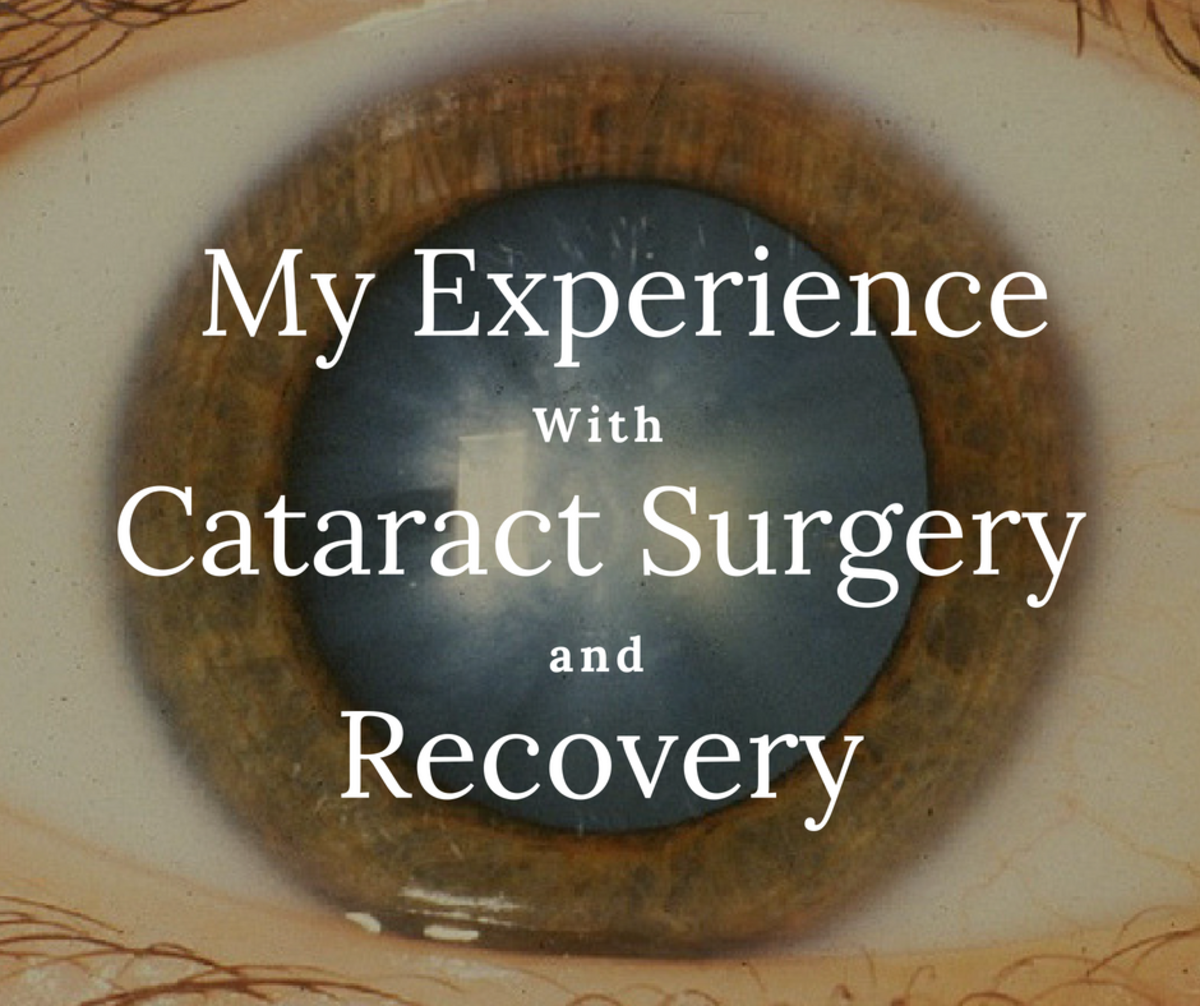
Well I have to start by saying Praise the Lord for the NHS. The British National Health Service has many problems but, finding out that I need Cataract surgery on my eyes, has left me eternally grateful for the wonderful health care this service provides..
There is no worrying about huge medical bills. I had my pre-op at our local, modern Eye Hospital on 17th February 2010 and the date for my first operation is set.
Of course I could have opted to go private but that would have cost over £2,000. As Hub Pages is not that lucrative for me yet the NHS seemed a sensible option. In fact the only one.
So this Hub will detail just what the pre-op involved. I shall create another Hub after my first operation, hopefully with good news.
One-Stop Cataract Clinics
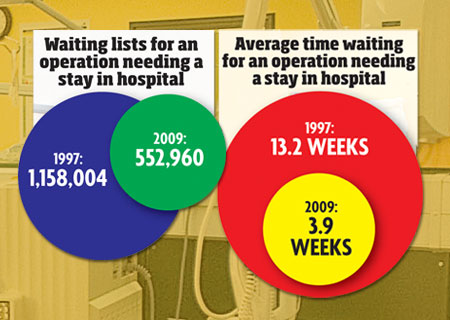
Not so long ago, patients waiting for Cataract surgery, on the NHS, in the UK had to wait a couple of years. As the government tried to reduce waiting times, NHS resources were spent on initiatives. This meant that patients were often treat at private clinics, paid for by the NHS.
These days things have dramatically improved.
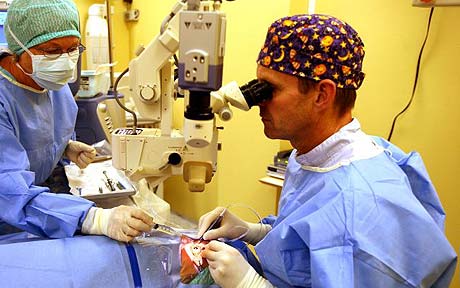
Our local hospital, for example, has these one stop cataract clinics. The patient attends for a pre op assessment and, if eye surgery is found to be appropriate, a date for the surgery will be set. The date will usually be anytime within a few days or a few weeks.
Of course many patients needing cataract surgery are elderly people. This means that they may have other health problems. This can delay the surgery. For example, patients with high blood pressure will need to have their blood pressure under control before a surgery date is set.
My pre-op assessment.
I arrived at the hospital on time. Within a very short time a nurse called my name and I was taken into a room. This was to be one of many assessments that day.
The first nurse weighed me, took my blood pressure and checked my heart rate. It was back to the waiting room then with instructions to visit the loo to provide a urine sample as soon as I was able. Well it had been a cold day and I had needed to visit the loo as soon as I arrived. As the nurse reminded me though I would be there for around 3 hours and so I would have plenty of time.
By now the waiting room was filling up, with other patients and escorts.
It struck me as funny that I felt quite young. At almost 58 I must have been a good 20 years younger than all the other patients.
The next nurse, and room, involved a nurse recording my eyesight. I had to look at an eye chart, firstly without my glasses, and then with. However, I had to cover one eye each time. This made me realise just how bad my eyesight is.
Back to the waiting area again and my magazine article.
A short time passed and I was off again with another nurse and into a different room. This time I had to show her my medication and current spectacle prescription. A puff of air was blown into each eye. This is done when you have an eye test anyway. It checks the pressure in your eyes and will help in the diagnosis of glaucoma..
Thankfully I had remembered both my pills and my prescription.
She then put two lots of drops in my eyes. The second lot stung a little but not too much. I was told that these would enable the Doctor to view my eyes appropriately and that they would make my vision hazy.
I could still see fine but focusing was a little awkward. As these drops are administered toward the end of your per-op you are advised not to drive home. It was the bus for me anyway and I had no problems.
Back to the waiting room for around 15 minutes for the drops to work.
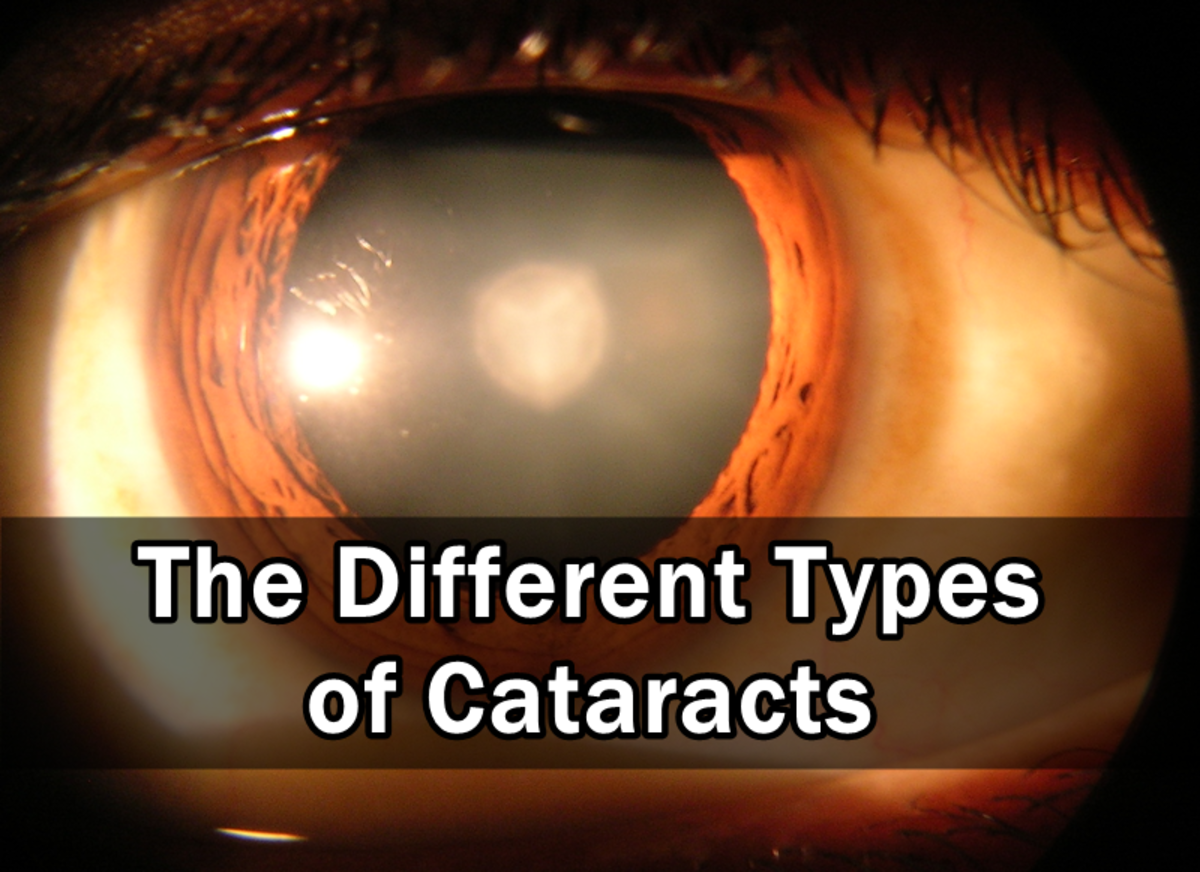
Next I was taken to the Doctor. She was a pleasant young woman who instilled confidence in me, so fingers crossed. As she examined my eyes I had simply to stare into a bright light. The Doctor confirmed that I had cataracts in both eyes which are suitable for surgery.
I chose surgery as these cataracts are not going to go away. I asked the questions which I wanted to. I decided I might as well have the surgery done whilst I was in reasonable health. I signed the consent form and it was back to the waiting room for a few minutes.
So on to the last lap.
Finally I saw the practice nurse.This nurse asked me a couple of questions and took an MRSA swab. As I work for the NHS this is fairly routine. I then followed her to the room where all the operation dates were displayed. I could have opted to have my surgery next week. However it was decided two weeks would give me chance to have the results of my MRSA swab and any treatment that could be necessary.
A brief wait, whilst the waiting list clerk produced my operation letter, and I was on my way home.
I was given a leaflet about what to expect when I am in the theatre and various other bits and pieces. Some of this is useful but of course it does make for scary reading.
The good news is that, if my operation goes well, I will have the cataract surgery on my other eye performed within 6 to 8 more weeks. If both operations are a success I will no longer have to wear spectacles. Hooray. I will probably have to wear them for reading but hopefully that will be all.
Of course, as with all surgery there are risks. However, I have made an informed choice.
For Americans who are facing the possible introduction of some form of state health I wonder how it would be for them currently.
For me, I know that I am in safe hands and will not be faced with crippling health care costs, no matter what the outcome. Of course, this could change with a change of Government.
I, my husband and our parents have paid National Health Insurance deductions from our salaries all our working lives. These costs though do mean that we have peace of mind, as far as surgery and medical treatments are concerned.