Best Simple Diet Changes That Can Help You Lose Fat Fast

Getting Rid of Unwanted Body Fat
When you consider the amount of overweight or obese people in this country, it becomes quite obvious that many individuals want to get rid of unwanted belly fat. However, flattening your belly can be tough to do these days with all of the processed foods at the store and fast food restaurants that are right around the corner from most of us. Many of us are also employed at jobs that have us sitting at desks all day so we don't get as much activity as we should.
I've found that diet is so much more important than I realized in the quest to lose fat. A few years ago, I had a bit of a belly and wanted to get rid of it. Working out was never a problem as I've been doing that regularly for over 30 years. So this pretty much narrowed down the cause of this extra fat, it was my diet. By making the right dietary changes, I lost over 50 pounds in less than a year and have kept it off in the 2 years since.
If you have some pounds to lose, now's the time to clean up your diet and start exercising to get rid of the unwanted belly fat you have hanging around your midsection. It will take some motivation and determination to reach your goals. If you are serious about flattening your belly you must focus on diet and exercise to succeed.
Lowering Caloric Intake
To succeed at flattening your belly you need to get rid of the body fat that's covering up your midsection. This is basically done by consuming fewer calories than you burn. However, you can end up going too far with calorie restriction and lowering your metabolic rate so your body doesn't burn as much fat. The body will work to keep some extra fat around as a survival instinct. For optimal fat loss, it has to be done over time.
One pound of fat contains 3500 calories. Through simple math, you can figure out that to lose one pound per week would take 500 fewer calories per day to do. Decreasing your daily caloric intake by 500 calories will theoretically lead to a weight loss of a pound per week. This is a safe baseline for most of us. Of course, someone morbidly obese may lose more while somebody only 5 pounds from their goal will likely lose less.
Lowering caloric intake to flatten your belly doesn't have to be difficult. In fact, it may just take some simple changes. It will ultimately come down to how motivated you are.
Avoid Processed Foods and Choose Natural Foods Instead
Processed foods are often high in calories, fat, sugar, and sodium, making them a common obstacle to fat loss goals. However, by avoiding processed foods and choosing natural, whole foods, it is possible to lose fat and improve overall health.
One of the best ways to avoid processed foods is to choose natural, whole foods instead. This includes fruits, vegetables, whole grains, lean proteins, and healthy fats. These foods are typically lower in calories and higher in nutrients, which can support weight loss and overall health. Additionally, natural foods are often less processed, meaning they contain fewer additives and preservatives that can be harmful to health.
Preparing meals ahead of time can also be a great way to avoid processed foods and make healthier choices. By preparing meals at home, it is possible to control the ingredients and avoid added sugars, sodium, and unhealthy fats. Consider meal prepping for the week ahead or cooking in bulk to save time and ensure that healthy meals are readily available when time is tight.
Finally, when shopping for groceries, choose whole foods and avoid processed and packaged items. Look for fresh produce, lean proteins, whole grains, and healthy fats, and avoid items that are high in sugar, sodium, and artificial ingredients. Additionally, read labels carefully to ensure that the products are natural and minimally processed.
Overall, avoiding processed foods and choosing natural, whole foods is a great way to support fat loss goals and improve overall health. By preparing meals ahead of time and choosing nutrient-dense foods, it is possible to make healthy choices even when living a busy life.
Make Dietary Changes
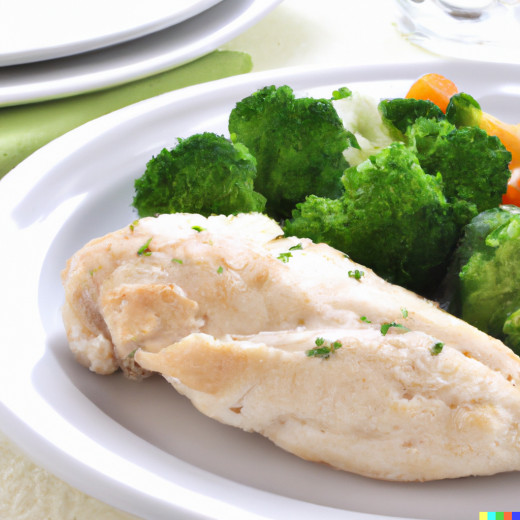
Switching to healthier food choices is an effective way to lose body fat. The key is to replace high-calorie, processed foods with nutrient-dense, whole foods. For instance, swapping out sugary drinks for water or herbal tea can significantly reduce calorie intake. I like using water enhancers for more flavor.
Another thing you can do is replace processed snacks with fresh fruits, vegetables, and nuts. This will provide the body with essential nutrients while keeping you feeling full for longer.
When it comes to side dishes, instead of carb-heavy options like french fries or white rice, consider choosing healthier alternatives like roasted vegetables or quinoa. Try zucchini noodles or spaghetti squash instead of pasta.
By making small changes to your diet and focusing on nutrient-dense foods, you can achieve sustainable weight loss and improve your overall health.
Fast Food and Dining Out
Fast food and eating out at restaurants are often associated with unhealthy food choices, which can hinder weight loss efforts. However, with a few simple tips, it is possible to make healthier choices and avoid fast food when dining out.
One of the best ways to avoid fast food when eating out is to plan ahead. Before going to a restaurant, research the menu and choose healthier options. Look for dishes that are grilled or baked, rather than fried, and choose items that are low in fat, sugar, and sodium. Additionally, consider sharing a meal with a friend or taking home leftovers to avoid overeating.
Another tip for making healthier choices when dining out is to focus on nutrient-dense foods. Choose dishes that are high in protein, fiber, and healthy fats, such as grilled chicken, salads, and seafood. Additionally, opt for vegetables or fruits as sides rather than high-calorie options like fries or onion rings.
Finally, pay attention to portion sizes when dining out. Many restaurants serve oversized portions, which can lead to overeating and weight gain. Consider asking for a smaller portion size or sharing a meal with a friend. Additionally, avoid ordering high-calorie drinks like soda or alcohol, which can add unnecessary calories to the meal.
Overall, avoiding fast food and making healthy choices when dining out can be a great way to support fat loss efforts. By planning ahead, focusing on nutrient-dense foods, and paying attention to portion sizes, it is possible to enjoy a meal without sabotaging weight loss goals.
Cut Back or Quit Alcohol
One thing many people don't want to hear when it comes to flattening your belly is that slowing down on alcohol consumption is a major key to success. This can go all the way to quitting altogether or rarely drinking. However, you will save a lot of wasted calories not drinking, and there are plenty of other benefits as well.
Alcohol is a common staple in many social settings, but it can have a significant impact on weight gain. One of the primary ways alcohol affects weight is through its calorie content. Alcohol is high in calories, with a standard drink containing approximately 100-150 calories. Regularly consuming alcoholic beverages can add up quickly, leading to weight gain over time.
Additionally, alcohol can have negative effects on hormones that regulate hunger and metabolism. Research has shown that alcohol consumption can lead to an increase in the hormone cortisol, which can cause the body to store fat. Alcohol also disrupts the production of leptin, a hormone that helps regulate appetite, leading to an increase in food intake.
Cutting back or quitting alcohol can be an effective way to lose fat and improve overall health. By reducing or eliminating alcohol consumption, individuals can lower their calorie intake and reduce the negative effects on hormones. Additionally, reducing alcohol consumption can improve sleep quality, which is essential for weight loss and overall health.
It's important to note that alcohol affects individuals differently based on factors such as body composition, gender, and genetics. Some people may be more sensitive to the effects of alcohol than others. For individuals looking to lose weight, it's recommended to limit alcohol consumption or avoid it altogether to achieve their goals.
In conclusion, alcohol can have significant effects on weight gain and overall health. Its high-calorie content and negative impact on hormones can contribute to weight gain and make it more difficult to lose fat. Cutting back or quitting alcohol can be an effective way to improve weight loss and overall health.

Keto Diet
The ketogenic diet, or simply keto diet, is a high-fat, low-carbohydrate, and moderate-protein diet that has gained immense popularity for its potential benefits for fat loss and better health. The main goal of the diet is to put the body in a state of ketosis, where it burns fat for energy instead of glucose derived from carbohydrates. This metabolic state has been shown to offer several health benefits, including weight loss, improved blood sugar control, and reduced risk of chronic diseases.
One of the most significant benefits of the keto diet is its potential for fat loss. By reducing carbohydrate intake and increasing fat consumption, the body shifts into a state of ketosis, where it burns fat for fuel. This process can lead to a significant reduction in body fat and body weight, especially in the first few weeks of the diet. Additionally, the keto diet may help reduce hunger and food cravings, making it easier to stick to a calorie-restricted diet.
The keto diet has also been shown to improve blood sugar control in people with type 2 diabetes. By reducing carbohydrate intake, the diet can lower blood glucose levels and improve insulin sensitivity. This effect can be particularly beneficial for those with diabetes, as it may reduce the need for medication and improve overall glycemic control.
Finally, the keto diet has been linked to a reduced risk of chronic diseases, including heart disease, cancer, and Alzheimer's disease. While more research is needed to fully understand these benefits, studies suggest that the diet may help reduce inflammation, oxidative stress, and insulin resistance, all of which are key factors in the development of chronic diseases.
Overall, the keto diet can be an effective tool for fat loss and better health. However, it is important to note that the diet may not be suitable for everyone, and it is essential to work with a healthcare professional to ensure that the diet is safe and effective for you.

Intermittent Fasting
Intermittent fasting (IF) is a dietary approach that involves periods of eating and fasting. There are several different methods of IF, but the most common one involves restricting food intake to a specific window of time each day, typically between 4-10 hours, and fasting for the rest of the day. This approach has gained popularity in recent years for its potential benefits for fat loss and improved health.
One of the most significant benefits of intermittent fasting is its potential for fat loss. By limiting food intake to a specific window of time each day, the body is forced to use stored fat for energy during the fasting period. This process can lead to a significant reduction in body fat and body weight, especially when combined with a calorie-restricted diet.
Intermittent fasting has also been shown to improve insulin sensitivity and blood sugar control, which can be beneficial for those with type 2 diabetes. By reducing food intake and promoting weight loss, the diet may improve insulin sensitivity and reduce the need for medication. Additionally, intermittent fasting has been linked to a reduced risk of heart disease, cancer, and other chronic diseases.
Finally, intermittent fasting may also offer several other health benefits, including improved cognitive function, increased lifespan, and reduced inflammation. Some studies have even suggested that intermittent fasting may help slow the aging process and increase lifespan by promoting cellular repair and reducing oxidative stress.
Overall, intermittent fasting can be an effective tool for fat loss and improved health. However, it is important to note that the diet may not be suitable for everyone, and it is essential to work with a healthcare professional to ensure that the diet is safe and effective for you. Additionally, it is important to maintain a balanced and nutritious diet during the eating window to ensure that the body receives the nutrients it needs to function properly.

Consider It a Lifestyle Change
Making a lifestyle change is necessary to switch your diet and lose fat while improving your overall health. It's not enough to simply make a few temporary adjustments to your eating habits; you need to adopt a new way of life that involves healthy, sustainable choices. This might include altering your shopping and meal preparation routines, as well as rethinking how you approach food and exercise.
One of the most important things you can do when trying to switch to a healthier diet is to start by assessing your current habits. This can help you identify areas where you need to make changes and develop a plan for gradually transitioning to a healthier way of eating. You may need to adjust the types of foods you consume, the portion sizes you eat, or the times of day you consume your meals. Additionally, regular exercise is a crucial component of any healthy lifestyle and can help you lose weight, increase your energy levels, and reduce your risk of chronic disease. By committing to a lifestyle change, you can make lasting improvements to your health and well-being.