ArtsAutosBooksBusinessEducationEntertainmentFamilyFashionFoodGamesGenderHealthHolidaysHomeHubPagesPersonal FinancePetsPoliticsReligionSportsTechnologyTravel

Prevention of Hospital-Acquired Infections: Hospital-Acquired Infections Statistics

Updated on February 5, 2012

Why People Get Sick in the Hospital

Hospitals and emergency rooms can be highly unhealthful places, often more filled with disease-causing viruses and bacteria than the toilet seat in your own home or even a public restroom’s. In addition to germs, patients need to fear the inevitable mistakes hurried doctors and nurses often make. One intensive care unit recently tracked its errors and found that its staff, including both doctors and nurses, made an average of 1.7 mistakes per patient, each day! If that’s the number that they admit to, can you imagine what it may be in other hospitals, perhaps yours? Do you want to be the patient who has to live, or die in some cases, because of one of those mistakes? I’m guessing not. There are some things you can do, however, to ensure your own rapid recovery and a speedy discharge from the hospital.


Hospital Death Statistics

view quiz statistics

Avoid Hospital-Acquired Infection

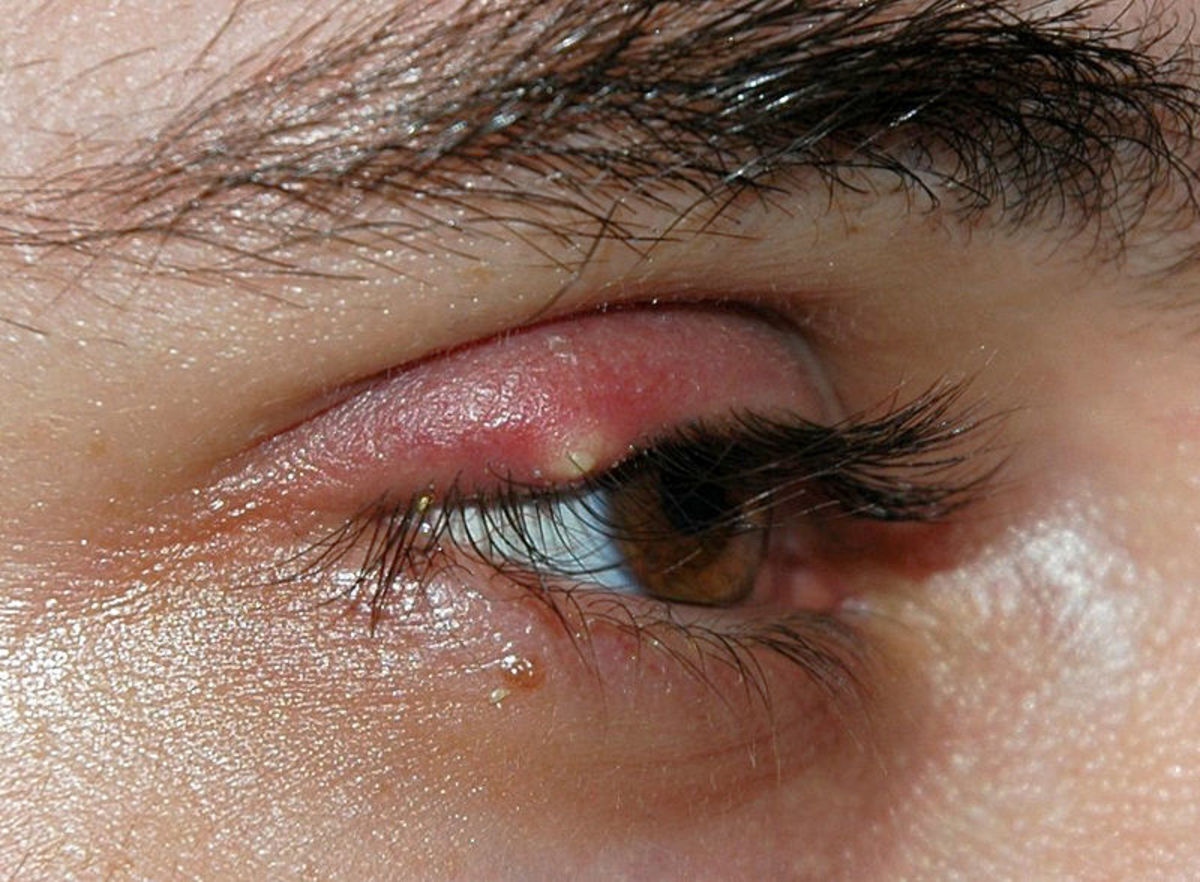
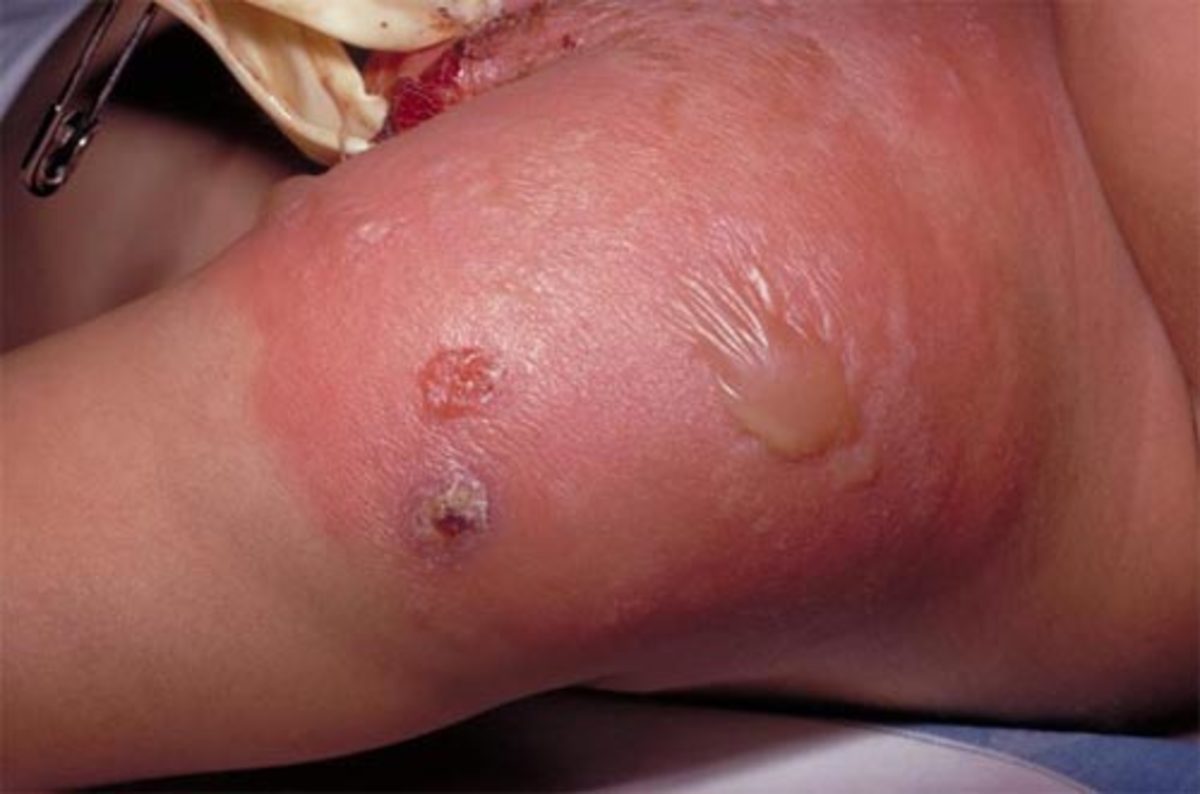
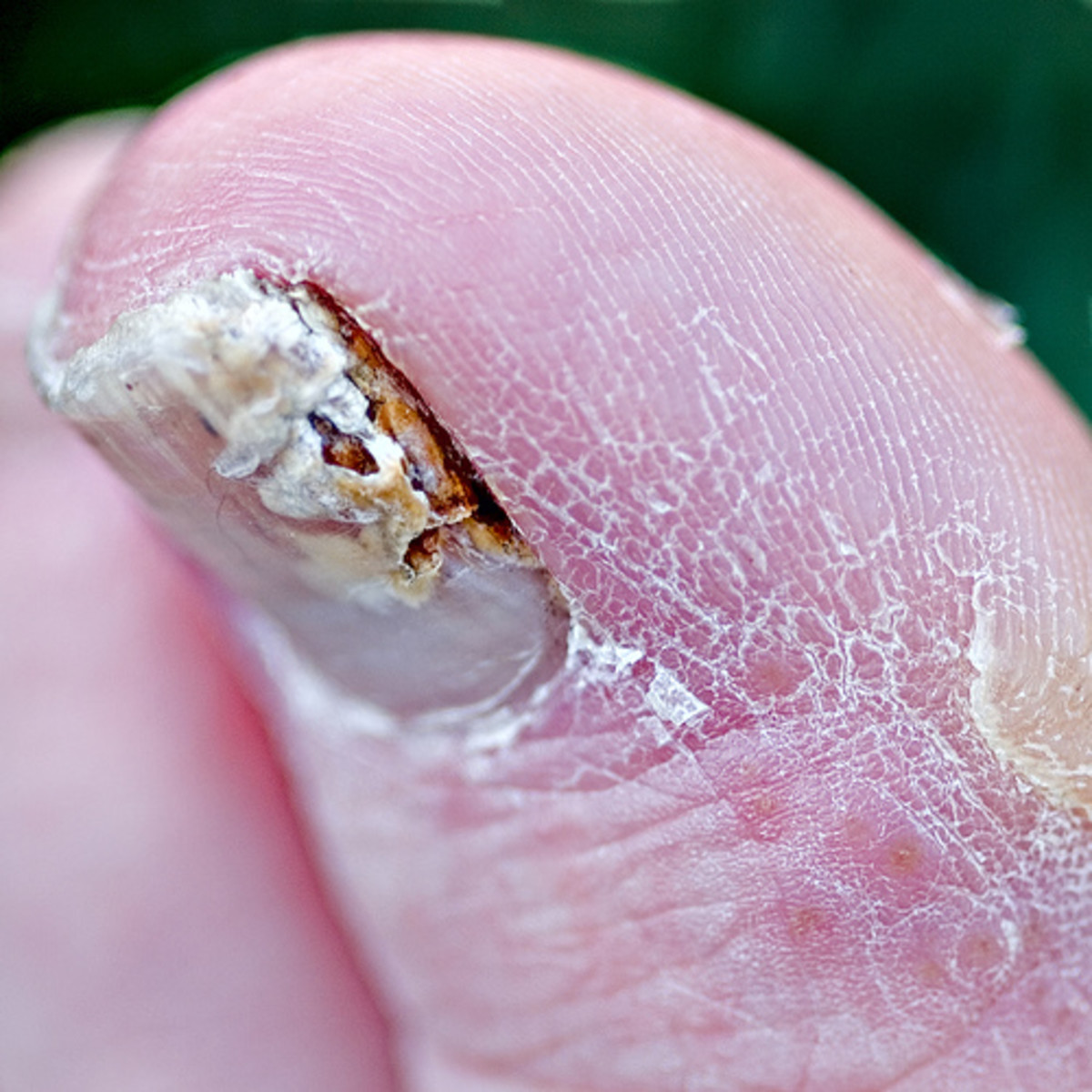
By most estimates, five percent of patients pick up an infection while at the hospital. Each year, that equates to nearly two million people ending up sicker than they were prior to being admitted to the hospital because of hospital-acquired infections. Many of these hospital-acquired infections are minor and pose no serous threat to life. In the United States, however, hospital-acquired infections are the fourth major cause of death! Even if you don't pick up a serious infection while in the hospital, do you want to extend your stay? Demanding cleanliness is the solution. Ask everybody, from doctors to visitors, to wash their hands or at least use a germ-killing sanitizer when they enter your room. No, rubbing your hands together doesn't generate enough heat to disinfect your hands; you must use soap, disinfectants, a sanitizing wand, or some other proven method to kill germs. Doctors should wash their hands each time they come in contact with a different patient. In reality, studies suggest that doctors typically do this only a third of the time. Patients typically have compromised immune functioning, and inert germs can often cause serious infection. Because of this, all visitors, even friends and family, must wash their hands when entering your room. Remember, that washing your hands is always better than using germ-killing sanitizers. Using these hand sanitizers, however, is always better than nothing.

Hand cleanliness is only half the battle. Make sure you request that stethoscopes, blood pressure cuffs, bed rails, the TV remote, and any other things you come in contact with are disinfected with a wipe. In a weakened state, germs can easily take hold and cause an infection, so cleanliness is the key.

Think this is a little overboard? What's particularly scary is that an increasing number of hospital infections are now caused by superbugs, antibiotic-resistant bacteria. One example, Staphylococcus aureus (MRSA) is hard to kill because of its resistance to multiple antibiotics. Do you want to be in a hospital with little means to combat an infection? The best way to combat these superbugs is to make sure you never get infected in the first place. Still not convinced? Betsy McCaughey, founder of the Committee to Reduce Infection Deaths, stated, "These infections (hospital-acquired) kill as many people each year in our country as AIDS, breast cancer, and auto accidents combined." While that number seems inconsistent with other studies and statistics, it certainly is cause for concern.


Hospital-Acquired Germs, Infections, and Diseases

view quiz statistics

How to Get Discharged From the Hospital

In an effort to be a good patient, we often allow nurses and even doctors to administer medications and treatments that are unnecessary or even counterproductive. Feel free to ask questions. Ask, “Do I need this medication or treatment?” You may be surprised to find out how often extraneous treatments and medications are being administered. In some cases, poor communication between doctors and nurses results in improper care, medications, and treatments. I've seen this occur on several occasions, so beware of this potential. Remember that all treatments and drugs come with possible risks, so be your own advocate by communicating with all health professionals you come in contact with while in the hospital.

Remember that you must be your own advocate, ensuring proper care, cleanliness, and only necessary treatments. Without your own diligent efforts, it's likely that you, the patient, will not receive the spotless care you deserve. Be proactive, outspoken, and live!
Medical Negligence & Hospital Negligence

view quiz statistics
working

This website uses cookies

As a user in the EEA, your approval is needed on a few things. To provide a better website experience, hubpages.com uses cookies (and other similar technologies) and may collect, process, and share personal data. Please choose which areas of our service you consent to our doing so.

For more information on managing or withdrawing consents and how we handle data, visit our Privacy Policy at: https://corp.maven.io/privacy-policy

Show Details
Necessary
HubPages Device IDThis is used to identify particular browsers or devices when the access the service, and is used for security reasons.
LoginThis is necessary to sign in to the HubPages Service.
Google RecaptchaThis is used to prevent bots and spam. (Privacy Policy)
AkismetThis is used to detect comment spam. (Privacy Policy)
HubPages Google AnalyticsThis is used to provide data on traffic to our website, all personally identifyable data is anonymized. (Privacy Policy)
HubPages Traffic PixelThis is used to collect data on traffic to articles and other pages on our site. Unless you are signed in to a HubPages account, all personally identifiable information is anonymized.
Amazon Web ServicesThis is a cloud services platform that we used to host our service. (Privacy Policy)
CloudflareThis is a cloud CDN service that we use to efficiently deliver files required for our service to operate such as javascript, cascading style sheets, images, and videos. (Privacy Policy)
Google Hosted LibrariesJavascript software libraries such as jQuery are loaded at endpoints on the googleapis.com or gstatic.com domains, for performance and efficiency reasons. (Privacy Policy)
Features
Google Custom SearchThis is feature allows you to search the site. (Privacy Policy)
Google MapsSome articles have Google Maps embedded in them. (Privacy Policy)
Google ChartsThis is used to display charts and graphs on articles and the author center. (Privacy Policy)
Google AdSense Host APIThis service allows you to sign up for or associate a Google AdSense account with HubPages, so that you can earn money from ads on your articles. No data is shared unless you engage with this feature. (Privacy Policy)
Google YouTubeSome articles have YouTube videos embedded in them. (Privacy Policy)
VimeoSome articles have Vimeo videos embedded in them. (Privacy Policy)
PaypalThis is used for a registered author who enrolls in the HubPages Earnings program and requests to be paid via PayPal. No data is shared with Paypal unless you engage with this feature. (Privacy Policy)
Facebook LoginYou can use this to streamline signing up for, or signing in to your Hubpages account. No data is shared with Facebook unless you engage with this feature. (Privacy Policy)
MavenThis supports the Maven widget and search functionality. (Privacy Policy)
Marketing
Google AdSenseThis is an ad network. (Privacy Policy)
Google DoubleClickGoogle provides ad serving technology and runs an ad network. (Privacy Policy)
Index ExchangeThis is an ad network. (Privacy Policy)
SovrnThis is an ad network. (Privacy Policy)
Facebook AdsThis is an ad network. (Privacy Policy)
Amazon Unified Ad MarketplaceThis is an ad network. (Privacy Policy)
AppNexusThis is an ad network. (Privacy Policy)
OpenxThis is an ad network. (Privacy Policy)
Rubicon ProjectThis is an ad network. (Privacy Policy)
TripleLiftThis is an ad network. (Privacy Policy)
Say MediaWe partner with Say Media to deliver ad campaigns on our sites. (Privacy Policy)
Remarketing PixelsWe may use remarketing pixels from advertising networks such as Google AdWords, Bing Ads, and Facebook in order to advertise the HubPages Service to people that have visited our sites.
Conversion Tracking PixelsWe may use conversion tracking pixels from advertising networks such as Google AdWords, Bing Ads, and Facebook in order to identify when an advertisement has successfully resulted in the desired action, such as signing up for the HubPages Service or publishing an article on the HubPages Service.
Statistics
Author Google AnalyticsThis is used to provide traffic data and reports to the authors of articles on the HubPages Service. (Privacy Policy)
ComscoreComScore is a media measurement and analytics company providing marketing data and analytics to enterprises, media and advertising agencies, and publishers. Non-consent will result in ComScore only processing obfuscated personal data. (Privacy Policy)
Amazon Tracking PixelSome articles display amazon products as part of the Amazon Affiliate program, this pixel provides traffic statistics for those products (Privacy Policy)
ClickscoThis is a data management platform studying reader behavior (Privacy Policy)