What Type of Orthodontic Retainer Should I Choose?

There are many types of orthodontic retainers available to choose from when your braces are removed or when you are looking for replace an existing retainer. These types include the Hawley, Essix and permanent/fixed. Each of these types has their own advantages and disadvantages of course and making the choice between these types can be difficult. Some people may even choose to have two types. In this article we will explore the various types of retainers and the pros and cons of each in order to help you make this choice.
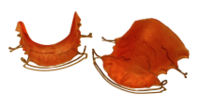
The most popular and oldest type of retainer is called the Hawley Retainer. This type of retainer is known to last a long time (less likely to break or wear out than other removable retainers). This retainer is removable and the wire can be adjusted to make changes to the teeth if needed. With this type of retainer the top and bottom teeth will touch each other when biting down, allowing a natural bite. Food can be eaten while wearing a Hawley retainer. This retainer will be visible by its telltale wire across the front of the teeth. Many colors and designs are available for the bite plate section of the retainer which can be fun. This type of retainer should be stored in a case especially since dogs are fond of chewing on them, and as a result, breaking them and/or taking chunks out of the bite plate section. Dog owners beware.
In an effort to make the Hawley Retainer less visible, a new type of Hawley Retainer was developed where the front wire is replaced with a molded piece of clear plastic called the ASTICS. This retainer is as effective as the Hawley, remains adjustable like the Hawley, but is more easily broken and is not recommended for children.
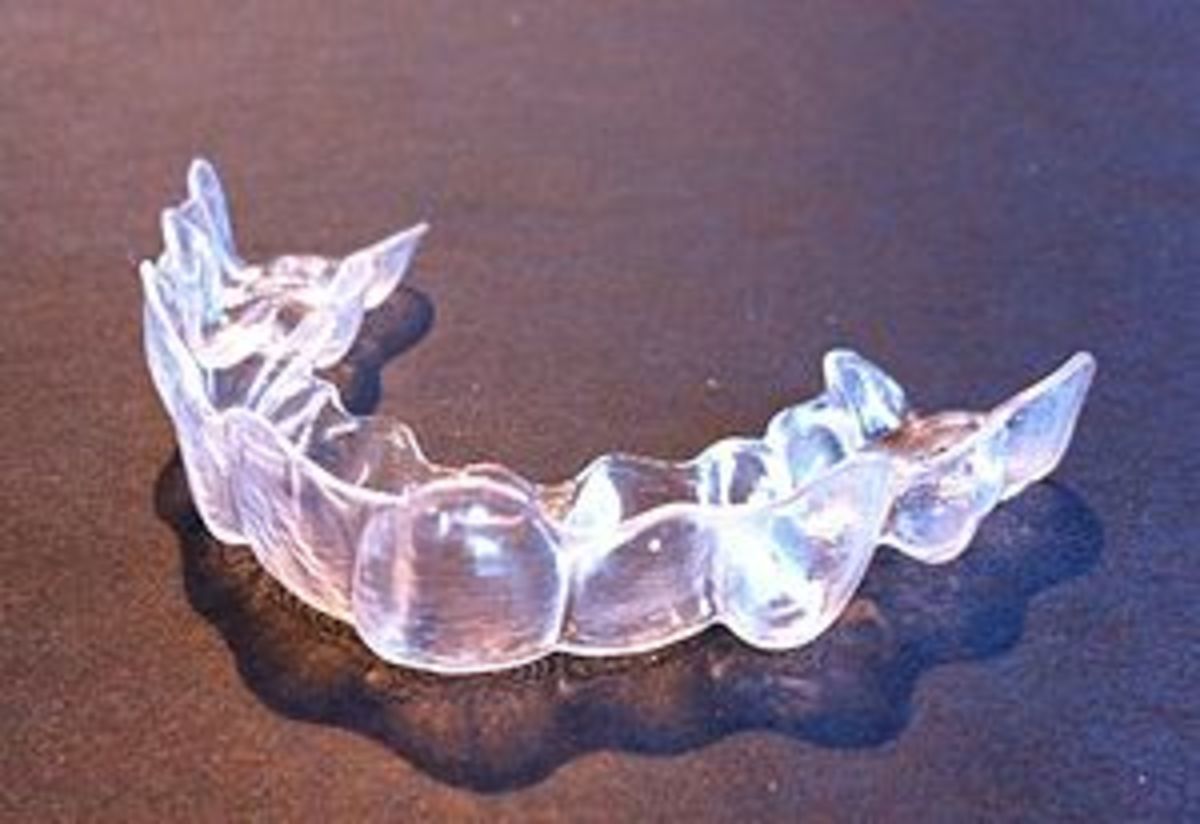
A newer type of retainer, which is nearly invisible, was developed more recently. This is called the 

Some orthodontists highly recommend a permanent or fixed retainer since it eliminates the issue of remembering to wear the retainer and the possibility of losing or breaking the retainer. With this method, the orthodontist permanently affixes a wire on the inside of the teeth. It is applied similar to the way that standard braces are attached, but without brackets. While a convenient and fairly inexpensive method of retaining the teeth, having the affixed wire present makes it difficult to floss the teeth where the wire is. While the flossing is one issue another is comfort, this method might not bother some but can be excruciatingly annoying to others.

Comparing Retainers
Hawley
| Essex (invisalign type)
| Permanent/Fixed
| |
|---|---|---|---|
Cost
| More Expensive
| Less Expensive
| More Expensive
|
Comfort
| Less Comfortable
| More Comfortable
| Least Comfortable
|
Eating with Retainer
| Yes
| No
| Yes
|
Ability to Clean Teeth
| Easy
| Easy
| More difficult
|
Minor Teeth Adjustments can be made
| Yes
| No
| No
|
Effects Speech
| Likely, often goes away over time
| Slightly, will go away after a few days
| No
|
Top and bottom teeth touch
| Yes
| No
| Yes
|
Nearly invisible
| No, The ASTICS is less visible
| Yes
| Yes
|
Durability
| Very Durable
| Less Durable
| Moderately Durable
|
Easy to Lose
| Less easy to lose
| Easiest to lose
| Impossible to lose
|
How long do I need to wear my retainer?
Orthodontists are now recommending that patients continue to wear their retainer for the rest of their life, this is because the teeth can shift out of their new position. The amount of shifting varies from person to person. This approach is very different from that of a generation ago when a retainer was worn for a short period of time and then forgotten about, with many patients the teeth shifted, requiring a repeat of orthodontic work causing frustration and costing time and money.
After the braces are removed, your orthodontist will recommend full time retainer wear and later shift to nighttime only wear or perhaps wearing the retainer 3-5 nights a week.
So there you have it, there are a fair variety of options when it comes to choosing a retainer. Sometimes the orthodontist will advise you on which type of retainer to choose, but often times, the choice is left up to the patient and their parents. This article help you to better understand you options when it comes to choosing a retainer. This article gives an overview of the pros and cons of the Hawley, Hawley ASTICS, Essex as well as the permanent/fixed type of orthodontic dental retainer.
© 2014 Ariel Laur