8 Powerful Reasons To Restrict Fast Foods

Any food that has poor nutritional value is considered unhealthy and may be called a "junk food" . Such food has become a part of a busy modern lifestyle. Fast food is very popular because it is convenient, not expensive, easy to purchase, requires little or no preparation, and is appetizing. Probably you do know that fast food is not a healthy food, but do you know why?
Here are some good reasons to restrict fast food:
- High palatability. Palatability of fast food is really guileful. It makes you eat fast and want more of it.
- Rich in calories. Fast food is loaded with calories. Do you know that fast food meals usually contain about 1,000 Calories for just one meal? Getting so many unnecessary extra calories in a single meal almost ensures that you will be overweight, especially if you do it on a regular basis.
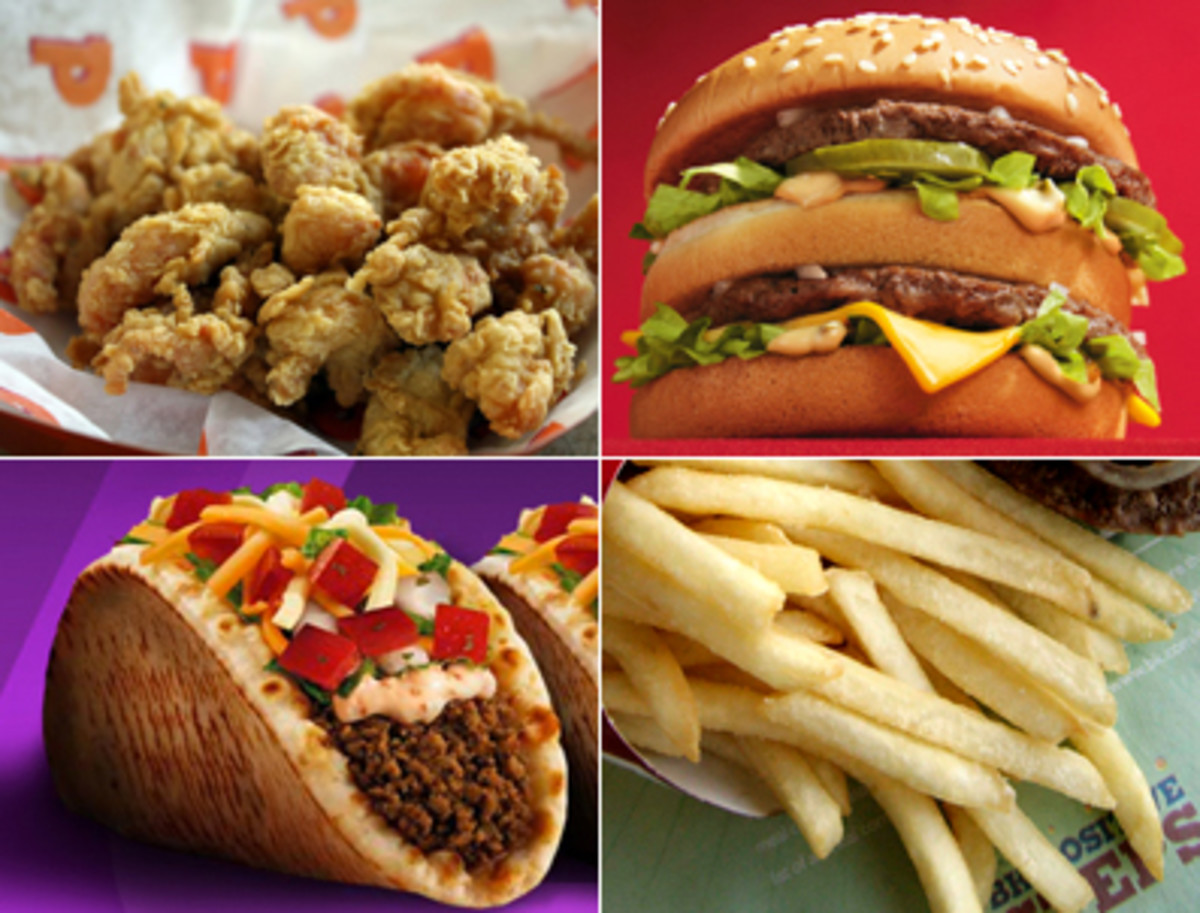
- High saturated and trans fats content. Many fast foods are cooked with a lot of oil and butter, and very often in an ultra-hot oil high in trans fats. Fried meat, fish or chicken, French fries, cheese, bologna, mayonnaise, and dressings are all common high fat ingredients of fast food. Too much fat, and especially saturated and trans fat, can contribute to obesity, high cholesterol and heart disease. Fast foods are probably the biggest source of trans fats in our diet.
- High glycemic index. Most fast foods are high glycemic index foods (cause a rapid rise in blood glucose levels). Desserts, candy, syrups, jellies, and jams all contain added sugar. Corn flakes, French fries, white bread, soda drinks also have a high glycemic index. Scientific studies confirm that fast food increases the risk of obesity and type 2 diabetes.
- High levels of salt. Salt makes cheap food taste better, but too much salt is bad for you. You can reach your daily sodium intake (2,300 milligrams) in just one meal. It is recommended to consume less than 2,300 milligrams of sodium per day.
- Lack of vitamins, minerals, and fiber. Fast food tends to lack whole grains, fresh fruits and vegetables.
- Numerous food additives. Fast food is given a very attractive appearance by adding food additives and colors to enhance flavor, texture, and palatability. Additives like preservatives, colorants, and sweeteners may be harmful for the health.
- Large portion size. The large portions encourage overeating. Large, extra large, and double portions are the rule for fast food meals. And most people don't need super-sized portions.
The results of eating too much fast food over a long period of time could be excessive weight, high blood pressure, heart disease, high cholesterol level, insulin resistance and other serious health problems.