Illustrated Haiku: Autumn Rain

Haiku is a commonly misunderstood form of poetry. The haiku and villanelle are my two favorite forms. Both present unique challenges. While the villanelle often is regarded as a difficult form, many people believe haiku are easy because they over-simplify the form. A widespread misconception is that any non-rhyming poem that has five syllables in the first and last lines and seven syllables in the middle line is haiku.
Haiku have their own set of guidelines that poets need to follow in order to create traditional haiku. Those who rigidly adhere to the rules of haiku and have a narrow interpretation of them may say that my poem here is not haiku.
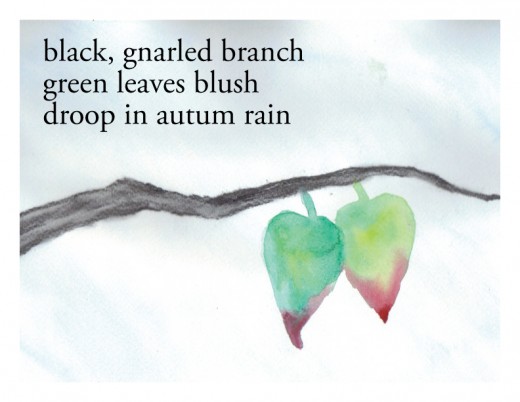
black, gnarled branch
green leaves blush
droop in autumn rain
I wrote this haiku while looking out a hospital window. I have been to that hospital too many times. Though this haiku captures my anxiety and depression at that time, I present the scene without trying to explain my feelings in the haiku itself. Haiku can be a difficult form because many poets want to tell the reader what to think or how to feel in the poem. Some forms are more suited for clearly describing feelings.
The challenge with haiku is to describe feelings or other elements of humanity within the limits of a nature scene. Poets who write haiku have to be careful not to interpret the scene for the audience. Of course, the other innate challenge of haiku is limiting the poem to less than seventeen syllables.
Contrary to popular belief, a haiku poem does not have to follow a 5-7-5 syllabic format, but I feel it should use words conservatively and have a maximum syllable count of seventeen syllables. Some haiku poets believe that English haiku should have less than fourteen syllables to imitate the Japanese form. In my opinion, the length requirement of haiku is satisfied as long as the haiku is seventeen syllables or less and uses words in a concise manner.
Other rules of haiku include the presence of a word that indicates season and avoiding anthropomorphism. The name of a season is used in this haiku, but the season word does not have to be so obvious. The word to denote the season can be related to wildlife or weather that are associated with a season such as robins in the spring for people in the United States. These season words vary with geographic location since natural signs of the seasons are different.
The rule against anthropomorphism may be where people have an issue with my haiku presented here. I used the phrase "leaves blush" which some may interpret as anthropomorphism. However, I used this phrase to describe the way the leaves were turning red due to the season and not to imply embarrassment. I thought about changing it, but I feel this phrase fits this haiku very well.
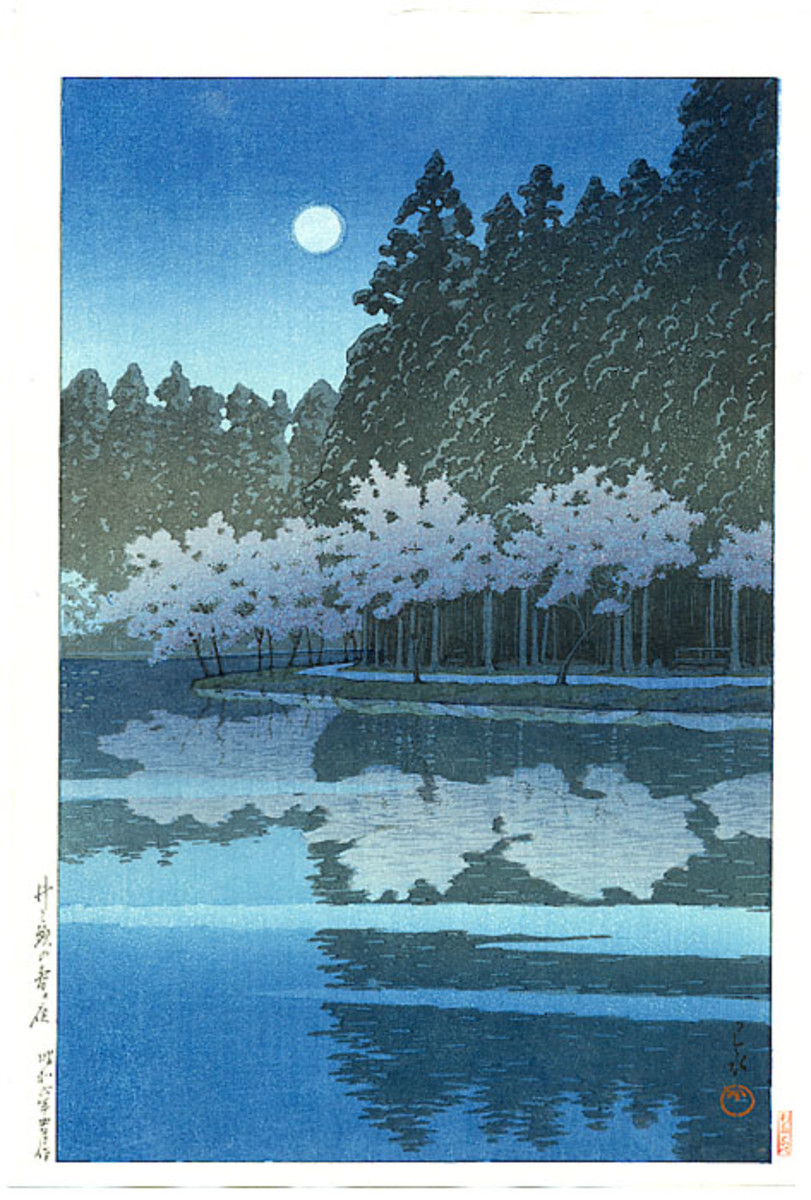
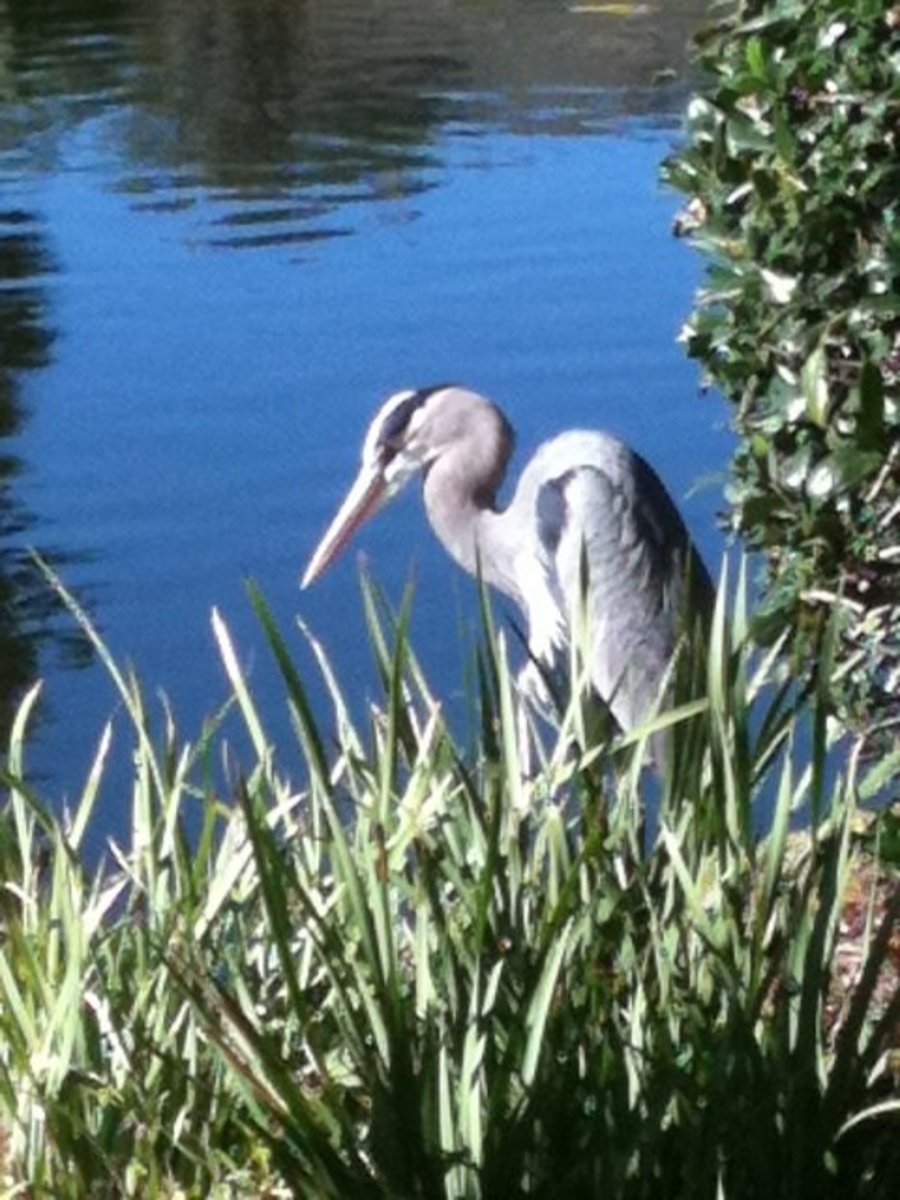
Watercolor seems to enhance the mood of haiku. I have been illustrating some of my haiku with watercolor mixed media. This piece is watercolor and charcoal. For some of my illustrated haiku, I have been experimenting with combining watercolor and digital art. Here are some examples of the digital and watercolor mixed media illustrated haiku.
How to Write Haiku: Moving Beyond 5-7-5 is my Hubpages article about the rules of haiku. Please take a look at that article for more information about writing haiku.