Thomas Carlyle's Analysis of John Mill's "What is Poetry?"

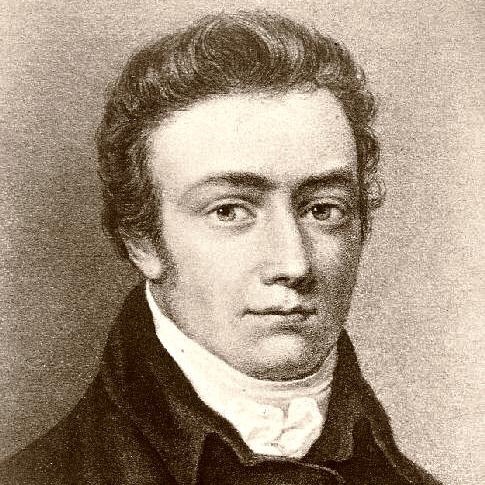
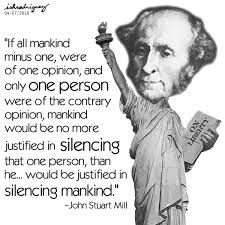
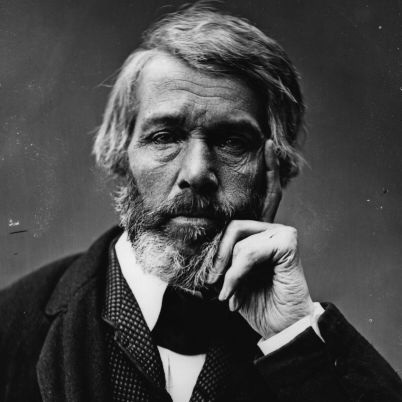
In What Is Poetry?, John Mill claims that poetry is distinctive because it seeks to elicit a specific emotional reaction from the reader, rather than trying to describe something using terms that are technically true. I think that Thomas Carlyle's prose fits this idea of poetry rather snugly.
At a detached, rational level, Carlyle's prose is just florid and hyperbolic, using strange sentence structure and exciting vocabulary choice to make a rational point more strongly. I would argue, however, that looking a little deeper, Carlyle's prose is actually poetry as defined by John Mill. Carlyle's word choices are tailored to elicit the emotional truth of the subject matter he is dealing with, his muddled syntax and grammar deliberately forcing the reader to abandon the sequential norms of English and accept the words as they pour out, as Emerson said, "all a splendid sort of conversation".
Critics, of course, were not amused by Carlyle's attempts to shake the norms of conventional writing and must surely have pointed out that this "outside the box" style of creative expression lent itself to arguments that followed no logical progression. Carlyle's response was a non-apology: In the midst of all this revolution and the newness of his ideas, he asked, should he really confine himself to a nonrevolutionary, old-fashioned style of writing?
One characteristic that can be found in Carlyle’s writings is his prose style which reflects the intensity of his views. In “Sartor Resartus”, Carlyle expresses strong views about faith and social injustice. However, many of Carlyle’s works are deemed controversial. When one critic claimed that Carlye’s essay “Characteristics” was “inscrutable,”
Carlyle replied sarcastically in saying that his essay was extremely understandable: “My own fear was that it might be too scrutable for it indicates decisively enough that Society (in my view) is utterly condemned to destruction, and even now beginning its long travail - throes of Newbirth” (page 1004).