ArtsAutosBooksBusinessEducationEntertainmentFamilyFashionFoodGamesGenderHealthHolidaysHomeHubPagesPersonal FinancePetsPoliticsReligionSportsTechnologyTravel

How to Make Perfect Compost

Updated on January 17, 2014
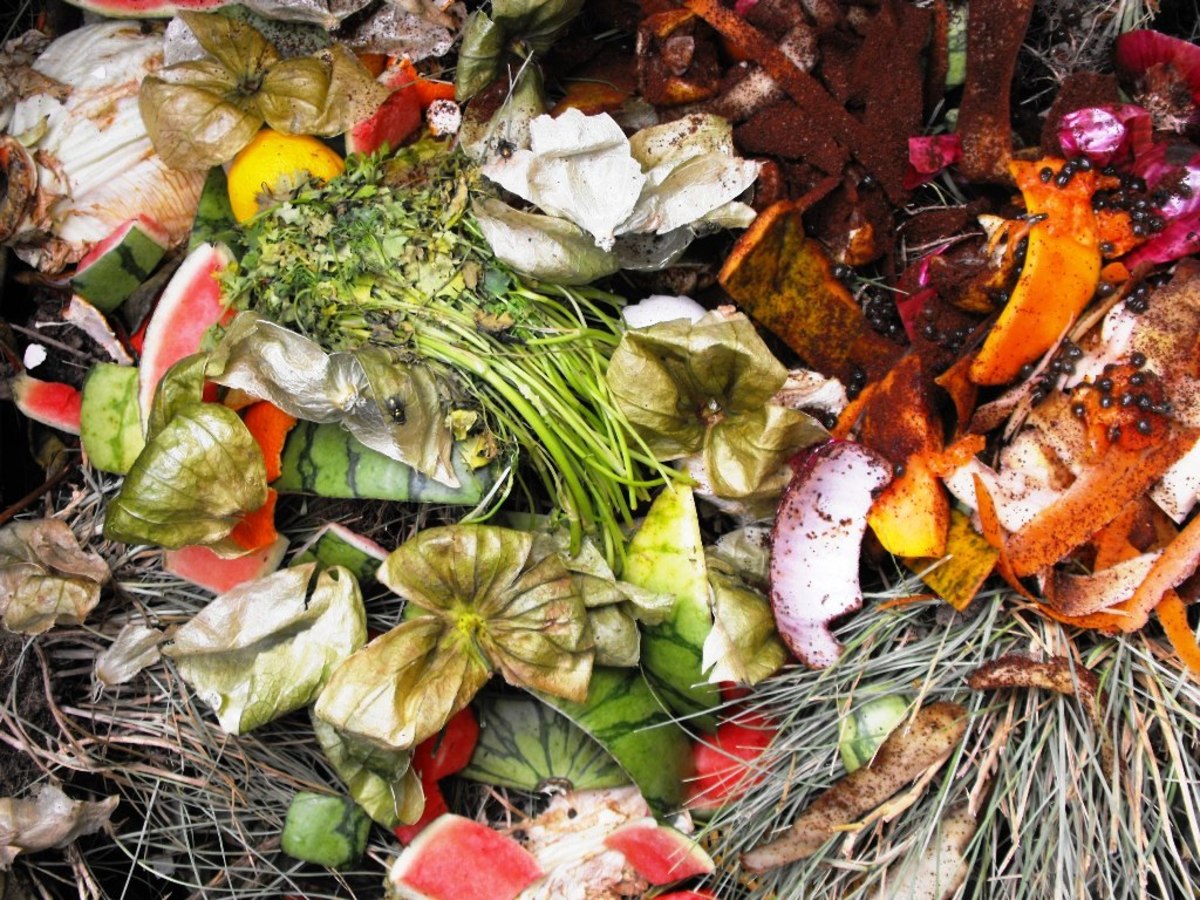
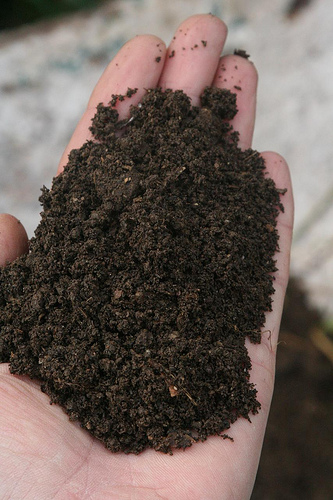
Compost
Compost | Source

It is amazing just how many gardeners struggle to make good compost, after all, you would think that you just dump all your old green lawn mowings/clippings and potato peelings in a big heap and hey presto, in six months time you shovel the perfectly rotted remains on to your garden beds and everything grows better...... wrong! The reality is that to make good compost there are a number of important things to remember and I hope to share my tips on how to ensure you end up with quality compost that looks like dark brown sugar and smells sweet enough to eat.
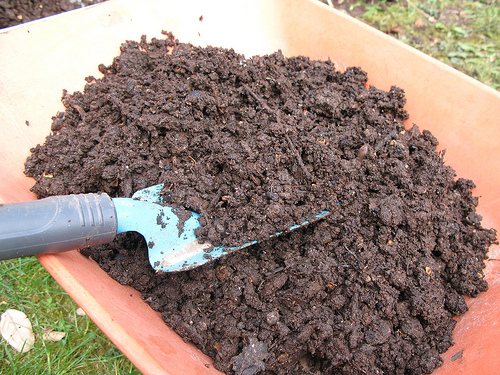
Sieved compost
Sieved compost | Source

Do

DO add vegetable peelings, tea bags, coffee grounds, rotting fruit, grass clippings, old bedding plants, sawdust, wood shavings,eggshells, hair, newspaper, rabbit and guinea-pig bedding, wood ash, soot and the leafy tops of perennials, (not the roots though).

DO chop up larger stems or hedge clippings to facilitate them rotting down quicker.

DO make sure the contents of your compost bin or compost heap do not become too wet or they will start to smell. They way to achieve this is to add one handful of dry "brown" matter to every handful of wet "green" matter. Dry matter includes items such as torn up newspapers, egg boxes and cardboard.

DO try to turn the contents of your compost heap fortnightly with a garden fork to allow some air into it. This ensures you have a "hot heap" and everything rots down much faster. If you are using a compost bin you can periodically empty it out and mix it up with a garden fork before shovelling it back into the bin.

DO buy more than one compost bin and then whilst the full bin is maturing nicely you can fill the others up. If you have three (as I do), you can have one that is available for immediate use as the contents have fully rotted, one that is full and in the process of rotting and the third as the one you are actively filling up day to day.

DO use compost accelerators as they will provide the right bacteria to ensure rapid decomposition of your material. Either use your own urine as the accelerator, or if you just can't quite bring yourself to pee on your compost heap you can buy products from garden centres that will work just as well.
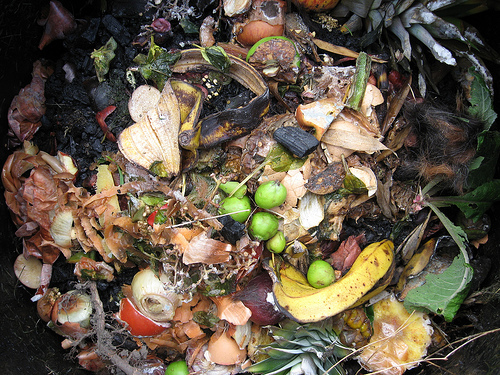

Raw food waste composting
Raw food waste composting | Source

Don't

DON'T add cooked foods, plastic wrappers, polystyrene, cat litter, nappies, coal or coke ash, fish bones, meat, cat or dog excrement - these may attract rats.

DON'T add perennial weeds as they will re-sprout. Discard these either on your bonfire or with your other household waste for the bin men to take to the local tip or incinerator.

DON'T hide your compost bin in a shady area of the garden. The sun on it warms up the contents and they rot down much faster.

DON'T be alarmed if you see insects, slugs and snails in your compost. They will help to break down your compost and for once in a way a slug is a gardener's friend. You might also see clouds of fruit flies which is fine, but may mean your compost is too wet. To be on the safe side add some dry "brown" matter such as shredded newspaper or cardboard. If you see ants in your compost they are not a problem, but this may indicate your heap is too dry. Add a watering can of water just in case and they should vanish.

DON'T dump all your lawn clippings in all at once. They will quickly turn into a slimy goo. Instead, alternate 4 - 6cm layers of grass mowings with the same thickness of dry "brown" material.

DON'T add loads of autumn leaves. These take over a year to rot down fully. Far better to place these loosely in bin sacks, tie the top of the sack stab the sacks a few times with a garden fork to allow air in, and then place these somewhere out of sight so that the contents can rot down and become leaf mould.

DON'T add potato or tomato stems and leaves unless you turn your compost heap on a regular basis so that it gets very hot. Blight can survive the composting process and you then risk transferring the blight back to your following season's plants. Any diseased plants should always be burnt or sent to the local tip.

DON'T be surprised that your fully rotted compost does not resemble the stuff you buy from the local garden centre. It may well be a bit twiggy, lumpy, sticky and show signs of broken eggshells, but it will be fantastic for your plants and will smell wonderful.

working

This website uses cookies

As a user in the EEA, your approval is needed on a few things. To provide a better website experience, hubpages.com uses cookies (and other similar technologies) and may collect, process, and share personal data. Please choose which areas of our service you consent to our doing so.

For more information on managing or withdrawing consents and how we handle data, visit our Privacy Policy at: https://corp.maven.io/privacy-policy

Show Details
Necessary
HubPages Device IDThis is used to identify particular browsers or devices when the access the service, and is used for security reasons.
LoginThis is necessary to sign in to the HubPages Service.
Google RecaptchaThis is used to prevent bots and spam. (Privacy Policy)
AkismetThis is used to detect comment spam. (Privacy Policy)
HubPages Google AnalyticsThis is used to provide data on traffic to our website, all personally identifyable data is anonymized. (Privacy Policy)
HubPages Traffic PixelThis is used to collect data on traffic to articles and other pages on our site. Unless you are signed in to a HubPages account, all personally identifiable information is anonymized.
Amazon Web ServicesThis is a cloud services platform that we used to host our service. (Privacy Policy)
CloudflareThis is a cloud CDN service that we use to efficiently deliver files required for our service to operate such as javascript, cascading style sheets, images, and videos. (Privacy Policy)
Google Hosted LibrariesJavascript software libraries such as jQuery are loaded at endpoints on the googleapis.com or gstatic.com domains, for performance and efficiency reasons. (Privacy Policy)
Features
Google Custom SearchThis is feature allows you to search the site. (Privacy Policy)
Google MapsSome articles have Google Maps embedded in them. (Privacy Policy)
Google ChartsThis is used to display charts and graphs on articles and the author center. (Privacy Policy)
Google AdSense Host APIThis service allows you to sign up for or associate a Google AdSense account with HubPages, so that you can earn money from ads on your articles. No data is shared unless you engage with this feature. (Privacy Policy)
Google YouTubeSome articles have YouTube videos embedded in them. (Privacy Policy)
VimeoSome articles have Vimeo videos embedded in them. (Privacy Policy)
PaypalThis is used for a registered author who enrolls in the HubPages Earnings program and requests to be paid via PayPal. No data is shared with Paypal unless you engage with this feature. (Privacy Policy)
Facebook LoginYou can use this to streamline signing up for, or signing in to your Hubpages account. No data is shared with Facebook unless you engage with this feature. (Privacy Policy)
MavenThis supports the Maven widget and search functionality. (Privacy Policy)
Marketing
Google AdSenseThis is an ad network. (Privacy Policy)
Google DoubleClickGoogle provides ad serving technology and runs an ad network. (Privacy Policy)
Index ExchangeThis is an ad network. (Privacy Policy)
SovrnThis is an ad network. (Privacy Policy)
Facebook AdsThis is an ad network. (Privacy Policy)
Amazon Unified Ad MarketplaceThis is an ad network. (Privacy Policy)
AppNexusThis is an ad network. (Privacy Policy)
OpenxThis is an ad network. (Privacy Policy)
Rubicon ProjectThis is an ad network. (Privacy Policy)
TripleLiftThis is an ad network. (Privacy Policy)
Say MediaWe partner with Say Media to deliver ad campaigns on our sites. (Privacy Policy)
Remarketing PixelsWe may use remarketing pixels from advertising networks such as Google AdWords, Bing Ads, and Facebook in order to advertise the HubPages Service to people that have visited our sites.
Conversion Tracking PixelsWe may use conversion tracking pixels from advertising networks such as Google AdWords, Bing Ads, and Facebook in order to identify when an advertisement has successfully resulted in the desired action, such as signing up for the HubPages Service or publishing an article on the HubPages Service.
Statistics
Author Google AnalyticsThis is used to provide traffic data and reports to the authors of articles on the HubPages Service. (Privacy Policy)
ComscoreComScore is a media measurement and analytics company providing marketing data and analytics to enterprises, media and advertising agencies, and publishers. Non-consent will result in ComScore only processing obfuscated personal data. (Privacy Policy)
Amazon Tracking PixelSome articles display amazon products as part of the Amazon Affiliate program, this pixel provides traffic statistics for those products (Privacy Policy)
ClickscoThis is a data management platform studying reader behavior (Privacy Policy)