ArtsAutosBooksBusinessEducationEntertainmentFamilyFashionFoodGamesGenderHealthHolidaysHomeHubPagesPersonal FinancePetsPoliticsReligionSportsTechnologyTravel

Verticillium & Fusarium Wilts
Updated on April 14, 2014

Out of all the pests and diseases that a gardener may face, soil wilts are by far the most discouraging. One day your plants are flowering and starting to grow fruit, while the next day, they're terminally wilting away! It's difficult to watch a perfectly healthy crop wither to nothing in a matter of a week, but so goes the life of soil-borne verticillium and fusarium wilts. Systemically shutting down nutrient and water pathways, these fungal wilts almost always kill their host garden plants. While the short term outlook is grim, there are verticillium and fusarium wilt treatment options! Keep reading to find out how to diagnose and eliminate these frustrating soil diseases.

_________________________________________________________________

Fusarium & Verticillium Wilt -

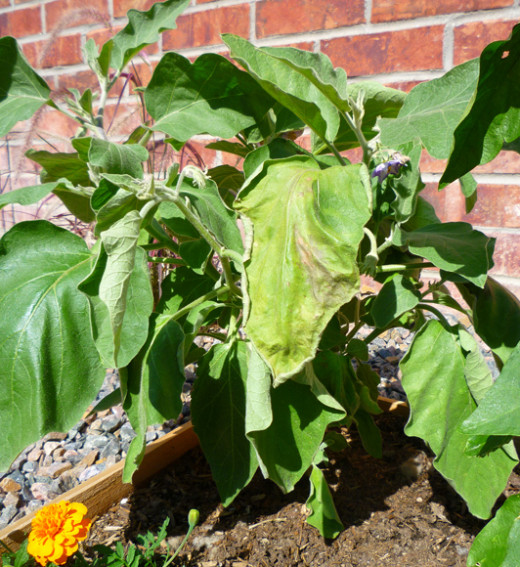
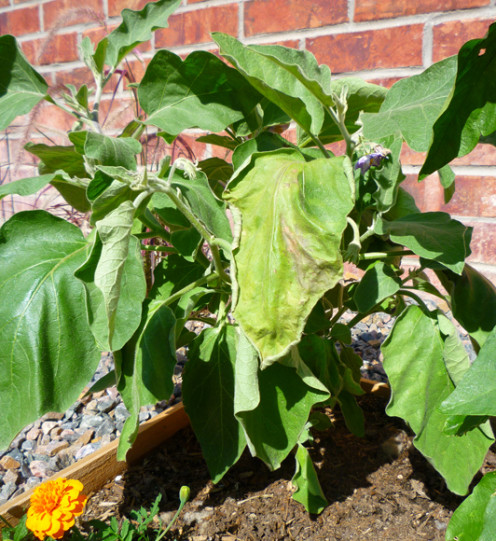
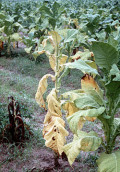
Although comprised of many fungi species and subspecies, fusarium and verticillium wilts cause distinct symptoms in their plant host. Entering from a small cut or wound on a root, the fungi make their way into the vascular tissues of the plant. From here, the wilts reproduce and begin to completely plug up entire sections of nutrient and water transporting pathways. Generally, when the disease is just setting in, only one side or section of the plant may be affected. Older leaves will suddenly droop for no apparent reason, quickly followed by newer growth. The foliage will yellow and die as the wilt infection becomes worse. Young plants can be affected, but generally the diseases hit plants the hardest when they're in the flowering and early fruit production stages.
  • Diagnosis - To make sure that soil-borne wilts are the culprit, cut the stem or a branch off the infected plant. If brown splotches or rings are present, you're looking at wilt! To be absolutely certain that wilt is the issue, place the stem or branch in a glass of water. When present, there will be a cloudy brownish slime exuding from the cut part of the branch after only a couple of hours.
  • Susceptible Garden Crops - Hundreds of plant species can be affected by fusarium and verticillium wilts, but the most common garden crops with susceptibility include: Tomatoes, okra, eggplants, sweet peppers, melons, squashes, artichokes, peas, cauliflower, peanuts, cabbage, sunflowers, basil, beans, berries, and sweet potatoes.

_________________________________________________________________

Verticillium & Fusarium Wilt Treatment -

If you've been unfamiliar with soil wilts up until now, let me be the first to tell you that they're not easy to get rid of. Dwelling deep in affected garden soils, these fungal diseases can remain present for years. With no "cure all" solution available for organic gardeners, a different kind of treatment regimen must be pursued.
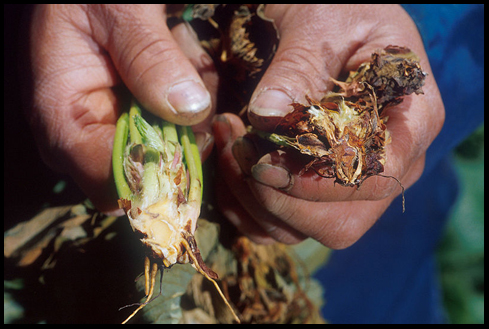
Healthy strawberry plant on left. Verticillium infected on right. Photo By: Howard F. Schwartz, Colorado State University.
  • Sanitize - When working between garden beds, always practice good sanitation. By cleaning shovels, scissors, and all other garden tools, you'll minimize the risk of spreading around these plant diseases.
  • Throw Out All Affected Plant Material - Never compost plant material that has been affected by soil wilts. Cut each plant at the base of the stem and throw away. While you'll eventually want to remove as much of the roots as possible, this should be done at the end of the season, as to not cause the infection to spread to surrounding plants.
  • Solarize the Soil - While solarizing your soil is optional, it can drastically reduce the number of potential pathogens in the topsoil. This process entails covering your garden beds with thick black plastic and allowing the summer sun to beat down on it. The heat trapped in by the plastic will bake the soil and kill off many verticillium and fusarium wilt spores. The downside to this technique is that the plastic should remain on top of the affected garden beds for six to eight weeks.

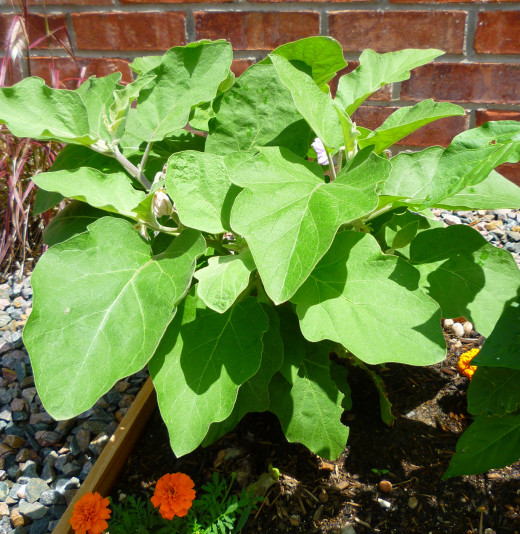
Click thumbnail to view full-size
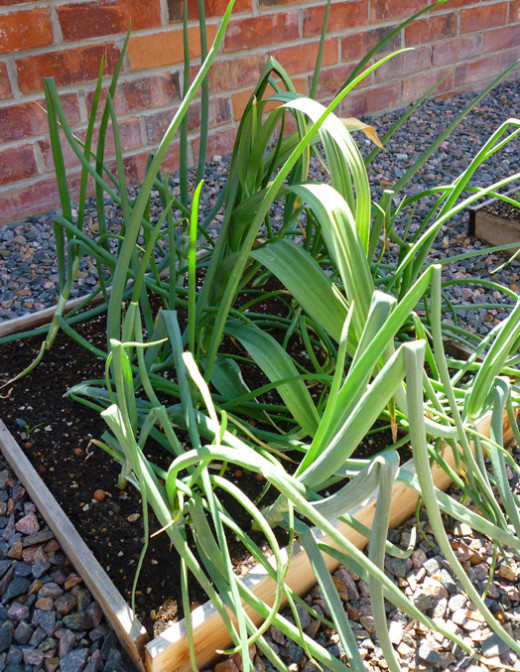
  • Rotate Crops - Even if you chose to solarize your garden soil, plant verticillium and fusarium wilt resistant crops in affected soils for the next few years. If you suspect that verticillium wilt is an issue, plant celery, corn, asparagus, onions, garlic, carrots or alfalfa. If fusarium wilt is present, plant similar crops to the ones already mentioned for verticillium wilt, or seek out varieties that are known for fusarium resistance.
  • Improve Soil Health - The fungi that cause verticillium and fusarium wilt generally affect garden soils that remain soggy and have poor drainage. Deeply tilling in perilite and compost will increase soil drainage and promote more beneficial organisms to compete with the pesky fungi.

_________________________________________________________________

After spending a few years of following the above practices, susceptible crops can be reintroduced with caution. When planting these varieties again, always seek out cultivars that have a known resistance to verticillium or fusarium wilt. If the wilt persists, start the treatment process again! It may be a pain, but a wilt free garden is a happy garden! Thanks for reading this guide on verticillium and fusarium wilt treatment.

working

This website uses cookies

As a user in the EEA, your approval is needed on a few things. To provide a better website experience, hubpages.com uses cookies (and other similar technologies) and may collect, process, and share personal data. Please choose which areas of our service you consent to our doing so.

For more information on managing or withdrawing consents and how we handle data, visit our Privacy Policy at: https://corp.maven.io/privacy-policy

Show Details
Necessary
HubPages Device IDThis is used to identify particular browsers or devices when the access the service, and is used for security reasons.
LoginThis is necessary to sign in to the HubPages Service.
Google RecaptchaThis is used to prevent bots and spam. (Privacy Policy)
AkismetThis is used to detect comment spam. (Privacy Policy)
HubPages Google AnalyticsThis is used to provide data on traffic to our website, all personally identifyable data is anonymized. (Privacy Policy)
HubPages Traffic PixelThis is used to collect data on traffic to articles and other pages on our site. Unless you are signed in to a HubPages account, all personally identifiable information is anonymized.
Amazon Web ServicesThis is a cloud services platform that we used to host our service. (Privacy Policy)
CloudflareThis is a cloud CDN service that we use to efficiently deliver files required for our service to operate such as javascript, cascading style sheets, images, and videos. (Privacy Policy)
Google Hosted LibrariesJavascript software libraries such as jQuery are loaded at endpoints on the googleapis.com or gstatic.com domains, for performance and efficiency reasons. (Privacy Policy)
Features
Google Custom SearchThis is feature allows you to search the site. (Privacy Policy)
Google MapsSome articles have Google Maps embedded in them. (Privacy Policy)
Google ChartsThis is used to display charts and graphs on articles and the author center. (Privacy Policy)
Google AdSense Host APIThis service allows you to sign up for or associate a Google AdSense account with HubPages, so that you can earn money from ads on your articles. No data is shared unless you engage with this feature. (Privacy Policy)
Google YouTubeSome articles have YouTube videos embedded in them. (Privacy Policy)
VimeoSome articles have Vimeo videos embedded in them. (Privacy Policy)
PaypalThis is used for a registered author who enrolls in the HubPages Earnings program and requests to be paid via PayPal. No data is shared with Paypal unless you engage with this feature. (Privacy Policy)
Facebook LoginYou can use this to streamline signing up for, or signing in to your Hubpages account. No data is shared with Facebook unless you engage with this feature. (Privacy Policy)
MavenThis supports the Maven widget and search functionality. (Privacy Policy)
Marketing
Google AdSenseThis is an ad network. (Privacy Policy)
Google DoubleClickGoogle provides ad serving technology and runs an ad network. (Privacy Policy)
Index ExchangeThis is an ad network. (Privacy Policy)
SovrnThis is an ad network. (Privacy Policy)
Facebook AdsThis is an ad network. (Privacy Policy)
Amazon Unified Ad MarketplaceThis is an ad network. (Privacy Policy)
AppNexusThis is an ad network. (Privacy Policy)
OpenxThis is an ad network. (Privacy Policy)
Rubicon ProjectThis is an ad network. (Privacy Policy)
TripleLiftThis is an ad network. (Privacy Policy)
Say MediaWe partner with Say Media to deliver ad campaigns on our sites. (Privacy Policy)
Remarketing PixelsWe may use remarketing pixels from advertising networks such as Google AdWords, Bing Ads, and Facebook in order to advertise the HubPages Service to people that have visited our sites.
Conversion Tracking PixelsWe may use conversion tracking pixels from advertising networks such as Google AdWords, Bing Ads, and Facebook in order to identify when an advertisement has successfully resulted in the desired action, such as signing up for the HubPages Service or publishing an article on the HubPages Service.
Statistics
Author Google AnalyticsThis is used to provide traffic data and reports to the authors of articles on the HubPages Service. (Privacy Policy)
ComscoreComScore is a media measurement and analytics company providing marketing data and analytics to enterprises, media and advertising agencies, and publishers. Non-consent will result in ComScore only processing obfuscated personal data. (Privacy Policy)
Amazon Tracking PixelSome articles display amazon products as part of the Amazon Affiliate program, this pixel provides traffic statistics for those products (Privacy Policy)
ClickscoThis is a data management platform studying reader behavior (Privacy Policy)