The Importance of Insuring Your Home

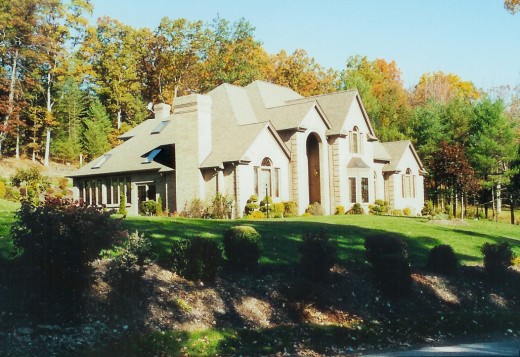
Your largest investment, if you have already done it or planning to do it, is your home. And insuring your major lifetime investment is vitally important. You must have already asked yourself, "Heck, why should I insure my house against floods and earthquakes? My house is in a low-fault zone, so the chance of an earthquake happening in the next 50 years is absolutely remote. There are no rivers or dams either in the area where we live. The nearest river is a good 30 miles away. Flood in my house? That sounds funny, if not outrageous!"
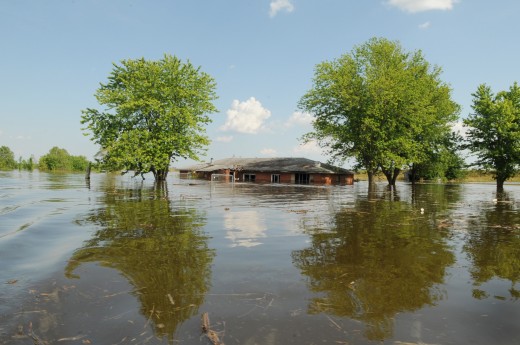
The truth behind all this is real hard to believe. Just like a thief may decide to walk into your house and run away with your prized Breitling, calamities come unannounced when you least expect them. The fault zone may have extended into your area and you may be sitting right on top of the epicenter of an imminent earthquake, or a dam 75 miles away may no longer be able to hold its stored water and flood downstream where your house is located. So where does that leave you? You and your family were quite by chance away at your parents when this happened. But what about the lifetime investment on your house that you painstakingly made? It has been reduced to rubbles or carried away by the swirling flood waters, with no chance of recovering any money lost since you had decided not to insure it in the first place.
Reasons to Buy Insurance For Your House Other Than Unforeseen Calamities
Ok, that's a valid and important reason for you to insure your home. But are there more reasons to shell out a large premium every year and lose out on vacations or more interesting things in life? Well, there are, and here are two of them.
1. Before you have even thought of taking out a loan to buy your house, remember the financer is going to lend his money only if he is assured of collateral recovery. This means that in case you fail to repay him, he needs something that he can sell off and recover his investment. So if you fail to insure your home before you sign the dotted line in your agreement, he is going to do that for you anyway and add the amount to your premium. It's always smarter to insure your home yourself rather than have the lender insure it arbitrarily with a larger amount. Worse coming to worst, he may also cancel your loan in case you cannot produce documents in support of insurance. So go ahead and get your home insured before he does it for you.
2. So finally the earthquake shook the ground where your home once stood, in fact shook it so violently that the dam 75 miles away broke its foundation. The gushing water from the dam also swept away the rubble of what was once your beautiful house. But you don't have anything to worry about! You were away to your dad's place, your house and every item in the house including your Breitling watch were insured. You were smart when you took out the insurance and insured everything against destruction, theft or damage. You have been reimbursed every penny you had spent on purchasing them by the insurance company. You have already bought back whatever you have lost, and you are currently contemplating buying the eight-bedroom house in that fancy neighbourhood, but this time nearer to your office and your children's schools. Well, bless yourself that you had taken out the insurance.
It's very easy for trusted companies to mislead naive customers, and life insurance companies are trusted.
— Daniel KahnemanWhat Is The Correct Insurance Premium?
Now that you have understood and appreciated the importance of taking out a home insurance, what is an optimum insurance amount where you don't get overwhelmed with the money outflow, yet the policy covers everything to the last penny? This is where 'Insurance Principles' come into play and works out an average condition through a simple formula:
Insurance amount($)/Valuation of property ($) x estimated loss=Amount paid on claim ($)
Roughly translated, this means the actual reimbursement on claim is proportional to the undervaluation of property. In more practical terms, say your house is valued at $500,000 and you decide to undervalue it at $250,000 to pay a reduced premium on your loan. Your house has been swept away in the flood and you need to build your house new. Because you have undervalued your property by 50%, you will be reimbursed only $125,000 by the insurance company, which represents 50% of the sum insured. To avoid this from happening, you would have needed to insure your house with an amount more than the actual rebuild expenses. In case you are confused, it is always advisable to consult an expert to know the exact amount of sum assured.
A good way of doing it yourself before consulting the expert is to make an audit of your possessions. What all are covered or you want to cover in the policy? What is the amount in dollars to be covered? How many premiums are needed? Do you have other concurrent policies, like for your car, life, health etc.? Once you have made this audit, you can look at the following options to make an effort at controlling the premium amounts:
1. Try to pay annual premiums.Most insurance companies prefer being paid annually and offer discounts over monthly payment schemes.
2. You may get discounts with multiple policies. Again, paying insurance together for all segments requiring insurance like health, home, assets, life etc. to the same insurer will add on to discounts, and you may insure your home with a lower premium than if you were to insure it separately.
3. Try to appear good and credit-worthy on paper. If you have not claimed insurance, you are liable to get no-claims benefit from your insurer. This is going to reduce your premuim further when you renew your policy.
So now that you know that you absolutely need insurance for your house and know how to do it and the amount you need to pay annually to save on your cash outflow, you can actually start planning for that annual holiday with all the money saved, and while you are away on vacation you needn't worry if your house is going to be robbed or swept away by flood. Relax, you have everything covered. Take that scuba dive and swim along the corals in that mysterious world of absolute abandon!