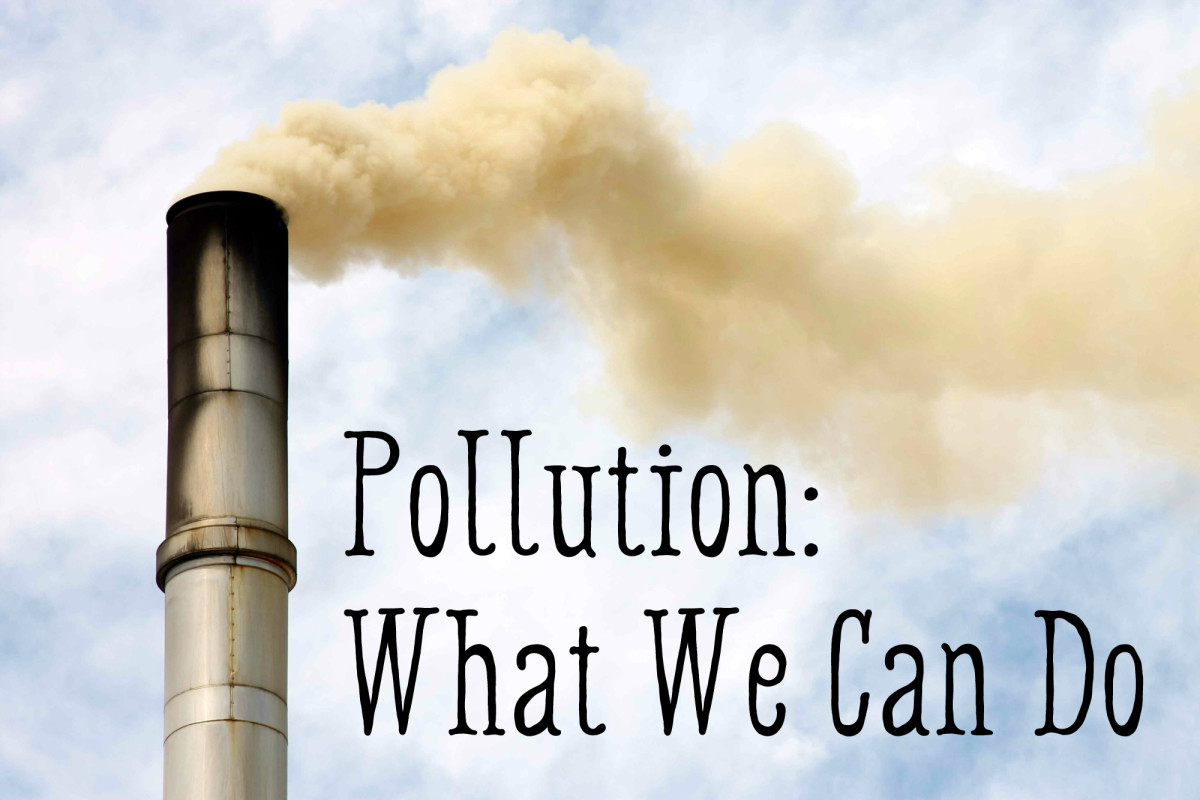
Plastic Pollution: Is Single-Use Plastic Killing Our Planet?

A Brief History Of Plastic
How much plastic is too much?
From The Birth Of Plastic And A Promising Start It Now Looks Set To End In Disaster
In 1907 Leo Hendrik Baekeland, a Belgian-born American living in New York state, created the first plastic. It was called Bakelite and was made from phenol and formaldehyde.
It offered a cheap material that revolutionized manufacturing.
From its early days as a cheap substitute for the real thing, such wood and paper, plastic found its own niche market which grew and grew.
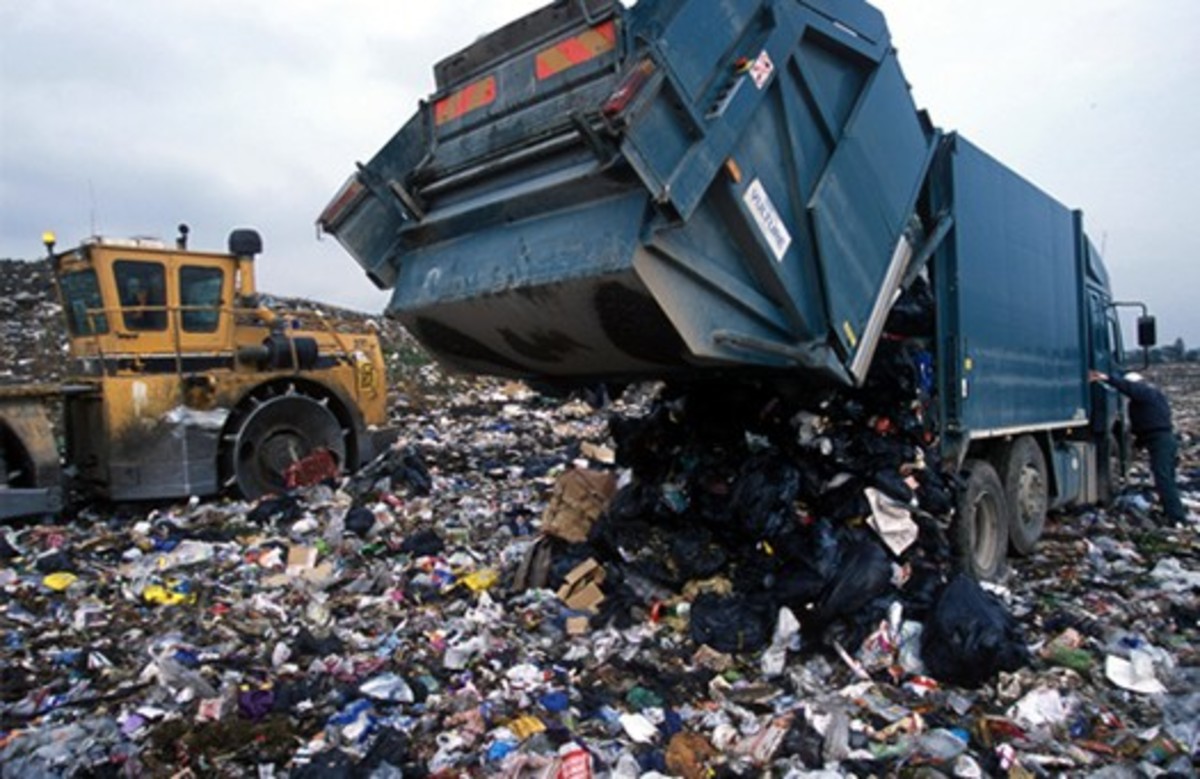
In the 21st century cheap plastic is part of everyday life but excessive use of single-use plastic for everyday items poses a threat to our environment and wildlife.
Yes the downside of single-use plastic is that it is adding to our world’s pollution woes.
Take The Death Of A Whale In Thailand Which Highlights The Extent Of Single-Use Plastic Pollution
One death this week highlights the world’s ongoing problem with single-use plastic.
It is the death of a whale in Thailand killed by plastic pollution of our oceans.
The dead whale was found to have about 17lbs of plastic in the form of around 80 plastic bags in its stomach.
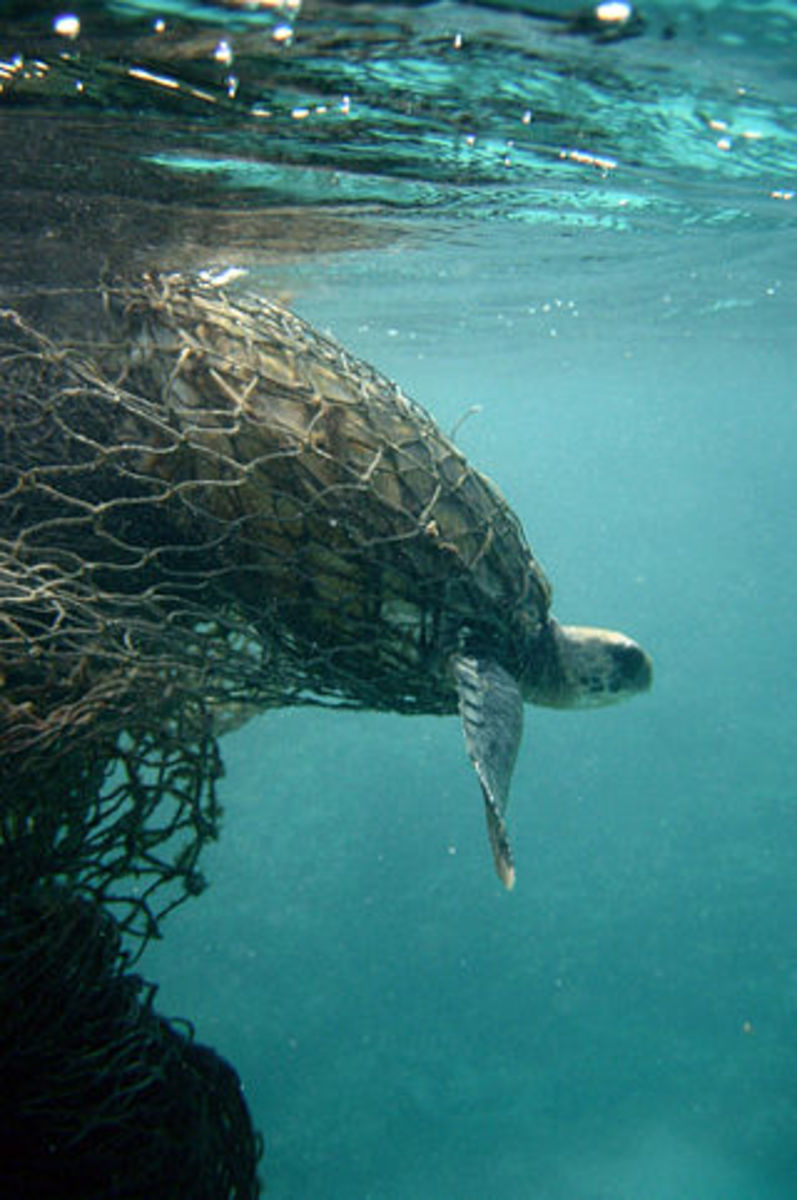
However, this death is not the first sea and ocean creature to die because of marine plastic pollution and it may not be the last unless we act fast.
Whales skim-feed plankton with their upper jaws above the surface of the ocean and sadly it is not only plankton that is taken in.
Single-use plastic bags carelessly discarded can and do end up in our oceans and in the stomachs of whales.
The plastic that links a few soft drink cans may end up around the neck of a sea bird and result in its death.
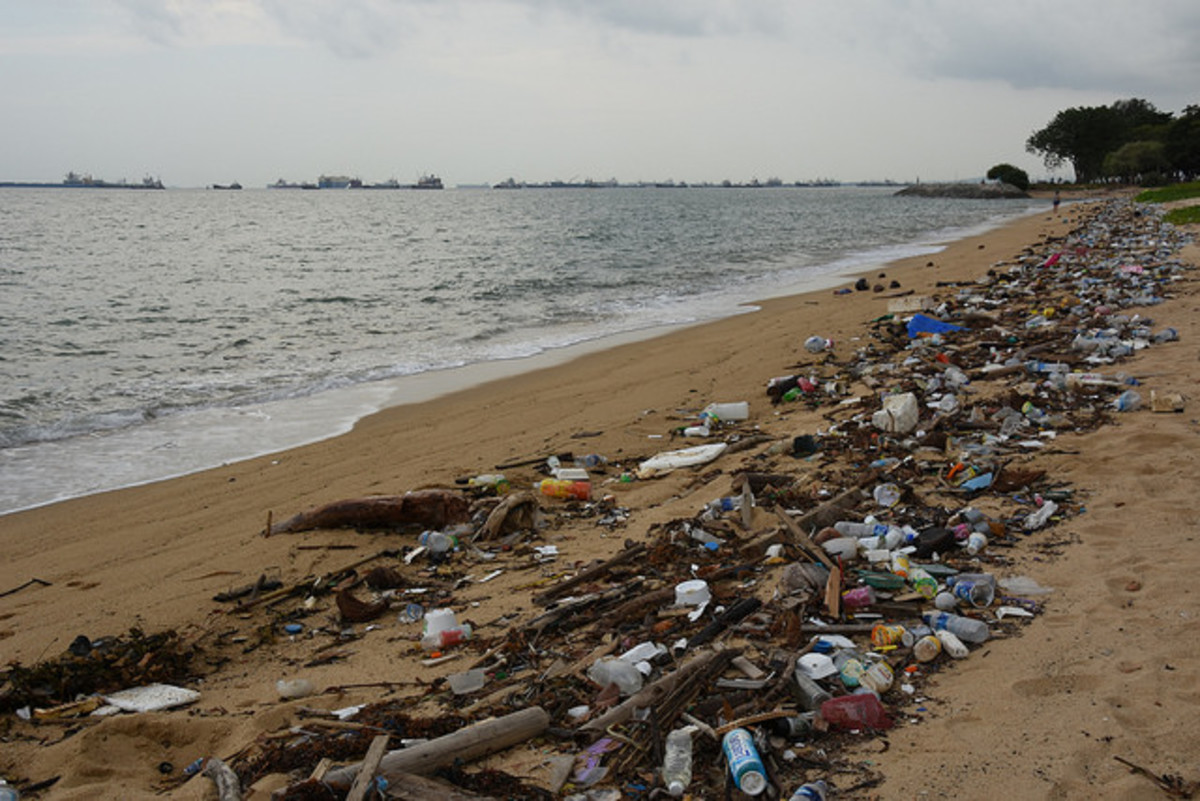
Our excessive use of plastic bottles which invariably end up littering land and water is causing untold problems.
The list is seemingly endless.
Around the world our seas and oceans are full of discarded human junk and much of it is potentially destructive.
We have to change before it is too late.
This Week’s Whale Death However Was Far From The First Due To Platsic Pollution Of Our Oceans
Everyday Use Of Plastic Has Increased Rapidly
Common single-use plastic which is hurting our world includes -
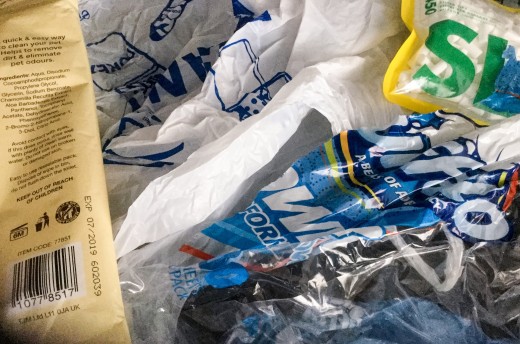
1 - Single-Use Plastic Bags
”Do you want a carrier bag” would ring out along with the rattling of tills in the U.K. and those plastic bags were discarded thoughtlessly. Recent legislation has changed that.
In England legislation to tackle the problem of plastic bags littering our countryside, cities and waters is now having a positive impact but we have only tackled the tip of the iceberg to date.
Scotland, Wales and Northern Ireland had already implemented changes when finally England caught up
On October 5, 2015, a 5p charge for each plastic carrier bag was introduced. Previously some stores would charge for a carrier bag but the majority offered them free.
At the supermarket checkout it was all too easy to grab more bags than you needed.
The problem for our environment is many single-use plastic bags are carelessly discarded after use and few are biodegradable.
That small charge has slashed the use of these bags dramatically.
How would people cope?
As with many things the thought of the change was worse than the actual implementation plus there were and still are some restrictions in place-
- The charge applies only to shops or retail chains with 250 or more full-time employees
- Plastic bags at airport shops or on board trains, planes or ships are not included in the legislation
- Some bags for food are not restricted
The government that brought in this change was quick to insist the move was not about raising money. Money raised was and still is expected to be given to “good causes.”
In 2018 the government is considering bringing England inline with other countries of the United Kingdom by extending the 5p charge to cover shops and retail chains with 250 or fewer employees.
And there is still work to do
Fresh produce purchased at a supermarket often has unnecessary packaging. A cauliflower for instance may be wrapped in a type of cling film. We need to ditch these methods of packaging.
2 - Plastic Straws
How many times is your drink served with a plastic straw? How many times are you asked if you want a straw?
Most adults can manage to consume a milk shake or soft drink without a straw but as it completes the look a straw may simply be added.
Straws made of biodegradable materials are available and they are not always more expensive. Purchasing them may require a little more effort however.
3 - Cotton Buds
Cotton buds are brilliant for cleaning ears, use in household cleaning getting into nooks and crannies and more but they too are adding to pollution problems.
The plastic part of the cotton bud lingers on and on but as with a lot of plastic it is how some people dispose of them that is causing marine wildlife problems.
Believe it or not some people simply flush this waste down the toilet!
4 - Single-Use Plastic Drink Stirrers
Those thin plastic sticks many people use to stir drinks such as coffee in cafes and canteens are also problematic. We must change and get back to using metal spoons. Alternatives are convenient for some businesses but bad news in reality.
And Of Course There Is More
Single use plastic gets everywhere.
I could not figure out why my used tea-bags did not entirely compost until someone told me why. Most tea-bags used in the United Kingdom have a small strip of plastic running through them. This means they do not compost as expected.
In fact years later the empty bags linger on and on.
Empty plastic bottles are another huge problem.
More Legislation In U.K.
At times Britain is called a nanny-state but there are few options available when people just continue to act with careless disregard for the environment and our planet.
In 2019 there could be further legislation implemented.
In April 2018 the Guardian reported “Cotton buds, plastic drinking straws and other single-use plastics could be banned from sale in England next year in the next phase of the campaign to try to halt the pollution of the world’s rivers and oceans.”
Drastic measures but necessary?
The world’s population needs a serious re-think on single-use plastics
- We are one world
- What is discarded in one country’s waters may wash up on another country’s beaches
- Legislation to cut pollution is great but it needs all countries to act
The world’s population faces many new challenges but safeguarding the environment must surely be a top priority?
Mankind is inventive, creative, imaginative and more but also destructive, sometimes unwittingly but at other times knowingly.
All countries need to take action.
The Good News
The good news is we can easily change our habits. Fully biodegradable cotton buds for example are available at a competitive price and sourcing them is not that difficult either.
Public drinking water fountains, where people can re-fill water bottles, look set to make a come back.
We need to stop being so accepting and think for ourselves.
Do you really need a plastic straw in your drink, a single-use plastic carrier bag for your shopping or a plastic based cotton bud to clean your ears?
The answer is probably not.
Change Is Soon Accepted
Shopping on vacation in Spain in May 2018 I realized how accepting I am now of single-use plastic bag restrictions.
In almost every shop we were asked if we wanted a plastic bag and in some cases they were just automatically handed to us.
We declined all such bags when at one time we would have just taken them without a second thought.
Where Will Your Discarded Plastic End Up?
- Plastic Bag Found at the Bottom of the Mariana Trench
Even one of the most remote places on Earth couldn't hide from the scourge of plastic trash.
And You?
Will you make changes to help save our planet?
World Environment Day 2018
Tuesday June 5, 2018, is world environment day.
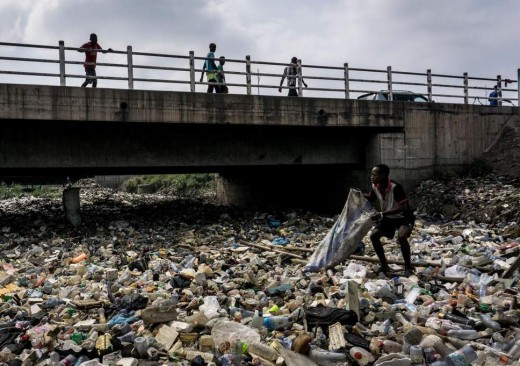
The above image was posted in an article in the Independent.
One of the biggest environmental threats facing the world by the UN in a call to action issued to mark World Environment Day.
While emphasizing the success of many international efforts to tackle plastic waste, the organization described how the “scourge of plastic” has reached every corner of the Earth.
In a report billed as the most comprehensive yet to examine global government strategies against the “scourge”, UN experts called for concerted action to “beat plastic pollution
That article also says
If present trends continue, by 2050 our oceans will have more plastic than fish.
What a dreadful legacy.
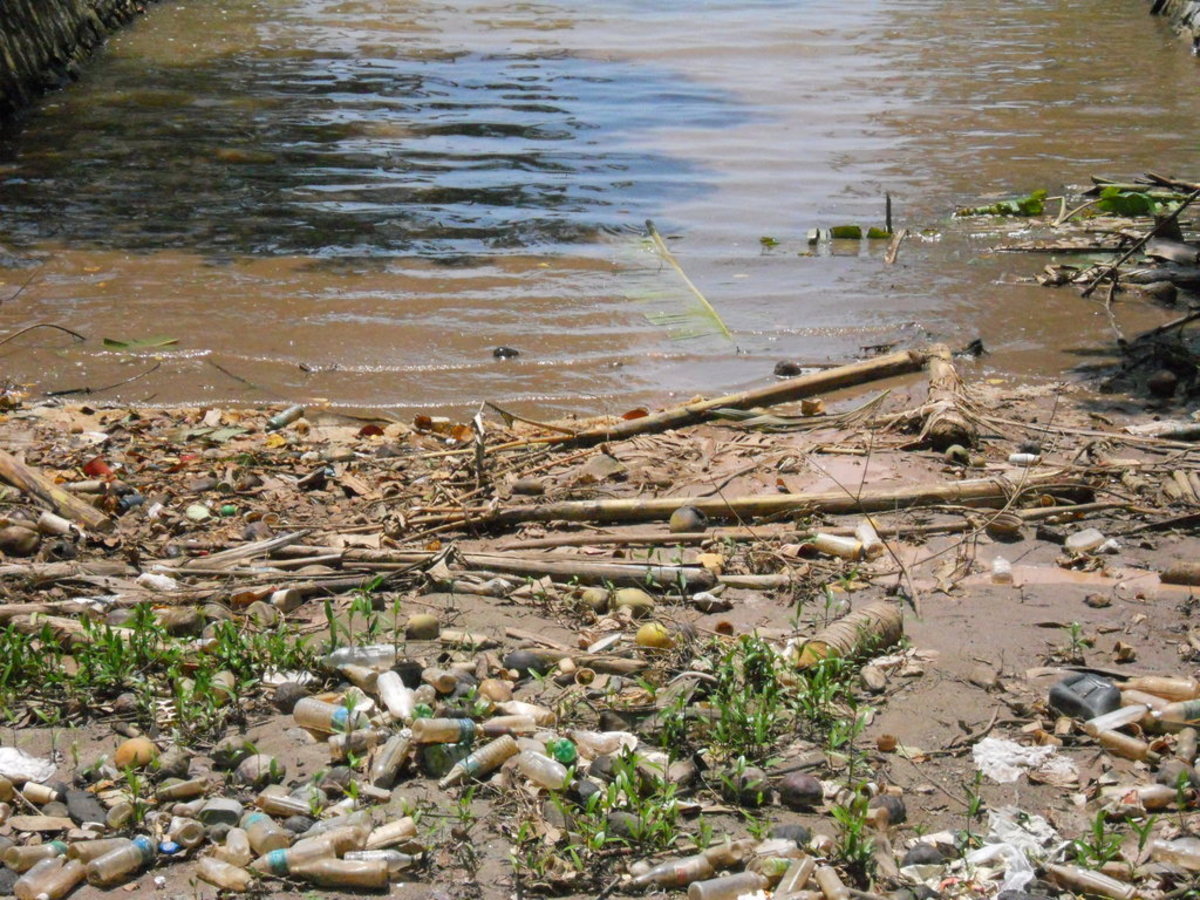
Plastic bottles completely cover the water line on the Kalamu River, which runs through the centre of Kinshasa in the Democratic Republic of the Congo
Pollution Information
- 5 Easy Ways to Reduce Plastic Waste and Pollution
Mankind's use of plastic is having dire ramifications for our planet. How can we reduce plastic waste and pollution? Here are 5 simple ways to make a difference! - The Sources and Impacts of Water Pollution
All information regarding water pollution - what it is, who it effects, its sources and how it's resolved. - How Water Pollution Affects the Environment and Your...
Facts about water pollution and the environment. How to avoid polluting our waterways and prevent the harm that comes from damaging them.
Consider an outright ban on plastic straws and the implications for people with disabilities
- Banning plastic straws is friendly to the earth, but not to people with disabilities
In May, Prime Minister Theresa May announced that the U.K. will look into banning plastic straws and stirrers, as well as cotton swabs with plastic stems. (Hey PM, the White Sox beat you to the punch.) But a report from iNews makes one thing clear: i

© 2018 Eileen Kersey