Reflections on the War in Iraq - Part IV: Final Thoughts

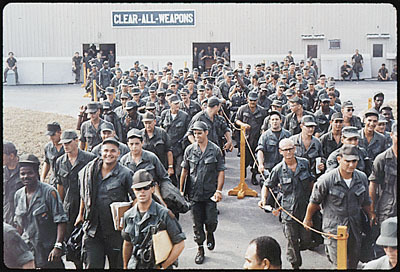
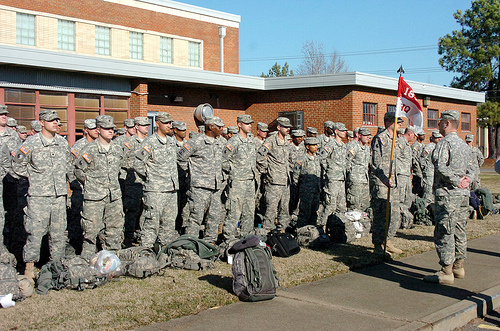
Brave Soldiers
I WAS A SOLDIER OF VIETNAM. When my generation came home from the war, we were hated, then forgotten by virtually everybody; we still are. We had done the job our government had ask us to do, just as those soldiers who are returning home today; it is amazing what being attacked on your own soil does for the esteem your own countrymen hold its military in, isn't it. So sad a commentary on the American psyche.
This is the perspective I view the end of the Iraq war from. I can see several similarities and differences between the lots of the soldiers that served in wars more than two generations apart. In some ways, my generation had it tougher, in other ways this generation does; in yet a third way, we both feel the same deep sense of frustrations, however this generation can feel a sense of pride my generation was denied.
As I mentioned earlier, I firmly believe Vietnam was a just and necessary war while Iraq was neither. Both were terribly, even stupidly fought by both the military and their political masters; Vietnam, all the way through; Iraq. from 2003 to 2007. In both, the soldiers faced horrific conditions, as soldiers always do in war, yet served bravely and honorably doing all that was asked of us, and more.
Even so, the soldiers of Iraq had the tougher row-to-hoe because they were now all a part of an all-volunteer regular force, heavily supplemented by a volunteer Reserve and National Guard. Consequently, they were rotated in and out the war zone multiple times, over the many years of the war. This wasn't the case in Vietnam, because many of the soldiers were draftees who just served their two-year term and were out; NCOs and Officers, however, often saw more than one tour in Vietnam, but not to the scale as was seen in Iraq.
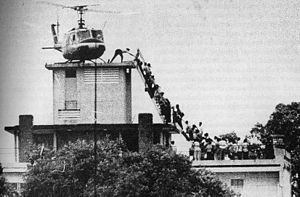
On the flip side, we, who were fighting for a just war, left defeated. Not from the lack of trying on our part, that is for sure, but for the absolute incompetence of our senior military, civilian, and political leadership; an incompetence that didn't end until the last helicopter lifted off from the U.S Embassy in Saigon, scurrying away from the approaching North Vietnamese victors in 1975. The soldiers of Iraq, on the other hand, were able to leave with their heads held high because their political leadership finally caved-in to reality, gave up their arrogance and hubris, and choose the right course of military action that ultimately allowed America to leave Iraq more-or-less victorious.
Presidents Kennedy and Obama, as well as military leaders like General Petraeus, understood what was needed to win these types wars, and it wasn't the strategies and tactics that won WW II and was winning in Korea until another unbelievable act of hubris by General MacArthur, sealed our fate their as well. President Kennedy tried, before he was assassinated, to change the military's focus from a conventional war strategy to one ready to combat unconventional war; he died before he could overcome the extreme resistance he met from entrenched military staff. All of the Presidents, from Johnson to George W. Bush, saw no particular need for an unconventional capability, even, for President George W. Bush, in the face of losing Iraq to unconventional warfare in both Iraq and Afghanistan; just like Johnson/Nixon lost Vietnam. Unlike Johnson/Nixon, Bush was finally pummeled enough by reality, McCain, and the Democrats that he decided to give counter-insurgency a try; it worked as I discussed briefly in the last Part.
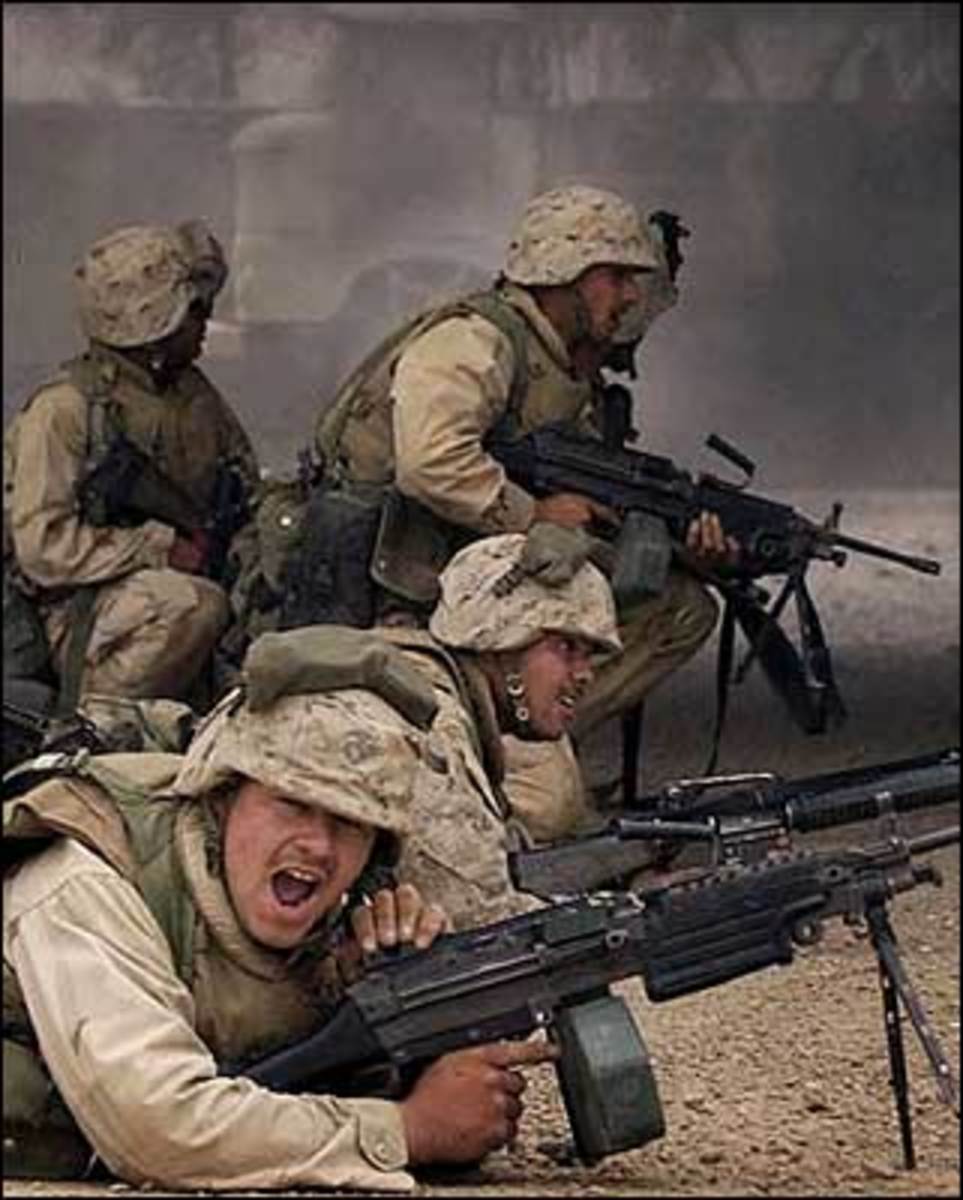
WHAT DEFEAT LOOKS LIKE
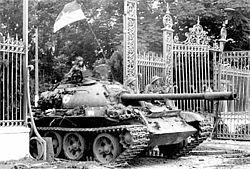
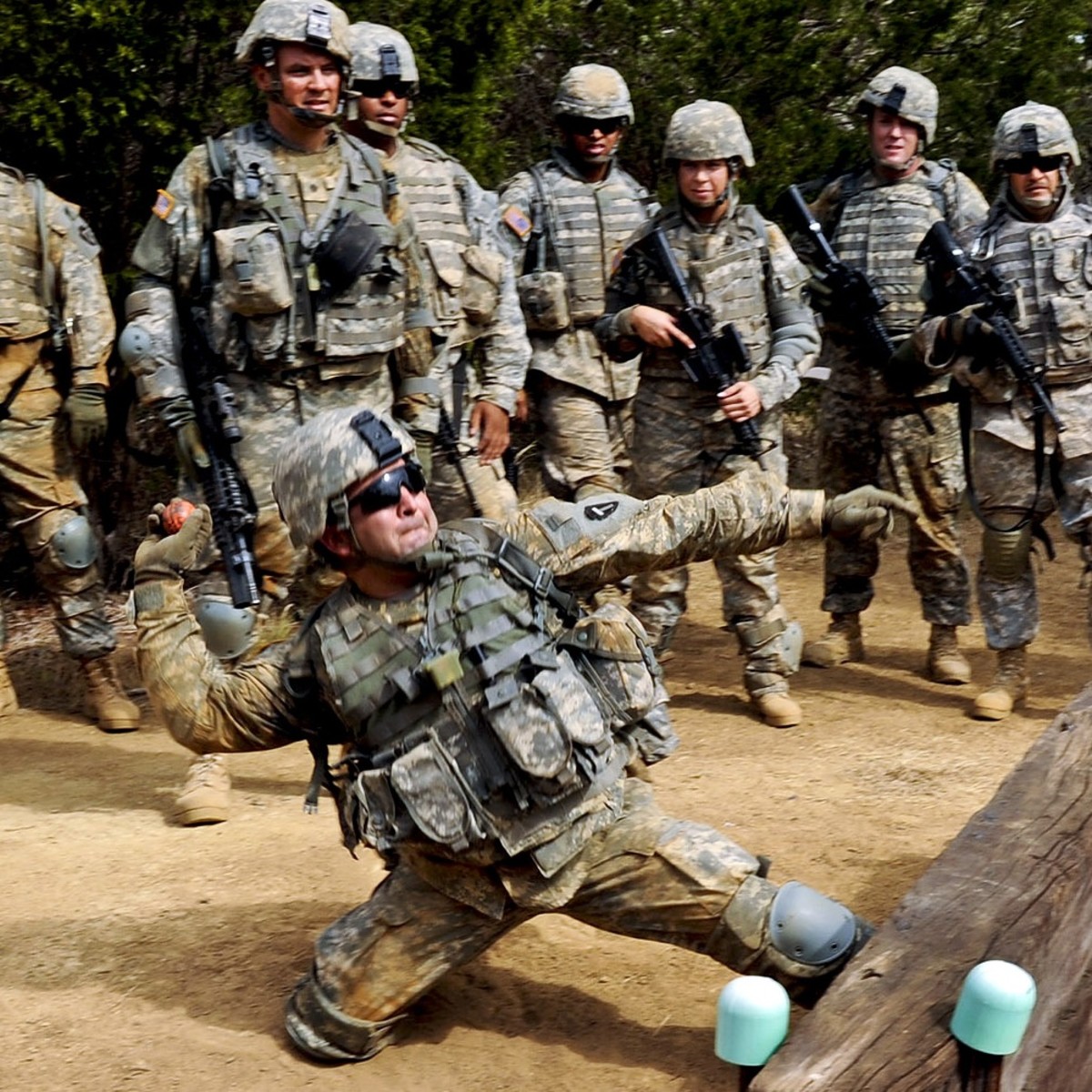
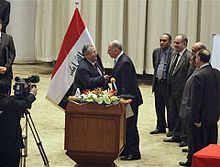
A SIGN OF VICTORY
Balance Sheets
WAS IT WORTH IT? To answer that, you have to add up the pluses and minuses. For Vietnam, the answer is, as we look back, a resounding no! Not because we tried and lost, it was because of the way we lost; as righteous as the war might have been, to have fought it the way we did, the world and especially America, I believe, would have been much better off if we had not fought it at all.
Obviously, South Vietnam would have fallen to the North, although, in hindsight, it is not clear how "Communist" that regime would have been. Laos would have probably followed the same path. Cambodia would be problematic. The real question though is, what kind of mischief would we have faced in the more critical regions of Thailand, Indonesia and the Philippines, all of whom are more central to our national security interests; one will never know.
For Iraq, my answer is the same, just much less resounding. It is my considered opinion that the world, America, and even Iraq would have been much better off had President Bush been able to curb whatever it was that drove him into this folly, and, instead, just held at the starting line.
What would be the downside to that? There are two principal ones, as I see it: 1) Saddam Hussein would probably still be in power and 2) there would not be a semi-democratic, more-or-less freely elected government leading Iraq today. These are serious downsides, without question, but do they outweigh the upsides to not having attacked when we did?
The upsides to not having attacked, again, as I see it, are:
- We could have diverted much of the $890 billion toward fighting the real enemy in Afghanistan and Pakistan.
- We could have kept our forces concentrated in fighting the real enemy when they were at their weakest rather than wait six years giving them time to recover.
- We would have avoided a divisive domestic battle over President Bush's foreign policy
- We would have avoided becoming a pariah nation in the eyes of the rest of the world setting back our foreign relations to the "Ugly American" days
- The current debt may not have been as big for the balanced budget from the Clinton years might have been preserved.
- Our military's capability wouldn't have been stretched beyond the breaking point
- The Iraqi civilians and military wouldn't have lost over 100,000 dead and wounded.
- America and its allies wouldn't have had over 35,000 wounded
- American and its allies wouldn't have had over 4200 dead
Well, in the end, all those upsides didn't occur and we are left with the not so insignificant results of:
- A dead dictator who was one of history's worst monsters
- A nascent democratic government that has a real shot at making it
- The first "victory" America has had in a major regional conflict in a long time, although terrible political and military leadership for the first five years almost kept our losing streak alive (I don't consider Korea a win, by-the-way, we had a win until MacArthur lost it for us through his unbelievable hubris.)
Our soldiers can come home extremely proud indeed to a nation that finally is honoring those willing to give up their lives in service to their country. They have a President, in Obama, intent in providing the best this country has to offer in terms of health and family support, something the previous administration had let deteriorate to the point of extreme embarrassment to the nation once it finally came to the public's attention; just like it did when President Reagan did the same thing after Vietnam. It took President Clinton to finally bring the VA back up to the high standards it should be after it had become the laughingstock of the medical profession; I still remember the headlines.
The sad commentary from all of this is that once we have come home from Afghanistan in 2015 or thereabouts, I simply don't see on the political or domestic landscape that anybody has learned a damn thing from the nearly 3000 deaths of 9/11 which led to another 4000 to 5000 American deaths, most of which weren't necessary, and unimagined misery for millions of people affected by these hostilities over the last 11 years; not a damn thing. Like Vietnam, it will be forgotten by the politicians and by the citizens, except for those millions directly impacted; the ones missing limbs and their families; the ones mentally scarred for life and their families.
Not a damn thing.
3 Years Later, It Isn't Over Yet, It Seems
12/13/2014 - OUT OF THE VACUUM LET WITH AMERICA'S WITHDRAWAL from Iraq, something else has emerged which worse than al Qaeda and much worse then Saddam Hussein. Since the Iraqi government chose to exclude the Sunni Muslims from government, they set the stage for their demise. And, an organization emerged from the al Qaeda resistance called ISIS, ISIL, or IS (read Islamic State ...) that began to dismantle their country as well as Syria's. Politicians took over the Iraqi military which, the world's horror, proved to be tissue paper in front of ISIS's onslaught.
The result was a situation where a religious movement, which made Hitler, Stalin, and Genghis Khan, look like good guys, rolled over most of Syria and Iraq chopping off heads, executing thousands of non-believers, making sex slaves out of captured women and children, even crucifying some of those they found objectionable. The world stood by and watched offering platitudes and the US providing some aid.
It took the beheading of American and British prisoners to motivate politicians world-wide to get up off of their asses and do something useful to stop this scourge. Once again Europe and America are entangled in fighting this monstrosity although none are willing to put regular military boots on the ground, only special ops.
America had no choice but to leave Iraq or let its remaining soldiers be subject to Iraqi law; Iraq didn't want us there on any other terms. Consequently. the Obama-haters who fault him for getting out of Iraq are simply deluding the American People. Iraq and Syria sealed their fate in the political choices they made to let religious beliefs jeopardize the security of their country.
© 2011 Scott Belford