Top Five Third Party Presidential Candidates in Modern U.S. History

Third party candidates rarely win elections at any level of American government, let alone the presidency. The “winner take all” electoral system makes it difficult for them to gain a foothold. The best they can usually hope for is to play spoiler and/or to get their ideology adopted in the platform of one of the major parties.
Despite these obstacles, there have been some third party presidential candidates over the past century that were at least moderately competitive in their bid for the White House. The following are listed in order of their percentage of the popular vote.
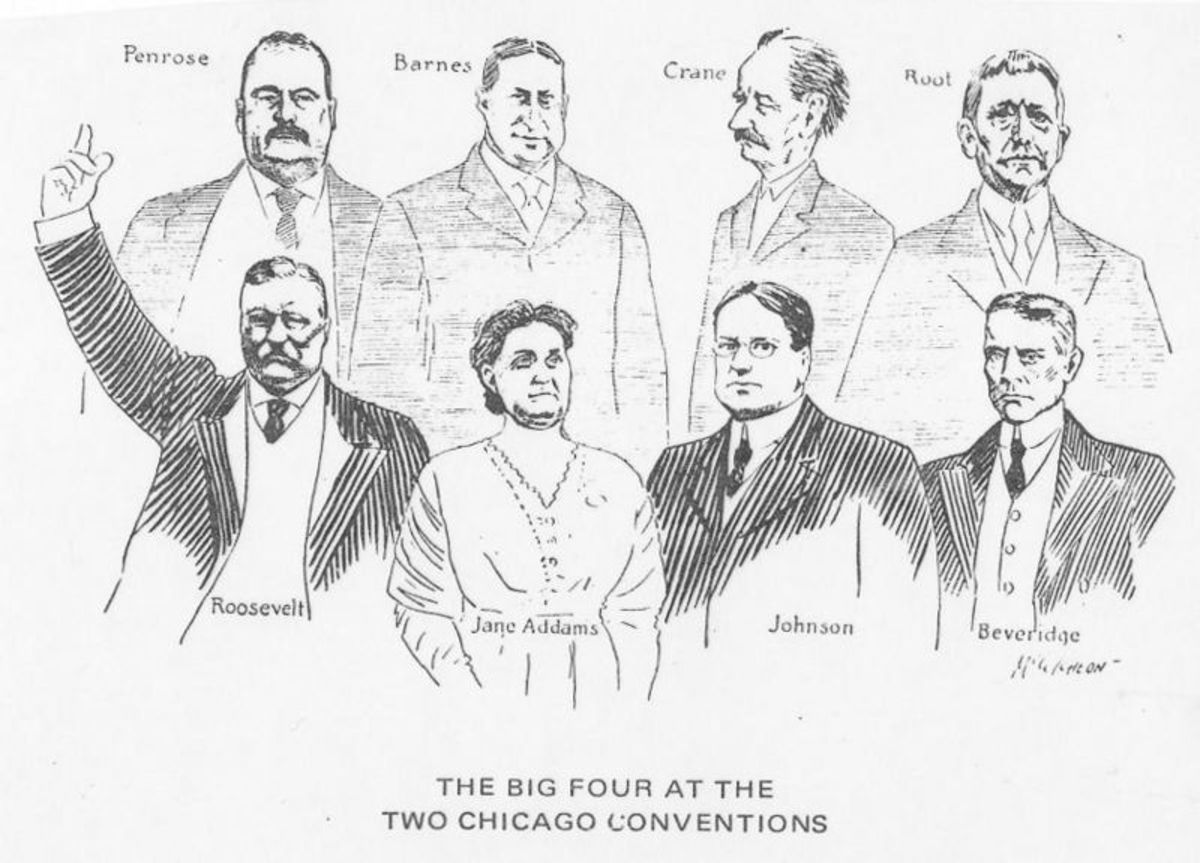
Theodore Roosevelt (1912)
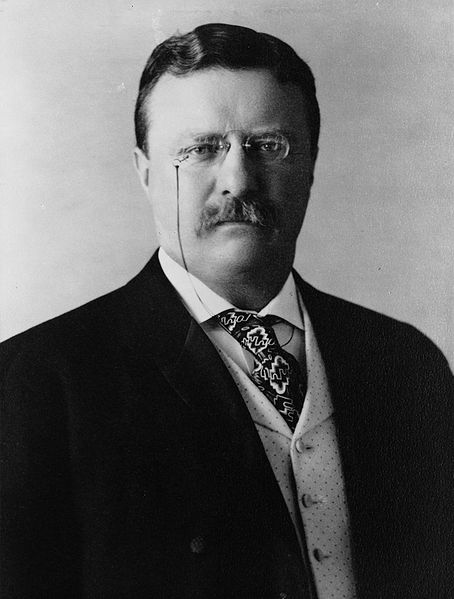
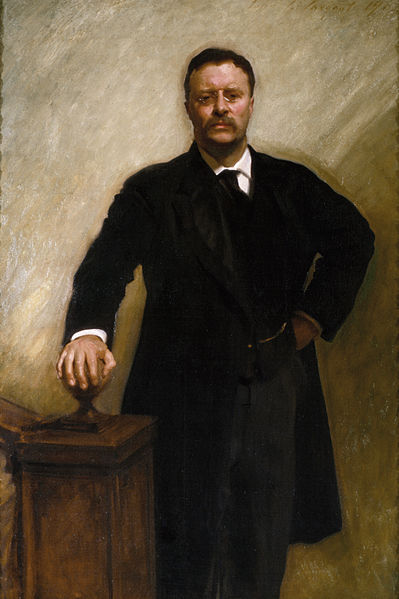
This will probably be the most surprising name on this list, since it is well known that Roosevelt was a Republican when he served as president from 1901-1909. Roosevelt endorsed his friend William Howard Taft to succeed him in the 1908 election and Taft went on to win. However, Taft proved to be a very unpopular president and by 1912 nearly everyone, including his old friend Teddy, wanted to get rid of him. Roosevelt first tried to defeat Taft for the Republican nomination but he was unsuccessful. Roosevelt then decided to run as a third party candidate. He became the nominee of the Progressive Party, popularly known as the “Bull Moose” party because Roosevelt said he was “fit as a bull moose.” Roosevelt won 27% of the popular vote, the highest ever for a third party candidate. He and Taft split the Republican vote, handing the election to Woodrow Wilson. Roosevelt did get more votes than Taft, however.
Ross Perot (1992 and 1996)
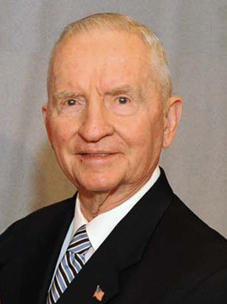
Perot was a billionaire who ran for president on a protectionist anti-outsourcing platform. Perot polled strongly against Republican President George H.W. Bush and Democratic challenger Bill Clinton in the early stages of the race. Over the summer, Perot’s poll numbers began to fade and he announced he was leaving the race. However, Perot later returned and tried to recapture his momentum. He still received an invite to debate the big boys at the presidential debates. This is the only time in modern history that a third party candidate participated in the debates, although Ronald Reagan debated John Anderson in 1980 (President Carter refused to participate). Perot received about 19% of the popular vote but no electoral votes. He did manage to finish second in Utah (where he beat Clinton) and Maine (where he beat Bush). There is debate over the effect that the Perot campaign had on the result of the election. Some people claim that Perot cost Bush the election, while others argue that Perot took an equal number of votes from each side. Perot returned in 1996 as the candidate of the Reform Party. He won 8% of the vote.
Robert La Follette (1924)
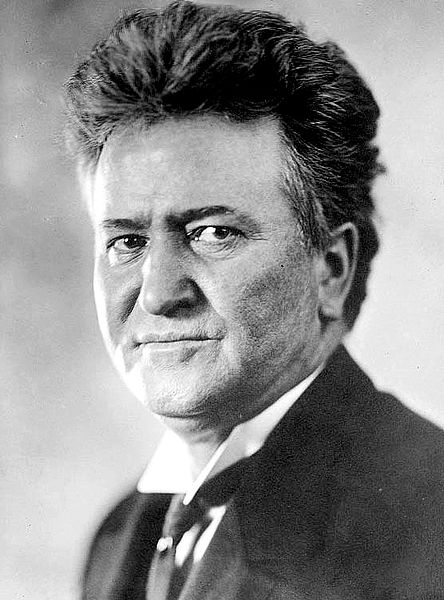
La Follette was the former Republican governor of Wisconsin. He also spent many years in the U.S. Senate and became known for his opposition to American involvement in World War I. He later left the party and formed a new Progressive Party as a vehicle for a presidential run. La Follette ran on a platform advocating government ownership of the railroads and utilities and the outlawing of child labor.
La Follette carried his home state of Wisconsin and won 17% of the popular vote. He placed third behind President Calvin Coolidge and Democratic candidate John W. Davis.
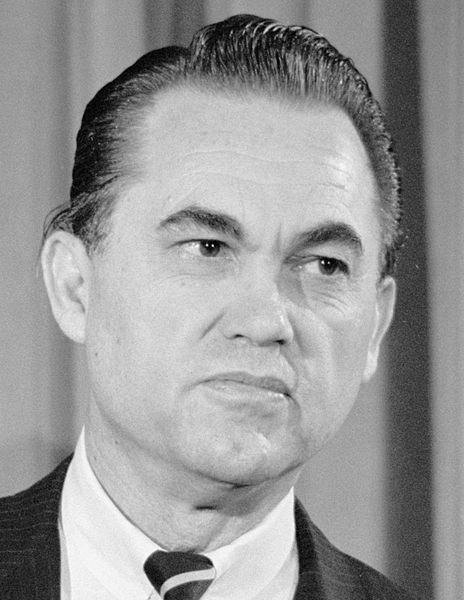
George Wallace (1968)
The controversial Wallace ran as the candidate of the American Independent Party on a pro-segregation platform. He hoped to gain enough votes to throw the election into the House of Representatives. Wallace was popular in Alabama and throughout the Deep South.
He won 13.5% of the popular vote and captured several southern states. Wallace is the most recent third party candidate to win states in a presidential election.
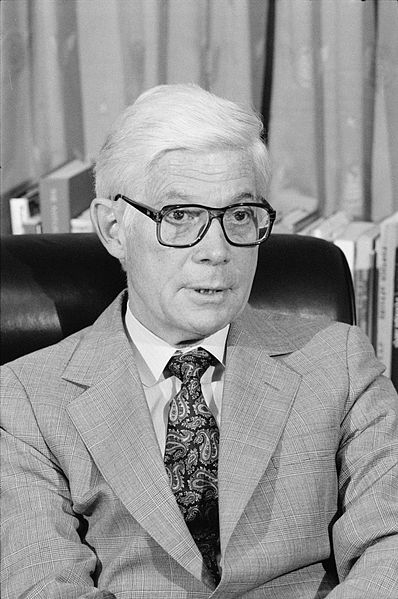
John B. Anderson (1980)
Anderson, a Republican congressman, broke from his party to run an independent campaign. He received over 6% of the popular vote, but no electoral votes. Anderson positioned himself as a moderate alternative to Reagan and also worked to appeal to Democrats who were disenchanted with Carter. He ran to the left of Reagan but to the right of Carter.
Anderson received over 6% of the popular vote, but no electoral votes. He did not have a significant impact on the results of the election, which was won by Reagan decisively.
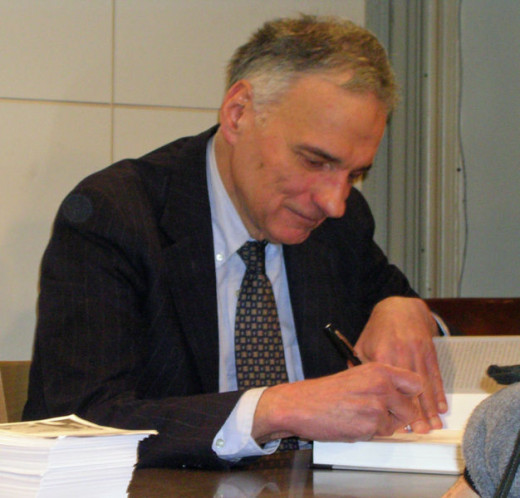
Other Notable Candidates
Ralph Nader (Green) (1996,2000,2004)
Strom Thurmond (Dixiecrat) (1948)
Eugene V. Debs (Socialist) (1912)
Who do you think has the best chance to make an impact on the 2012 U.S. Presidential Election?
Related Articles
- Bizarre Political Parties in U.S. History
This article discusses some of the strange political parties in American history. It features the U.S. Marijuana Party, the Know Nothings, Anti-Masons, Natural Law, and the Prohibition Party. - More Bizarre Political Parties
Just when you thought it was safe to go back on hubpages...a second article about bizarre American political parties! This articles features the US Pacifist Party, Pansexual Peace Party, Pirate Party, Light Party, and the Youth International Party. - Five Accidental Presidents in U.S. History
This is an article about presidents who never directly elected to the presidency.
Links
- Bull Moose years of Theodore Roosevelt by Theodore Roosevelt Association
- Ross Perot Biography - Facts, Birthday, Life Story - Biography.com
Ross Perot is an American businessman who twice ran for the United States Presidency as an independent. Read why he was popular on Biography.com. - Robert La Follette : Biography
- George Wallace and the 1968 Election
- John Anderson for President 1980 Campaign Brochure
Related
Why the 2016 Presidential Election and Donald Trump's Victory Hit Me So Hard
The Rise and Fall of the Progressive Party

Gary Hart and Ross Perot Political Assassinations - Is Bernie Sanders Next?
The Centrist Project: The Unparty That Might Actually Work
The Democratic Party Can Now Unite Around a Younger Candidate