World War 1 Officers Swagger Stick
Roman Centurions to US Marine Corps
Swagger sticks existed long before the officer class of World War 1 carried them as symbol or rank and status. Centurions in the Roman Army carried a small vine wood stick called a vitis which they would use to administer physical punishment which was an accepted practice in the Roman Army, and also a mark of rank.
The use of swagger sticks or riding crop by British Army officers is indicative of the social class from which British Army Officers were selected prior to the start of World War 1.
Commissions in the British Army were purchasable and officers were required to be educated and presentable in order to socialize with the rich and powerful of society. Many families had a tradition of sons following fathers and grandfather into the Army, with peerage and public school education being essential. Many of the officer's class became knighted and granted the title 'Sir'.
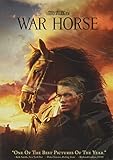
It is from this elite class that British offices were selected and because of their status many of these officers rode horses (as portrayed in the wonderful Steven Spielberg film War Horse) and carried riding crops.
The swagger stick became a recognizable symbol of authority and all officers quite apart from mounted officers began to carry them.
The use of swagger sticks in the USA Army followed the deployment of US Marines to Europe who saw British officers carrying them. US recruiters were seen to carry an air of authority in much the same way that Roman Centurions did and were seen as a positive public image.
US Marine Corps in World War I

The wonderful Steven Spielberg film War Horse
Do you think that a Swagger Stick is a relevant piece of military uniform?
Horses in World War 1
Thanks for visiting