Dreamcatchers!
Dream catchers; you're bound to spot a few when you're shopping out and about...so where did they come from?
Dream catchers were created many many years ago by a group of people called the Anishnabe to catch bad dreams.
Anishinabe people were (and still are!) Native American tribes, who were thought to have first been discovered in North America sometime throughout the 17th century.
Their beliefs focus on the concept that all living things are connected and each species of living being is 'controlled' by a spirit, or a Manitou.
There wasn't just one Native American tribe, there were several, and two of these were called the Ojibwe and the Lakota. Each of these tribes had their own legends about where these dream catchers came from.
(To this day, there are 573 recognized Indian Nations within the United States!)
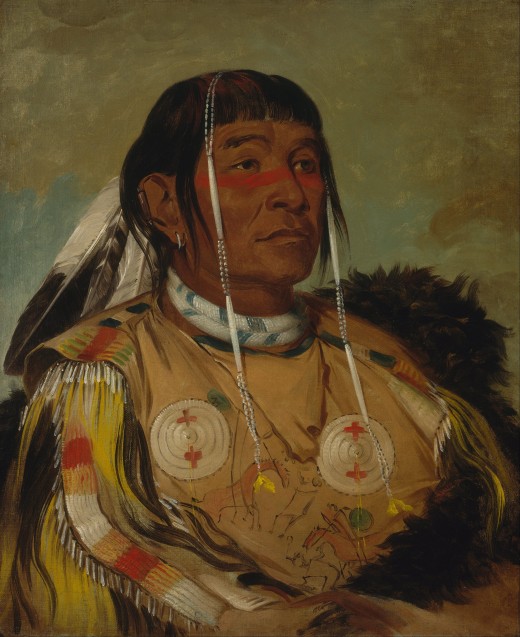
Ojibwe Legend
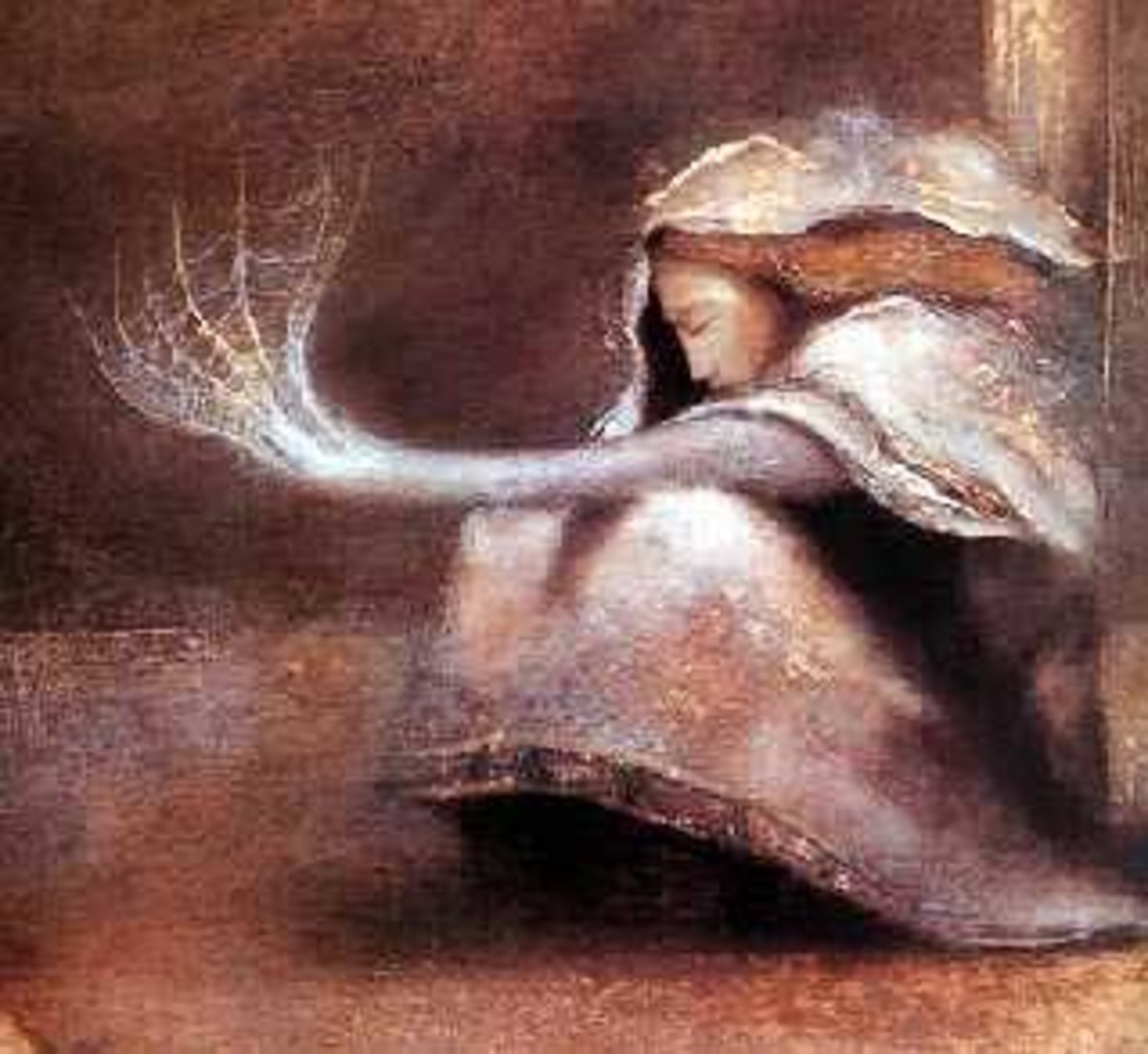
Within Ojibwe legend, there was a spider woman called 'Asibiaashi' who was their protector, particularly of the children. As the tribes grew and migrated, it was difficult for Asibiaashi to protect all of the children, so the mothers and grandmothers begun creating dream catchers, representing the protective web of Asibiaashi. The Ojibwe believe that the night air is filled with dreams, both good and bad. When a dream catcher is hung above the sleeping place, good dreams pass through the webbing and slide down the feathers, reaching the sleeping child below. Bad dreams however get caught in the webbing and are destroyed by the morning sun.
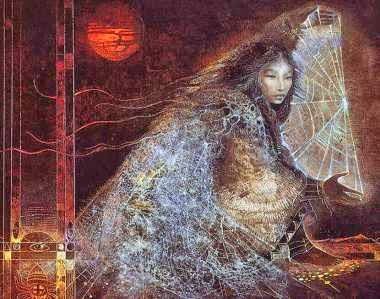
Lakota Legend
Within the Lakota tribe, an old spiritual leader high on a mountain had a vision involving 'Iktomi' or 'the spider man'. The leader was bearing a willow hoop with offerings to the other spirits, consisting of feathers and beads, which Iktomi took from him and begun to spin a web. Whilst doing this, he spoke about the cycles of life; how we begin as infants and eventually grow old, where we are looked after as though infant again. "But," Iktomi said as he continued to spin the web, "in each time of life there are many forces -- some good and some bad. If you listen to the good forces, they will steer you in the right direction. But if you listen to the bad forces, they will hurt you and steer you in the wrong direction." Once he had finished speaking, he gave the finished web (the dream catcher) to the leader and the spider told of how if the dream catcher was to be hung above the resting place, good forces will fall through the web whereas the bad forces would get caught up, protecting the person below.
What were they made from?
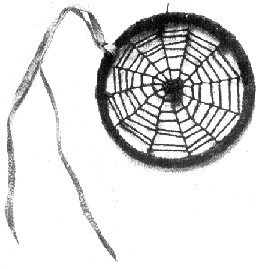
'Hoop': The hoop of the dreamcatcher is either circular or a tear-drop shape. They were traditionally made from bent wood/sticks, often from a red Willow tree.
Webbing: The webbing was made from sinew string (derived from animal tissue) and was woven to take the form of a spiders web. It was this webbing that would either trap dreams or let them flow through the holes. Some dreamcatchers had 8 points to represent spiders legs.
Feathers: Feathers represent air and were often weaved into the centre of the dreamcatcher. Different types of feathers (for example an Owl feather or an Eagle's) had different meanings.
Decorations: Dreamcatchers were sometimes decorated with things from their everyday life, for example shells and beads, even animal hair.
Dreamcatchers were not intended to last forever as they were made from sticks and sinew string. They were given to infants and would deteriorate slowly as the infant grew and passed through the different cycles of life.
Modern Dream Catchers
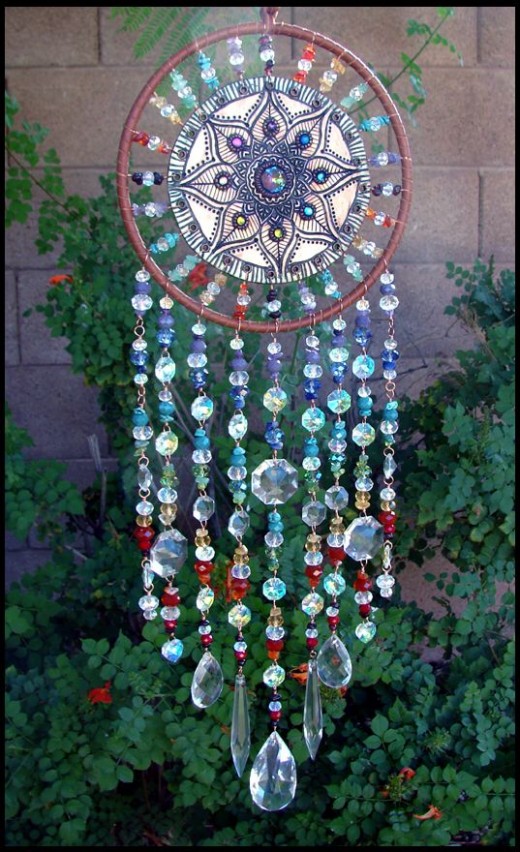
These days, dream catchers are mainly used for decorative purposes and often consist of more enduring materials. They are decorated with different coloured feathers and beads, sometimes dyed, and may have a few gemstones incorporated within them. The New Age movement (paganism, wiccan), use dream catchers as a spiritual tool, and there are other people who still believe in the old legends.
Dream catchers are a great gift for loved ones, and can even be crafted at home!