Down Versus Synthetic Sleeping Bags - What Are The Differences?

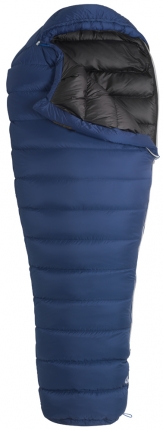
Many Sleeping Bags To Choose Between
If you are looking for a good, high-quality sleeping bag to add to your backpacking or camping gear, you might be a little confused at the different options on the market today. Different temperature ratings (15, 30, etc), different styles (mummy vs rectangular), and different fills (down vs synthetic) make the decision difficult. This article will hopefully remove some of the confusion regarding the fill by outlining differences between down and synthetic fibers.
Synthetic Fill Sleeping Bags
Synthetic fill sleeping bags are very common in camping, and these sleeping bags are very popular among backpackers. Newer technology has shrunk the gap between natural down and synthetic down to where the two are quite close by comparison. Synthetic insulation is polyester fibers that are woven together to mimic down fibers. The smaller fibers hold heat while the thicker fibers generate loft and comfort.
One of the biggest advantages of synthetic fibers over natural down is the fact that synthetic fibers are quite water repellent. They retain their insulative properties even when wet, repel water easily, and dry quickly.
Other advantages include:
- inexpensive compared to natural down
- easy to care for as synthetic fill sleeping bags are machine washable and dryable
- hypoallergenic, since fibers are man made and not natural
- synthetic sleeping bags offer a wide range of options compared to down fill bags, especially for those on a budget
Synthetic fill sleeping bags do have their drawbacks. These include the following:
- synthetic fill bags are bulkier than down bags, and do not compress as easily or as small
- synthetic fill bags are heavier than down bags, since it requires more synthetic fibers to get the same warmth that down provides
- synthetic fibers break down over time, and require replacement no matter how well you care for your sleeping bag
Types Of Synthetic Fibers
There are several different types of synthetic fills on the market, including:
- Polarguard®
- Primaloft®
- Thinsulate®
- Thermolite®
- Dryloft®
- Hollofil®
- Liteloft®
- MicroLoft®
- Quallofil®
- Thermoloft®
- ThermaWeb® - from Spider
- MarmaLoft® - from Marmot
What is a good scenario for Synthetic Sleeping Bags?
If you are a backpacker or camper who is on a strict budget, synthetic sleeping bags are much cheaper than down sleeping bags. While they are heavier and more bulky, the difference between the down bags might not be worth the extra couple hundred dollars.
Another good scenario for going with synthetic sleeping bags is if you will be camping or hiking in very wet weather. Down sleeping bags lose their insulative properties if they get wet, so wet weather camping is better suited to synthetic fill sleeping bags. The 4 bags in the section below are all great synthetic bags to take a look at.
Down Fill Sleeping Bags
Natural down is the high-end sleeping bag fill. Many people think it is made up of feathers, but it is actually the super soft material under a goose's feathers. Down is comfortable, breathable, lightweight, compressible, and it is very efficient at retaining heat.
Types of Down
There are a few different types of down fill used in most sleeping bags. High loft goose down is the most expensive because of its ability to trap the most air within its particles, thus increasing insulation. It compresses easily and is very lightweight. Goose down is cheaper than high loft down, but still provides lightweight and compressible properties. Duck down is less fine and therefore less expensive still.
Down Fill Power
When you look at down insulation, you will likely see a 'fill power rating.' Fill power equals the number of cubic inches an ounce of down will occupy. If one ounce of down takes up 800 cubic inches, it is given an 800 fill power rating. The loft of the down refers to the thickness of the fibers. The quality of the down is directly related to the loft and the fill power. A higher fill power and high loft is a high quality down, and this type of down will keep you warmer with less down used. Most of the higher end down sleeping bags on the market utilize at least a 650 fill power down.
Advantages and Disadvantages of Down
Some of the advantages of down include:
- its warmth to weight ratio is unmatched by synthetic fibers
- the fact that it is very compressible
- the fact that it is very lightweight
- its ability to regain its loft after being compressed for long periods of time
- its ability to last a lifetime with proper care
- its ability to wick body moisture out of the bag, reducing condensation
While these advantages seem like they make down sleeping bags the best choice for you, take a look at some of these disadvantages below.
- Down almost completely loses its ability to retain heat and warmth when it gets wet. It also takes a lot longer to dry than synthetic down fiber fill.
- Down sleeping bags cost a lot more than synthetic sleeping bags.
- Down requires special cleaning considerations. Dry cleaning is usually required, or the use of special detergents. Otherwise, the fiber's loft and insulating ability will be damaged.
- Because down is derived from an animal, it may contain allergens and is not hypoallergenic. Lower grade down can trap dust particles and other allergens, causing allergic reactions.
Down sleeping bags are a good choice for any backpacker who is looking for the lightest, most compact option available, as long as cost is not an issue. Expedition and minimalist backpackers often go with down sleeping bags. A lot of down sleeping bags now come with some sort of waterproof outer liner to protect the down, so they can be used in wetter conditions. If you fit these requirements, a down sleeping bag might be for you.
Check Out The Top Down Sleeping Bags
- The Top 5 Down Sleeping Bags - Weight, Warmth Important | Backpacking Samurai
Are you on the market for a down sleeping bag? This list of the top 5 down sleeping bags will help you make your decision, so click here and read more.
Which One?
Down or synthetic? The right sleeping bag for you will greatly depend on a few factors. Your budget is a big one. Down expedition sleeping bags can cost upwards of $1000. Most fall in the $300-$600 range. Synthetic sleeping bags are much more affordable, many costing under $100.
The weight to warmth ratio is another big consideration. If you are worried about adding extra ounces to your backpack, down is a better option because they will always be lighter than their synthetic counterparts.
The conditions you camp in are another factor. If you plan a mostly dry trip, down or synthetic will be fine. If you plan on a trip in wet and cold conditions, synthetic might be your best option.
Hopefully, this article will help you sort through the many different types of sleeping bags on the market today. Thanks for reading!
Related
Best Backpacking Sleeping Bag: What Every Hiker Should Know

How to Fill a Sketchbook in One Month
Fabric- getting to know fabric- part 1- Light to Medium weight Fabric!
Warnings & Wisdom on Buying a Latex Mattress - by an Ex-Mattress Salesperson
Quechua Bionnassay -5 Mummy Four Season Sleeping Bag Review. (sub 0 degrees)