Freshwater Fishing and your First Aid Kit in the Tackle Box


The importance of the First Aid Kit
As the summer fishing trips begin to start it’s always worth considering these helpful tips to ensure your fishing goes according to plan. Getting yourself organised by having a simple first aid kit in your tackle box can save you so much trouble ahead. Don’t forget you also need to select the right type of bait as well as type of clothing, so focus on the main elements of fishing and rest easy knowing that you’ve taken care of your first aid kit in advance. The following helpful fishing guide will ensure your chances of success in catching that big fish increase. Having a successful freshwater fishing trip remains the ideal way of relaxing. Summer fishing especially in freshwater needn’t seem as challenging as you initially think once you understand the basic tips.
Organise your kit
Get yourself and your equipment organised by ensuring you have all the tackle, rods, reel, spare reel, clothing, food, accessories, mobile phone, directions, and your licence ready packed before you begin your journey. Keeping organised helps you prevent leaving an important piece of fishing kit behind like your first aid kit. It will also ensure you’re able to respond to emergencies in the unlikely event of an accident. This is important as you’re essentially preparing yourself for the unexpected.
Seasonal baits and local risks
Choose your bait based on the local type of food naturally available to the fish in your chosen area. Freshwater fish will follow trends in the availability of existing food sources. Ensure your bait matches the variety of insects, bugs, and larvae that appear in season at the specific freshwater area your fishing in. You can always ask local sources for ideas surrounding the best bait. It’s also worth asking local sources if there are any health hazards that you need to be aware of.
Fish and their keen sense of smell
Wash your hands to remove potential smells (cigarettes, insect repellent etc.) that can distract the fish. Fish have an extremely keen sense of smell and will flinch away from bait that smells of contaminants.
Fish spawning phases when you're freshwater fishing
Pre-spawn
Pre-spawn, spawn, and post-spawn will affect how your fish reacts to certain types of food. A freshwater bass will instinctively dislike lizards during the pre-spawn phase of their egg-laying stage. Basically the lizard eats the bass spawn so the natural instinct for the fish conditions it to attack this prey on sight. Discover the type of lizard in your area and use the correct colour to match local lizards.
Spawn
During the spawn phase of freshwater fish its ideal not to fish as the fish lay eggs ready for the hatching of their offspring. It’s only a short period but will help you prevent additional stress to your local fishing stock.
Post-spawn
The post-spawn phase indicates that your chosen fish have entered the eating phase. Ideal choices for the summer include buzz-bait in varying colours to match your requirements. Choose a darker colour for darker waters. Bright colours work best during the clearer freshwater areas.
The importance and dangers of sharp hooks and strong line
Use sharp hooks and strong line to prevent your freshwater fish escaping when you strike. The correct strength line will ensure your prize catch remains tethered instead of breaking the line and escaping. Sharp hooks also prevent damage to the fish once you’ve successfully caught it. Removal of a sharp hook remains far easier than a dull blunt hook. Your safely stocked first aid kit will contain plasters, sterilization fluid, and bandages in the unlikely event you cut yourself whilst hooking or landing your fish.
Correct clothing to keep you warm
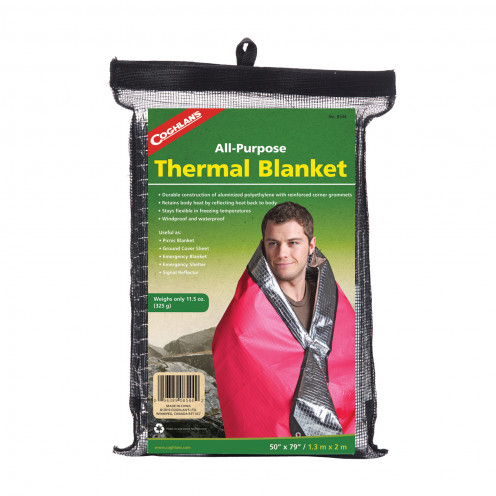
Wear the correct fishing clothing to disguise your presence while you fish. The clarity of the water combined with the fish’s keen eye-sight will easily spot your profile if you’re wearing normal everyday clothing. Choose clothing colours and camouflage patterns to help you blend into your environment. In summer you’ll need to account for warmer temperatures so wear clothing with adequate ventilation. Ensure your first aid kit has a thermal blanket. These are light weight thermal foil blankets that easily fold up into your first aid kit. They’ll help you if the weather turns really cold as they work by trapping air in multiple air-layers.
Thermal Rescue Blanket
The thermal protection offered by a simple thermal blanket will make a huge difference in keeping your core body temperature stable. Blankets are easy to store and take up little room.
Rainproof Kit
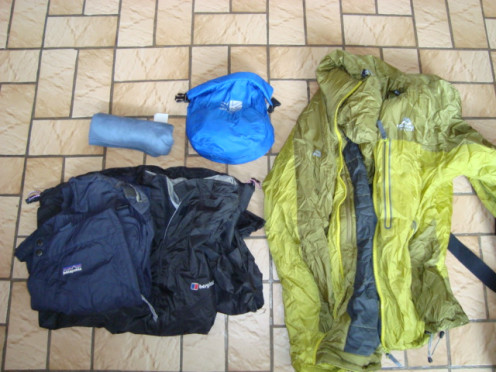
A light-weight coat and trousers will ensure you stay dry. These should be waterproof and take up very little storage space. This will keep you dry and prevent serious colds and flus, or even worse affecting you.
Essentials to have in a first aid tackle box
Learning the art of organisation will help you prevent losing essential parts of your fishing equipment as well as prepare for the unexpected. Tips on consideration of the local bait in the area combined with the art of camouflage will help you fish in summer with greater success in addition to extra comfort. Appreciating the senses of the fish helps you prevent startling your prey while avoiding contaminating your bait with distracting odours. Through following these summer freshwater tips you’ll increase your success during this marvellous yet challenging sport.
Having a tackle box laden with the basic essentials ensures your fishing trip stays both functional as well as enjoyable. Keeping simple items in your tackle box can make the difference between you continuing to fish when you encounter an unforeseen problem, or having to end your fishing trip early. Always consider keeping your tackle box well organised while remembering to replace any items which get used.
Extra line and hooks
Adding these to your tackle box helps you keep fishing if your line proves too light for the size of fish you’re baiting. A handy supply of additional hooks of differing sizes creates plenty of opportunity to change as and when you require especially if your current hook becomes dull.
The Fishing Injury Poll
Have you ever suffered an injury whilst fishing?
Additional fishing equipment in your tackle box
Pliers
A pair of needle-nose pliers remains handy for crimping weights or making adjustments to your fishing reel. Using your pliers to grip hooks before tying on your line’s another essential use. They can also help you in first aid if you need to remove enlodged hooks or large splinters
Disgorger
This handy tool provides the perfect way of removing hooks from your fish once you’ve successfully landed your catch. Extremely easy to use this tool proves especially useful for larger fish while working with any size of hook.
Knife
A basic stainless steel knife helps to cut line, open food, and prepare bait. Stainless steel will stay rust free over time.
Spare reel parts or a spare reel
Having plenty of spare reel components such as a handle, gear boxes, pick-ups, and washers enables you to fix your reel to enable you to continue fishing. Alternatively a spare reel allows a simple change to continue your fishing adventure.
Screwdrivers and spanners as simple tools
A mini-set of screwdrivers and spanners will prove useful if you’re working on your repairing your reels with additional parts. These tools can also be used to repair motors if your boat breaks down.
Having a lighter to create fires and as a way to survive means making warming fires a simple task. In addition you can use the heat to melt line ends or seal plastic bags.

The important Mobile Phone
Having a fully charged phone available provides an ideal way to contact other people while fishing especially in the event of an unforeseen accident. If you’re fishing on a boat seal your phone in a waterproof bag to ensure it works if accidentally exposed to water. Most social media sites now have a GPS system that monitors your location. In addition Facebook is introducing a “I’m Safe” application that can ask you to respond if there’s a disaster in your vicinity. If you don’t respond emergency services will be contacted. Ensure that emergency numbers are stored in the contact directory. You should also include an additional fully-charged spare battery.
Small first aid kit the essential must have item
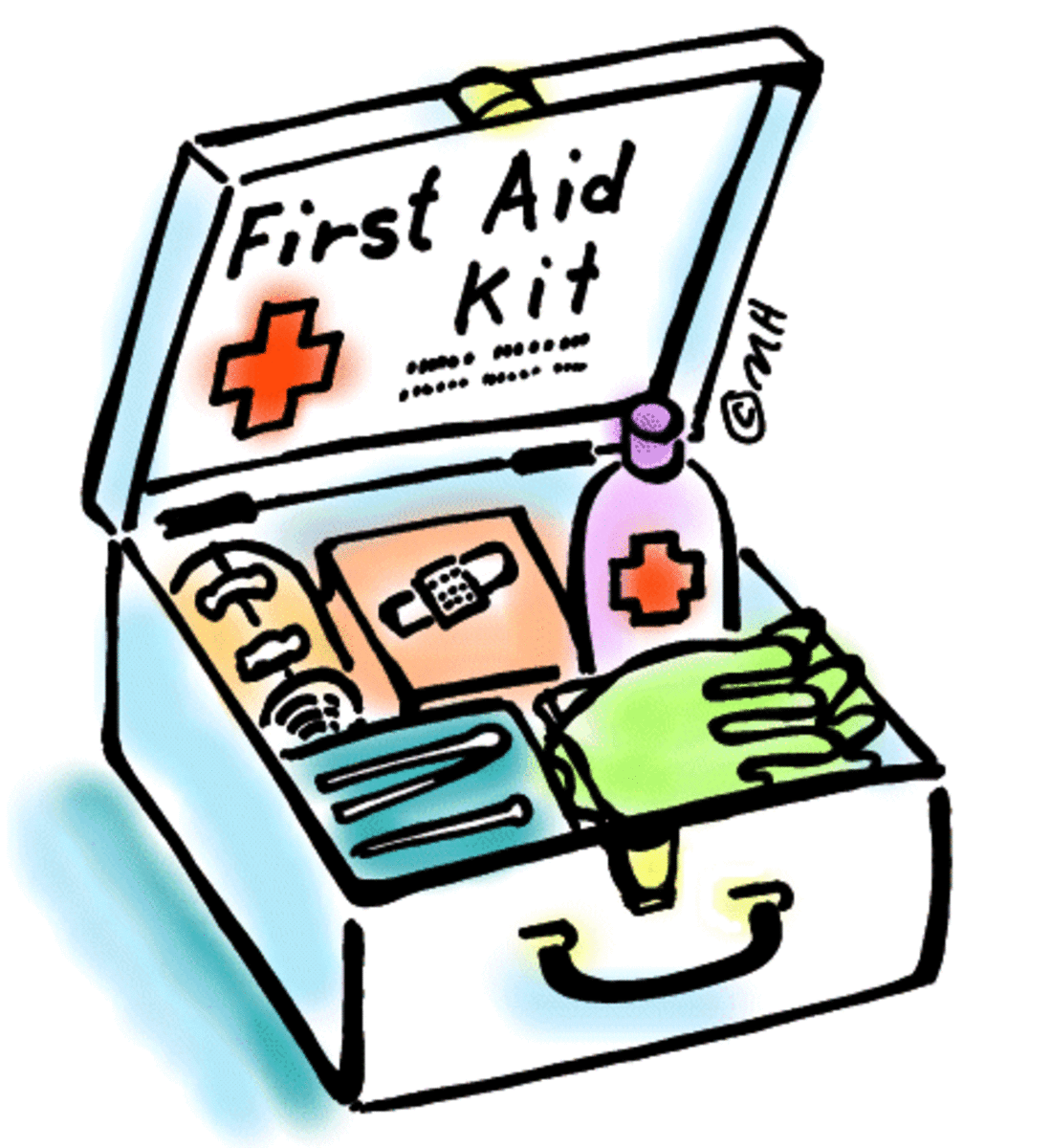
A simple first aid kit containing antiseptic wipes, bandages, needles and thread, insect repellent, anti-histamines, and aspirin remains important for treating minor injuries while fishing. Anti-histamines will reduce bug bite reactions, while aspirin will prove useful in fighting off headaches.
Sunscreen
If you’re fishing for long durations in the sunshine keeping yourself protected from powerful UV rays remains a wise decision. This can also help prevent sun-stroke.
Hand cloth
An easy-to-wash hand cloth enables you to wash your hands after mixing bait. Wiping sweat from your hands when handling fish helps protect the fish scales from infection as well as disease.
Keeping a well stocked fishing tackle box relies on you keeping the basic essentials readily available. Adding the mentioned items enables you to fish while you overcome potential problems. In addition protection from the sun avoids unnecessary sunburn or a worst case scenario of sunstroke. Having spare fishing tackle supplies gives you plenty of opportunities to experiment with varying fish sizes. A fully charged mobile phone adds an element of security while you fish. Maintaining the basic essentials in your tackle box provides extra comfort when fishing allowing you to focus your full-attention on this enjoyable sport.
Coleman Fishing Essentials first aid kit
First Aid Kits and Tips for Fishermen
A first aid kit is necessary when taking any fishing trip, but it is even more essential when taking an adventure fishing holiday. It’s crucial the kit includes additional items to enhance your overall safety and ability to cope with any unforeseen difficulties. The items listed below will give you an idea of what to include. One of the advantages of many pieces of equipment is that are both lightweight and take up little room in a bag.
Maps and compasses
A map may sound obvious but it is often overlooked. In the unlikely event you get separated from the main group it will be the first thing you wish you had included. Ideally it should be 1:50000 or 1:25000 scale and from the local area. Small compasses are very cheap and will help you navigate using the map.
Food and water
Small emergency food rations and concentrates are ideal. Always carry a water flask. Modern technology allows for water-proof bags – Camelbak and Platypus are two very good brands with 2ltr carrying capacity. Water purification tablets (Katadyn Micropur) are essential. The Katadyn tables kill Cryptosporidium in water.
Alarms - Whistle and Heliograph
A simple whistle will be ideal for attracting attention. The emergency signal is 6 blows a minute followed by a one minute break. The answer is 3 signals per minute. A small mirror or an old CD is an excellent way of creating a heliograph, thereby getting the attention of aircraft and helicopters.
Medicine and plasters
Include in your adventure holiday first-aid kits anti-histamines, pain relief, and cooling gels for burns and blisters. Include plasters and bandages for minor injuries. Additional insect repellent, although not essential, will make you feel more comfortable.
Emergency Shelter
Shelter sheets are often overlooked but the ability to keep dry by making a temporary tent will ensure proper sleep is maintained.
All of the items should be stored in a waterproof bag. The bag can also be used later to collect condensation as a water source, and will protect your items if exposed to water.
These additions to your basic fishing first-aid kit will ensure your adventure fishing trip goes as smoothly as possible. Adventure fishing trips are traditionally very safe and well organised, but being prepared is one of the first aspects when dealing with mother-nature. It is better to have than to have not while enjoying the time of your life.