Tattooing in the Philippines - Why Pintados are surfacing again

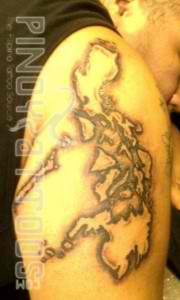
Even before Spanish regime, TATTOO has been part of the tribal life of the early settlers in the Philippines.
It is derived from the Tahitian word, TATU or PINTADOS (Filipino word) for The Painted Ones.
Why tattoo? I, for one, has not been engaged to tattoo session because my job didn't permit me to have one. Some companies link tattooing to some criminals which should not be the case.Well, we often see incarcerated persons or prisoners having tattoos on their bodies but we should stereotype tattoo on that level.
Tattooing is an art that my forefathers embraced and handed down from generation to generation. Modern gadgetry and technologies make it the most-sought-after decorative art on skin.
Tattoo is:
- part of tribal life;
- self-expression;
- tribal form of rank and accomplishment;
- has magical quality, so they say.
If you're an avid reader on World histories, tattoo is not only prevalent among tribes in the Philippines. It is also present among Polynesian people, like Samoans & Tongans; likewise with most African tribes.
European tribes, like the Celts were also tattooed people that occupied the UK for a long time.
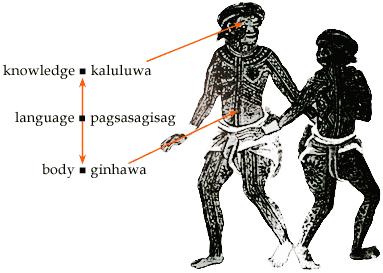
Getting to know more about Pintados and the present festival
To commemorate the long lost tribe of Pintados, the province of Leyte in the country decided to put up a festival on June for a month-long activities.
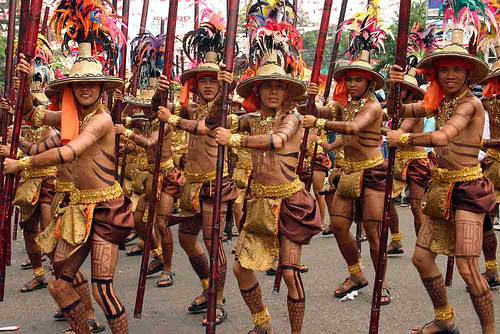
It is now called Kasadyaan Festival, a cultural-religious celebration in Tacloban based on the body-painting traditions of the ancient tattooed "pintados" warriors. In 1986, the Pintados Foundation, Inc. was formed by the people of Tacloban to organized this festival in honor of Sr. Santo Niño.
The ranks of these warriors and their families were shown through the accumulation of tattoos on their bodies.
I used to hear tales of those fearless men, the Painted Ones, defending their tribes at all cost from invaders.
Pintados festival in Tacloban, Leyte, Philippines
How tattoo is administer
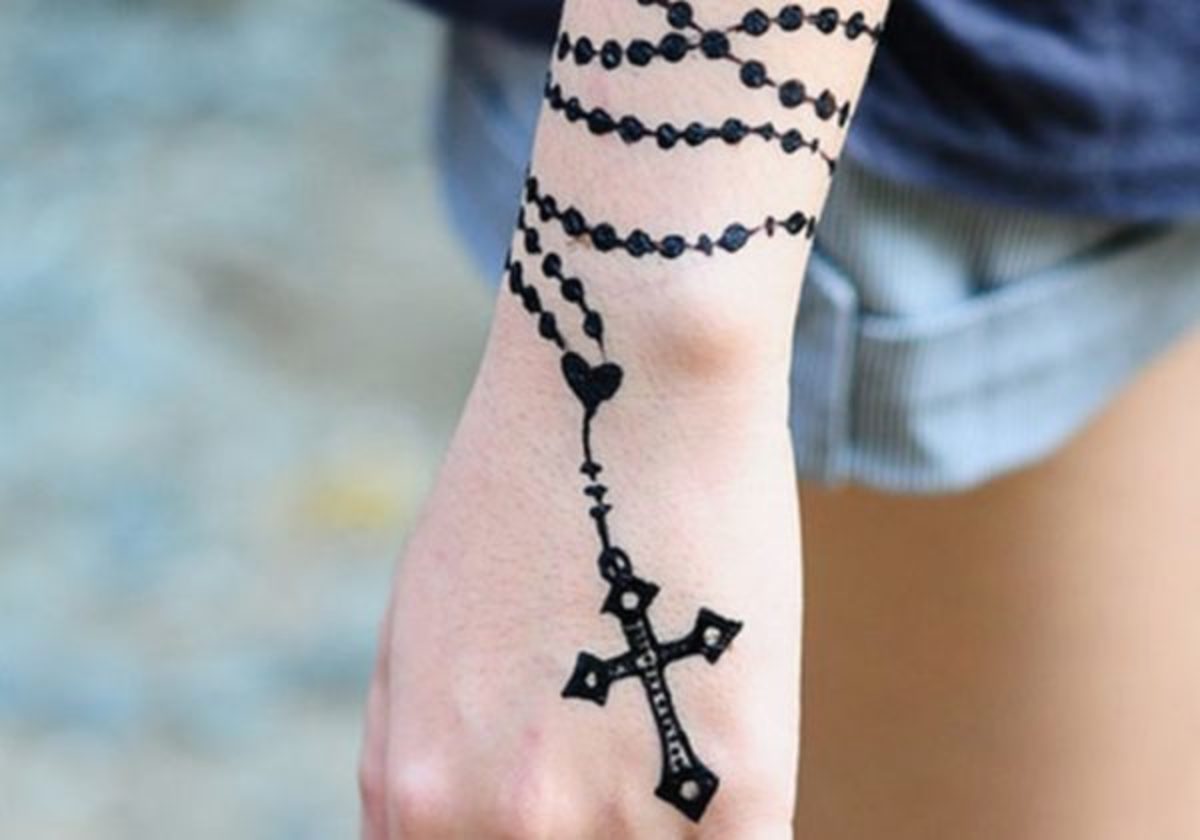
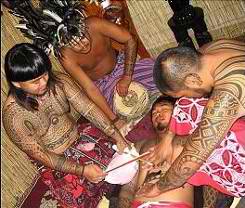
Tattoo can be permanent (for life) or HENNA (non-permanent) that lasts for 10 days. Even children like henna tattoo. Some can be bought and you can personally transfer it on your skin. The materials used are biodegradable and don't leave rashes to the skin.
Professional tattoo maker should be your service provider to avoid:
a. infection
b. allergies
c. HIV transmission
d. hepatitis
The use of needle should only be executed once to avoid such post-tattoo ill-effects.
Tattooing these days is made easy through the use of modern machines. The safety of every client is secured by the owner or operator by showing the sealed needle first and the colors or skin paints to be used.
Pain endurance is tested first because part of the session is the accumulation of blood on the part of the skin being decorated or tattooed.
Recommendations
In greater Metro Manila, www.yanniks.com, is one of the leading tattoo maker, with its official tattooo maker, Bryan Saltiga. His customers ranges from:
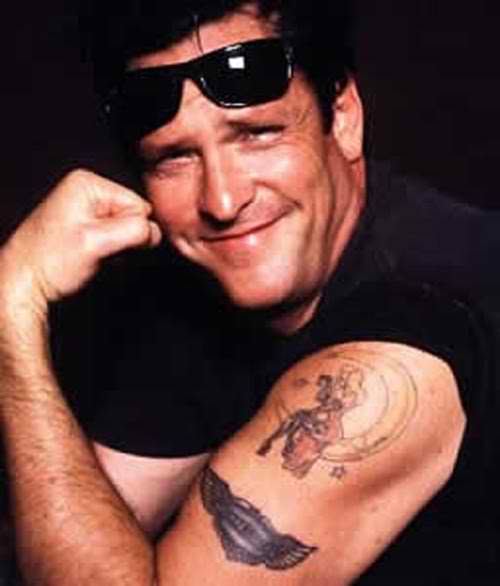
1. Michael Madsen - Hollywood actor who visited the Philippines and get tatooed by him.
2. Manny Paquiao - the 8th-time titlist in professional world boxing, now a congressman in Sarangani
3. Other artists in the Philippines who are tattoo enthusiasts.
Meanwhile, you can find an array of tattoo art at PinoyTattoos.com if you're interested to undergo the session anytime soon.
Everywhere you go in many key cities in the country, expect of tattoo shops that often frolic the main thoroughfares of downtown areas.
Many tourists are also tempted to try it, whether it's permanent or henna tattoo.
PHILIPPINES TATTOO c/o chocopillows
Related
Tattoo Apprenticeships: How to Get One and Why You Need It
Blackout Tattoos: Why People Choose This Striking Body Modification
What Is the Problem With Tattoos?
Gothic Tattoos And Meanings-Gothic Tattoo Ideas, Gothic Cross, Vampires, Gothic Figures
Simple Tattoo Aftercare Instructions for Optimum Results