7 Important Things You Should Know About Africa

Africa
7 Things about Africa
Have you ever been to Africa? Are you a native of Africa, the land of dark-skinned people? You have probably heard a lot of stories about Africa, some have a basis in truth while some are exaggerations which stretch so far away from the truth.
The following subheadings will clarify some stereotypes about Africa.
Countries
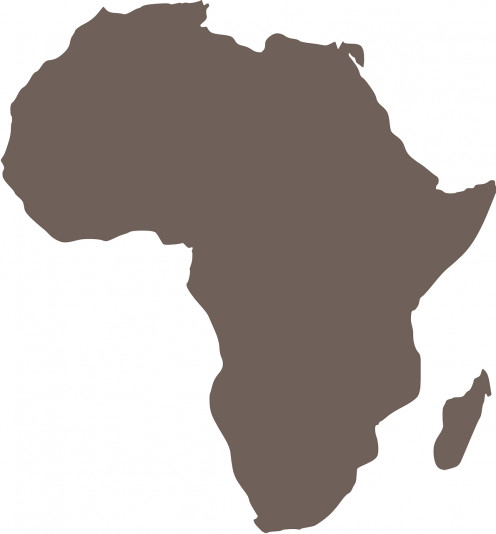
Africa is not a country; it is one of the 6 continents of the world. Within this continent, there are 54 countries. All of them are marked territories with borders that are recognized and featured in maps. Most of them were colonized for many years, and they have gradually gained independence over the years. At the moment, Africa is free of colonization.
Wars
Movies and the media have given a portrayal of Africa as a war-torn place where wars abound and bloodshed is their way of life. Indeed, Africa has seen many civil wars, strife, and violence. Some countries have even faced genocide attacks that left many people grieving. However, this is not all that happens in Africa. Most countries have a peaceful and tranquil state in general. Politics and tribal wars seem to be the main cause of devastation. Note that this happens in other continents too.
Wild Animals
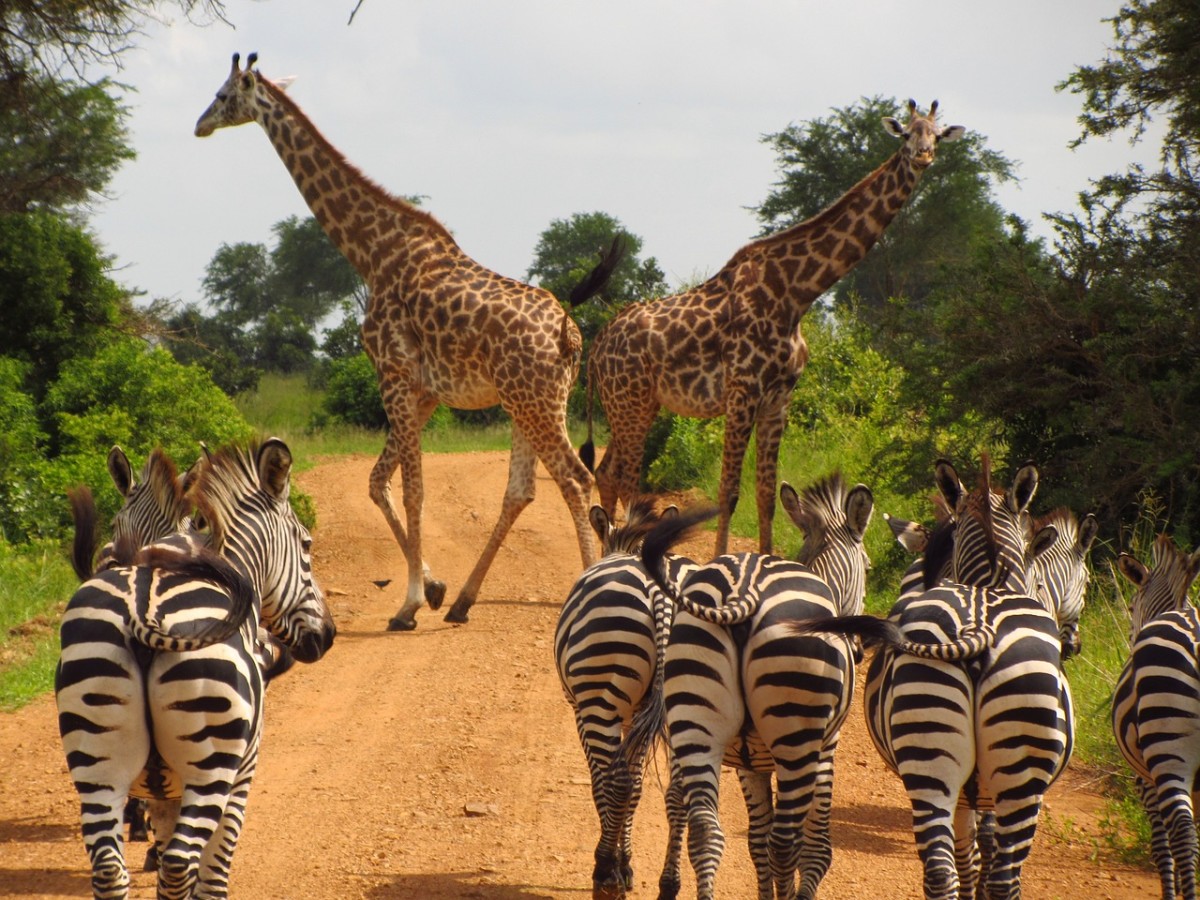
Wild animals are usually associated with Africa to the extent that some visitors on their first visit to Africa expect to meet a lion or an elephant blocking the dirt road or in the middle of the street. They become disappointed on arrival in Africa, and they travel over tarmac roads and cities with skyscrapers without any lion or baboon in sight. Wildlife services keep them away from towns. Wild animals live in the parks and forests, although you might see some even when you are not inside the national park.
Africa is famous for the Big 5 animals: Lion, Elephant, Rhino, Leopard, and Buffalo. So when you visit Africa, remember to visit zoos, national parks, or forests where there is a diversity of interesting fauna to marvel at.
Poverty
The mention of Africa usually brings the idea of poverty. Donors and sponsors fund Africans; people donate second-hand clothes to Africa. Many live below the poverty line, on less than a dollar a day.
However, Africa is not solely made up of poor and suffering people. With education and technology, more people have developed meaningful careers and innovative businesses, which have elevated their economic class.
Although most of Africa's countries are still developing, they have riches below the ground's surface, such as Oil, diamonds, Gold, and other minerals. As a physical continent, Africa is not deprived because of its geographical endowments.
Intellect
There are many universities and other centers of learning in Africa that strive to provide quality education and positively contribute to the economy. Most IQ tests were culturally biased, such that if taken by an African, they would have given low results, yet there are evidently many geniuses and intellectually endowed Africans.
Culture
Africa's diversity in culture is very evident in the languages spoken by people of Africa. Many tribes in Africa are classified into larger groups such as the Bantus, Nilotes, Cushites, and Semites. Most countries use the language of their colonial powers as their national or official language.
However, the native tongues still exist. Africans are usually proud of their dialect and familial ties. Yes, Africans do wear modern clothes, although some cultures, mostly those who live in hot areas or deserts, such as the Maasai, prefer traditional attire since they are not required to wear corporate attire.
And even if you do meet cultures that only cover private parts in the comfort of their villages, they cannot be judged negatively, can they? After all, people walk around in bikinis or underwear on public beaches with no qualms.
The People
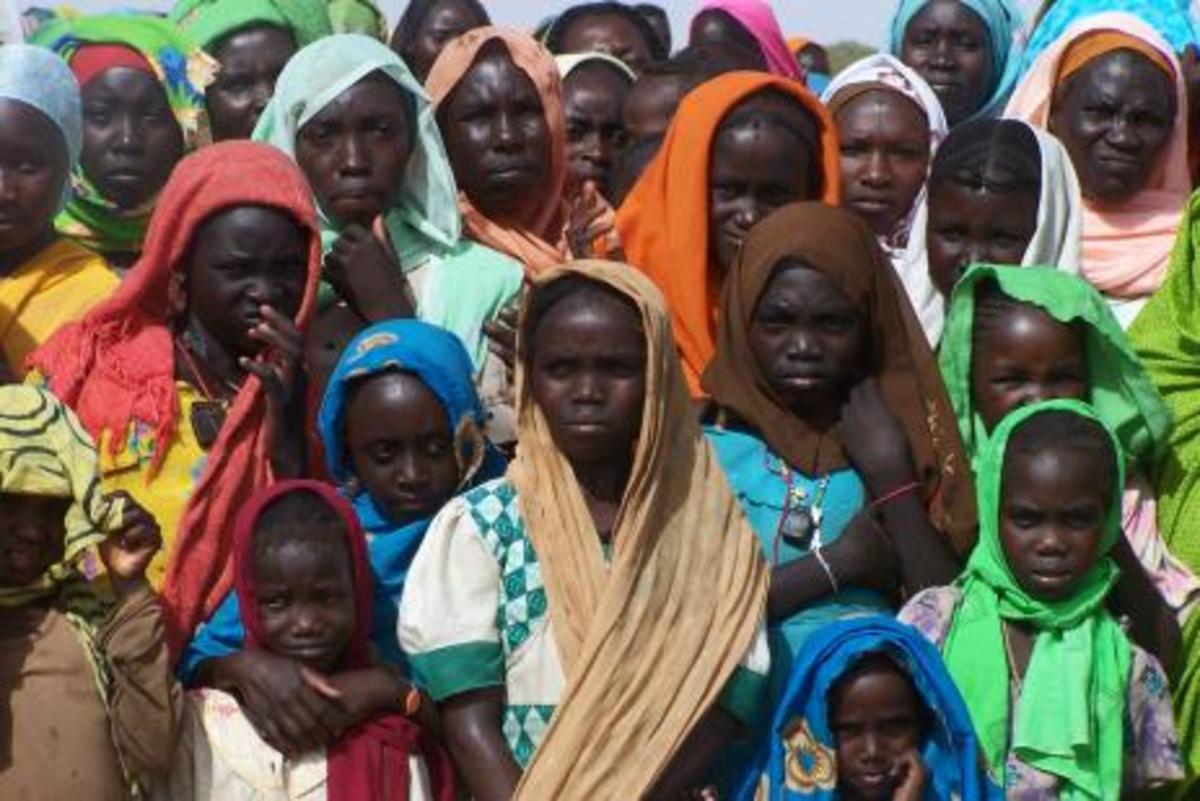
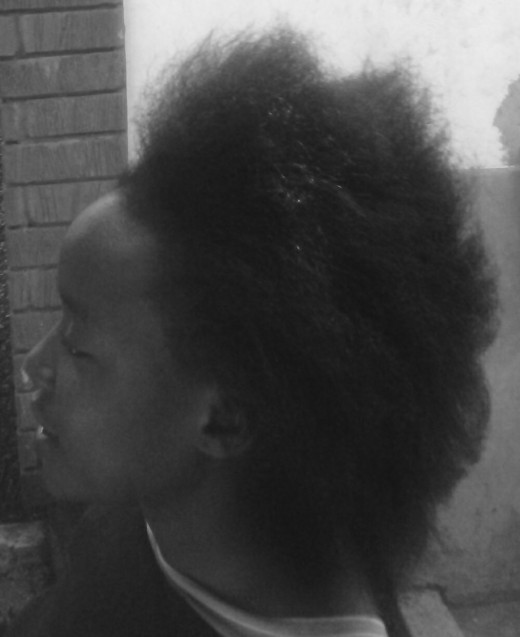
According to Africans, not all of them are black. There are different shades of their skin. Some are lighter and some are darker. But to the world, all of them are "black." A majority of Africans have tough hair compared to other races. It is a unique kind of hair (specifically confined to Africans) which is kinky and curly, such that it may look shorter than it really is.
Due to the influence of globalization, there are many hair products that can make African hair lose its kinkiness and become very straight and long, so that it can be styled easily. Some decide to keep it in its natural state and maintain it by braiding or plaiting. Or they can grow dreadlocks.
This content reflects the personal opinions of the author. It is accurate and true to the best of the author’s knowledge and should not be substituted for impartial fact or advice in legal, political, or personal matters.
© 2015 Centfie
Related

6 Things You Should Know About Granite Countertops
Great Celebrities in Ancient History: The Rise and Fall of the Zulu King Shaka
Indians in South Africa – 150 years of toil and triumph
10 Things You Should Know About Your First Author Expo and Book Fair

Poisonous Snakes, Spiders, Bugs And Insects in Africa Whilst On Safari