Stevenage New Town


Old & New
Stevenage is an ancient settlement on the Great North Road. Six tumuli (burial mounds) mark the passing of the Romans, while street names mark the presence of the Angles (Danestrete, Danesgate, Daneshill etc.).
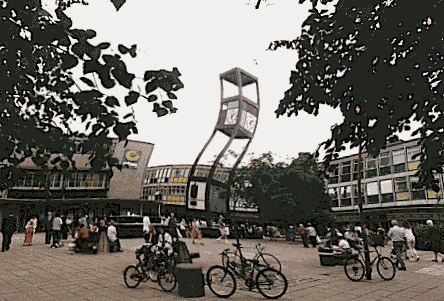
And yet both these markers are situated in a landscape of predominantly 50' and 60's architecture, pedestrianised shopping areas, roundabouts and cycleways. Welcome to Slikingrad!
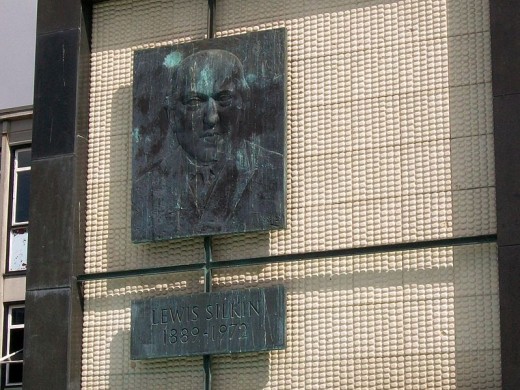
Silkin
Lewis Silkin was the Labour minister in charge of new towns, and Stevenage was to be the first.
The locals, to say the least, were not well pleased with this socialist-inspired development, and for a time, the hostility was so intense that Old Town shopkeepers refused to serve the newcomers.
Nevertheless, such petulance was not going to stop 80,000 extra people making Stevenage their home.


Stevenage Views
Click thumbnail to view full-size


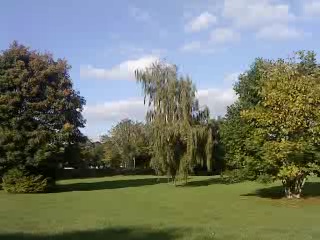
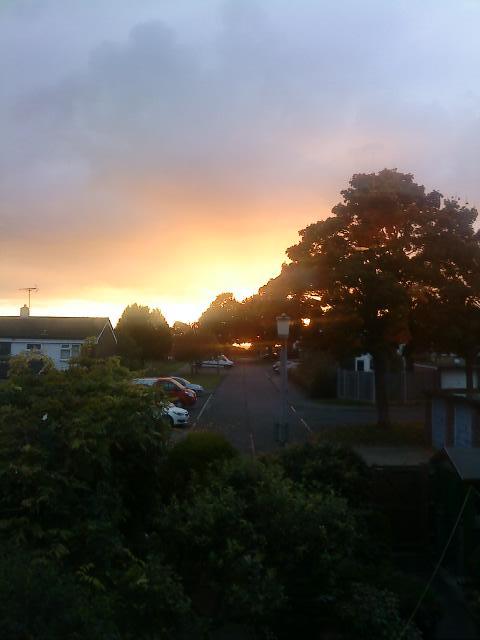
Swings & Roundabouts
The Stevenage Development Corporation built neighbourhoods, based on and named after the old villages and hamlets that abutted Stevenage Old Town - Shephall, Broadwater, Chells and Pin Green to name a few.
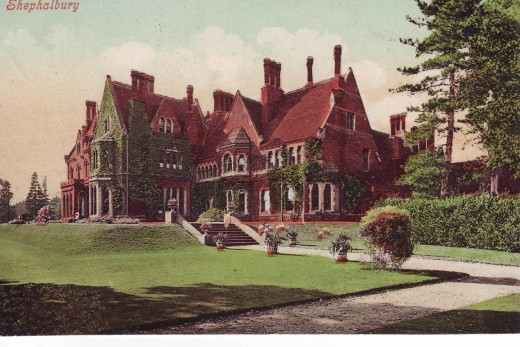
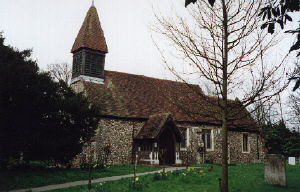
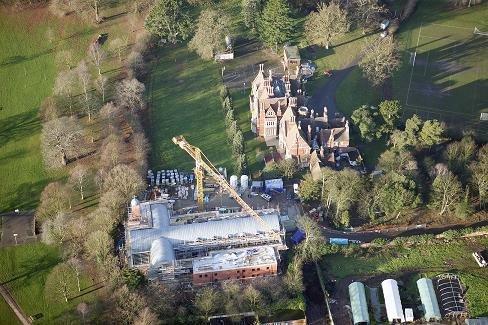
The core of Shephall village survives to this day with an ancient church (St. Mary's where I was christened), some cottages, a pub and some upmarket new houses. Next to the village is Shephall Manor - once a stately home, then an approved school, now little more than a distinguished companion for the newly erected Coptic Cathedral next door.
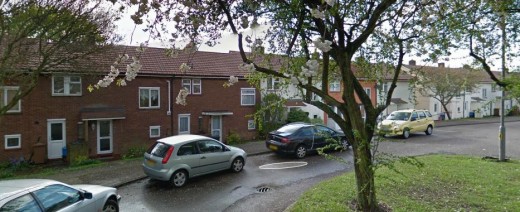
The new houses that surround the village, the manor and the park are now acquiring the patina of age and will outlive their inhabitants, past and future. Roads sweep through the estates, merging at those nodes known as roundabouts, shadowing the cycleways that criss-cross the town. I say shadow, for many of the cyclepaths are former single-track roads that retain much of their original hedgerow.
Art & Architecture
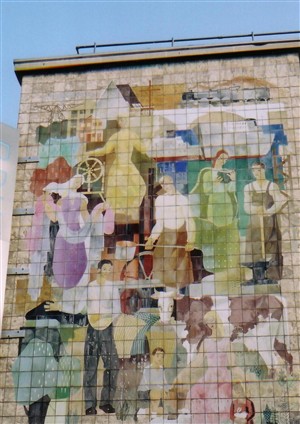
Truth to tell, much of Stevenage's architecture is undistinguished - some of the houses are pretty ugly, while most of the commercial and industrial architecture is a ragbag of 'modern styles' little of which deserve preserving. Nevertheless, there are some objects that catch the eye and gladden the heart. There are certain houses and certain views that give me a frisson of delight and make me suspect that the Golden Ratio is at work.
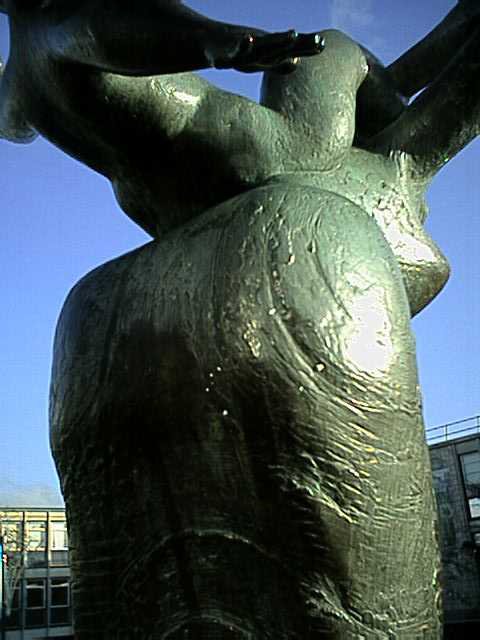
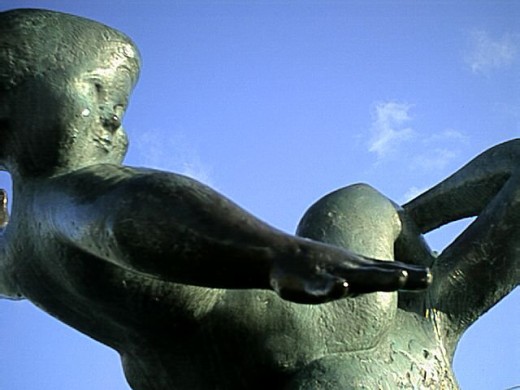
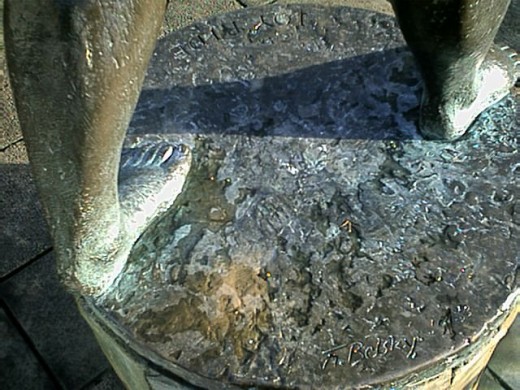
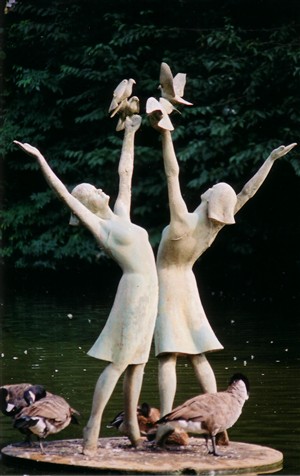
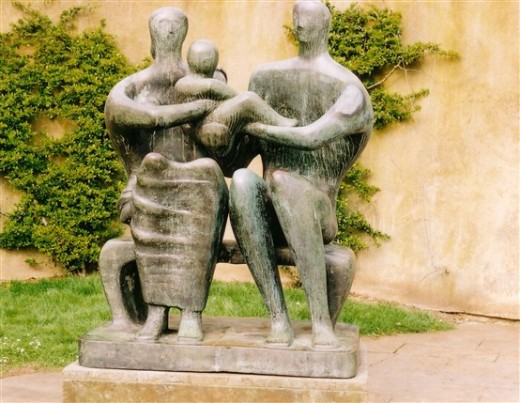
There are a a few sculptures dotted about the town, most of which adorn rather than disgrace the environment; Franta Belskis Joyride is perhaps the most distinguished.
Sculptures & Public Art
Click thumbnail to view full-size


![[Abstract], by Dick Fowler](https://usercontent2.hubstatic.com/12709103_50.jpg "[Abstract], by Dick Fowler")


![[Abstract], by Dick Fowler](https://usercontent2.hubstatic.com/12709103.jpg "[Abstract], by Dick Fowler")
Points of Interest
- Stevenage is the highest point between London and York as the crow flies
- Rooks Nest and Stevenage High Street are the basis for the locations described in EM Forster's Howard's End
- Dickens was closely associated with Stevenage and Knebworth House. Together with Lord Lytton he founded Literary Society housed in a substantial Victorian townhouse, later to be converted to poet's almshouses, and then a refuge for Hungarians fleeing the 1956 uprising
- Lewis Hamilton, the F1World Champion, was brought up in Stevenage
- If you visit Stevenage, the Museum (situated in the under-croft of St. George's & St Andrew's Church) has a good, permanent exhibition on the New Town
- Astrium are one of Britain's foremost satellite developers - aerospace has always had a foothold in modern Stevenage
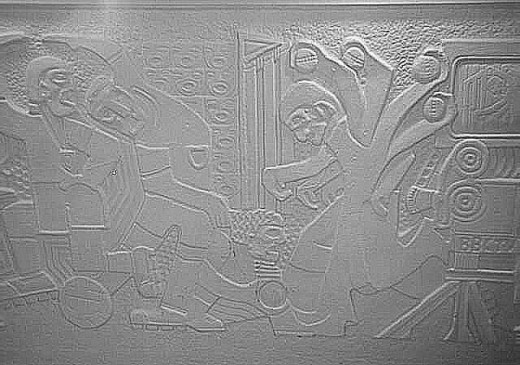
Bas Relief in underpass