Too Much Stuff - How to Manage the Clutter


Learn more about the Story of Stuff
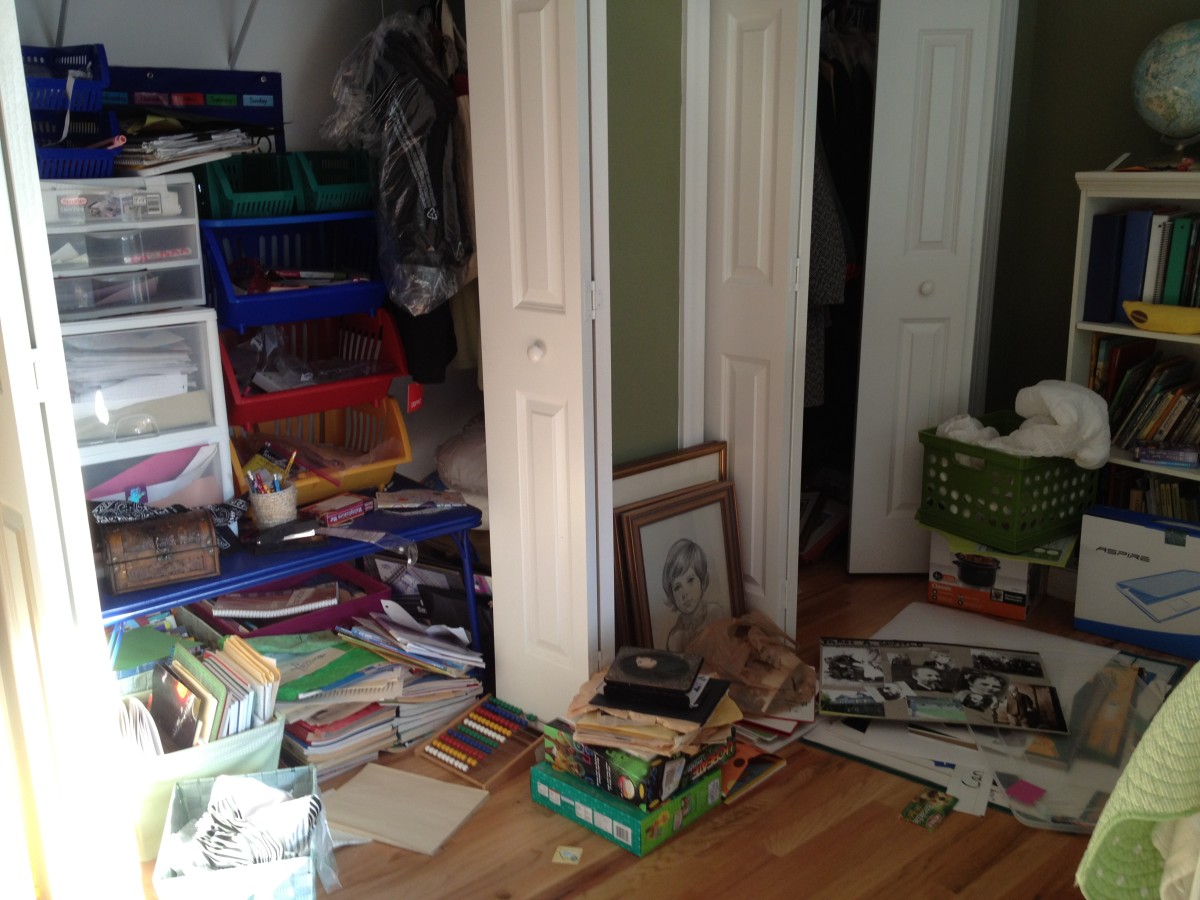
Most people in America have too much stuff. In our consumer-driven society we are constantly being enticed us to want more. Before long it's all just too much, it is disorganized.
In a survey conducted by the National Association of Professional Organizers 65 percent of respondents noted that their household was at least moderately disorganized.
Having it all is getting to be too much for the average American. Getting organized is often one of the leading New Year's Resolutions. I know this is on my list this year.
January is designated by the NAPO (National Association of Professional Organizers) "Get Organized Month'" promoting the idea that ousting clutter can free up valuable time and also save money.
Let's find out more about Too Much Clutter, the impact it has on people and ways you can conquer the clutter.
George Carlin Talks About "Stuff"
George Carlin's classic standup routine about the importance in our lives of 'Stuff'. This was from his appearance at Comic Relief in 1986. It does contain a few four letter words, but is a hilarious take on 'stuff'
George Carlin on Stuff (Language Warning)
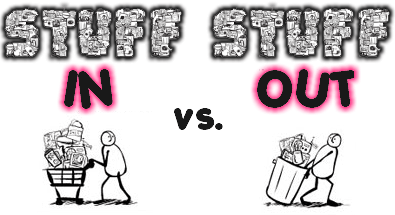
Balancing the Stuff In vs. the Stuff Out
About the Story of Stuff
The Story of Stuff is a 20-minute, fast-paced, fact-filled look at the underside of our production and consumption patterns, with a special focus on the United States. All the stuff in our lives, beginning from the extraction of the resources to make it, through its production, sale, use and disposal, affects communities at home and abroad, yet most of this is hidden from view.
The Story of Stuff - Video
- The Story Of Stuff Project
The Story of Stuff exposes the connections between a huge number of environmental and social issues and calls for all of us to create a more sustainable and just world.
Learn about the Story of Stuff

Reader Feedback on Too Much Stuff
Do you have or we all have too much stuff?
It's All Too Much!
Learning to Live with Less Stuff.
A House Full of Stuff Can Be Depressing
Unless you're extremely organized, a house full of stuff can be very depressing. A cluttered room saps one's spirits. One reason, obviously, is that there's less room for people in a room full of stuff.
But there's more going on than that.
I think humans constantly scan their environment to build a mental model of what's around them. And the harder a scene is to parse, the less energy you have left for conscious thoughts.
A cluttered room is literally exhausting.
Paul Graham
Source: Graham P. July 2007. Stuff. Paul Graham.com
Decluttering Tips from Peter Walsh
Join Oprah's Clean Up Your Messy House Tour
- Oprah's Clean Up Your Messy House Tour
Expert Peter Walsh and the clutter crew can strike anytime, anywhere. Get the step-by-step plan that will help get you organized. Plus, big savings and a free gift! - Join Peter's Clutter Crew and Get Your Home Organized
Organizing expert Peter Walsh and his clutter crew are decluttering homes across America, starting with surprise makeovers in New York City. Get the step-by-step plan that will help get you organized.
We are addicted to buying new stuff
We are painfully addicted to buying new stuff. And with each new purchase we consume more non-renewable resources, pollute the planet, and create lots of garbage.
Jeffrey Hollender
Source: Hollender J. June 2008. Too Much Stuff. The Inspired Protagonist on Seventh Generation.
We spend time instead of passing the time
We have impoverished our human communities with a form of materialism that leaves us in relative isolation from family, friends, and neighbors. We simply don't have time for them.
Unlike our great-grandparents who passed the time, we spend it.
Jeffrey Kaplan
The Gospel of Consumption
Source: Kaplan J. May/JUne 2008. The Gospel of Consumption. Orion Magazine.
Self-Storage is now a $22 Billion-per-year Industry!
Stuff is Costing Us in Storage Space
Gopal Ahluwalia, director of research for the National Association of Home Builders, says all this stuff is costing us quite a bit in storage alone.
Since 1970, the size of the average house has increased nearly 40%, from about 1,500 square feet to 2,300 -- and that's despite an overall decline in family size.
MP Dunleavey
Source: Dunleavey MP. The hidden costs of too much stuff. MSN Money.
Break the cycle and turn off the machines
We can break that cycle by turning off our machines when they have created enough of what we need. Doing so will give us an opportunity to re-create the kind of healthy communities that where human welfare is the overriding concern rather than subservience to machines and those who own them.
We can create a society where people have time to play together as well as work together, time to act politically in their common interests, and time even to argue over what those common interests might be. That fertile mix of human relationships is necessary for healthy human societies, which in turn are necessary for sustaining a healthy planet.
Jeffrey Kaplan
The Gospel of Consumption
Source: Kaplan J. May/JUne 2008. The Gospel of Consumption. Orion Magazine.
Resolve this Year to Clear the Clutter
Time to Make a Resolution to Live with Less Stuff
Getting organized often tops the list of New Year's promises.
In a November survey conducted by NAPO (National Association of Professional Organizers), 65 percent of respondents noted that their household was at least moderately disorganized. Ninety-six percent of respondents said they would save time every day if only they were better organized.
Professional organizers say the key is to pick a project, start small and to start today.
Nancy Jones-Bonbrest
Source: Jones-Bonbrest N. December 2008. New year in, clutter out. Baltimore Sun.
New Year's Resolves for Organizing Your Home
Nancy Jones-Bonbrest of the Baltimore Sun offers some helpful suggestions, resolutions for getting started ushering in the New Year by ushering out clutter.
Source: Jones-Bonbrest N. December 2008. New year in, clutter out. Baltimore Sun.
- Resolve to start off small.
Cleaning up the junk drawer seems like a reasonable task.
- Resolve to deal with mail, children's school papers and important documents.
Set up a paper-flow and filing system to manage incoming papers. A transitional spot - possibly located in the kitchen - can serve as a "command center," keeping important papers within easy reach and keeping the clutter controlled.
- Resolve to sort, purge and donate any items you don't use.
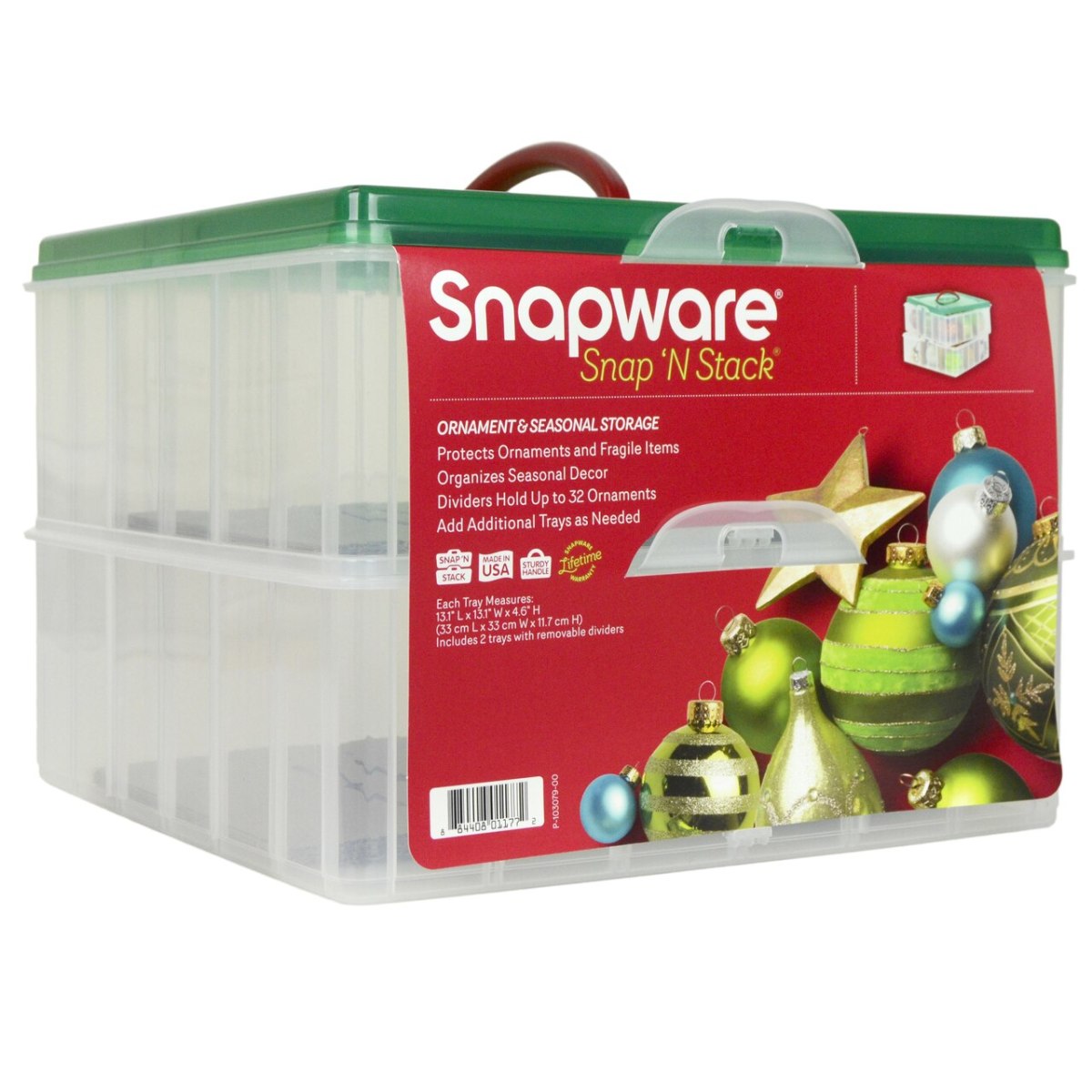
Those you must keep should be labeled and stored away, using clear storage bins or a color-coded storage system.
- Resolve to find storage space.
Use the backs of doors and space under beds, or install shelves, hooks and pegboards.
- Resolve to use the garage.
It's a great spot to store seasonal items and outdoor equipment. Get things off the floor and go vertical when it comes to finding space here.
- Resolve to finally organize your photographs.
Start with the newest photos and work backward. If sorting photos into albums seems too daunting, get archival, acid-free photo-storage boxes and put your pictures in them.
Remember
A cluttered room is
literally exhausting.
Stuff is even a problem in China
Mention of Chinese city kids today often conjures up an image of kids who are over-indulged, materially well off and spoiled for choices in unlimited fun.
There has been little realization of children as victims: their needs as children chronically slighted, their value as consumers overexploited, and their worth solely gauged in terms of their similarity to adults.
The relative ease of satisfying their material needs contrasts sharply with the near-impossibility of ministering to their natural spiritual needs as children.
Wan Lixin
Source: Lixin W. December 2008. Sad side of 'good' childhood: Too much stuff, too few values. Shanghai Daily News.
Articles about Too Much Stuff
- The hidden costs of too much stuff - MSN Money
It's not just the gear, the gadgets and the gizmos. It's the bigger house, the wasted energy and the missed opportunities that come with them. - Too Much Stuff! America's New Love Affair With Self-Storage
Americans are putting more and more stuff into self-storage purgatory. It's now a $22 billion-per-year industry, but what does it mean for the soul? from Corporate Accountability and WorkPlace on AlterNet. - Too much stuff! Searching for space -- and peace -- amid the clutter
Too much stuff! Searching for space -- and peace -- amid the clutter. The Cover story of Oct. 9, 2003 North Coast Journal. - New year in, clutter out
It's almost time to once again ring in the new year, and one of the most popular ways to acknowledge the turn of the calendar is by making a resolution from the Baltimoresun.com. - The Gospel of Consumption | Orion Magazine
Jeffery Kaplan takes a look at consumption for Orion Magazine. - Why Is It So Hard To Let Go Of All That Stuff? - Clutter and Adult ADD
A look at clutter and Adult ADD (Attention Deficit Disorder) from the Attention Deficit Disorder Association website. - Consumerism and Spirituality: For the love of Stuff
Ever wonder how we got to a point of overconsumption in our Society? Or why stuff is so darn important? It is more calculated then you think... - Too Much Stuff: How Our Profligate Consumerism Might Keep Us in Iraq
Wherever we go, our "stuff" goes with us -- in such large quantities that removing it could prove more daunting than invading in the first place from AlterNet. - Sad side of 'good' childhood: Too much stuff, too few values -- Shanghai Daily
Stuff is even a problem in China. Mention of Chinese city kids today often conjures up an image of kids who are over-indulged, materially well off and spoiled for choices in unlimited fun.There has been little realization of children as victims:
Even Museums have Problems with Too Much Stuff
Too Much Stuff? was published by the National Museum Directors' Conference in 2003. The resource is intended as a contribution to the important, but often muted, debate on disposals from museum collections.
The paper, produced by an NMDC working group and approved by NMDC directors as a whole, asks difficult questions. How do museums justify retaining collections which are not well used or even well cared for? Is it really always wrong, as the current Museum Association Code of Ethics suggests, "to undertake disposal principally for financial reasons"?
You can download the PDF File from the National Museum website.
Source: Too Much Stuff? Disposal from Museums National Museums.
Blog Posts about Too Much Stuff
- Stuff
A post from July 2007 from Paul Graham about having too much stuff. - Too Much Stuff | Seventh Generation
A post from Jeffrey Hollender of the Inspired Protagonist about simply buying too much stuff. - The Story of Stuff Explains the True Source of Pollution
Corbett Kroehler - Global Warming on Keyboard Culture takes a look at the Story of Stuff. - The Best Global Warming Video I've Seen in Months
Corbett Kroehler - Global Warming on Keyboard Culture takes a look at the Story of Stuff as a way of explaining global warming. - The Story of Way Too Much Stuff
Sarah Felicity from ~a smattering of sarah~ looks at The Story of Stuff.
© 2008 Kirsti A. Dyer