All About Toxic Black Mold, with How-To Videos

black mold and black mold removal
You’ve seen mold, also referred to as mildew, before. Leave a damp article of clothing wadded up so that it’s not exposed to sunlight or other drying conditions, and in a few days, you’ll have a nice crop of mold. The same goes for leftovers in the fridge – you know, the ones that resemble a science project. Mold is pretty common, and most are relatively harmless to the average person, though none are healthy. One type, however, can be deadly: toxic black mold. If you have this type of fungus in your house, apartment, or business, you need to learn about black mold removal.
What is black mold?
Mold is a fungus that grows in the presence of high humidity. There are literally thousands of mold species, and in fact, they’re the most common form of fungus on the planet. They can grow almost anywhere. Even in arid conditions, they might remain dormant for months or even years, and become active with the right combination of moisture, light, and available nutrients.
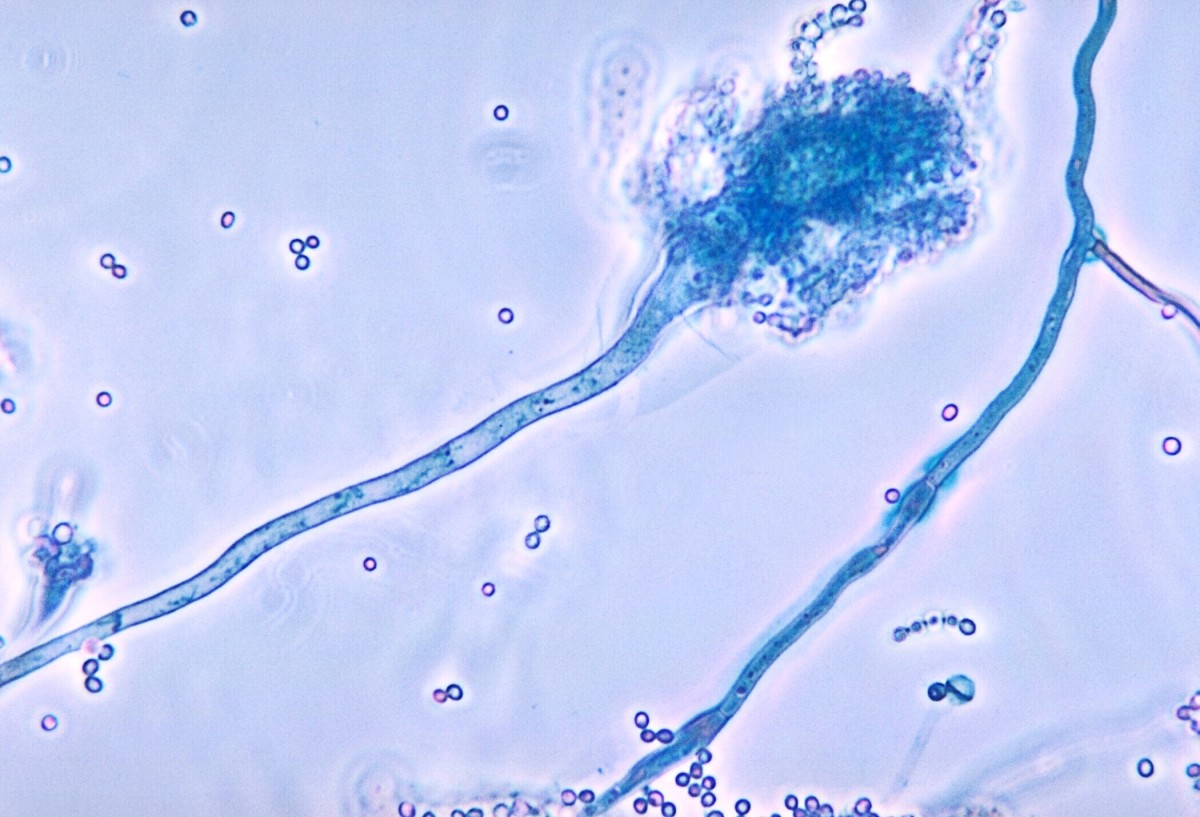
Specifically, black mold is Stachybotrys chartarum. It’s most often associated with poor air quality and homes and buildings with water damage. It produces harmful mycotoxins and is responsible for numerous health problems in humans. Toxic black mold might produce several different mycotoxins.
Where does black mold grow?
Black mold can grow virtually anywhere that’s damp. This includes on paneling, on sheetrock, around windows, in floors and subflooring, in basements, around bathroom tiles, in insulation, on ceiling tiles, and under or in carpet. It can also grow on house plants, on straw or hay, on leather furniture, and on cloth and upholstery. Just about anywhere in your home could be subjected to black mold. It also affects office buildings and schools, often forcing temporary closings until the culprit can be removed.
Toxic black mold is often rampant after major flooding occurs.
How do I know if I have black mold in my home?
If you have too much moisture in your home, chances are good that you have mold growth. Reasons for excessive humidity and moisture might include roof leaks, leaky pipes, an abundance of indoor plants, or wet carpet.
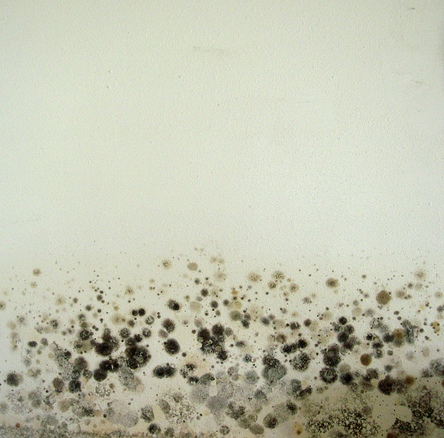
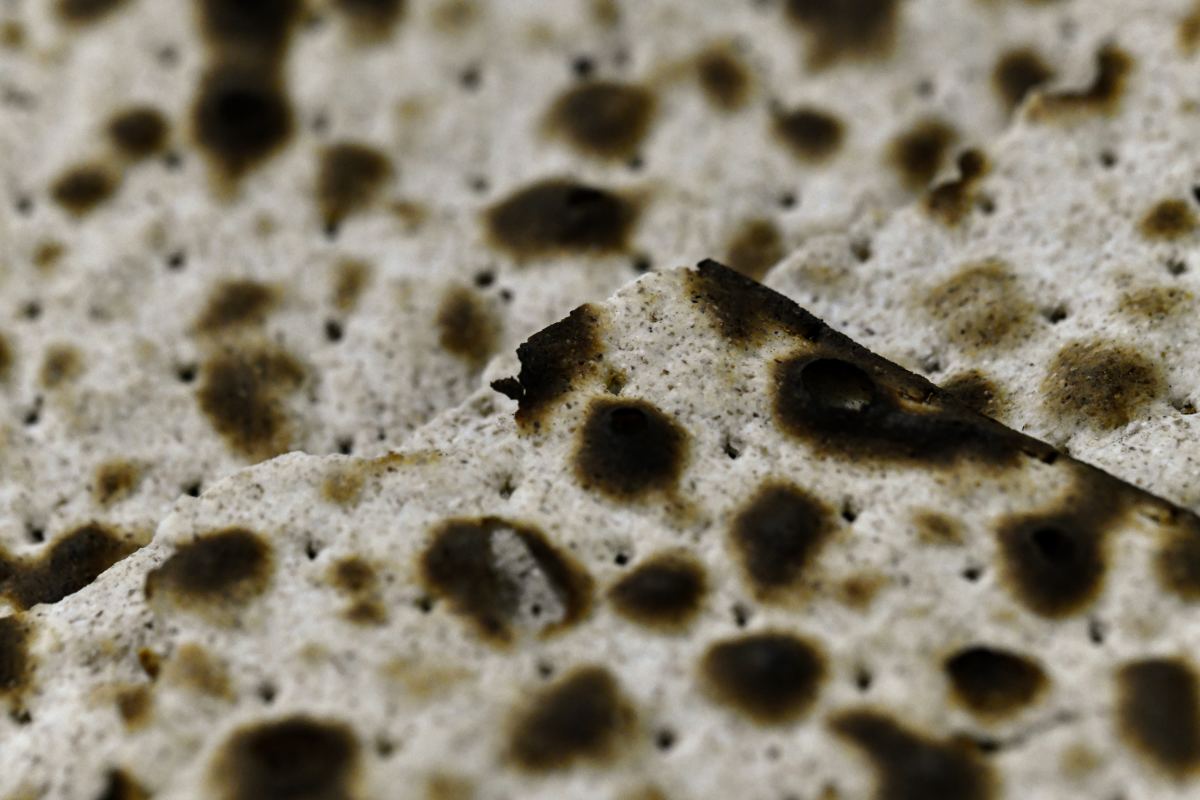
The mold might be in a visible spot. If so, it appears as a dark green or black slimy growth, as a dark powder, or it could be dry and somewhat scaly. Even if you see no mold, it doesn’t mean it’s not present. Signs include a moldy smell, discolored wallpaper, discoloring of walls and ceilings, loosened sheetrock tape, and paint peels.
If family members experience frequent respiratory illnesses, toxic mold might be the cause.
To be sure, you can use a test for mold or hire an inspector. These can be used to test surface areas, the air in your home, or both. These tests and inspectors are usually expensive, and they don’t always tell you the type of mold you have. Since all molds are considered unhealthy, it’s best to go ahead and eliminate the problem, regardless of the fungus species.
How is black mold dangerous? Why is black mold removal so important?
Toxic mold can cause a host of health problems in humans. Many people think the mold or mold spores have to be inhaled to cause illness, but that’s not always the case. The mold can also be harmful when it comes in contact with skin or when it’s ingested. Illnesses caused by mold include chronic sinus infection, mild to severe allergic reactions, asthma, and other irritation to the respiratory system.
When molds and other fungi break down substances into usable food particles, they release mycotoxins. The mycotoxins are extremely toxic to humans. They can cause diarrhea, vomiting, eye irritation, nose bleeds, bleeding in the lungs, fever, headaches, sneezing, coughing, breathing difficulties, rashes, dizziness, sore throats, dermatitis, fatigue, cold and flu symptoms, confusion, and a general feeling of malaise.
Some people are more susceptible than others to toxic mold. This includes babies, those with any type of breathing difficulties, and those who have any immune system issues. In hypersensitive individuals, toxic mold can result in neurological damage and in permanent lung damage.
In 1994, 45 Cleveland, Ohio infants experienced pulmonary hemorrhage from inhaling spores from toxic black mold. Ultimately, 16 of the babies died. This is just one example to show why black mold removal is so important.
How to get rid of black mold - black mold removal
Black mold removal isn't extremely difficult. First of all, you need to identify the source of moisture and repair or remove it. For example, a leaking roof or a leaking pipe can cause mold to grow. If these aren’t repaired, you’ll be wasting your time removing the mold; it will just grow back.
When you’re removing mold in an area, the room should be sealed off. Close the doors and place plastic over any openings, like under doors. Open a window to the outside and use a fan to direct any loosened mold spores to outside.
For clean small areas of black mold removal, mix together one gallon of water, one cup of household bleach, and ¼ cup of dishwashing liquid. Generously apply the bleach mixture to the affected area and let it “sit” for 15 minutes. Wipe the area clean, making sure it’s completely dry. Place all the mold into a plastic bag that can be completely sealed.
When cleaning moldy areas, wear a face mask, safety goggles, gloves, and adequate clothing. If the mold is dry, spores are most likely present. Don’t be tempted to scrape these. The spores will be released into the air, and breathing them is very dangerous.
For large areas of black mold removal, including insulation, carpet, and large areas of ceiling tiles, you'll need to use a different strategy. These cannot be cleaned safely or effectively. Your only choice will be to completely replace the moldy substances. for example, if you have black mold growing under your carpet, there's no way to get rid of it without ripping out the carpet. In this case, black mold removal will likely include cleaning the floor to remove any mold and replacing the old carpet with new carpet or with a different type of floor covering.
How to prevent black mold
You can help prevent toxic mold from taking up residence in your home. Keep the humidity in the house low – below 55% relative humidity - even if you have to use a dehumidifier. Avoid placing carpet in kitchens and bathrooms. Rugs used in those areas should be washable. When you re-paint a room, have special mold inhibitors added to the paint. If you spot mold, clean it away properly before it gets out of hand.
Using an HVAC system with a HEPA filter will drastically reduce the amount of dangerous mold spores in your home. It will also remove other allergens, making your home environment much healthier. If you use an HVAC system with a HEPA filter and follw other tips to prevent the growth of mold, you'll likely never have to worry about black mold or black mold removal.
Read more about health:
- Improving Fertility without Drugs: 25 Tips
Fertility rates in the US have sharply declined over the last few decades. Thousands of couples today have trouble conceiving. Doctors are not completely sure what has caused the decline, but several... - How to Get Social Security Disability
Note: If you're trying to scam the government with a false claim of an injury, illness, or condition, read no further. This article is to help people who are legitimately unable to work a full time job...
More tips for homeowners:
- Why to Buy a Hot Tub
A few years ago, I started having a lot of pain in my neck that radiated into my shoulder and down my left arm. I also had pain in my lower back that radiated down my right leg. I went to a couple of doctors... - Fireplace Grates: An Overview
Most homeowners love having a cozy fireplace in their home, and they might spend weeks deciding on the perfect size, the perfect mantel, and the perfect surround for their fireplace. What isn't usually... - An Overview of Fireplace Tools
Most people who have a fireplace in their home also have a set of tools, usually placed on the hearth. The fireplace tools arent just functional; they're also very attractive and give the fireplace an... - Proper Ductwork Maintenance
Most homeowners dont spend a lot of time thinking about the internal workings of their home at least not until something goes wrong. By that time, extended damage could have already been done, and... - All About Toilet Parts
One of mans most wonderful inventions just has to be the modern toilet! Lets face it this is something all of us use several times a day, but we really never give it a thought until it fails to... - Choosing the Right Shower Tray
Nowadays, homeowners and prospective homeowners usually place much emphasis on their bathrooms. They often spend much thought and a lot of money on things like frameless shower doors, quarried tile, vessel...