Reading Books Still an Age-Old Tradition?
There's a bookworm in each of us
The 'new' book
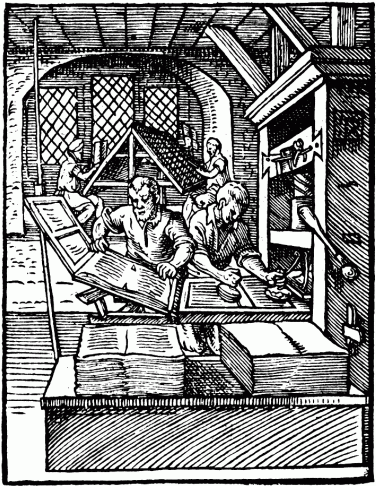
Johannes Gutenerg's Printing Press
Read a book or computer screen
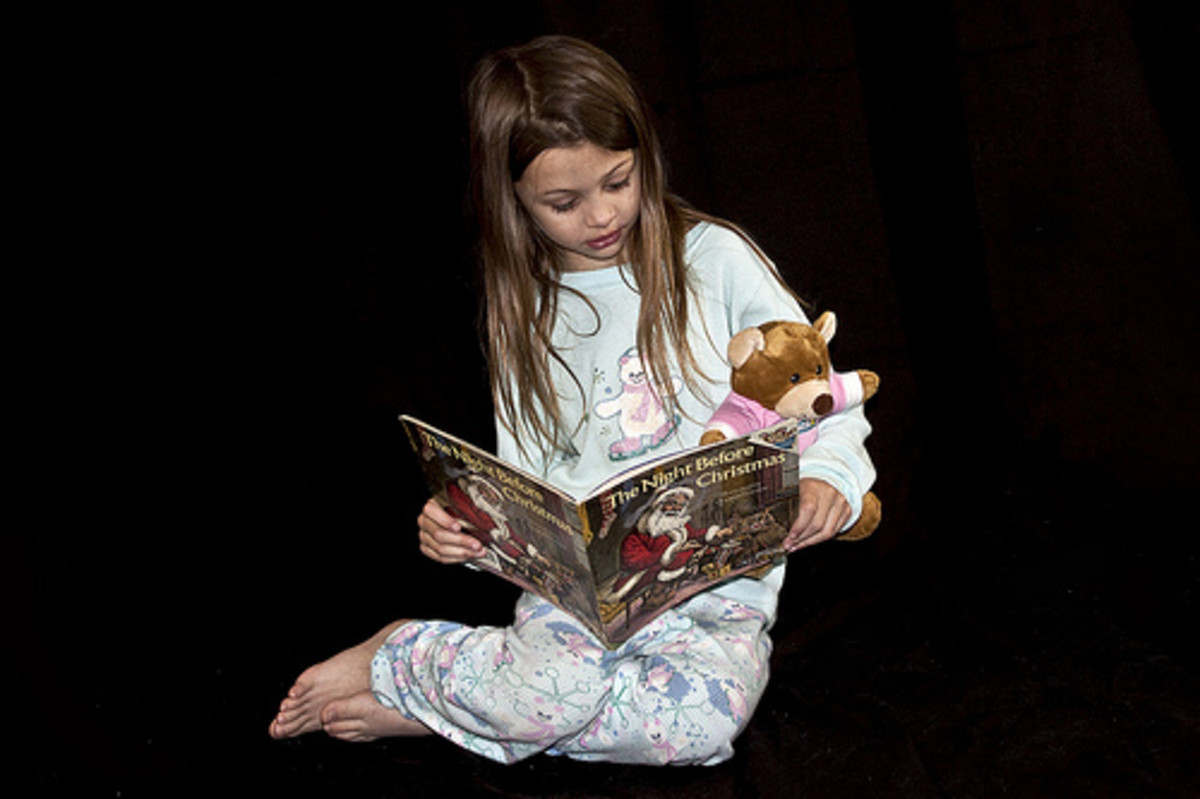
It is my nightly ritual to read before going to sleep. I’m sure this is most everyone’s habit before turning in. The tension in my shoulders ease as I sigh after laying down, then pick up a the brand new hardcover book I had to read immediately and couldn’t wait until it came in paperback or the worn leafed- through paperback that has become a good friend often visited. Either way the story takes me away from the daily struggles and tribulations. And it is also the simple act of reading that is relaxing. Opening the cover and your fingers deftly turning the pages slowly or in haste depending on your involvement in the story. Soon you don’t even know you’re turning the pages so engrossed you are in the story. But what if it isn’t a book you’re reading but a computer screen? Would this deter your enjoyment of the written word?
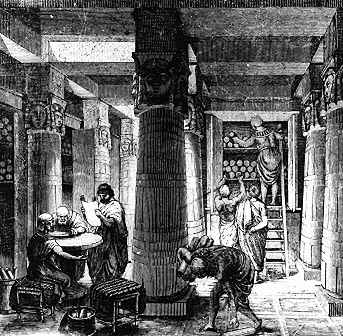
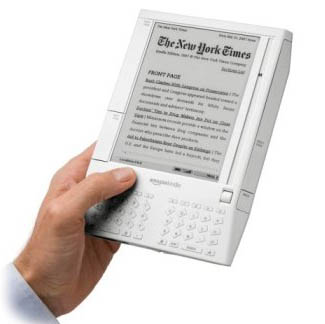
Then invention of the Kindle has changed the printing business so drastically. To think that Johannes Gutenberg invented the printing press back around 1454 and it has only taken over 500 years for a human being to read something other than on paper. If we can imagine how far back storytelling goes, examples of the Bible, Homer’s Iliad, and other ancient civilizations stories, which were passed down in the oral tradition, give us enormous insight to the human need for entertainment through stories. The Inca, Mayan, Aztec, Greek, Roman, Celt civilizations all followed the verbal method or shared their history with the next generation through art. It is mainly in part to the amazing ability of the human memory to keep so many stories alive until the Egyptian use of papyrus for paper. When a scribe could write for hours all the knowledge that the world had collected to that point. Which makes the destruction of the Library at Alexandria a colossal loss to the academic world. How many hundreds or thousands of scrolls could have furthered the ancient world and what might we known about the ancient world? As I try not to digress any further, the invention of the printing press made the act of reading available for the first time to people other than royalty or peerage.
As we in the modern times are so accustomed to having every convenience at our fingertips it is logical to see why the Kindle was invented so that we could not have one, but numerous books available to us while we sit at the airport or wait in the doctor’s office. Call me a purist, but I cannot willingly give up the pleasure of reading a printed book. Most likely my futile stance will have the same response as writers who wanted to stick with their pen after the invention of the typewriter. Gradually we all give in. Simplification of age-old habits takes much of the joy out of it. However, I need to clarify my view because, as a member of the millennial generation I cannot imagine life without a laptop or a cell phone. My high horse should probably bow its head for me to jump off because most refusals of advanced technology do not work but for a lover of history, the knowledge that I’m reading a book that was once read hundreds of years ago makes me feel a part of something grand. Like a continuation of history. And proof of the power of the written word and the authors’ ability to transcend generations with their novel.
I believe people will still enjoy books and even collect them for a library. As a former student a Kindle may be helpful with textbooks because carrying two twenty pound books gets tiresome for a semester. Technological advances will not cease, but there does come a time when we have to decide what traditions to cling to and what to accept in advancements. I can only think of the wonderful books I've read and how they shaped me. I'm sure everyone has a favorite novel that they read as a child or even young adult. Books have a power to capture our attention and imagination. They make us want to travel to far-off worlds maybe experience Spain like Hemmingway, the south like Faulkner, Russia like Tolstoy, Ireland like Joyce, Regency England like Austen, and other places that have been made famous by other authors. I know those feelings and desires will never leave readers, but it remains to be seen how future generations will view novels.
The Ancient Library at Alexandria