Save Money at the Grocery Store

Shopping
Exhausted After Shopping
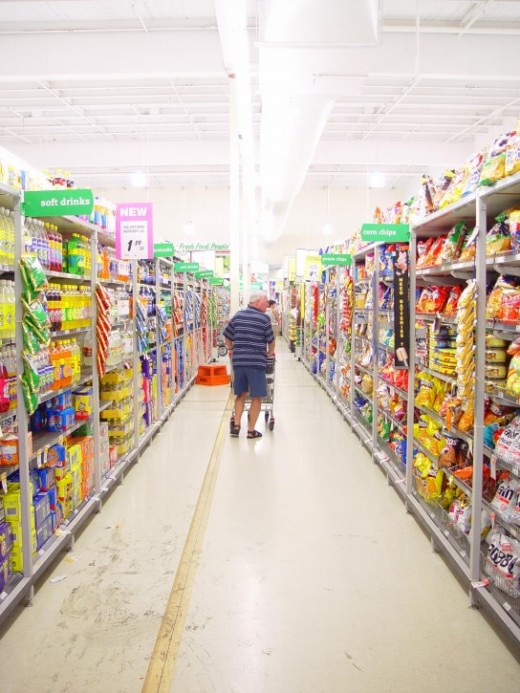
It may be a chore but it really isn't that difficult or physically exerting a job. It is, however, a sensory overload. There is bright and bold colored packaging everywhere. Advertisers are paid to come up with the best and most attention-getting packaging to grab you, the consumer, and scream "BUY ME." I remember taking classes on Color Theory in college designed to maximize an artist's skill to land a job with advertising firms. Almost all packaging uses at least some RED on the labeling to attract attention. Most all colors are bold and bright and that much color makes the average person exhausted visually.
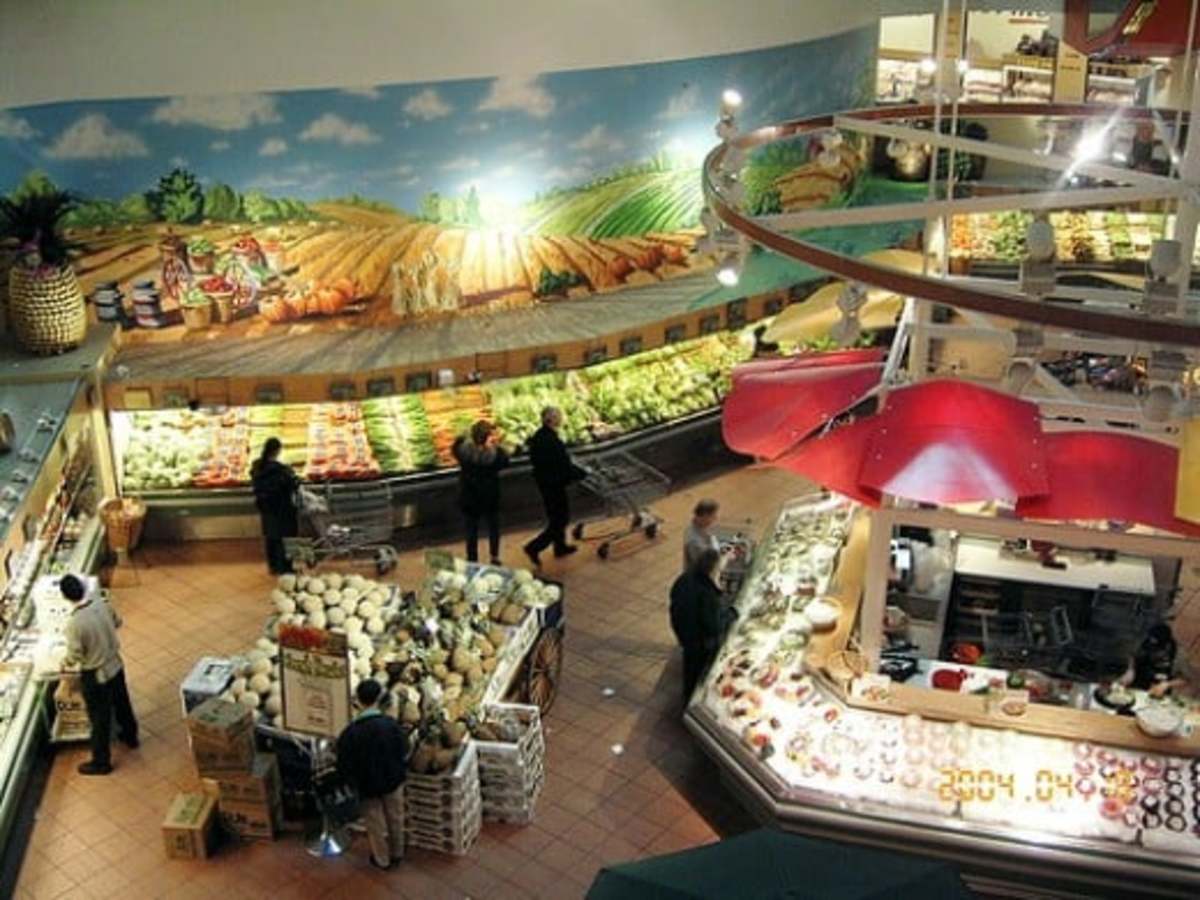
Many grocery stores even pay design companies to come in and help layout the shelves and rows to maximize the number of times you have to pass the most enticing items. It is why the dairy section is in the rear of the store, because typically people run out of milk and dairy products more often than anything else. With the dairy section in the back, a customer must walk all the way down an isle to reach it and studies show that this customer, who just came in for a gallon of milk, will impulsively pick up other items that they didn't actually come into the store to buy. The higher priced name brands are at eye level, while the sale brands are lower or higher, sometimes even out of reach. This kind of makes grocery stores sneaky in their tactics, so we must be armed and on the defensive.
It may surprise you but this article is not about the best places to get coupons. Grocery stores are designed to get you to spend more than you intended to. Even coupons are designed to get you to buy a higher priced name brand that you may not have been buying before, in order to hook you into becoming a loyal continuing customer. Even the cashier hits you with "did you find everything you needed" before you can pay and get out of there.
The following are just a few helpful points to take into consideration before your next trip to the grocery store.
Eat something before you go.

Don't Shop Hungry
I'm sure you've heard this one before but it is true. My mother used to always tell me this one. If you walk into the store hungry, the chances of impulse buying rise exponentially. You may even be tempted to buy things totally outside your diet and budget. So eat a power bar or some small thing before going into the store to resist the impulse.
Make A List
I'm a first-born and lists are second nature to me. But I've known a lot of people who just don't bother with lists and think they will remember, only to get home and find they forgot something key to the menu and have to go back. Invariably the second trip is not the one you have armed yourself for with resistance and you will find yourself buying much more than you needed or wanted to. A list may take time but is always smart in the long run. Actually, lists are easier to make and manage than ever before with grocery store apps available on your smartphones. You can make the list and even in some cases, check prices right on your phone.
Vegetable Trimmings
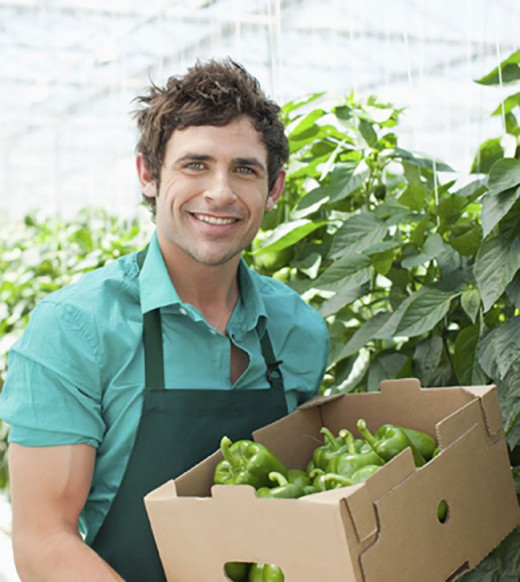
Most stores have a fresh vegetable section. When the fresh veggies come in, someone has to trim the leaves and sort to make sure the produce is all ripe and un-bruised. As the produce ages a few days, they take it off the shelves and toss it into a box full of trimmings. The trimmings, I found are great for rabbits and other farm animals. Some chain stores no longer give away the trimmings, but instead, send it somewhere to be turned into compost. It doesn't hurt to ask. We used to bring home boxes of lettuce leaves, corn on the cob, cucumbers, tomatoes, and even some fruit like cantaloupe and apples with the smallest of bruises. Anything that was good went to the kitchen, and the rest went to the rabbits, chickens, and other animals. It was a free feast.
Little Girl Shopping
Farmer's Market
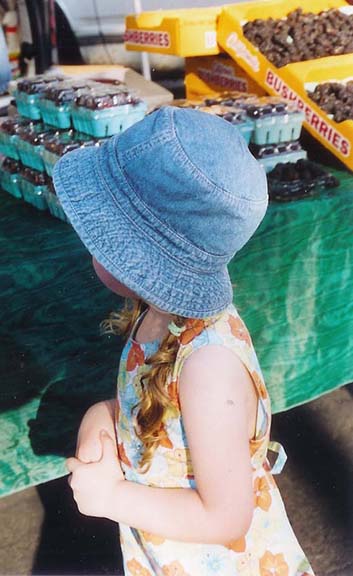
Most towns have a designated place for local farmers to set up booths with their produce during the growing season. The farmer's market is often the best place to get good fresh produce at a better price than the local grocery stores can offer. Here in Fresno, California, there are 4 areas 4 times a week for farmer's market. With the Farmer's Market, you have the added pleasure of knowing you are supporting the local farming community as well as saving money. These are places where you can talk to the growers and get advice on the preparation and handling of local produce. I love the farmer’s markets.
Try not to rush.
Compare Prices
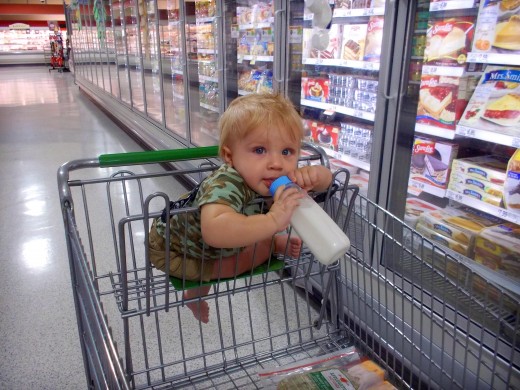
This used to be my most religiously followed rule. Although I still look at the prices, I have found that some products with lower prices aren't worth the savings. With cheese, for instance, you get what you pay for. The cheaper priced cheese tastes like plastic… and honestly why buy cheese at all if it doesn't taste like cheese? Some other products are like that also. Fruit juices, for instance, may be priced lower but when you check the ingredients and see you are really paying for flavored water instead of fruit juice, why bother? It comes down to ingredients and not just comparing prices. Organic produce is much higher priced but I have found that it goes farther when everyone tastes the flavor difference and are satisfied with less. This is one of those areas where you must decide what is more important to you and your family.
Endcap Traps
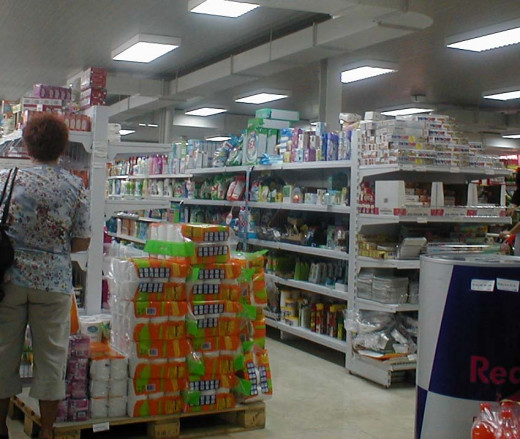
At the end of every aisle, grocery stores like to place the most enticing, colorful, brand name product, like snack cakes, chips, sodas, and crackers. These are never the best value than something else you would find in the center of the aisle. This is strategic placement and a trap. It is meant to catch your eye and scream "Grab Me Quick before I get away." It is usually brightly packaged to get your attention. As long as you know these are traps meant to lure you in, you can avoid them.
Casher Line
Point of Sale Traps
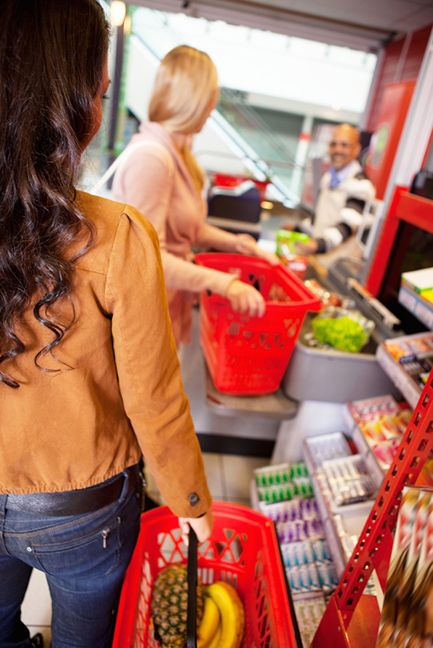
The ends of isles aren't the only place they mean to trap you. The point of sale section next to the checkout counter is also the perfect place to set up enticing displays. I used to hate those with a passion. They placed the candy and toys at my child's eye level specifically to make trouble for me. I hated them mostly because I couldn't afford to buy my child everything she wanted. It broke my heart to say no and make her leave. These point-of-sale traps are insidious. They are places you cannot get away from. You HAVE to wait there for your turn at the check-out and what else is there to look at but the point of sale trap devices? Evil genius.
To bulk or not to bulk...
Small vs. Large
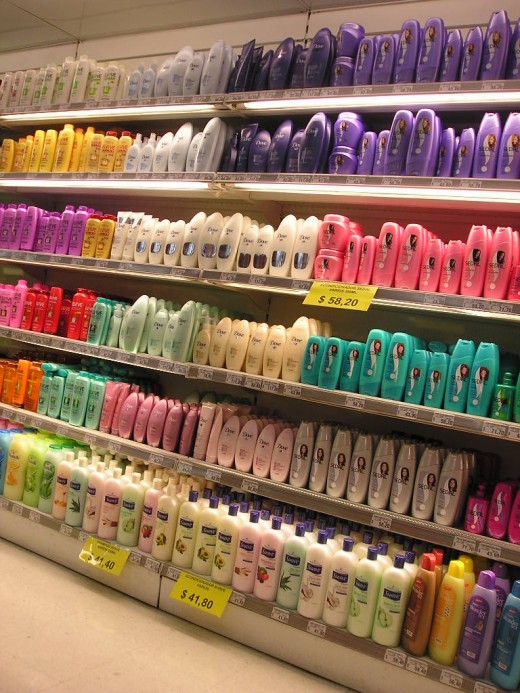
When coming in for just a few items, don't use the larger carts. Grab a small basket. This will help you keep within your budget. I use this method when dieting. If I fill a small plate for dinner, I feel like I am getting more, than when I only put a little on a large dinner plate. Although the amounts were the same I felt deprived when using the larger plate. You won't feel like you have forgotten something with a small basket and be tempted to just keep filling up the cart.
Fruits and Vegetables
Used to be called Victory Gardens. Now it's Economy Gardens.
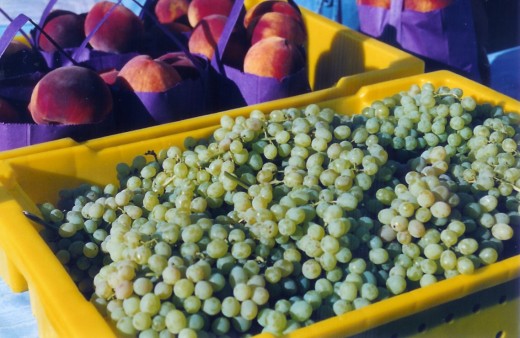
Whenever possible grow your own fresh vegetables and fruits. This will save you a ton on your grocery bill, as well as give you the pleasure of know exactly what is in and on the produce. I also liked to can my fruits and vegetables for use later in the winter. I felt like saving money for my family was the same as making money for the family. If you cannot grow your own, visit the local farmer's markets. You are supporting your local farmers and saving money for your family too. It's a win-win.
Fridge Fix
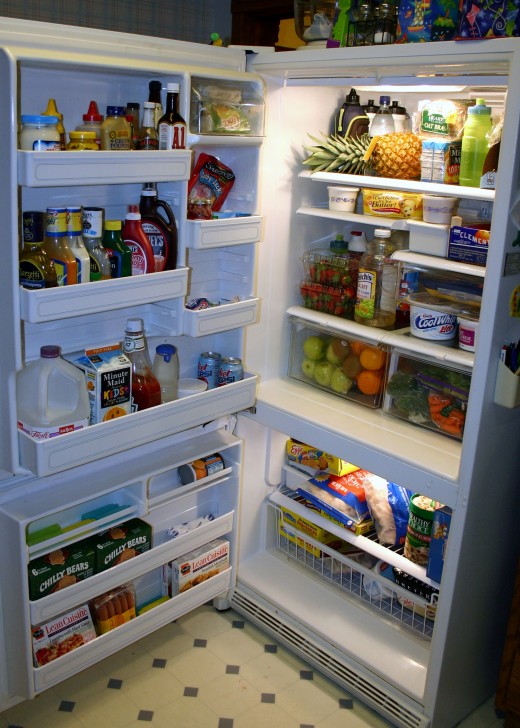
Rearrange the Refrigerator
Whenever you bring home your grocery bounty, don't just stuff it into the fridge and relax. You must bring the older produce to the front of the fridge while placing the freshly purchased stuff to the back. This way you will have less spoilage and refuse. Americans typically throw away $10 worth of food per week per person because of spoilage. If you have leftovers, plan a leftover night to use it up rather than shoving it to the back and forgetting about it until you discover you have grown a fuzzy green science experiment. This practice will save more money for your family than you can imagine. It is also ecologically sound as it reduces our genetic footprint and prevents waste. Another practice to get into the habit of is putting the most perishable, leftovers and things to be used up first near the top shelf as well as to the front. This means that young hands looking for something to snack on will see things that should be consumed up front first.
No Nonsense Shopping
Do you shop purposefully?
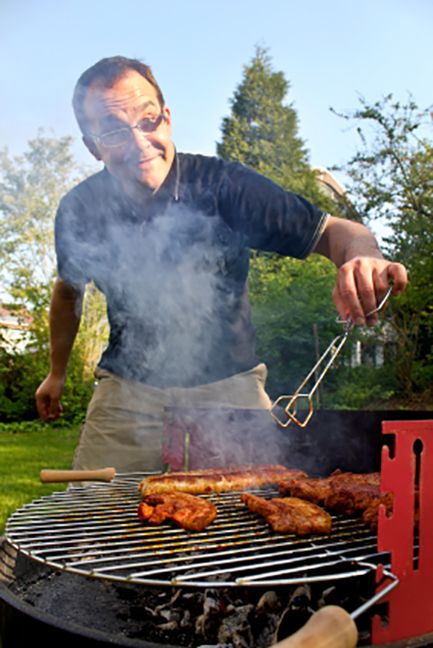
Budget for Meals
I've heard this one before and it is so worth following that I rarely do it. I find as an empty nester, my husband and I rarely plan meals anymore. Like Bert and Ernie, we usually say something like: "What do you want for dinner tonight?" "I don't know. What do YOU want tonight?" I do get tired of that and plan more often than I used to do but I'm still not great at it. However, when I do plan what we are going to have and shop for only that, we tend to have more grocery money left at the end of the month.
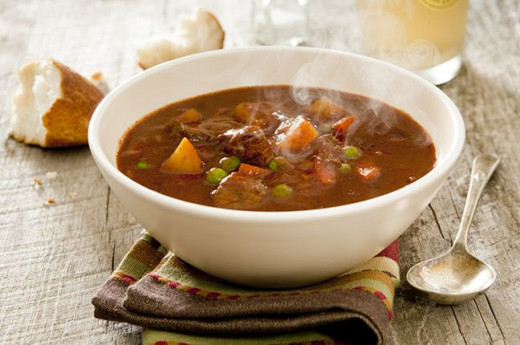
Plan Filling Meals
They call them comfort foods because they are high in carbs and fill up the family, satisfying them longer. I have tried many low-cost comfort foods and casseroles on my husband and it usually doesn't go over very big. I end up eating all the leftovers myself. Not too comforting. What you have to do is find filling comfort foods that your family will like. We have a dish we call goulash (which I'm sure is not a traditional goulash at all), which is easy to make and cheap and filling. The family loves it enough that we have used it for years as an old stand-by. It amounts to a tomato paste soup with cooked ground beef and a can of corn. It is meals like that you will have to find by trial and error, and then keep forever. Whatever works for your family is best.
Preparation
Sure having a delivered pizza is great and relaxing but why pay for them to prepare when you can do it yourself. It is the preparation on packaged food that makes the cost go up. If you prepare burritos, for instance, and freeze them, you will have quick meals to pull from the freezer and zap in the microwave for a fraction of the cost of the pre-packaged ones. This takes a little planning but I have found that when you are making a meal if you must make a little extra and freeze it, it will be there for those munchies, or lazy holiday weekends. I even have a bread machine (a real bargain if you use it often) for making my own pizza and homemade bread. A handy and useful tool to have.

Try Other Stores
I hate this one because I get used to a store and like knowing right where to find things. If you are like me, you know going to another store means having to search for what I want. Also, I don't like driving very far. My favorite store is nearby and I would like to keep it that way. However, this said, when a new store opens up they usually have unbeatable sale prices that are good enough to take me across town to check it out. For this, you have to keep your eyes and ears open. Soon after opening, though, most stores go back to charging "normal" prices, so I don't have to give up my favorite store for long.
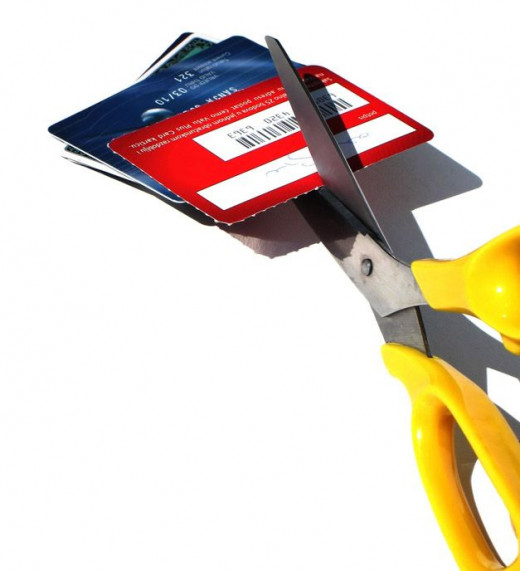
Store Cards
Some major chain stores have loyalty cards. I used to belong to a couple and had the cards but I don't remember saving more than a few pennies. Again this is something that depends on the individual. If you shop that store, get the card. If you don't frequent it, it probably won't save you much to bother with the card.
Clear Plastic Containers
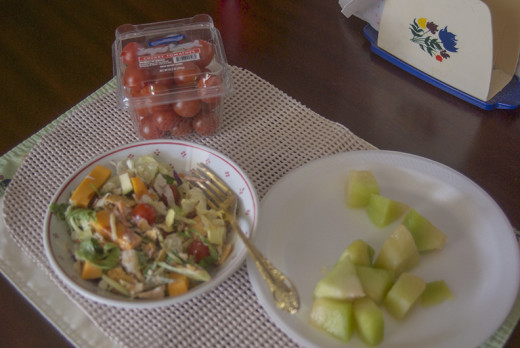
When buying anything in clear plastic containers such as cherry tomatoes, kiwi, strawberries, or even deli items, always check the bottom as well as the top. Things may look lovely and fresh from the top of the container but may show their age and signs of mold or spoilage on the bottom.
Clear Plastic Containers
Online Coupons
Online Coupons
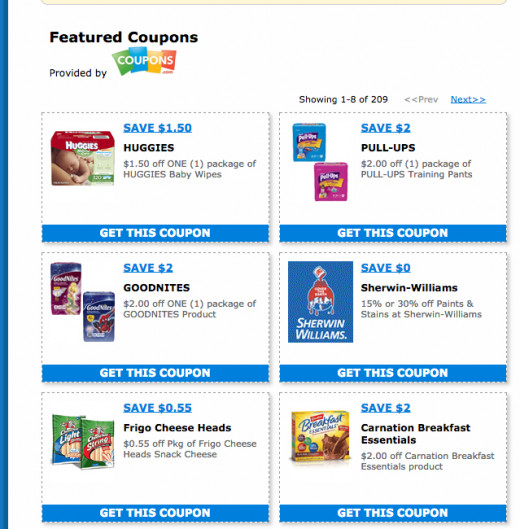
If you are shopping at a large chain store, and you have access to the Internet, you should always check online for store coupons before you go. Stores have begun to post specific coupons good for one day or one week on their online sites. It would be a good practice to check before you go shopping.