Chemical Elements: Properties and Uses of Silver and Gold

Silver
It comes from the Anglo-Saxon word “seolfur” and the symbol Ag, from “argentum”. Silver is a white, lustrous metallic element that conducts heat and electricity better than any other metal. It is a rare and expensive element though not as expensive as gold. Pure silver has a brilliant, white metallic luster. It is one of the transition elements of the periodic table.
Pure silver has the highest electrical and thermal conductivity of all metals, and possesses the lowest contact resistance. It is a little harder than gold and is very ductile and malleable. Silver has been regarded since prehistoric times as the best conductor of heat and electricity. It is also present in our body but has no known role.
Silver is used in silverware, tableware, silvering glass and photography, coins, medals and also for industrial uses.
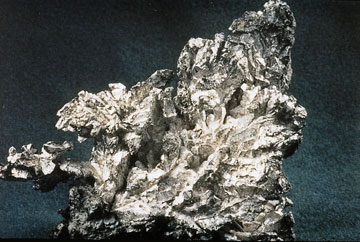
A Nugget of Silver. Image Source: Wikipedia
Gold
Gold comes from the Anglo-Saxon word “geolo” or yellow for the metal and the symbol Au from the Latin word “aurum”. It is one of the transition elements of the periodic table. Pure gold is malleable and ductile of all metals with enormous commercial value. It is soft, dense bright yellow metallic element when in a mass, but may be black, ruby or purple when finely divided. It is extracted from crushed rock or gravel by dissolving it either in mercury or cyanide solutions.
Gold is popularly used for jewelries which is usually described by the term carat. Carat describes the amount of gold present, 24 carats mean pure gold. It is also used for coins/money, dental works, satellite coating, photography, utensils, some parts of electronics industry, as an architectural ornament when beaten into very thin sheets and to color glass to make it reflect heat.
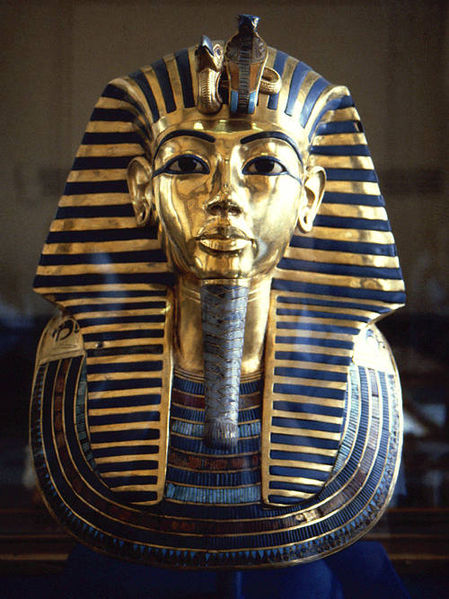
Golden Funeral Mask of King Tutankhamun. Image Source: Wikipedia
Related

Beautiful Wire Wrapped Jewellery - How to Make a Gold or Silver Wire Wrapped Cocktail Ring
Emergence: Spontaneous Self Organization and Patterns in Natural Systems

Chloroform in the Environment and Its Potential Health Dangers
How to Tell if Your Old Gold and Silver Jewelry Is Real
Scrap jewelry, copper, silver and gold coins - hoarding, melting and collecting