Snook Fishing in Florida
One of the most popular gamefish in Florida.
This page is dedicated to the snook fanatics everywhere, enjoy.
There really is no mistaking a snook bite. When that cavernous mouth sucks in a volume of water and your bait bounces off the back of the fish's throat, the strike that's transmitted up the line will fibrillate most hearts. After the initial jolt, it was time for a little action-shocking defib. The instant the hook found its mark, I knew it was a big fish. Read more here: http://www.floridasportsman.com/sportfish/snook/S_0003_Culture/
* Due to the extreme cold temperatures, Snook season will not re-open until September 2012.
• More Saltwater fishing.
Big Snook on the Hunt
Big snook fishing and no sharks this time.
- Panga fishing boats
Great saltwater fishing boats for snook and other gamefish species.
Flamingo Everglades Snook Fishing Trip
West Coast Snook Fishing
Swordspine Snook
Family Centropomidae, SNOOKS
Centropomus ensiferus
Description: smallest of the snooks; profile slightly concave; prominent lateral line outlined in black (not solid), extends through caudal fin; color yellow-green to brown-green above, silvery below; giant second anal spine, hence the name; largest scales of all snook.
Where found: occurs in INSHORE estuarine habitats from south Florida to as far north on east coast as St. Lucie River.
Size: usually less than 1 pound (12 inches).
Remarks: full-grown adults are less than 12 inches long; mangrove shoreline habitat serves as nursery area for young; rare on Florida's west coast; prefers only slightly brackish or fresh water.
• myfwc.com
Snook fishing in Captiva Florida video
Fat Snook
Family Centropomidae, SNOOKS
Centropomus parallelus
Description: deeper body than other snooks; color yellow-brown to green-brown above, silvery on sides; black lateral line extends onto tail; mouth reaches to or beyond center of eye; usually no dusky outer edge on pelvic fin, as in other snooks; smallest scales of all snooks.
Where found: INSHORE spcies found in mangrove habitat; found commonly in fresh waters; occurs more in interior waters (as opposed to estuarine waters) than other snook.
Size: a small species, rarely more than 20 inches.
Remarks: usually found in fresh water; mangrove shorelines serve as nursery grounds for young.
• myfwc.com/
-----------
Snook are sub-tropical fish and are most common to Central America. Historic changes in the earth's weather is what brought the snook to Florida. It is believed that during a great warming trend after the Ice Age, snook moved northward along the Mexico shoreline. They followed the perimeter of the Gulf of Mexico, down the west coast of Florida and up the east coast. Since then, continued changes in the weather patterns have just about eliminated the population north of Homosassa on the West Coast and Port Canaveral on the east coast of Florida.
• Florida fishing spots and saltwater fishing
Disclaimer: The content of this page is not affiliated with the company names or products discussed, listed, presented or shown. The information provided is for general information purposes only and without warranties of any kind. Company names and products shown may be trademarks of their respective owners.
Related
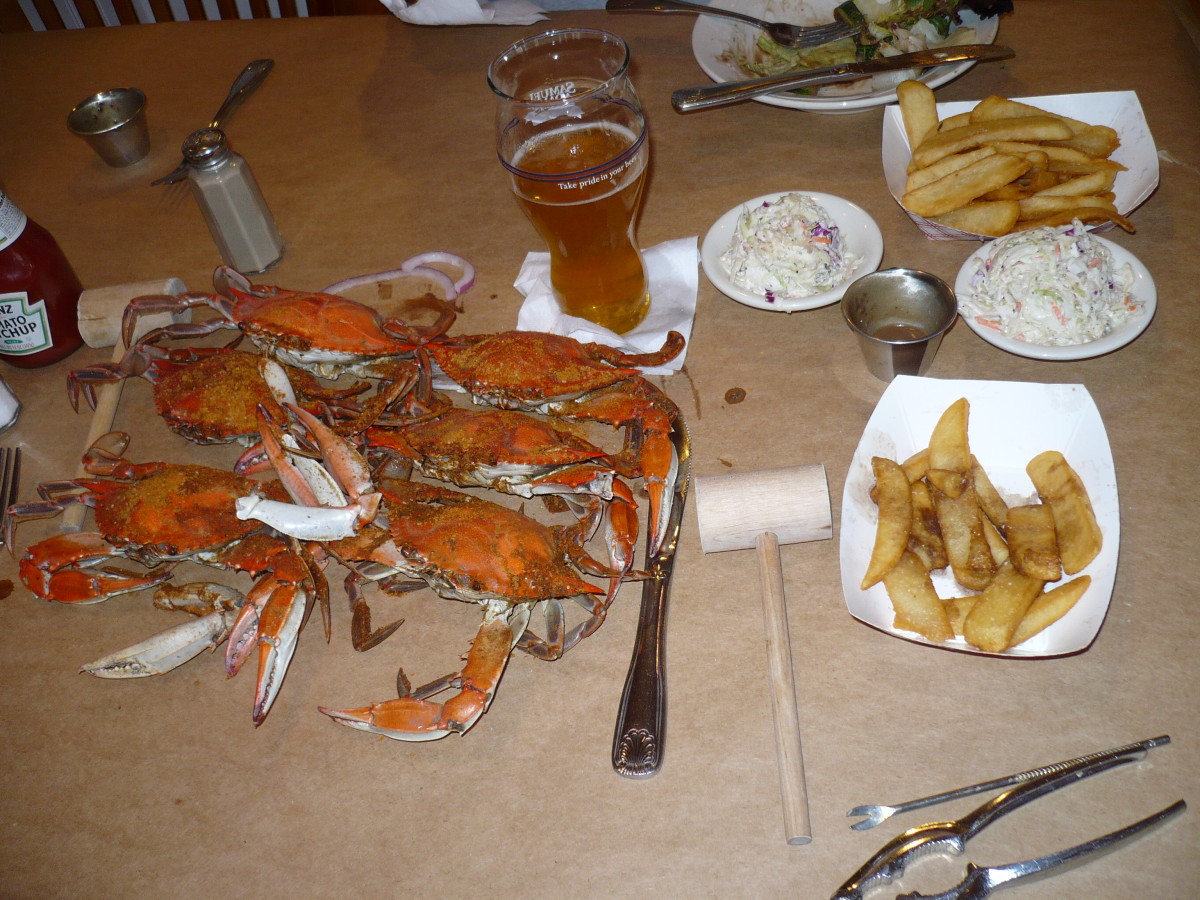
Blue Crabbing Fishing Spot On the East Coast of Florida
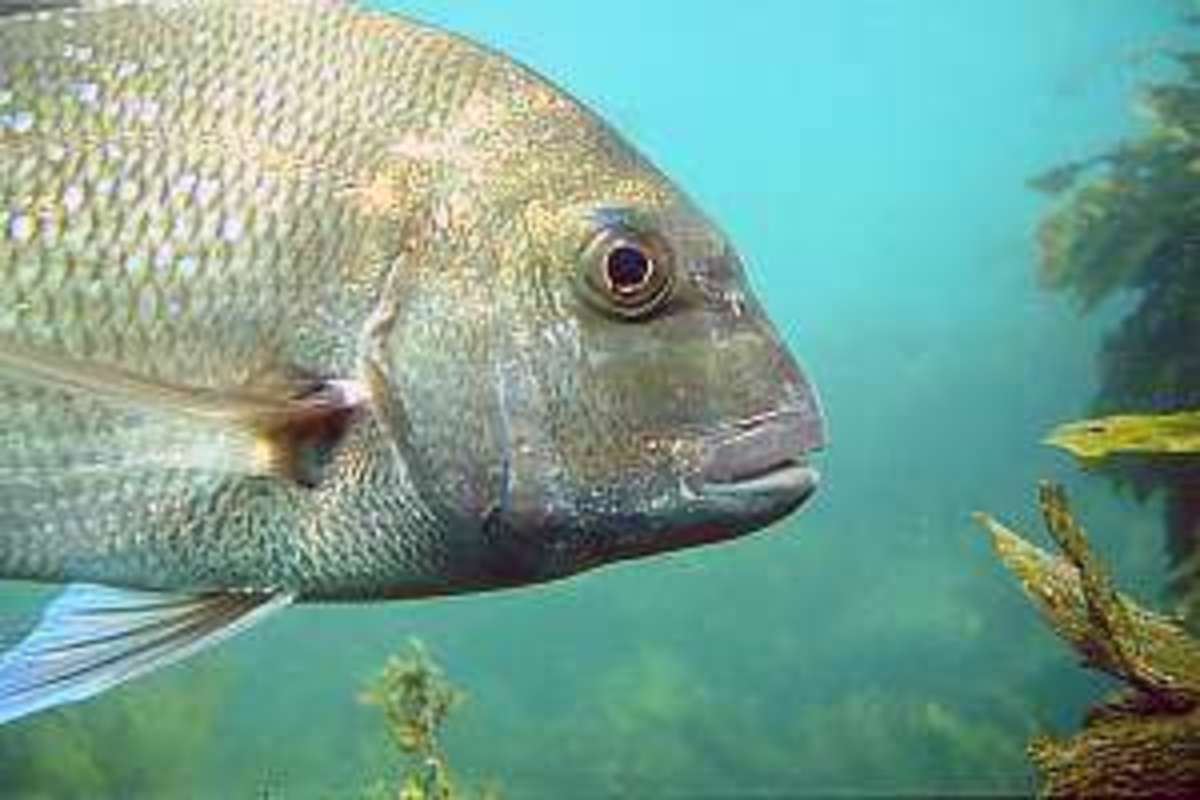
Choosing the Right Anchor for Your Boat While Reef Fishing: Why a Grapnel is Best and How to Use It.
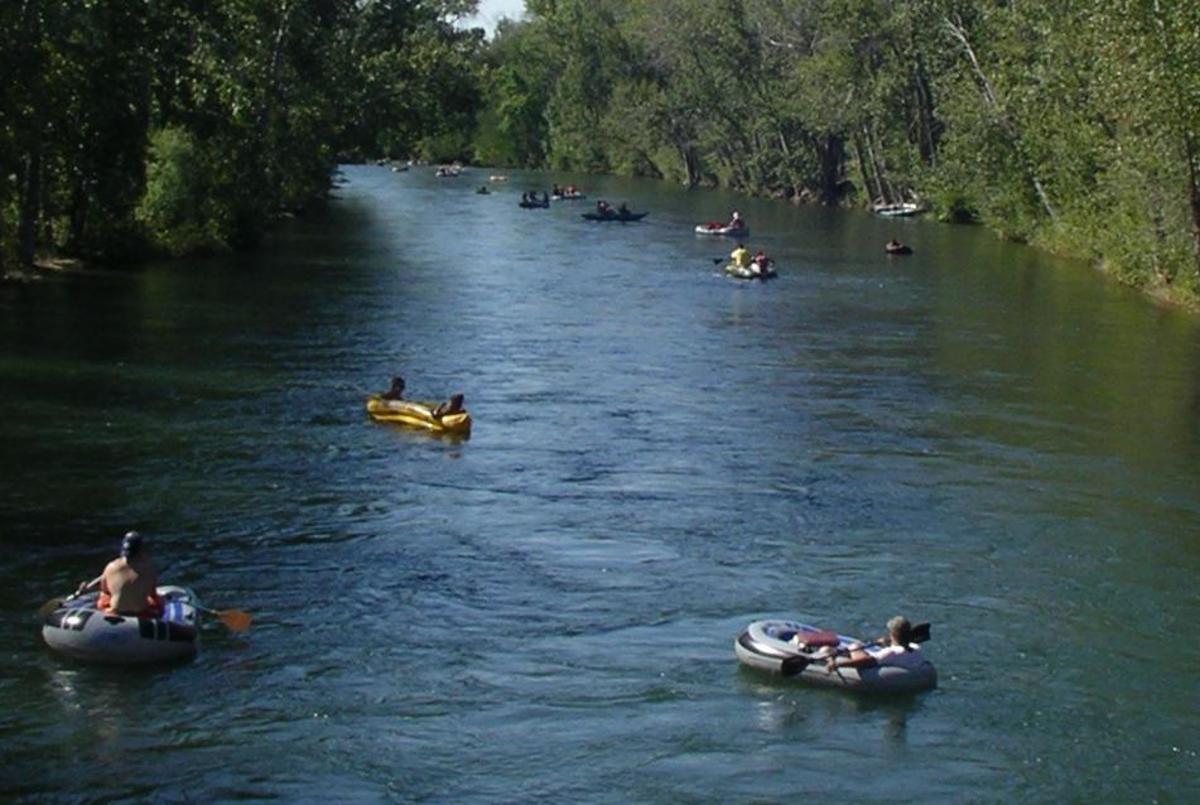
Fishing the Boise River, Idaho
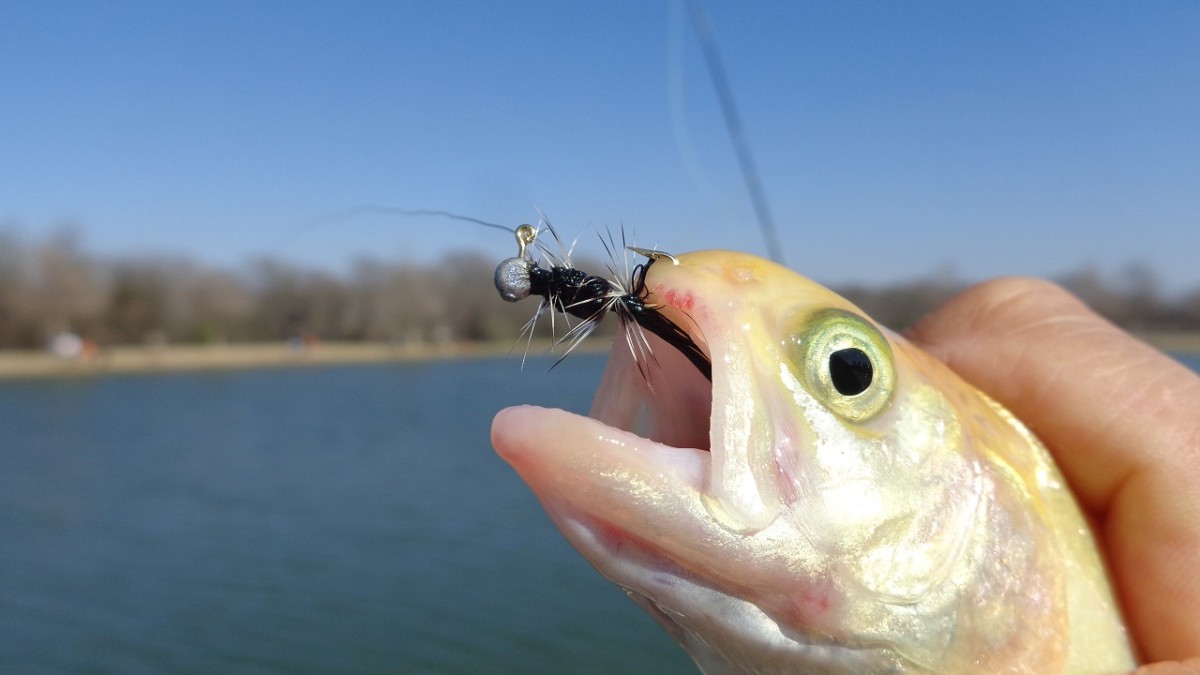
Texas Rainbow Trout Fishing - Community Lakes and Ponds
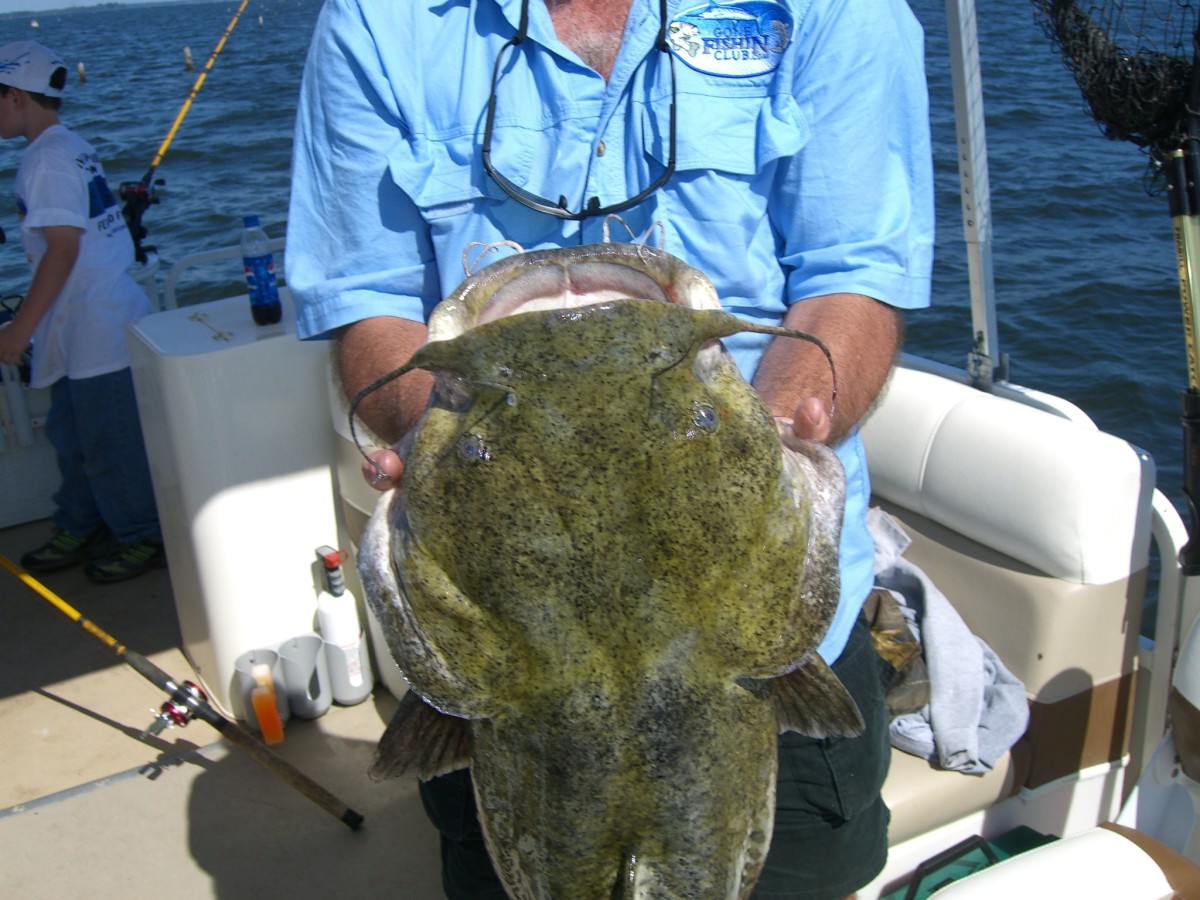
How To Catch Big Catfish Part 1 - Where and When to Catch Catfish in Lakes, Rivers and Reservoirs