Do Men and Women Handle Stress Differently?


Is There Anything Beyond Fight-or-Flight?
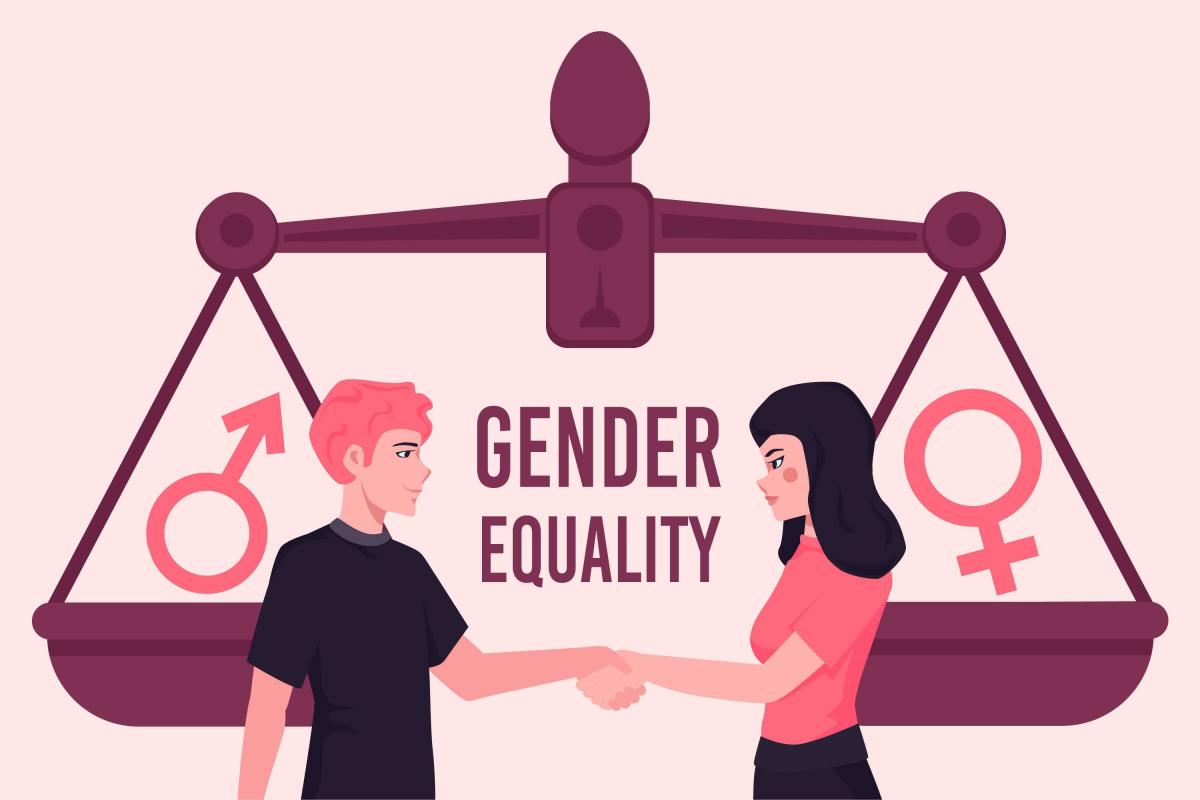
In today’s world of equality between men and women, it sounds funny to talk about gender inequality in stress management, but there is definitely a gender bias at least when it comes to how men and women handle their stress and worries. Same types of stress hormones are released in their blood streams but there is subtle yet significant difference in how male and female species of human beings react to stressful situations.
Historically, all talk of men-women equality has revolved around making women equal to men as if men have superior body chemistry. But research is giving another dimension to the romanticism of equality, at least speaking from the perspective of stress management. Studies point out that there is more to stress management than the typical fight-or-flight response, and that is probably a more appropriate way to manage stress.
Humor
"When women are depressed they either eat or go shopping. Men invade another country." - Elayne Boosler
"In politics, if you want anything said, ask a man; if you want anything done, ask a woman." - Margaret Thatcher
"I am a marvelous housekeeper. Every time I leave a man I keep his house." - Zsa Zsa Gabor
"Woman was God's second mistake." - Friedrich Nietzsche
Gender based Responses to Stress
Despite the much talked about and evergreen romanticism with equality of male and female species of human beings, there are some basic differences in how men and women tend to respond to stress. Researchers at UCLA discovered that men tend to respond to stress with a "fight-or-flight" response, and women are more likely to react through a "tend-and-befriend" response.
Psychology professor Shelley E. Taylor pointed out that this difference in stress response is not limited to humans only. But in many other species, the female population responds to the discomforts of stressful situations by protecting and nurturing their young (the "tend" response). They are also likely to seek social contact and support from others, particularly from other females (the "befriend" response).
This is interesting because the fight-or-flight behavior was long considered to be the principal stress coping mechanism for both sexes. The studies were made possible only after changes in government grant policies in 1995, because women were generally excluded from the stress studies due to monthly fluctuations in their hormone levels.

Fight-or-Flight vs Tend-and-Befriend
The fight-or-flight technique implies either aggression, which can be anything from resentment, to anger, to verbal or physical conflict or withdrawal (flee) from the uncomfortable situation. Both are basically two different reactions of hurt ego.
The "befriending" technique can range from talking on the phone with relatives or friends, to such acts like trying to socialize with fellow shoppers or the counter clerk at the grocery shop. The "tending" technique becomes apparent when one looks at the differences between fathers' and mothers' behaviors towards their children when they come home after a taxing day.
The typical father, after a stressful day at work, might want to be left alone to relax in peace, or resort to reacting harshly, or just pick up quarrel with kids or wife. A typical mother, on the other hand, after a stressful day is more likely to cope with the bad day by diverting attention towards the children to show care and support for them.

A Research Finding
A recent article in Scientific American talked about the importance of social networks and how they strengthen our resilience to stress by offering us range of choices for dealing with difficult situations. It stated that participation in group should be seen as inoculation against threats to mental and physical health. In addition, it is cheaper and has far fewer side effects compared to the pharmaceutical route, besides being enjoyable.
Group interaction allows us to recognize our strengths and share them with others. It also brings in supportive people who help us through positive feedback.

Another Research Finding
A study published in the Journal of Personality and Social Psychology pointed out that positive feelings toward others improves the way people cope with emergencies.

Stereotyping: Men More At Risk from Stress
Historically the male human species have been associated with aggression and egoism. They have been trained to demand and dictate that the females are expected to fulfill and obey. This stereotyping of men, in the current world and modern lifestyle, actually goes against them when it comes to managing stress. They are more likely than women to develop stress-related disorders such as hypertension and abuse of alcohol or hard drugs.
Furthermore, there is another dimension to gender disparity that puts men at disadvantage. A hormone called oxytocin is also released in the blood stream in stressful situations in both men and women. This chemical has a calming effect and tends to reduce anxiety and makes people more social. Although oxytocin has been mostly studied for its role in childbirth, in several species it governs the maternal behavior and affiliation. Unfortunately though, male hormones appear to lessen the effect of oxytocin but the female hormone estrogen augments it.
The stereotyping also prevents them from showing and sharing their emotions; thus, shutting off a valuable channel to release stress. Moreover, in the current civil society fighting or aggressive behavior – verbal or physical – is considered deplorable and fleeing or avoiding only aggravates stress in the long run. This makes this “standard” method of coping with stress rather ineffective.
The tend-and-befriend behavior has evolved through generations because ages ago fighting or fleeting was not practical option for women because they had to look after the house hold affairs and their kids or were pregnant. The only feasible choice left to them in stressful situations was either to seek support from social alliances or divert attention towards nurturing their babies. Both these behaviors have given them more resilience in managing interpersonal and social relations, which gives them edge over men in managing their stress and worries.
Conclusion
Therefore, it is only realistic that intelligent and rational men pick up a few tips from females’ instinctive behavior and pay more attention to positive interpersonal relations – both at home and at work. That will help them not only lessen the effects of stress but also to save on future medical bills. This should make more sense given the dismal state of the economies in the Western world.
Thanks to the ever increasing level of stress in the society, this offers another dimension to the equality of men and women – men must strive for equality with women! Fair enough.