Tea Dying

Intro to tea dying
Tea dying is a wonderfully easy techinique to use to turn your new piece of lace, or stitchery into a beautiful antique looking piece of art. It is a way to make your cross stitch or needlework into a one of a kind piece. It uses a few simple items that most of us already have in our kitchen.
With this technique you can either dye a particular area of the whole piece. The best fabric to use is an evenweave fabric. I find that the regular aida cloth used for cross stitch handles the tea dye very well. However, an evenweave cotton also takes to this techinique as well. Don't forget about lace, pillowcases and tablescarves or even Christmas ornaments and Christmas stockings. There are many different items you can tea dye.
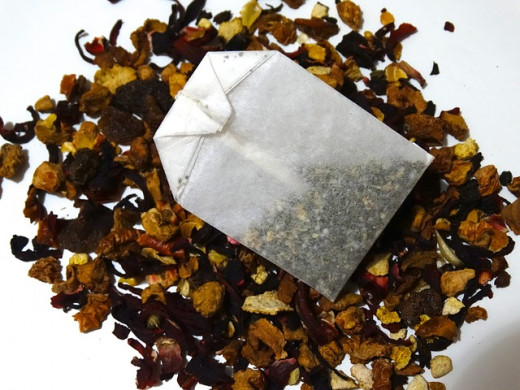
Any tea will do for the dying. If you like the golden yellow of antiqued lace you might want to think about using an herbal tea, my suggestion would be a chamomile tea. It needs to steep in the tea longer but the golden color looks as though your great-grandmother owned this piece first. If you like the redish brown tint, orange pekoe is the one for you. It is always a good idea to test the tea dye on a scrap of fabric before proceeding.
Let's get started on the small selected area
Ingredients:
3 tea bags
1/4 tsp vinegar
1/2 cup boiling water
In this technique you will be creating a halo type effect. Before you begin look at the piece an decide how much of the piece you wish to dye. When you have decided sew a loose running stich around the outside edge of the area you wish to dye. This is to help you keep the tea dying in the area you want. It is a guide only.
Prepare tea:
Add all of the ingredients above and let steep for one minute. Squeeze tea bags and remove.
Dye:
1. Submerge fabric in cold water. It is important to thoroughly soak the fabric. If you don't the dying will turn out with blotches and streaks. When fabric is saturated center it on ta bowl that is slightly larger than the area you wish to dye.
2. Pour the tea slowly over the fabric beginning in the center of the area. As you reach the edge of the area you wish to dye use a wet paintbrush to blend the edges. This will lighten the tea as it moves away from the center causing a halo look. If you wish to have a deeper color just add more tea.
3.Carefully remove fabric and place it on a clean, dry, old terry towel. Allow to lie flat on the terry towel until piece is dry. Once it is dry you can iron and remove stitches.
Larger tea dying areas
Ingredients:
tea bags of your choice
1/2 tsp vinegar
boiling water
In this technique you will be dying larger items. Perhaps a pillow case or a christmas stocking.
Preparation:
1. Boil several cups of water and add 4 to 5 tea bags for smaller items and 9 to 10 for larger items. Make sure there is enough liquid to fully submerge item.
2. If tea solution is not dark enough add more tea bags and let set for several minutes. If tea solution is to dark add more boiling water a little at a time until satified with depth of color.
Dying:
1. Fully saturate the item you are going to dye in cold clear water. Shake out fabric so there are no folds or creases. Submerge in the tea dye solution.
2. Let item soak for ten minutes then check the color. If you are satified with the shade take out and rinse with cold water. If it is lighter than you would like return to tea solution and continue to check every 5 minutes until you are satisified.
3. Place rinsed item on a large white terry cloth towel. Let it lie flat until dry. When item is dry you can iron it and enjoy it.
- Tea Bag Folding Resources By Paperfacets
Paperfacets has been writing about tea bag folding since 2007 and has folded paper extensively beginning in 2002. She continues to explore the craft as a hobbyist with a website and paper tile designs - How to Dye with Tea: Give an Antique Finish to Paper...
Dyeing with tea is a beautiful way to give an aged look to paper, fabric, bone, ivory, shell or horn. A few cents' worth of tea can give you a fabulous look! - 21 Creative Ways to Use Used Tea Bags
Can you really do something with tea bags after you've used them to make a nice cup of goodness? Yes! Try these fun and practical ways to reuse tea bags, and get more bang for your buck. - Tea Dyeing and Coffee Staining Tricks
Tea & coffee make effective dyes for many surfaces and materials.
© 2009 Susan Hazelton